
Victorian Inlaid Vitrine
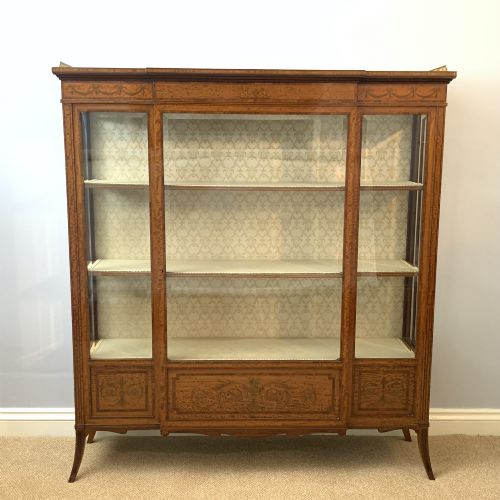
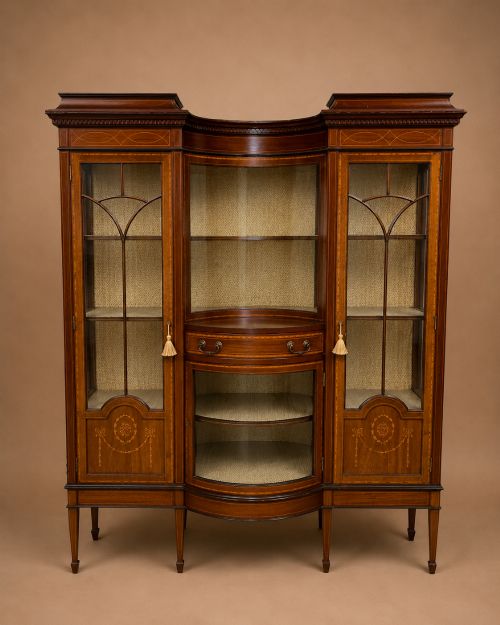
A victorian inlaid vitrine brings glass display and decorative marquetry together to showcase cherished objects in domestic rooms.

Victorian Inlaid Vitrine
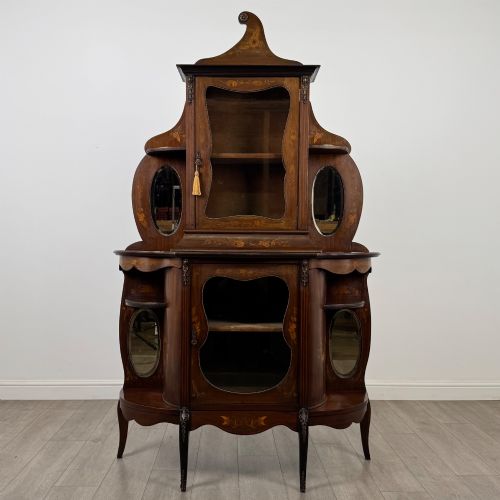
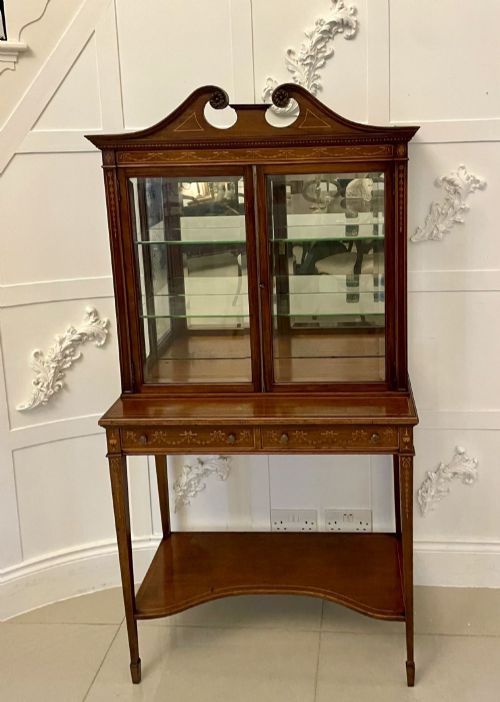
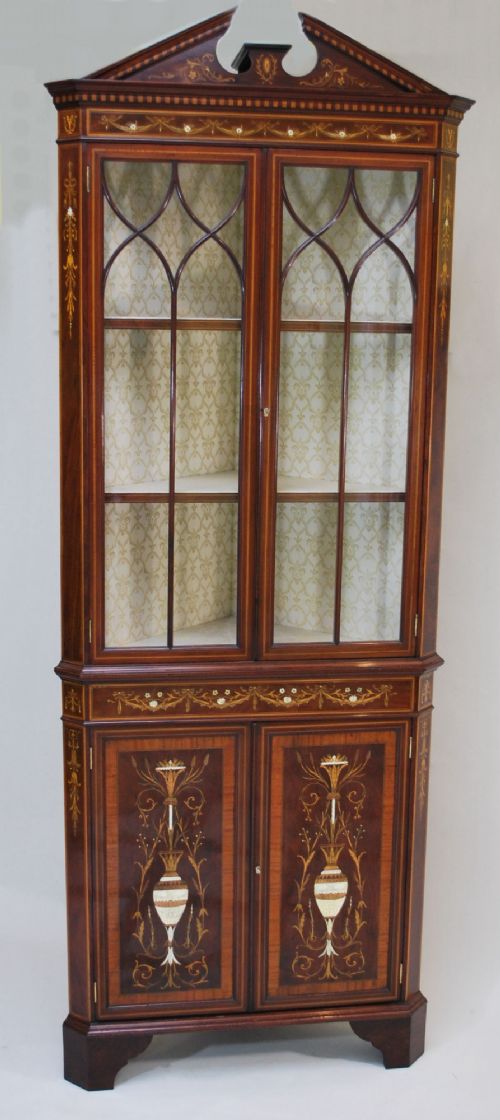
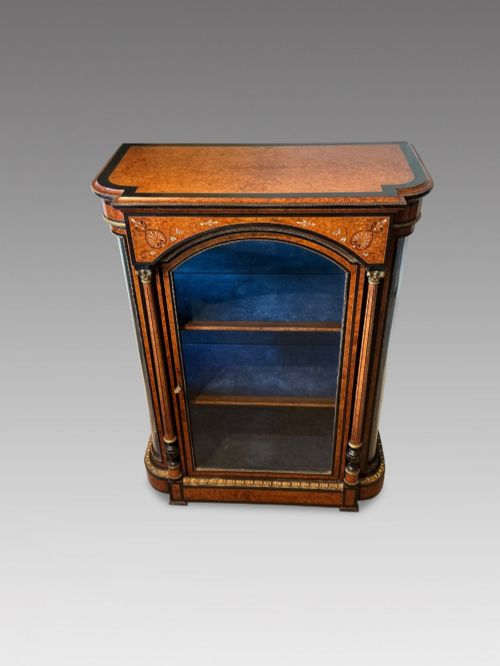
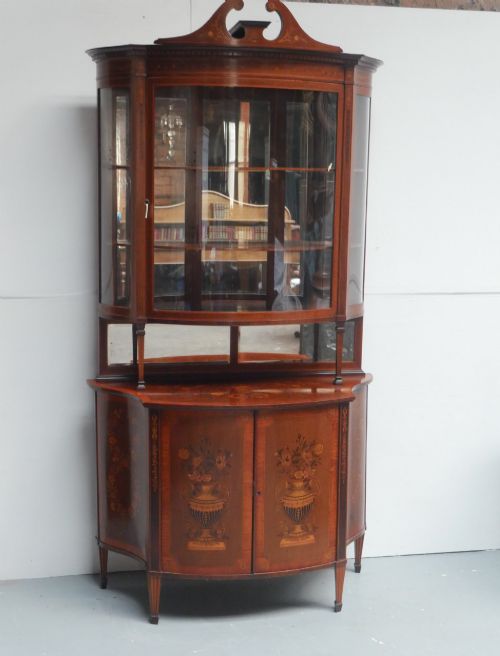
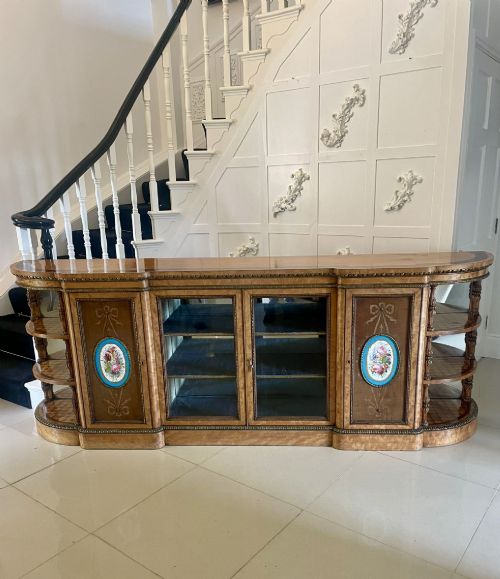
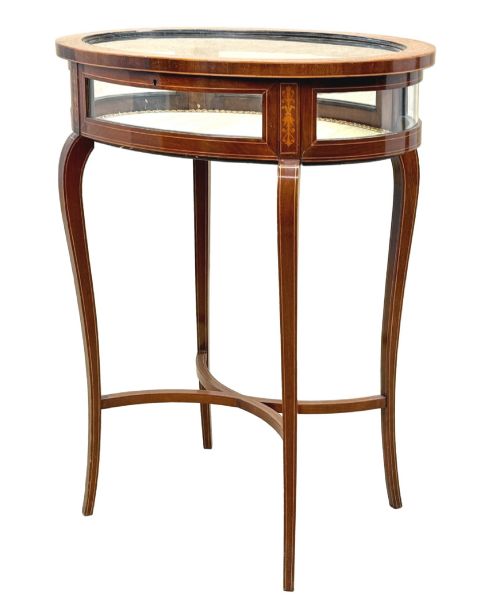
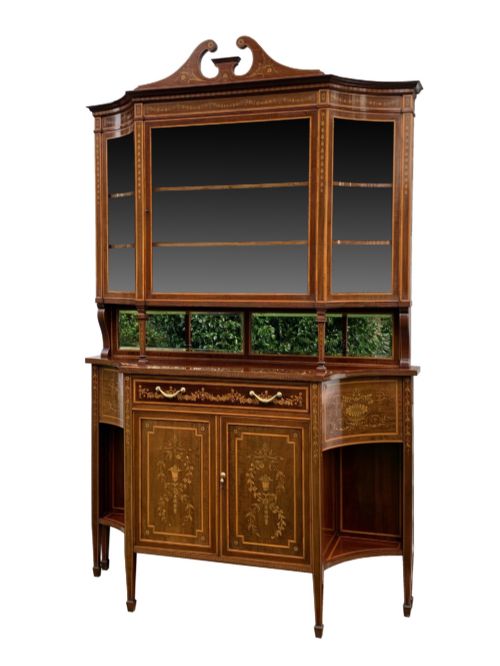
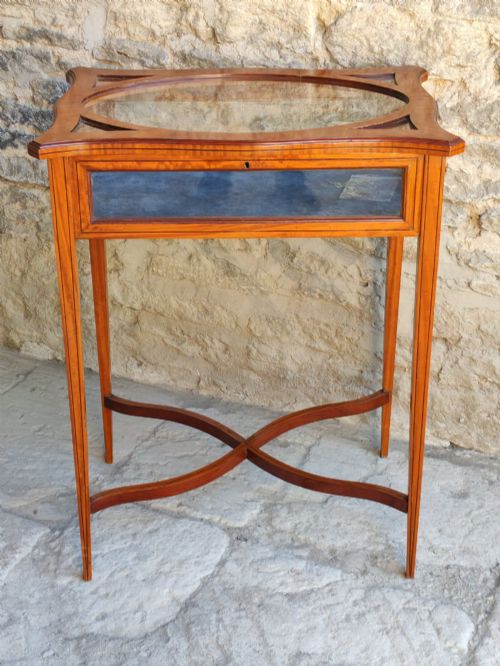
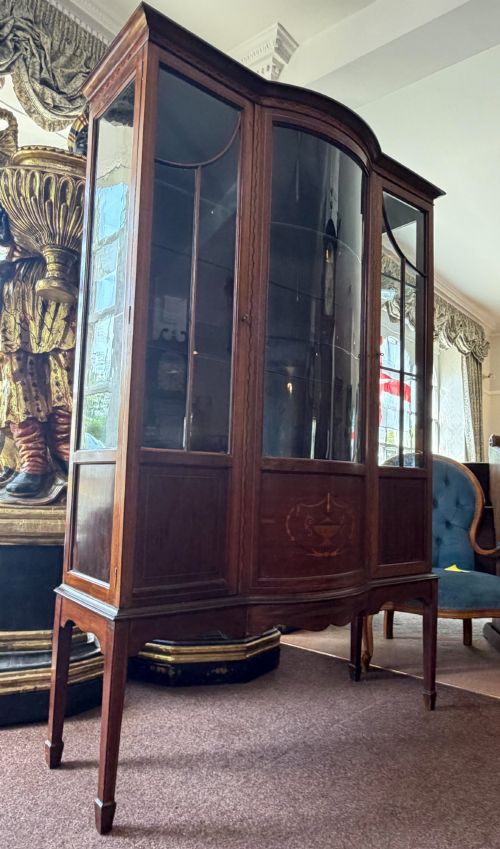
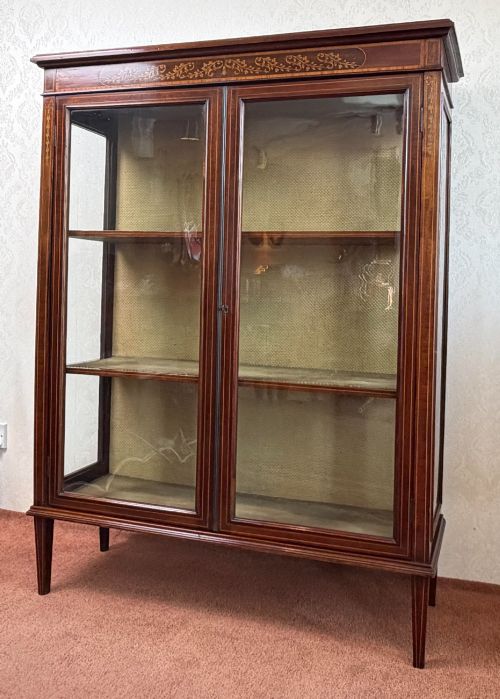
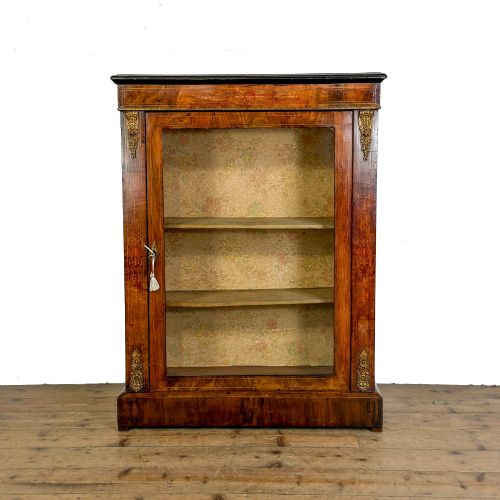
A victorian inlaid vitrine takes several specific cabinet forms designed for interior display, most frequently appearing as freestanding display cabinets, corner cabinets, pier cabinets, and low bijouterie tables. The pieces span the nineteenth century, with strong representation from the eighteen-eighties and eighteen-nineties alongside earlier mid-century examples.
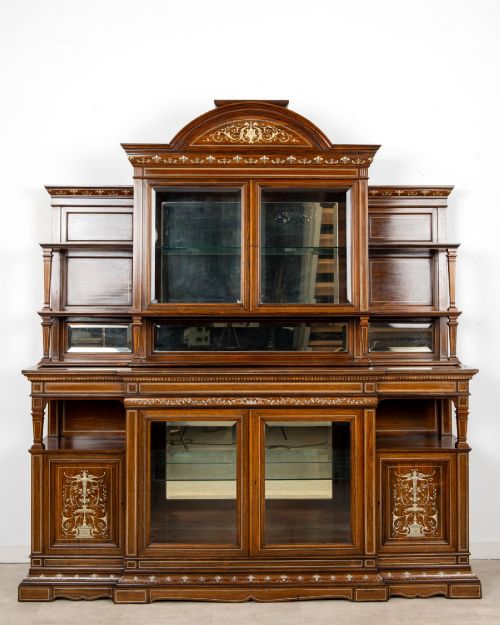
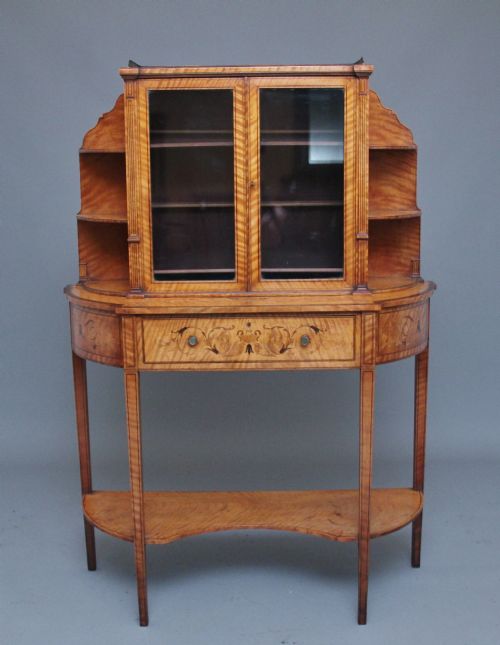
Makers utilised various regional revival styles and aesthetic movements, producing Sheraton revival satinwood pieces, Dutch baroque revival cabinets, and ebonised designs alongside standard Victorian formats. Buyers encounter both single-door pier cabinets and larger breakfront credenzas equipped with glass panels for viewing collections.
Materials and Technique
Cabinetmakers constructed carcass frames using mahogany, walnut, rosewood, and satinwood, applying fruitwood marquetry and delicate inlay across doors, friezes, and panels. Glazed doors and sides permit light into the interior shelves, while brass, ormolu, and gilt bronze mounts accent key structural junctions.
Surfaces receive polish that highlights the grain of figured timber, contrasting darker woods with lighter satinwood stringing and floral or scroll motifs. Interior compartments frequently incorporate mirrored backs or fabric linings suited to framing porcelain and small objects.
Some nineteenth-century display tables feature hinged glass lids that allow owners to rearrange their miniature curiosities without opening side doors.
Distinctions in Standard
The refinement of the marquetry and inlay work separates standard production from exceptional pieces, visible in the precision of the fruitwood cutting and the complexity of the botanical or scroll patterns. Timbers selected for cabinet carcasses show greater figure and depth in better examples, particularly in figured walnut and bright satinwood.
The integration of cast bronze or ormolu mounts and the weight of the glazing bars indicate the level of craftsmanship invested in the construction. Pieces bearing attribution to known cabinet-making firms display superior joinery and more cohesive stylistic execution across secondary woods.
Collinson and Lock·Edwards and Roberts
The Victorian Inlaid Vitrine Glossary
- Vitrine
- A glass-fronted cabinet designed for the display of curiosities and small decorative objects. These glazed display pieces became central to nineteenth-century drawing rooms.
- Marquetry
- Decorative veneer work arranged in pictorial or geometric patterns using various coloured woods. Craftsmen cut thin slices of timber to form floral, scroll, or architectural motifs.
- Pier cabinet
- A narrow cabinet specifically built to occupy the wall space between windows. Such upright furniture pieces often feature single glazed doors and inlaid top surfaces.
- Bijouterie table
- A glass-topped display table intended for holding jewellery and miniature ornaments. These pieces raise delicate items to eye level on slender legs.
- Ormolu
- Gilded bronze mounts applied to furniture for decorative enrichment. These metallic elements frame glass panels and highlight architectural corners.
Victorian Inlaid Vitrine: Frequently Asked Questions
What is a vitrine?
A vitrine is a glazed cabinet built specifically for exhibiting decorative objects, porcelain, and small collections within a room.
These pieces use glass panels on doors and sides to maximise visibility while protecting items from dust.
How do pier cabinets differ?
Pier cabinets are narrow display units originally built to stand against the narrow wall spaces between windows.
Their compact proportions distinguish them from broader credenzas and large breakfront display cabinets.
Where were vitrines placed?
Victorian households positioned these display cabinets in drawing rooms and reception spaces where guests could view collections.
Corner cabinets and low bijouterie tables served similar display functions in smaller domestic layouts.
What woods were used?
Cabinetmakers employed mahogany, walnut, rosewood, and satinwood as primary cabinet timbers for these glazed furniture forms.
Fruitwoods and lighter veneers provided contrast for the delicate marquetry inlay work.