
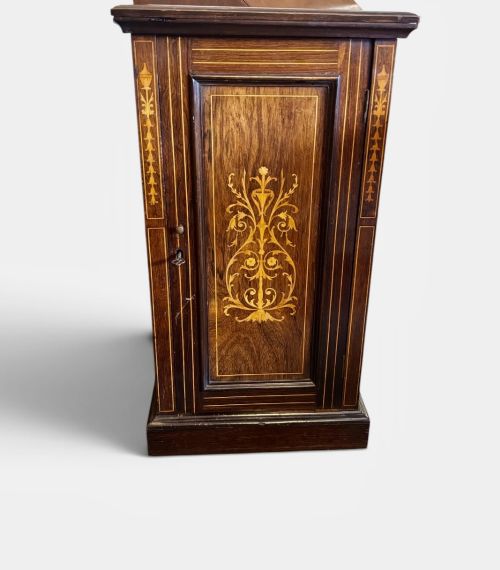
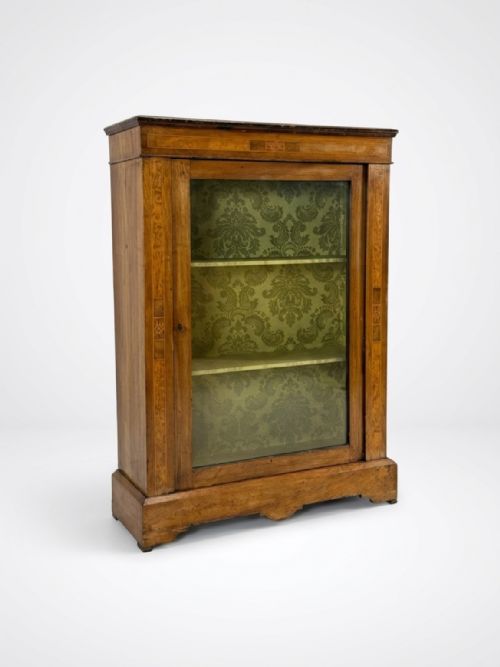
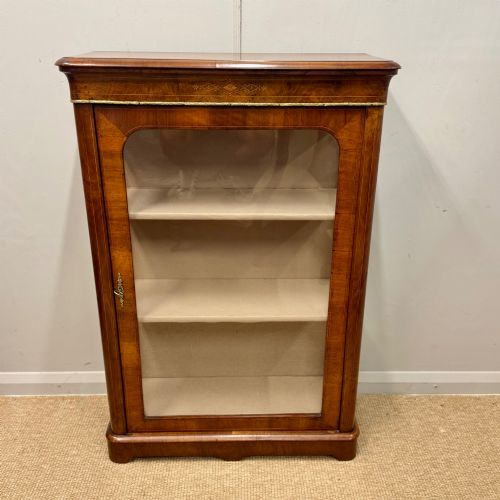
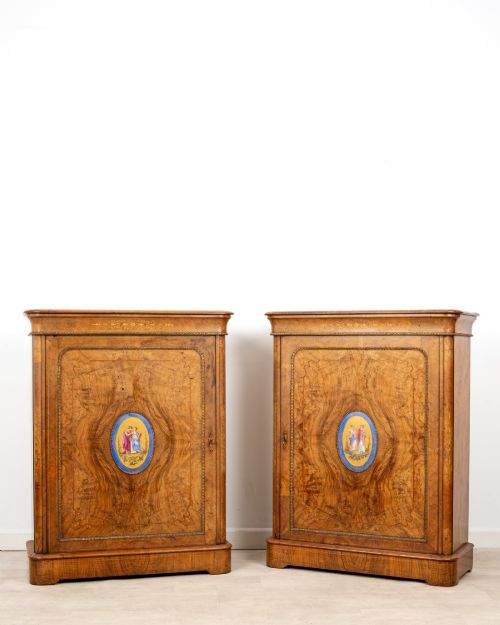
Victorian Inlaid Pier Cabinet
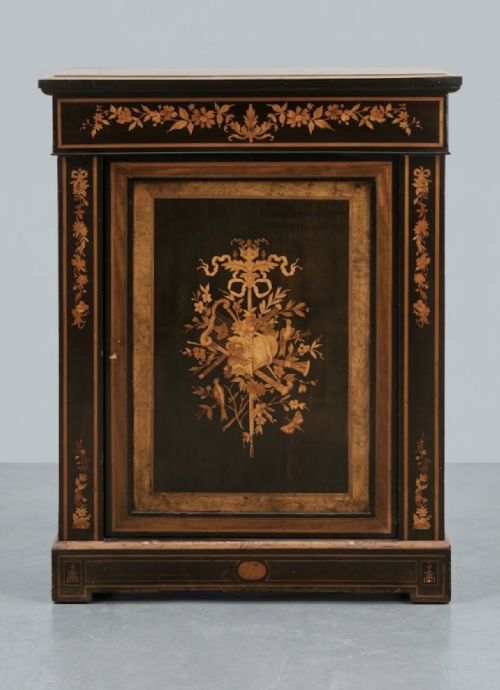
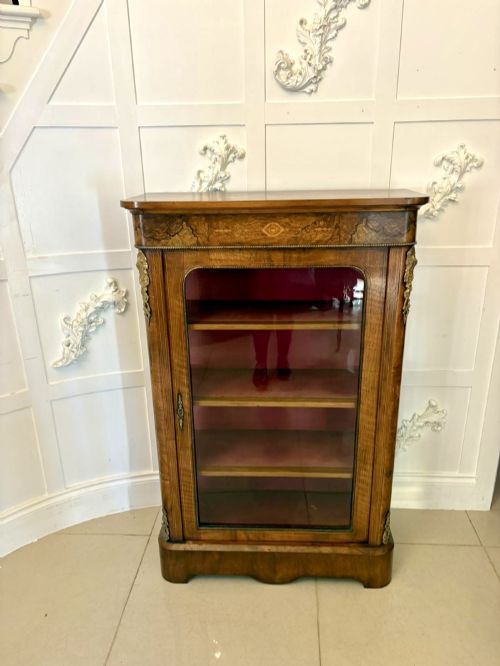
A victorian inlaid pier cabinet stands as a refined display vessel, built to showcase precious objects along the principal drawing room walls of nineteenth-century homes.
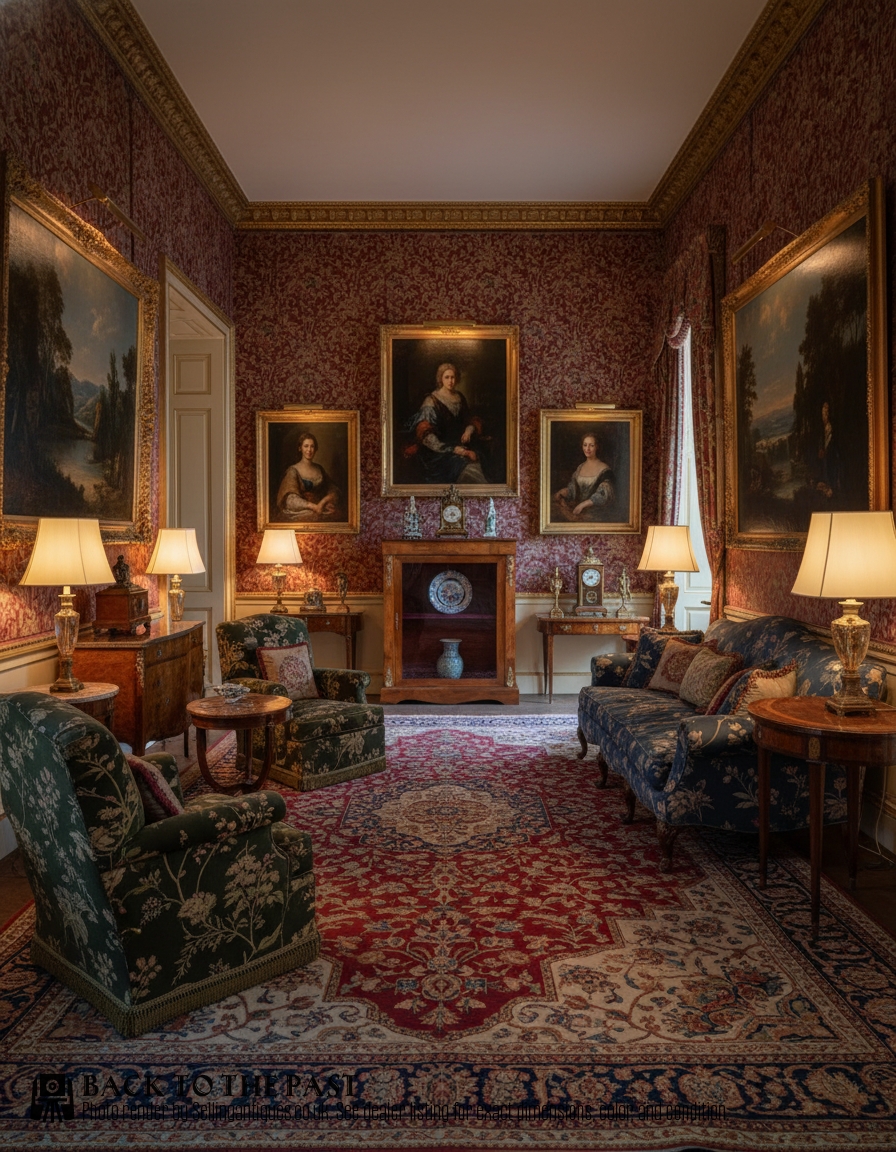
Victorian Inlaid Pier Cabinet
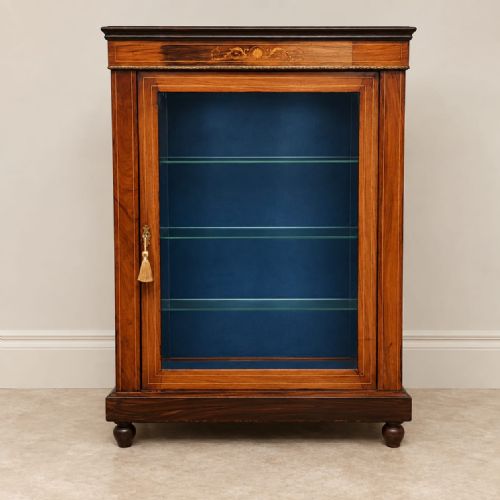
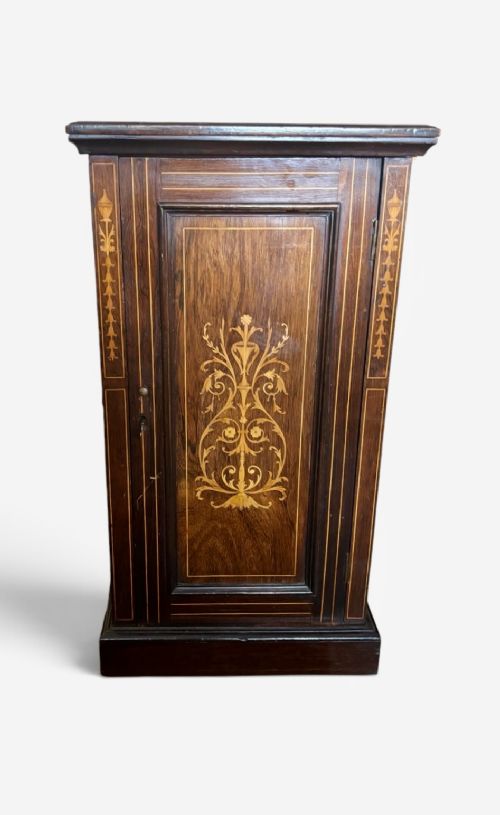
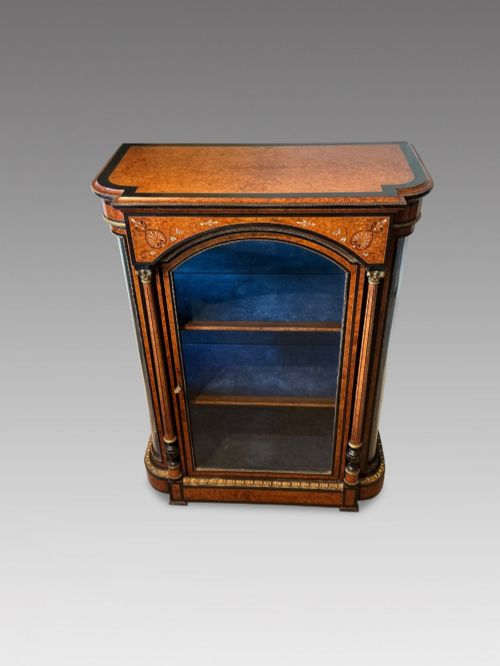
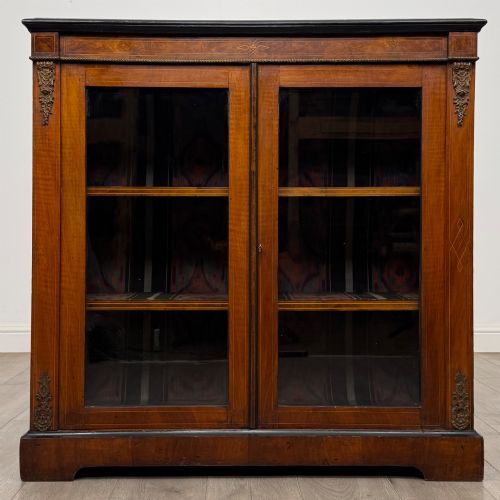
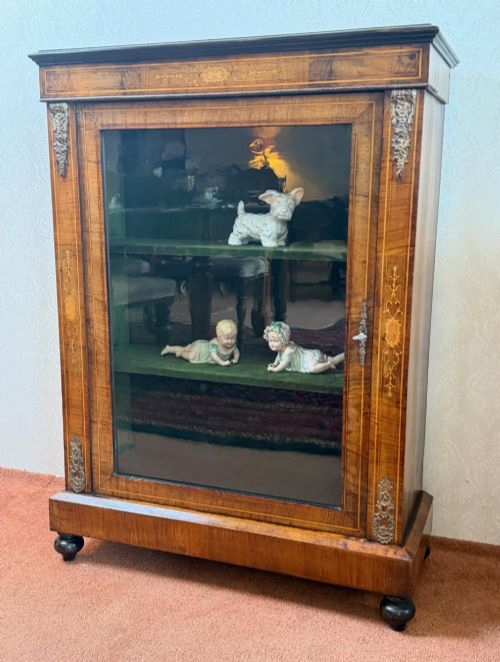
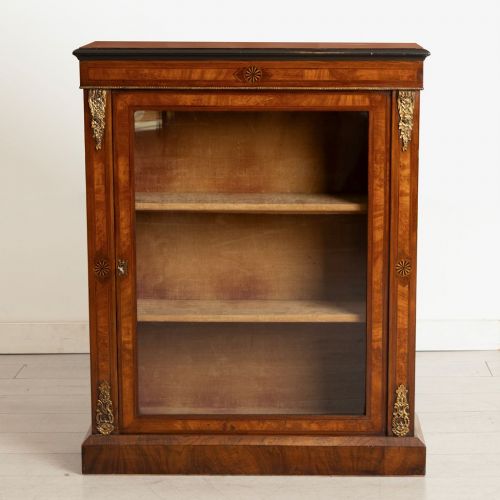
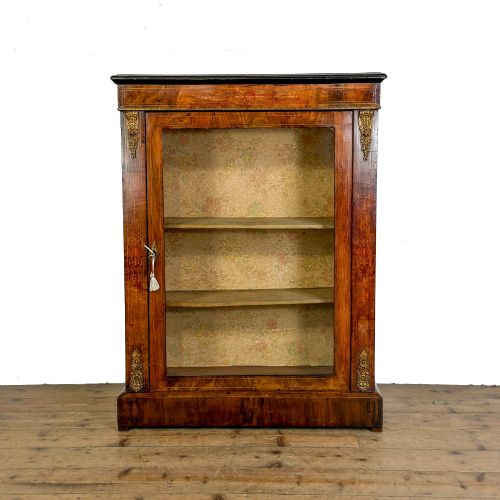
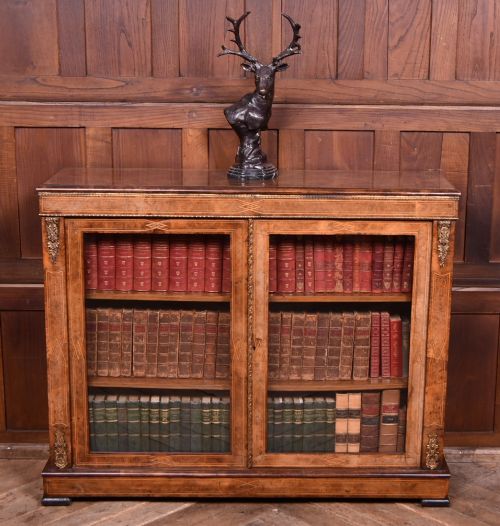
A victorian inlaid pier cabinet is typically a narrow, upright display case designed specifically to sit against the narrow pier of wall between two windows. These cabinets feature glazed single doors protecting velvet-lined interiors intended for the presentation of porcelain and small ornaments.
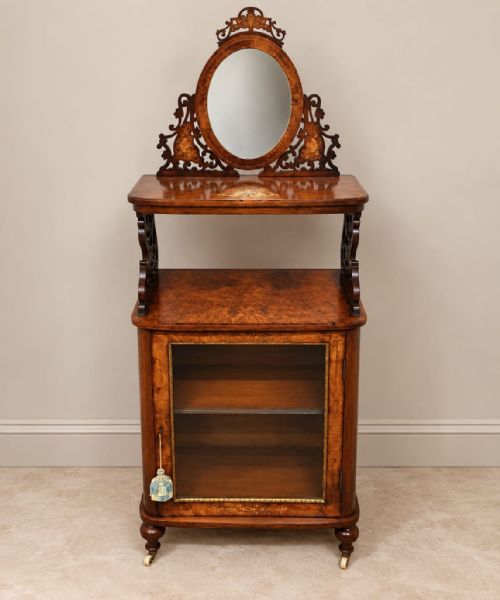
The prevailing form on this page uses figured burr walnut veneers enriched with marquetry floral details, alongside occasional examples in ebonised wood or rosewood. Makers constructed these pieces to balance formal elegance with practical display within nineteenth-century reception rooms.
How they were made
Cabinet makers utilised dense timber veneers such as burr walnut, rosewood, and satinwood laid over sturdy secondary carcases, often highlighting the facades with contrasting boxwood and ebony marquetry. Ormolu mounts and cast brass details frame the glazed doors and corners to provide structural accent.
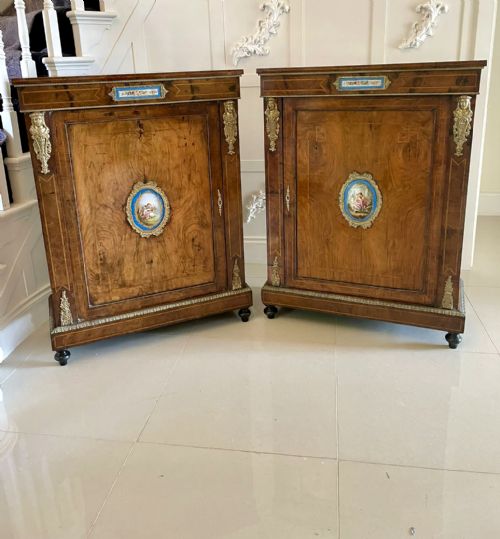
Internal shelving sits behind glass panels, while plinths and glazed perimeters receive careful polishing to emphasise the natural grain of the timber. Selected examples incorporate ceramic plaques or delicate tortoiseshell and brass boullework into the outer surfaces.
What varies in quality
The distinction between standard examples and superior pieces rests upon the selection of timber and the precision of the marquetry. Finer cabinets display highly figured burr walnut veneers paired with crisp, well-cast ormolu mounts rather than plain timber and simpler brass stringing.
Proportion and execution dictate value, where taller or narrow proportions with intact velvet linings, matching pairs, and undamaged porcelain plaques represent the highest tier of nineteenth-century cabinet making.
The Victorian Inlaid Pier Cabinet Glossary
- Pier cabinet
- A narrow display cabinet designed to occupy the wall space between windows. These pieces characteristically feature single glazed doors and flat backs.
- Marquetry
- Decorative inlay work using various wood veneers to create pictorial or floral patterns. Craftsmen carefully cut these contrasting elements to fit flush across the cabinet door.
- Ormolu
- Gilded bronze mounts applied to furniture for decorative enrichment. This technique provides metallic contrast against dark woods like walnut and ebonised finishes.
- Burr walnut
- A highly figured timber taken from the growth excrescences of walnut trees. The resulting swirl patterns form the primary decorative surface on many high-grade Victorian pieces.
- Ebonised wood
- Timber treated with a dark stain or finish to imitate ebony. This process became widely popular during the nineteenth century for French Revival furniture styles.
Victorian Inlaid Pier Cabinet: Frequently Asked Questions
Where did these cabinets stand?
These cabinets were designed to occupy the narrow wall spaces between tall drawing room windows, known as piers.
Positioning them in these locations allowed natural light to illuminate the collections displayed behind the glass doors.
What objects went inside?
Owners used these glazed cases to display fine ceramics, decorative porcelain plaques, and small treasured ornaments.
The enclosed velvet-lined shelving protected delicate cabinet specimens from dust and accidental handling.
How do I identify a Victorian piece?
Examination of the internal construction, timber veneers, and secondary framing timbers reveals the period of manufacture.
Nineteenth-century examples commonly utilise walnut and rosewood combined with hand-cut marquetry and traditional cast brass mounts.
Are pairs common?
Matched pairs appear frequently within nineteenth-century production to balance the symmetrical architectural layouts of grand reception rooms.
Finding surviving pairs with identical timber grain and original mounts remains a notable feature of the archive.