
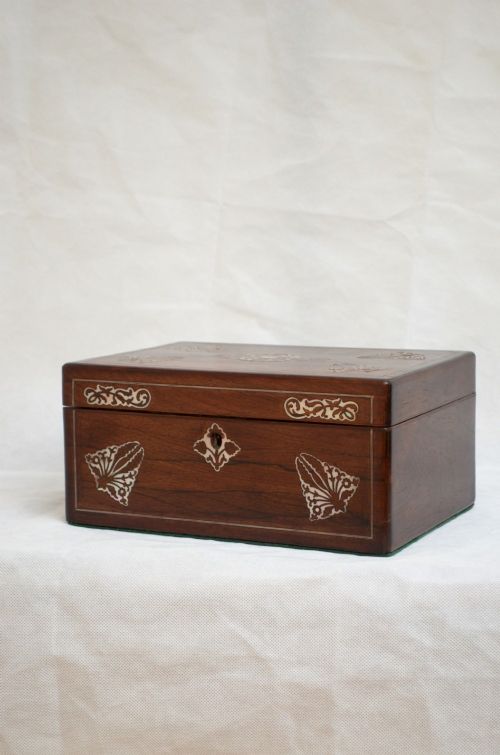


Victorian Inlaid Keepsake Box
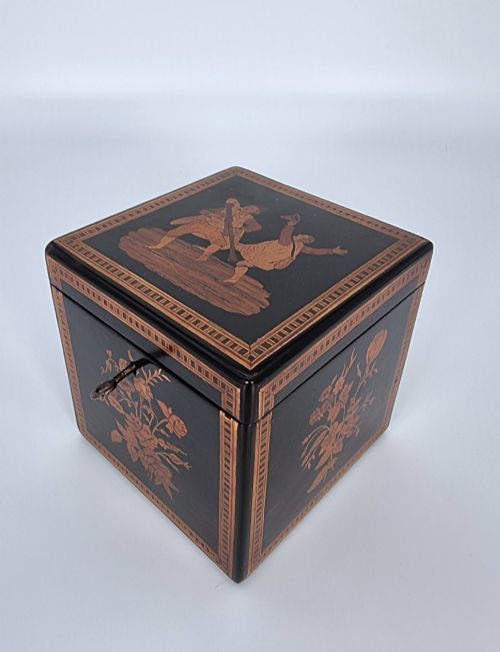
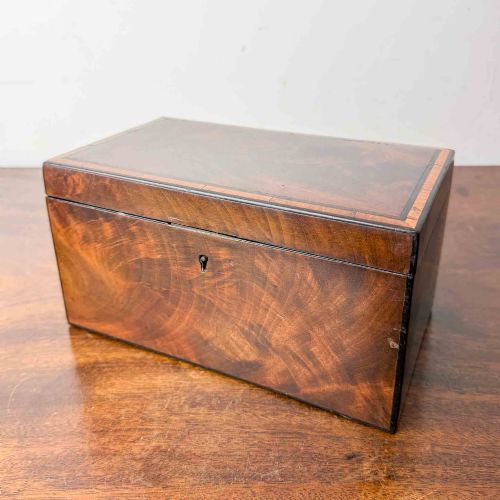
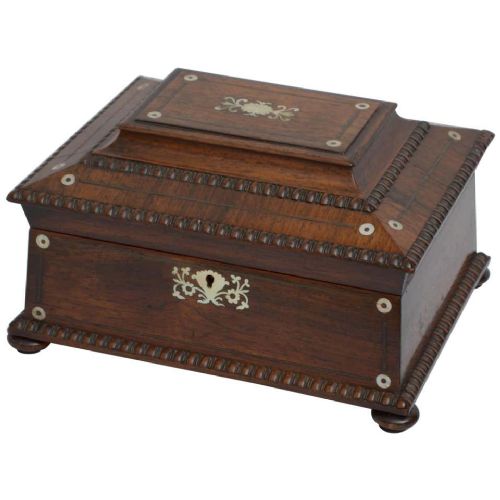
A victorian inlaid keepsake box is a small timber chest designed to hold letters, trinkets or jewels, enriched with contrasting woods and mother of pearl.
Victorian Inlaid Keepsake Box
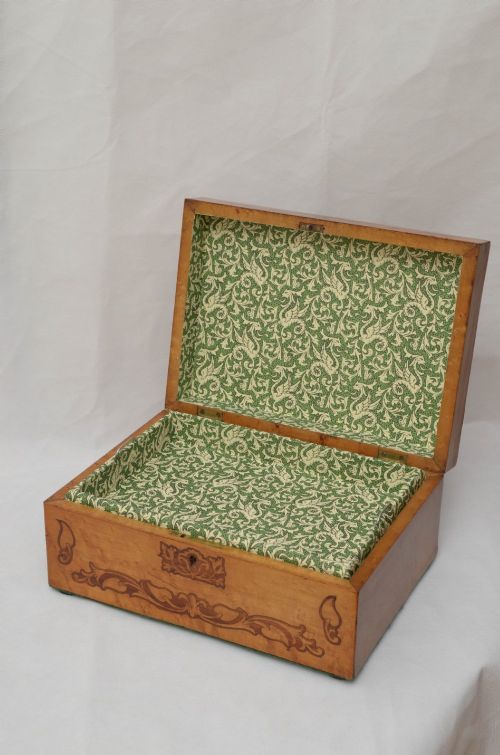
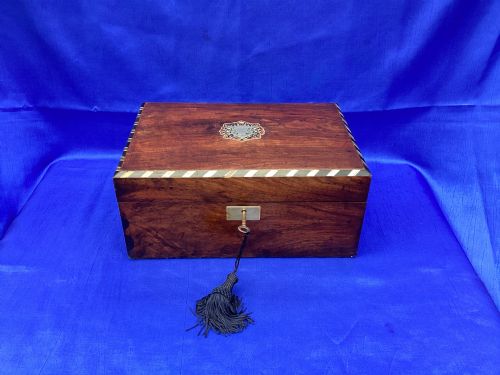
Most examples date from the Victorian period and the wider nineteenth century, utilising dark domestic and exotic timbers like burr walnut, mahogany and rosewood. These containers often arrive with compartmentalised trays, mirrors or silk linings designed for daily use on a dressing table.
Origin points vary from English workshops to continental centres such as Italy and France, bringing distinct decorative traditions to the market. Pieces include book-shaped olive caskets, Sorrento marquetry boxes and intricate mosaic designs that reflect specific regional craft skills.
Materials and construction
Constructed primarily from solid or veneered timber carcasses, these containers rely on dense foundational woods like rosewood, walnut and sycamore. Artisans applied contrasting veneers of boxwood, tulipwood and ebony to create intricate geometric patterns and figurative scenes.
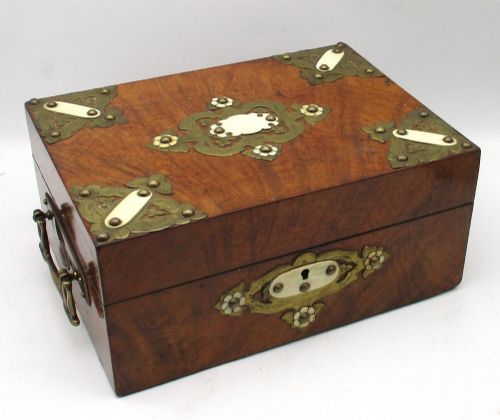
Inlay techniques incorporate diverse elements such as shimmering mother of pearl, brass stringing and minute mosaic tesserae in regional styles like Tunbridge Ware and Sorrento work. Interiors are lined with paper, velvet or silk, often featuring fitted trays and compartments.
Porcupine quill boxes from Ceylonese workshops bring unexpected spiky texture to the usual smooth timber lineup.
Quality and execution
The standard of a victorian inlaid keepsake box rests upon the precision of the timber fitting and the complexity of the surface decoration. Superior examples display seamless flush veneers and tightly registered geometric or pictorial mosaics without visible gaps.
Internal fittings dictate execution levels, with top-tier pieces offering multi-tiered lifting trays, secret drawers and intact original silk or velvet linings. The crispness of the brass hardware and the stability of the box carcass further separate standard production items from master workshop pieces.
Edmund Nye·Henry Hollamby
The Victorian Inlaid Keepsake Box Glossary
- Tunbridge Ware
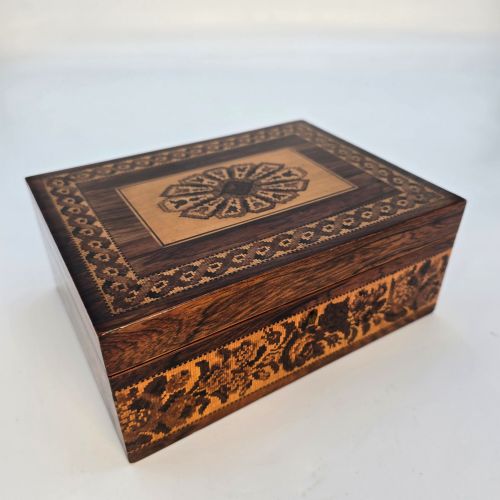
- A form of woodwork originating in Kent involving minute mosaic tiles assembled from natural woods to picture flora and buildings. This technique creates detailed pictorial lids on small rosewood and sycamore boxes.
- Marquetry
- The art of applying decorative pieces of veneer to a structural structure to form intricate patterns and pictures. Makers utilised contrasting timbers to achieve varied tones.
- Sorrento Ware
- Decorative woodwork from Italy featuring detailed inlaid marquetry scenes of buildings and figures. These items frequently utilise olive wood.
- Boulle
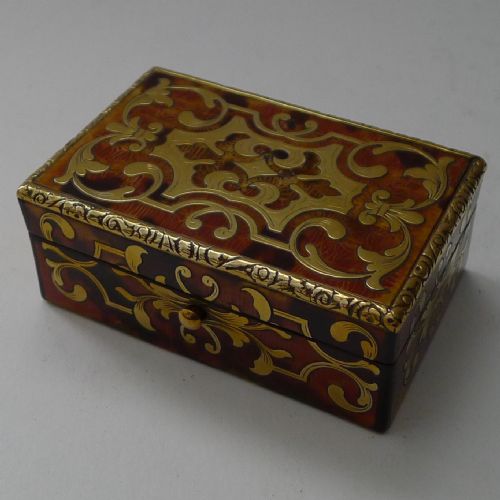
- A style of marquetry using brass and tortoiseshell inlaid into furniture and smaller caskets. Pieces showing this method date to the later Victorian era.
- Parquetry
- Geometric mosaic woodwork arranged in repeating patterns such as cubes and stripes across a lid or panel. This method provides structured surface texture to plain walnut foundations.
Victorian Inlaid Keepsake Box: Frequently Asked Questions
What were keepsake boxes used for originally?
Victorian households utilised these timber containers to secure private correspondence, ribbons, calling cards and precious trinkets. They sat prominently on drawing room tables or dressing chests as both decorative and practical objects.
Inside, compartments and lift-out trays helped organise small items, while locks kept personal contents private from servants and visitors.
How can I date a wooden keepsake box?
Dating relies on observing timber choices, construction methods and stylistic markers recorded across nineteenth-century examples. Rosewood and burr walnut dominate mid-Victorian pieces, while specific decorative methods like Tunbridge Ware point to particular decades.
Secondary woods inside the carcass and the style of brass hinges or locks offer additional clues to the manufacturing period.
Are the interiors usually original?
Many surviving examples feature either original paper linings or professionally restored silk and velvet interiors. The presence of fitted compartments with mirrors generally indicates a higher quality dressing or jewellery box.
Buyers encounter both untouched period linings and refreshed interiors designed to make historical pieces usable today.
How do I care for inlaid wooden boxes?
Preserving these pieces requires keeping them away from direct sunlight and extreme humidity fluctuations to protect fragile veneers and mother of pearl. Regular dusting with a dry cloth maintains the polished timber surface.
Avoid applying modern liquid furniture polishes, which can seep into microscopic cracks in the marquetry and damage historic finishes.