

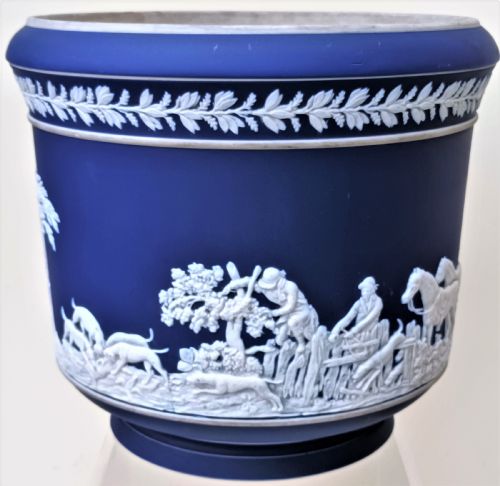


Victorian Hunting Scene
A victorian hunting scene captures the drama of rural pursuits through painted canvases, carved wood, and chased silver.
Victorian Hunting Scene
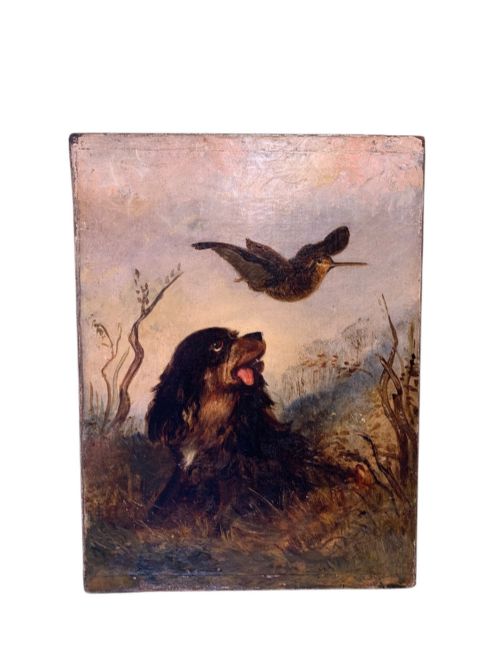
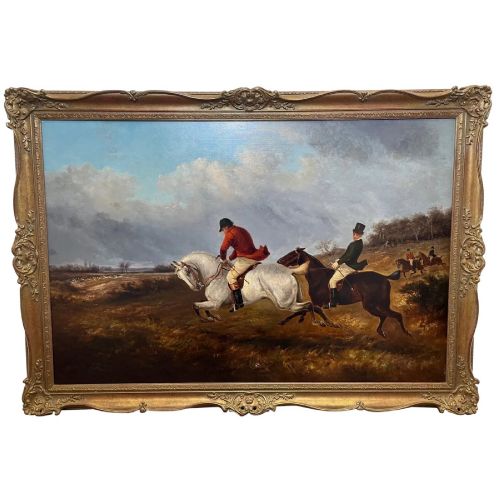
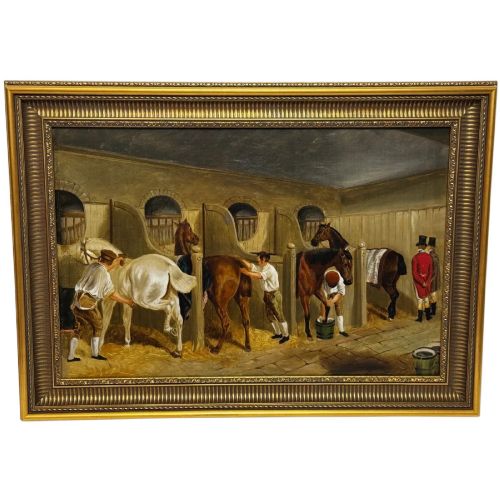
A buyer seeking a victorian hunting scene encounters a rich array of objects spanning oil paintings, carved panels, ceramics, and silver. These works depict hounds, horses, huntsmen, and game across landscapes shaped by nineteenth-century sporting traditions.
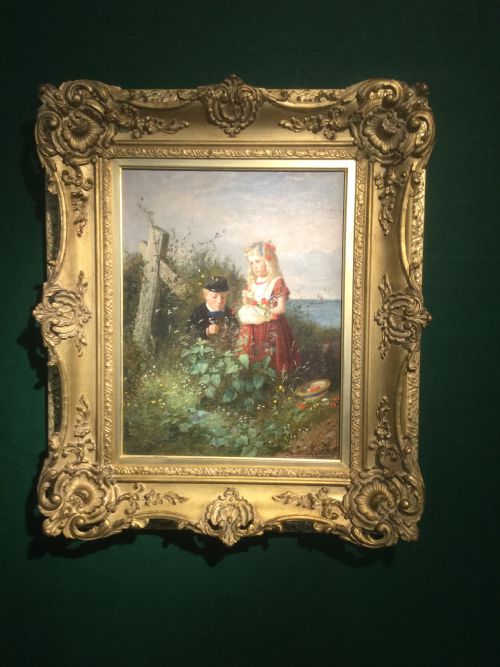
Oil paintings dominate the selection, often rendered on canvas or board by notable painters of equestrian and animal subjects. Alongside these flat works, buyers find decorative stoneware, glassware, cast brass, and silver containers adorned with chased or engraved field motifs.
The objects originate primarily from British and European workshops of the nineteenth and early twentieth centuries. Whether mounted in gilt frames or shaped into household vessels, each piece preserves a distinct record of period sporting culture.
Materials and Technique
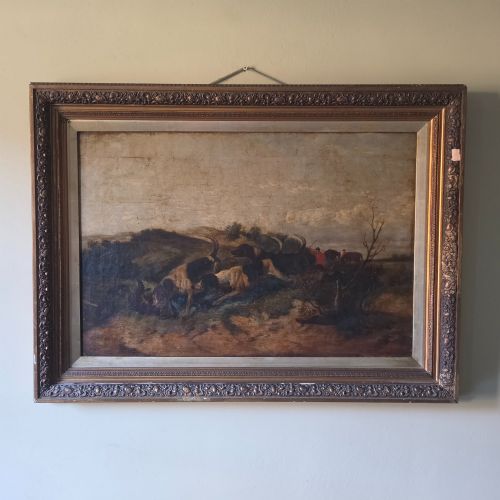
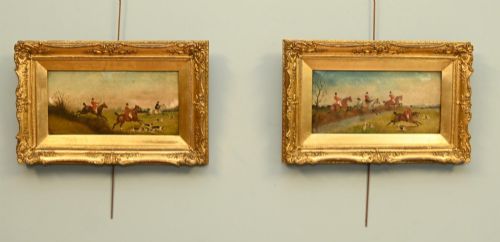
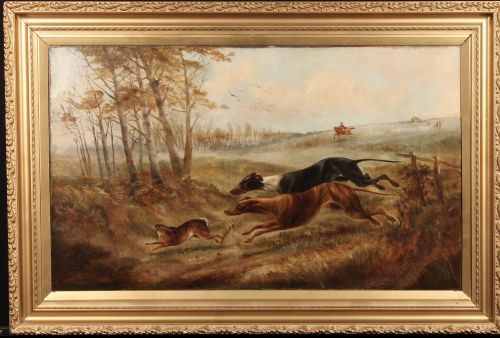
Makers utilised oil on canvas and board to build detailed compositions of hounds and horses in motion. These pigments capture the textures of animal coats and the damp atmosphere of rural landscapes.
Craftsmen also worked in metal, glass, and stoneware, employing chasing, engraving, and hand-painted enamels to render intricate figures. Carved wood panels utilise deep relief work to achieve dimension and shadow in forest vignettes.
Listings feature oil paintings, sterling silver vessels, stoneware, and carved wood panels spanning the nineteenth and early twentieth centuries.
Gradations of Excellence
Quality rests upon the artist's ability to render anatomical precision in animals and naturalism in the surrounding landscape. Superior works display confident brushwork or crisp metal chasing that conveys tension and energy without stiffness.
The integrity of the framing, the clarity of the enamel work, and the depth of wood carving further distinguish finer examples from standard decorative pieces. Original condition and clear signatures from recognised painters elevate the standing of an individual work.
George Armfield·Thomas Smythe·Edgar Hunt·William Adams And Sons·John Arthur Lomax·Charles Faulkner·John Frederick Herring Jnr·Heywood Hardy·George Goodwin Kilburne·Sir Edwin Henry Landseer·Edward Smith·Alfred Taylor
The Victorian Hunting Scene Glossary
- Jasper ware
- A fine-grained, unglazed stoneware developed in the eighteenth century and continued through the Victorian period, famous for its contrasting white relief figures against a coloured ground. This ceramic technique appears frequently on nineteenth-century jardinieres and tableware.
- Sporting art
- A genre of painting and illustration dedicated to depicting rural pastimes, including horse racing, shooting, and hunting. Works in this category emphasise accurate portrayals of dogs, horses, and topography.
- Giltwood
- Wood that has been coated with a thin layer of gold leaf or gilt powder for decorative effect. Many nineteenth-century paintings in this category feature ornate giltwood frames.
- Transferware
- Pottery decorated by applying a printed design from an engraved copper plate onto the ceramic body. Pieces utilising this method often feature repeating rural or sporting motifs around the interior rim.
- Pratt ware
- Earthenware produced by Staffordshire potteries, typically characterised by multi-coloured underglaze printing. These items often take the form of jars, pot lids, and spill holders depicting pastoral subjects.
Victorian Hunting Scene: Frequently Asked Questions
What subjects appear in these scenes?
Paintings and decorative objects typically feature mounted riders, packs of hounds, galloping horses, and rural game such as foxes, stags, and hares. Artists placed these figures within expansive countryside vistas or dense woodlands.
Some domestic items also incorporate human figures, including huntsmen in top hats, stable staff, and farmers engaged in rural labour.
How were silver items decorated?
Silversmiths utilised hand-engraving, embossing, and chasing techniques to adorn items such as trinket pots, card cases, and tankards with dynamic rural pursuits. These methods raised the figures of hounds and riders from the metal surface in sharp relief.
Makers often integrated floral or scroll borders around the central panel to frame the action.
Where do these pieces fit in a room?
Framed oil paintings and engravings suit traditional study walls, hallways, or living spaces with period decor. Smaller decorative objects like ceramic mustard pots, glass vases, and silver card cases sit well on mantelpieces, side tables, or within display cabinets.
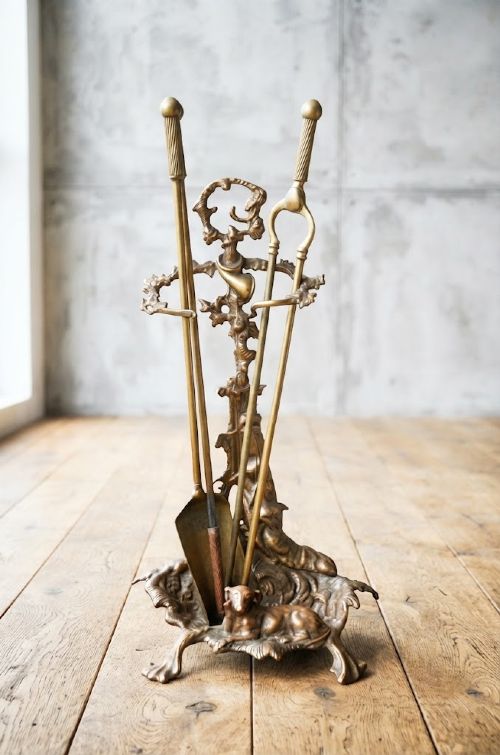
Larger items such as brass umbrella stands and carved oak panels serve functional and decorative roles in entrance halls.
How can I tell the period?
Dating relies on stylistic markers, framing materials, and specific manufacturing techniques associated with the nineteenth and early twentieth centuries. Signed works often correspond to recorded birth and death dates of painters active during the Victorian and Edwardian eras.
Ceramics and silver frequently bear registration marks, date letters, or maker stamps that narrow the production window.