





Victorian Horology Wall Clock
These nineteenth-century timepieces combine domestic utility with precise mechanics, offering a reliable focal point for any room.
Victorian Horology Wall Clock
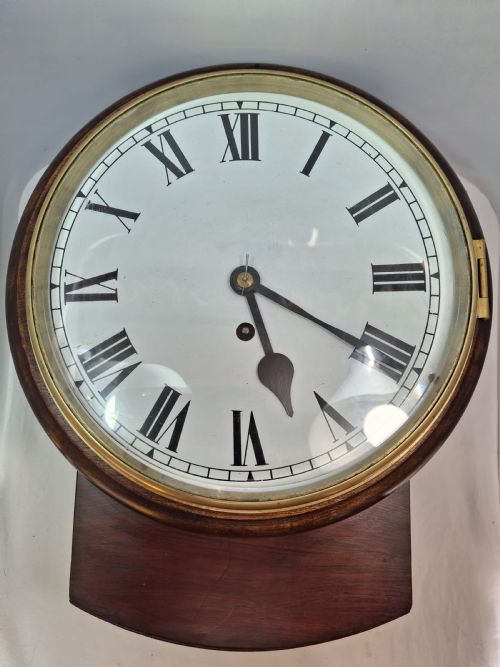
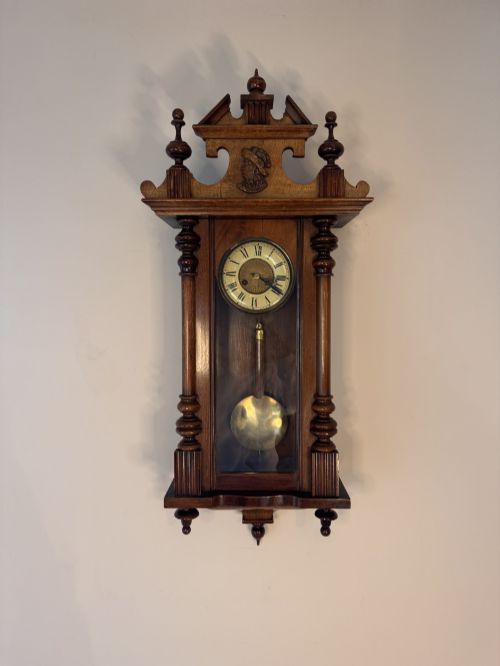
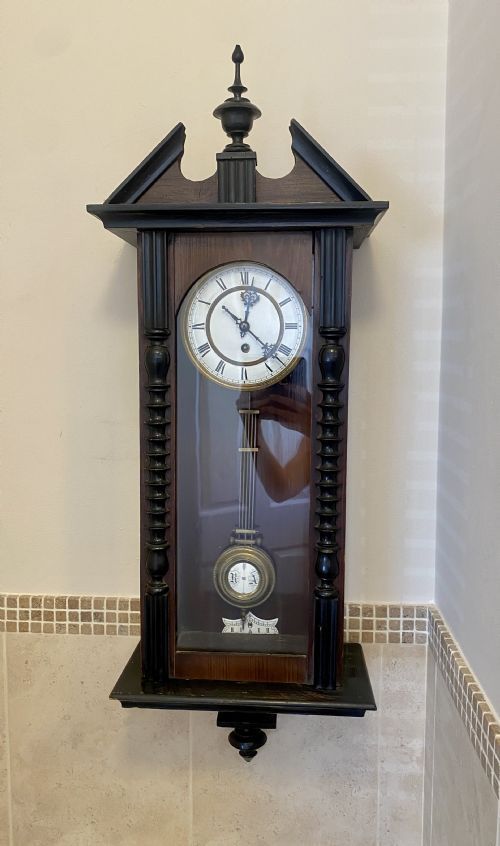
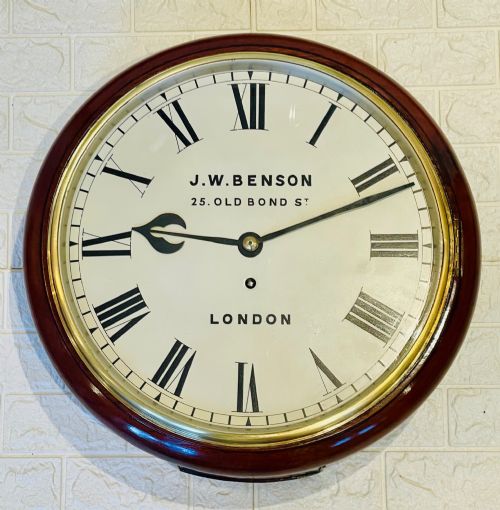
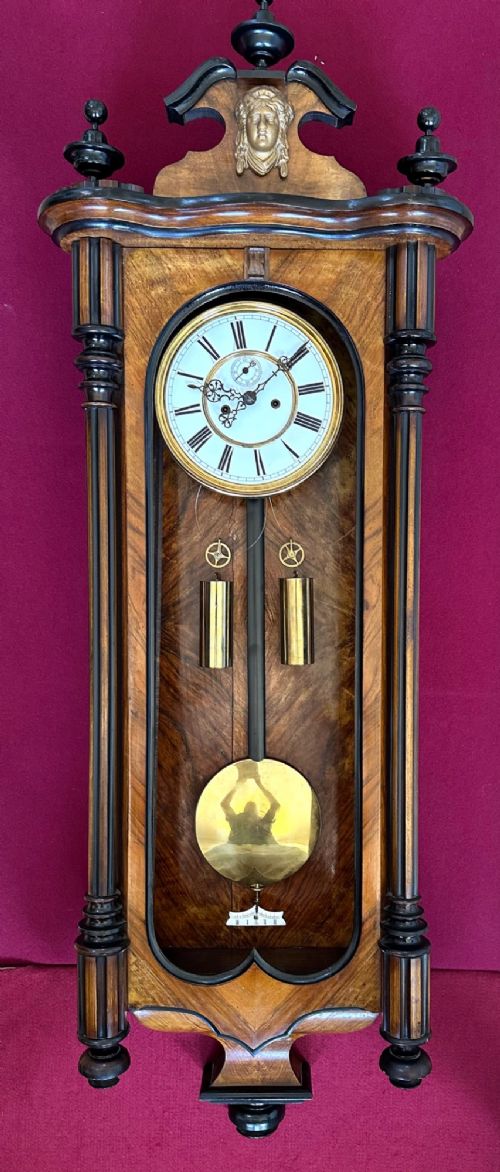
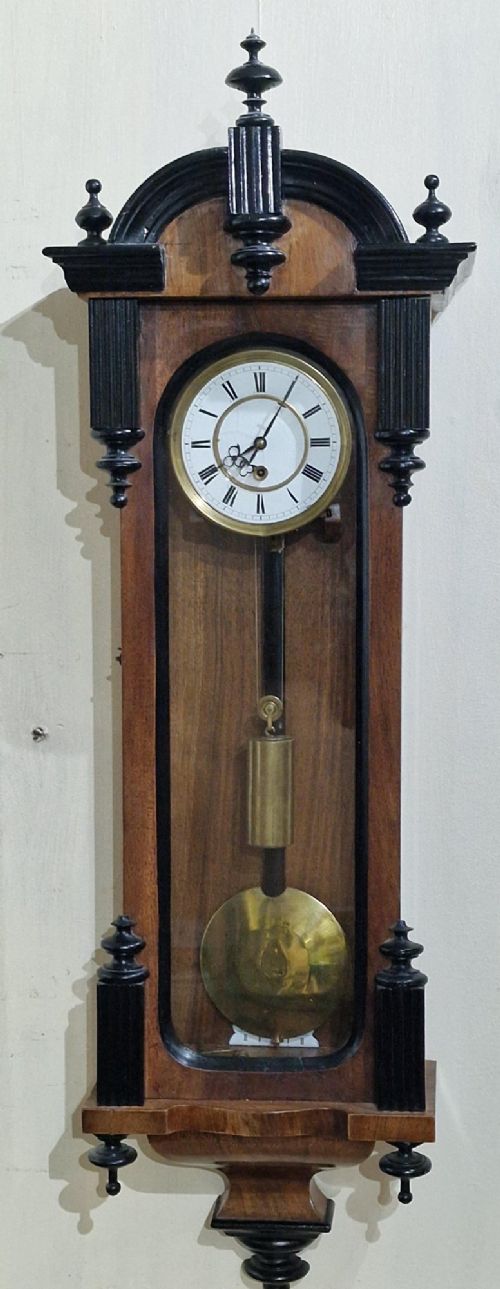
A victorian horology wall clock brings nineteenth-century engineering directly into domestic spaces, appearing in forms ranging from simple round dial office clocks to elaborate architectural Vienna regulators. Buyers searching for a victorian horology wall clock will encounter striking mechanisms, fusee movements, and weight-driven systems housed in various wooden cases.
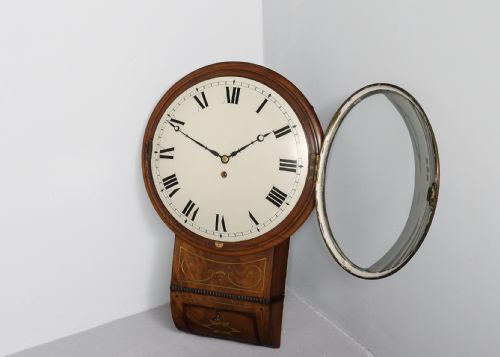
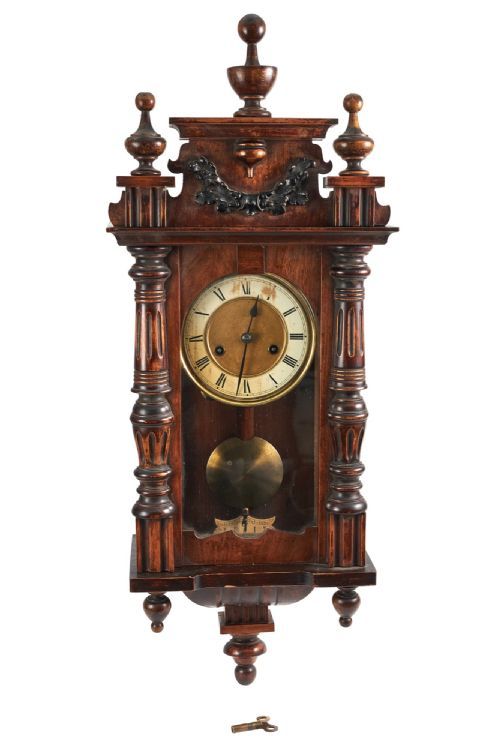
The pieces on this page span the Victorian era alongside related nineteenth-century examples, including railway clocks, drop-dial designs, and maritime bulkhead timepieces. Walnut, mahogany, and rosewood frequently form the chassis, while brass and enamel highlight the dials and internal weights.
How They Were Made
Cases utilise solid timbers such as mahogany, walnut, oak, and rosewood, often enhanced with brass inlay or carved details around the bezel and trunk. Dial faces combine painted wood, brass, or convex glass set within sturdy wooden surrounds.
Movements rely on fusee mechanisms or weight-driven systems, designed to maintain even tension and precise timekeeping throughout the duration of the eight-day or thirty-hour run.
Victorian Horology Wall Clock Retail Price Guide 2026
Typical asking prices for victorian horology wall clock among the pieces listed under this phrase on Sellingantiques today, from the lower quarter to the upper quarter. They describe what is for sale here now, not the wider market.
Ships bulkhead clocks kept time through rolling seas while railway clocks watched over passengers rushing for the morning train.
What Varies in Quality
The standard of a victorian horology wall clock rests on the crispness of the movement and the integrity of the timber case, where original finishes and matching components distinguish finer examples. Dial legibility, clean hand-cutting, and precise weight-driven or fusee calibration separate standard utility timepieces from workshop-signed masterworks.
J W Benson·John Walker·Camerer Cuss·Gustav Becker·Dent of London
The Victorian Horology Wall Clock Glossary
- Fusee
- A conical pulley used in clock movements to maintain constant driving force as the mainspring unwinds. This mechanism ensures consistent timekeeping across the entire duration of the winding cycle.
- Regulator
- A precision pendulum clock designed to keep exceptionally accurate time, often featuring a long glazed case to observe the swing. These instruments frequently utilise deadbeat escapements.
- Drop-dial
- A clock case featuring a circular dial mounted above an extended wooden box that houses the pendulum. This form became standard for office, station, and school timepieces.
- Bulkhead clock
- A rugged timepiece designed for marine environments, typically secured directly to a ship wall. Brass bezels and heavy glass protect the mechanism from moisture.
Victorian Horology Wall Clock: Frequently Asked Questions
How do fusee wall clocks work?
A fusee movement uses a spiral-grooved cone to equalize the decreasing power of the mainspring as it unwinds. This keeps the driving force constant from full wind to empty.
Such systems demand precise workshop calibration and indicate a higher grade of nineteenth-century engineering, often found in railway and office timepieces.
Where were railway clocks displayed?
Railway clocks hung in stations, ticket offices, and administrative rooms to maintain strict timetables for passengers and staff. Their clear dials and robust movements ensured legibility in busy environments.
Many bear company initials or specific station numbers on the wooden case or painted dial face.
What is a Vienna regulator?
A Vienna regulator is a precision weight-driven clock developed in Austria, renowned for its elegant wooden case and visible pendulum swing. These pieces prioritize accurate timekeeping through meticulous gear cutting and long suspension springs.
Collectors prize them for their architectural walnut or mahogany cabinetry and double-weight mechanisms.
How do I wind an antique wall clock?
Winding requires inserting the appropriate key into the dial aperture and turning it steadily until resistance indicates full tension. Care must be taken not to overwind the spring or disturb the delicate pendulum suspension.
Most nineteenth-century movements require attention every eight days, though thirty-hour versions need daily winding.