


Victorian Hearth Rests
Victorian hearth rests are sturdy metal supports designed for the fireplace, offering both practical utility and period character for the hearth.
Victorian Hearth Rests
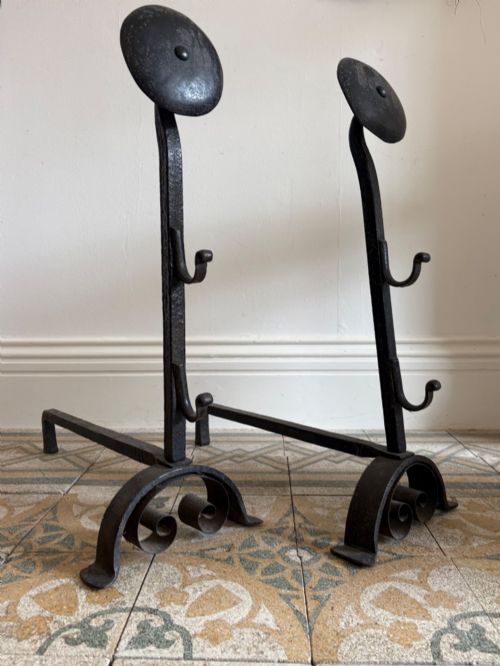
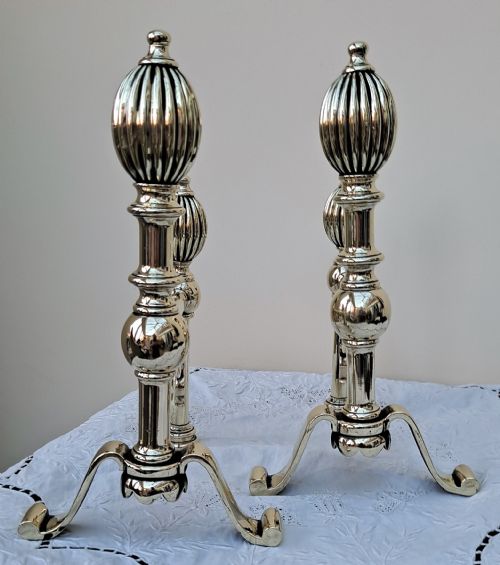
Victorian hearth rests encompass metal supports and companion pieces used around the nineteenth century fireplace. These items include brass and cast iron fire dogs, tool rests, and andirons designed to hold fire irons or support logs.
The pieces on this page span the Victorian period alongside Georgian and Edwardian examples. Buyers will frequently encounter matching pairs of brass fire dogs and tool rests produced during the nineteenth century.
Associated fireplace accessories such as fenders, trivets, and companion sets also appear within these listings. Material choices typically focus on heavy brass, cast iron, and steel built to withstand daily fireside use.
How they were made
Makers utilised brass casting and wrought iron techniques to shape metal components for the hearth. Brass sections were frequently polished to a bright finish, while iron elements provided structural weight and durability.
Details on these fireplace accessories often relied on hand-finishing and assembly by Victorian metalworkers. Surviving pieces demonstrate the joining of steel, bronze, and copper elements to create functional and decorative stands.
Certain brass fire dogs include integrated copper details, proving that nineteenth century ironmongers enjoyed mixing their metals.
What varies in quality
Quality in Victorian hearth rests depends upon the weight of the metal and the crispness of the casting. Substantial brass components and thick cast iron demonstrate superior durability compared to lighter alternatives.
The integrity of the design and the survival of original patination distinguish better examples. Pieces bearing maker attributions or complex stylistic details reflect higher standards of period metalwork.
James Cartland and Sons
The Victorian Hearth Rests Glossary
- Andirons
- Horizontal metal bars supported on legs, used to raise logs off the hearth floor to improve airflow. They often feature decorative brass fronts.
- Fender
- A low metal guard placed around the hearth to contain ash and embers. They are commonly fashioned from brass, steel, or iron.
- Tool rests
- Small stands or projections designed to hold fireplace pokers, tongs, and shovels beside the grate. They are frequently paired with fire dogs.
- Trivet
- A small three-legged stand used for holding kettles or pots near the fire. Georgian and Victorian examples are often made of brass.
Victorian Hearth Rests: Frequently Asked Questions
What are Victorian hearth rests used for?
These metal stands serve as supports for fire irons, keeping pokers and tongs organised beside the grate. They also provide decorative framing for the fireplace opening.
Heavier versions function as fire dogs to support fuel wood, while smaller stands hold tools or kettles.
How do I clean antique brass hearth rests?
Dust the metal surface regularly with a soft cloth to prevent soot accumulation. Avoid harsh chemical cleaners that strip the historic patination.
Gentle application of traditional metal polish helps maintain the bright appearance of brass components without damaging the underlying material.
Are these pieces made of solid brass?
Many Victorian hearth rests utilise solid cast brass for the primary decorative elements and uprights. Iron and steel are frequently integrated for internal structural parts that require extra strength.
Checking the weight and underside of the piece helps determine the specific combination of metals used in its construction.
Can I use these hearth rests with a modern fireplace?
Most pieces are built from durable nineteenth century metals designed to withstand high temperatures. They function effectively with both working open fires and decorative hearth settings.
Ensure the dimensions of the rests match the proportions of your fireplace surround before placement.