
Victorian Hat Rack
These Victorian hat rack pieces combine practical storage with robust 19th-century construction, offering an authentic period entrance solution.
Victorian Hat Rack
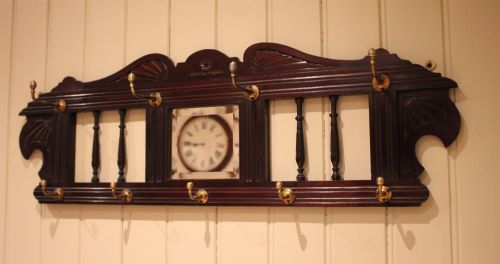
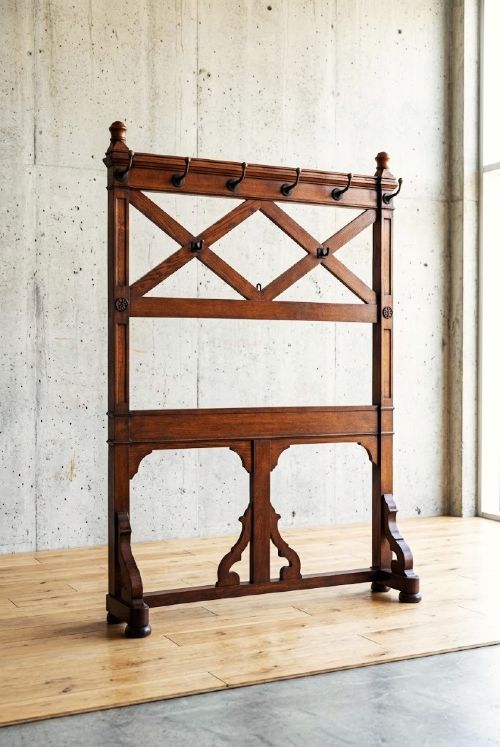
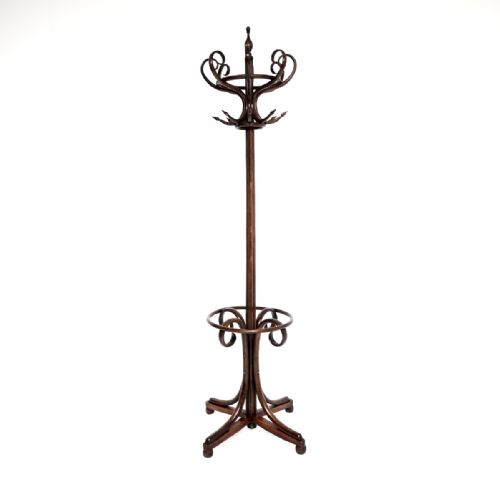
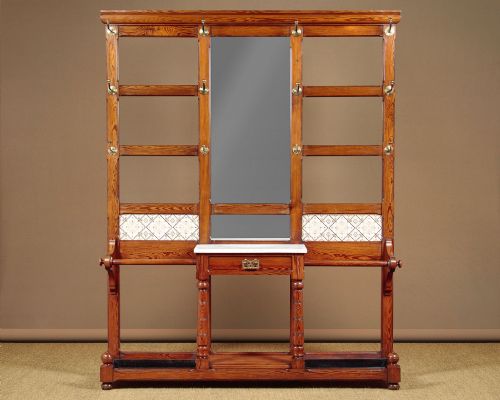
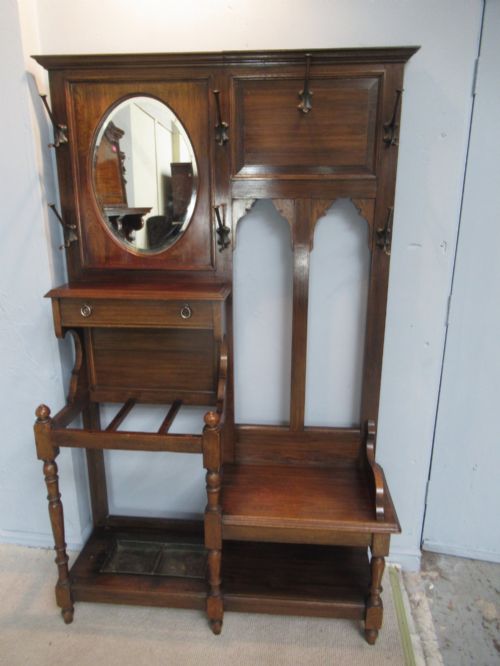
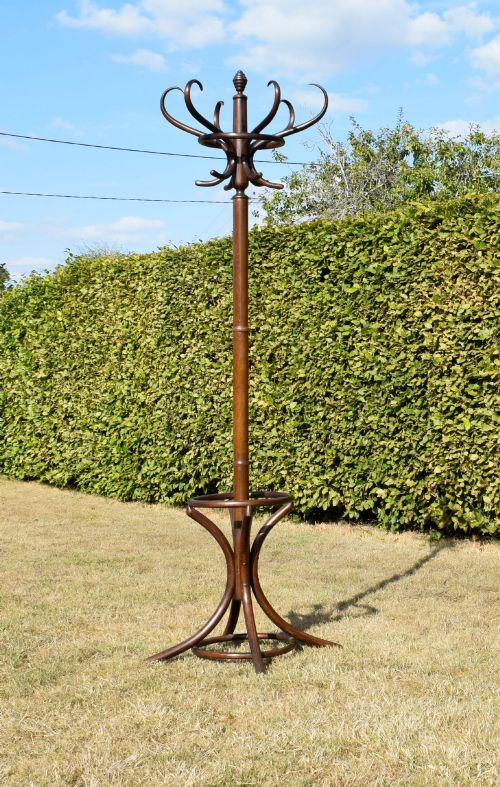
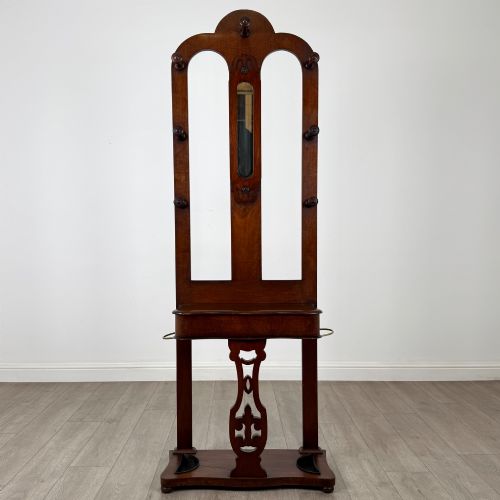
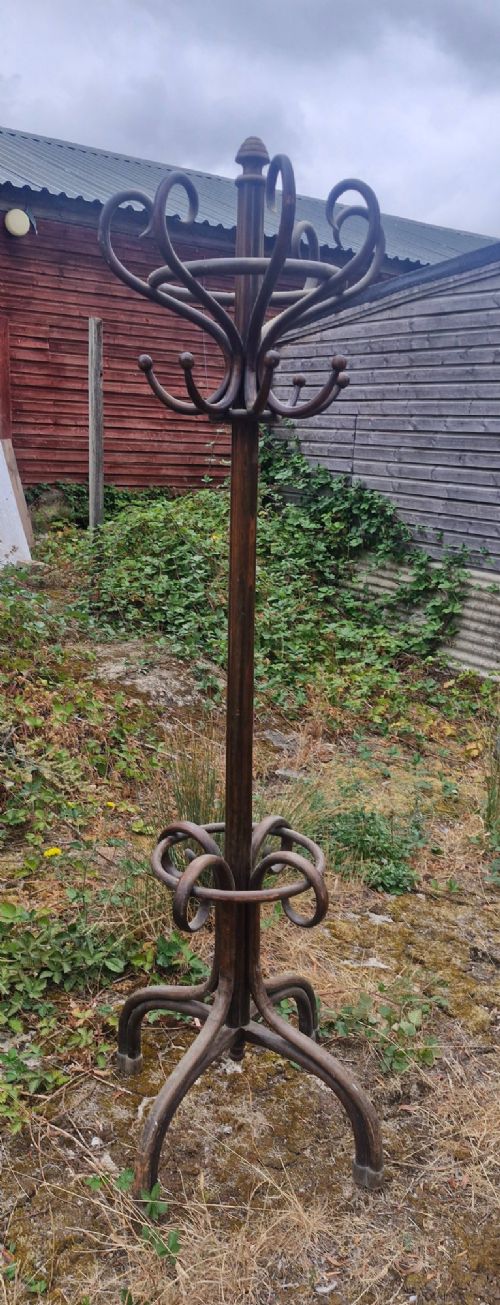
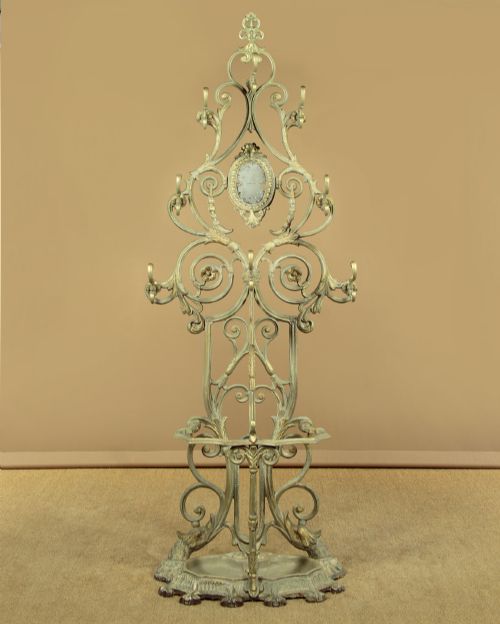
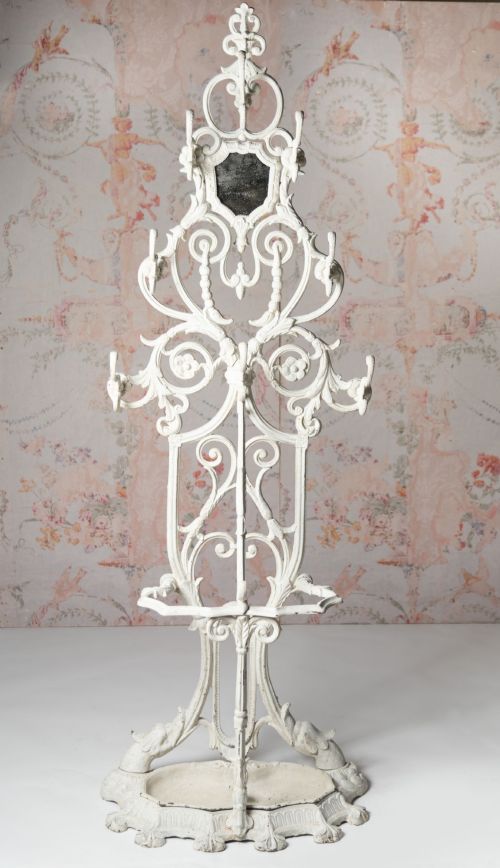
Floor-standing examples include bentwood designs, cast iron frames, and heavy oak or mahogany hallstands produced throughout the nineteenth century. These items served a daily domestic purpose in the Victorian household for receiving outdoor garments and headwear upon entry.
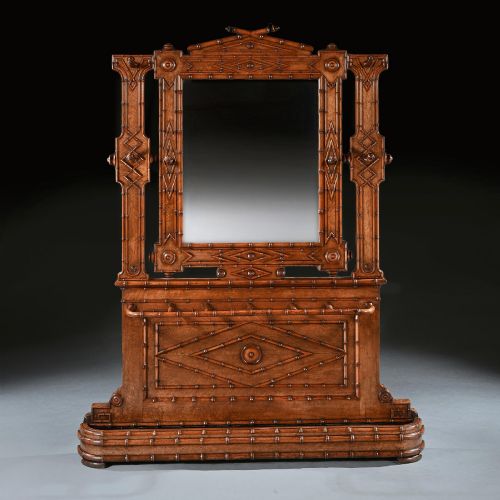
The materials and aesthetic styles vary from utilitarian pine and cast iron to ornate Gothic Revival oak and Aesthetic Movement bamboo. Buyers will find both British pieces in mahogany and oak alongside continental European bentwood and faux bamboo examples.
Materials and construction techniques
Makers utilised solid timbers such as mahogany, oak, walnut, and pine for backboards and structural framing, often combining them with turned wood or cast metal elements. Timber components were joined using traditional methods and frequently polished or ebonised to achieve a uniform dark finish.
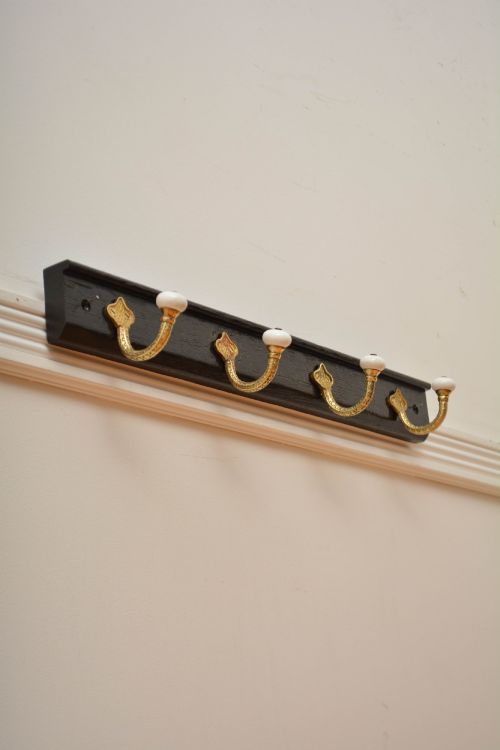
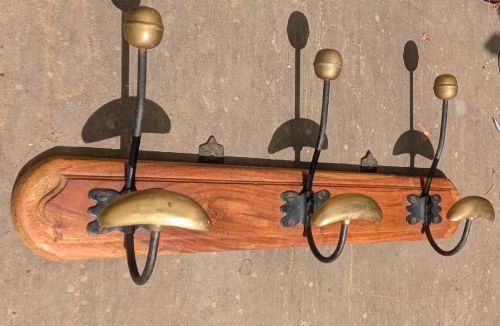
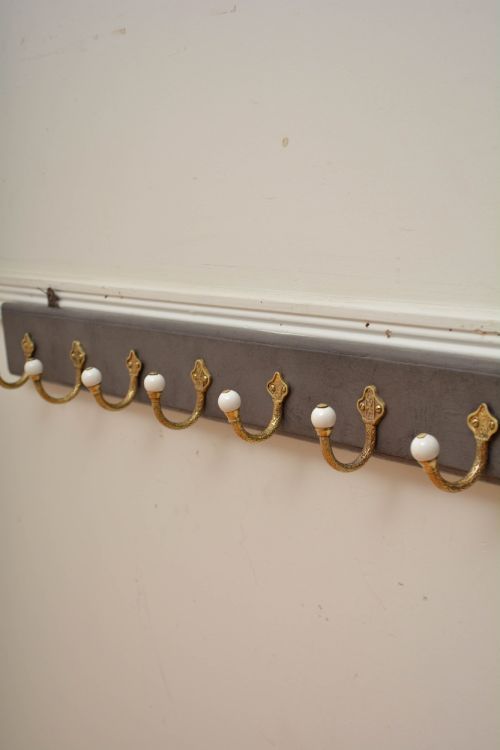
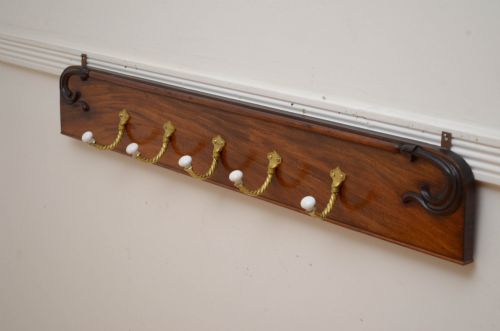
Hardware played an integral role, incorporating cast brass, ceramic inserts, and cast iron for hooks and umbrella drip trays. Bentwood furniture utilised steamed beech wood, bent under heat to form the characteristic curved loops and rails seen in hat stands of the period.
Victorian Hat Rack Retail Price Guide 2026
Typical asking prices for victorian hat rack among the pieces listed under this phrase on Sellingantiques today, from the lower quarter to the upper quarter. They describe what is for sale here now, not the wider market.
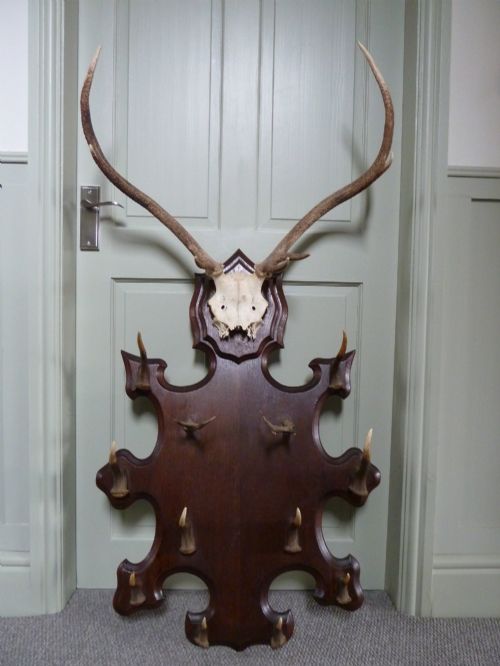
Some Victorian entrance pieces incorporate genuine stags' horns or carved wooden bear figures to greet arriving guests.
Design integrity and material selection
Quality in these pieces depends upon the integrity of the materials, the robustness of the structural joinery, and the retention of original hardware. Superior examples feature well-figured hardwoods, substantial cast brass hooks with intact ceramic centres, and maker signatures or stamps.
Simpler utility items made from pine or basic cast iron occupy the more functional end of the range, whilst elaborate carved oak, Black Forest carvings, or marked bentwood pieces represent finer production standards. The presence of matching original drip trays, mirrors, and secure mounting fixtures distinguishes higher-grade hall stands.
J. Parker of Woodstock·Thonet·Jas. Shoolbred
The Victorian Hat Rack Glossary
- Bentwood
- Furniture formed by steaming timber until pliable and bending it into curved shapes. This technique produced lightweight yet strong coat stands popular in the late nineteenth century.
- Hallstand
- A large piece of entrance hall furniture combining coat hooks, a hat rack, an umbrella stand, and frequently a central mirror and glove drawer.
- Aesthetic Movement
- A late nineteenth-century design style emphasising visual beauty over narrative content. Pieces in this style often incorporate Japanese-influenced bamboo or ebonised wood.
- Ebonised
- Timber treated with a finish to imitate ebony. This dark, polished surface was commonly applied to fruitwood or oak backboards to contrast with brass hooks.
- Gothic Revival
- An architectural and decorative style drawing inspiration from medieval forms. Such pieces display pointed arches, heavy linenfold carving, and solid oak construction.
Victorian Hat Rack: Frequently Asked Questions
How do I mount a wall rack safely?
Wall-mounted racks require secure fixing into solid masonry or direct attachment to timber wall studs using appropriate screws through the pre-drilled backboard holes.
Given the weight of wet coats and heavy hats, proper anchorage ensures the unit supports daily domestic loads without pulling away from the plaster.
Were these pieces used in homes or offices?
These items were primarily manufactured for domestic entrance halls, vestibules, and country houses to accommodate outdoor apparel.
Larger hall stands with integrated mirror panels and umbrella wells also found placement in public institutions, waiting rooms, and commercial offices of the period.
How do I distinguish oak from mahogany pieces?
Oak displays a pronounced open grain with visible medullary rays, often showing a golden brown or darkened natural tone depending on age and finishing.
Mahogany presents a tighter, smoother grain texture with a reddish-brown colour that deepens naturally over decades of light exposure and polishing.
What maintenance do the wooden frames need?
Timber surfaces benefit from occasional application of quality beeswax to nourish the wood and maintain a natural protective sheen against atmospheric moisture.
Harsh chemical cleaners and excessive water should be avoided, particularly around glued joints, brass fittings, and ceramic hook inserts.