

Victorian Hand Painted Vase
When you search for a victorian hand painted vase, you enter a world of vibrant porcelain, rich glass, and delicate floral brushwork from the nineteenth century.
Victorian Hand Painted Vase
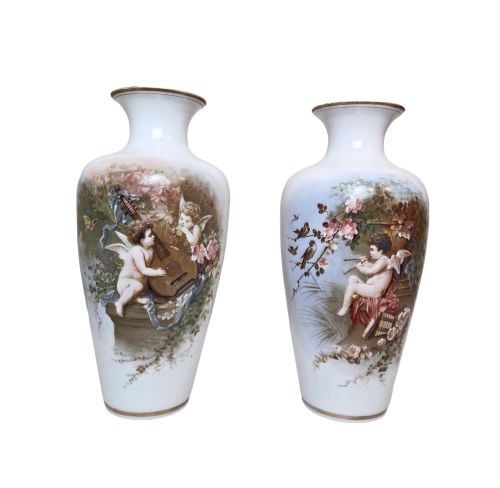
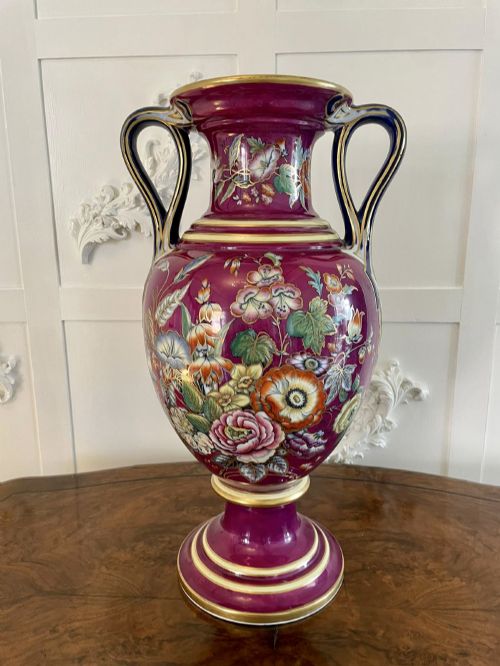
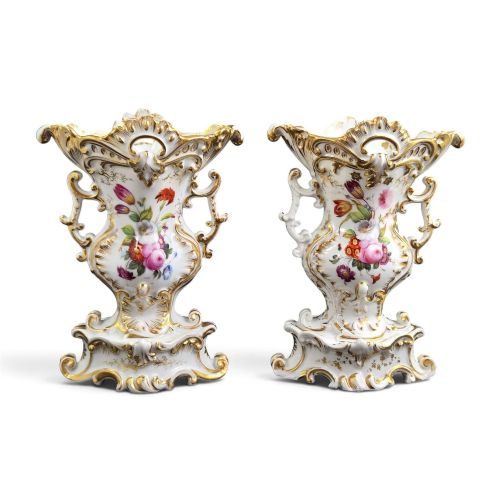
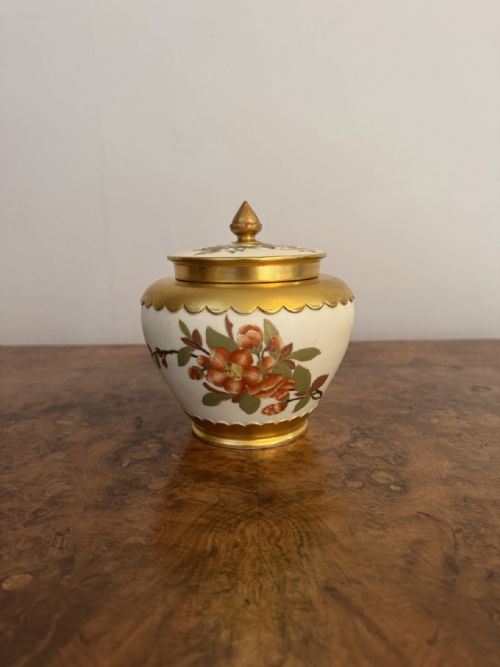
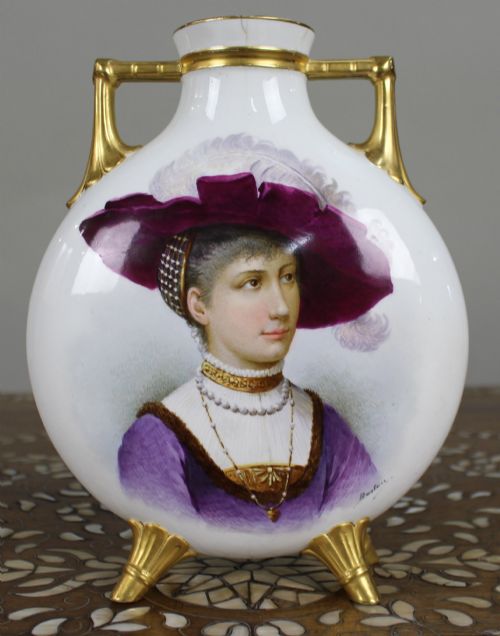
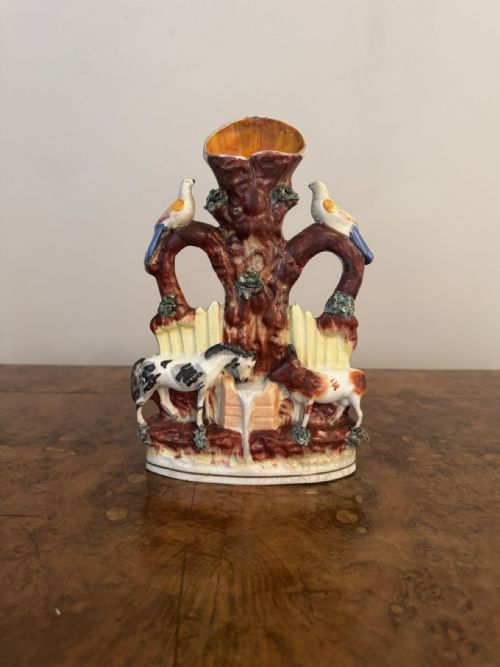
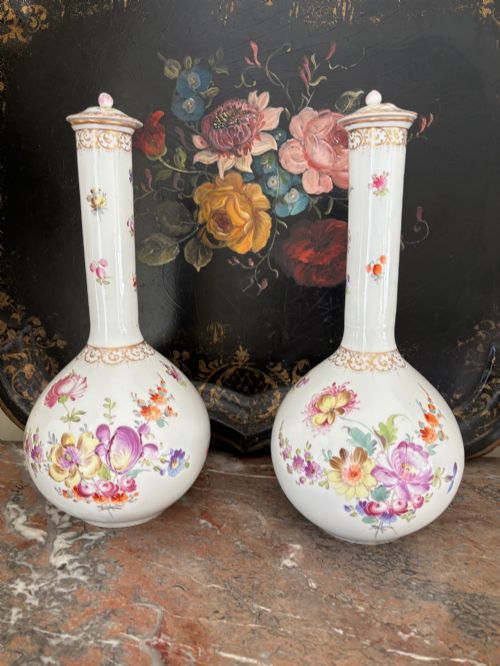
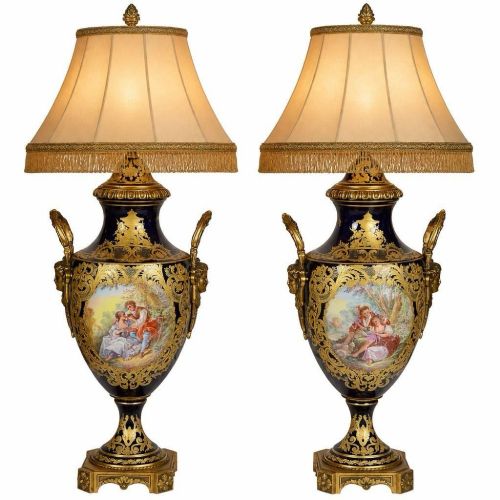
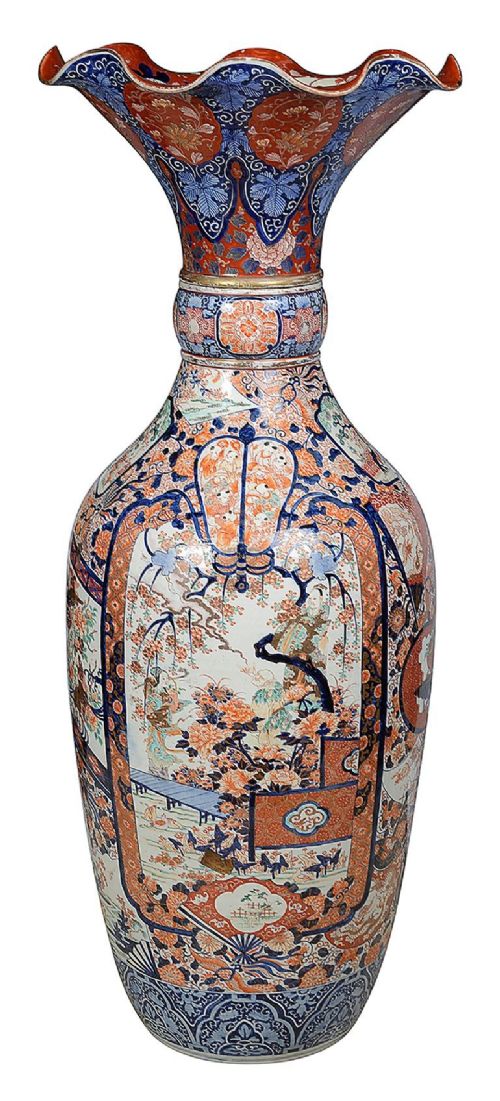
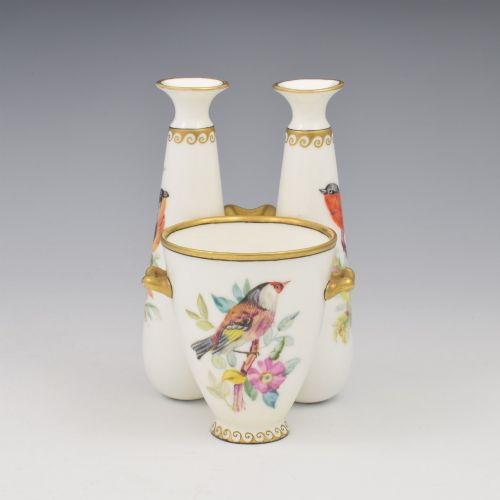
A victorian hand painted vase brings together the ornamental tastes of the nineteenth century, ranging from the domestic production of English potteries to continental porcelain and glass. You will encounter various forms on this page, including bulbous shapes, lidded potpourri jars, table lustres, and decorative ewers designed for prominent display in a period interior.
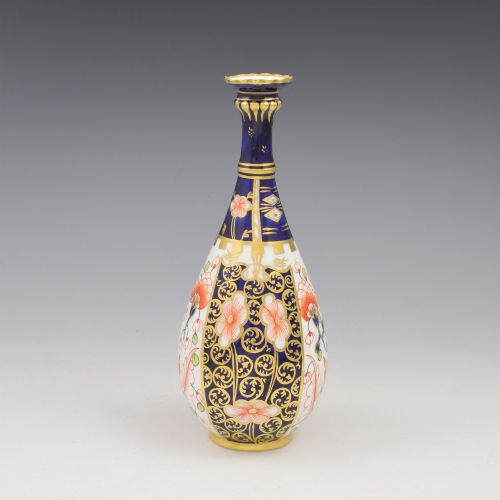
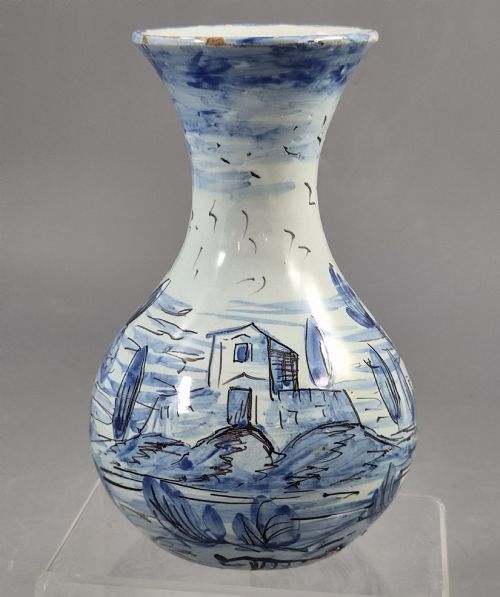
The materials span porcelain, earthenware, and heavy coloured glass, each providing a distinct ground for painted botanical, avian, or figural decoration. Makers utilised gold leaf, enamel, and gilding to enrich the surface, applying pigments by hand to create individual works rather than uniform factory output.
The selection reflects both domestic English manufacturers like Royal Worcester and Doulton Lambeth alongside continental workshops and imported wares popular during the period. These vessels served primarily as decorative garnitures for mantelpieces and drawing rooms, often accompanied by matched pairs or companion pieces.
How they were made
Potters shaped porcelain and earthenware bodies either by throwing on a wheel or by casting in moulds before applying initial glazes and firing in kilns. Artisans then painted floral sprays, landscapes, or portraits directly onto the ceramic surface using mineral enamels that required a second firing to fix the colours.
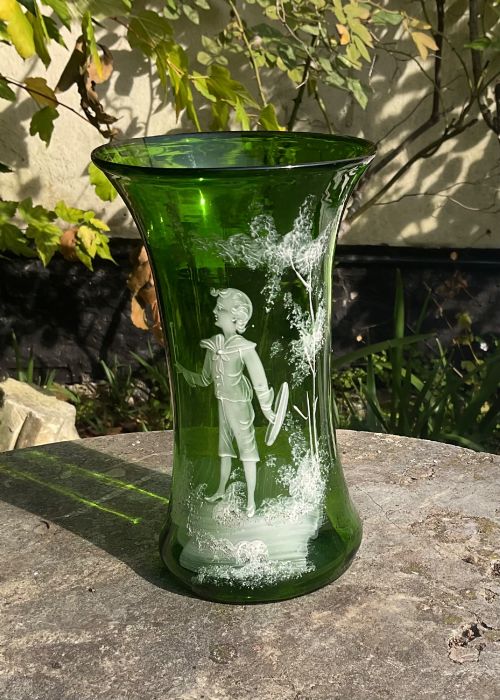
Glass vessels such as ruby, green, and cranberry pieces were hand blown and frequently decorated with applied enamels or white silhouette painting associated with Mary Gregory styles. Gilding and gold leaf were brushed onto raised paste or directly onto the body, adding metallic contrast to the fired colours.
The selection includes forms such as mantel lustres, potpourri jars, table lamps, and decorative ewers.
What varies in quality
The distinction between standard commercial output and superior studio work rests in the precision and complexity of the hand painting. Finer examples display meticulous brushwork with subtle shading in floral or figural subjects, whereas simpler pieces rely on repetitive stencilled outlines or basic factory transfer prints touched up with colour.
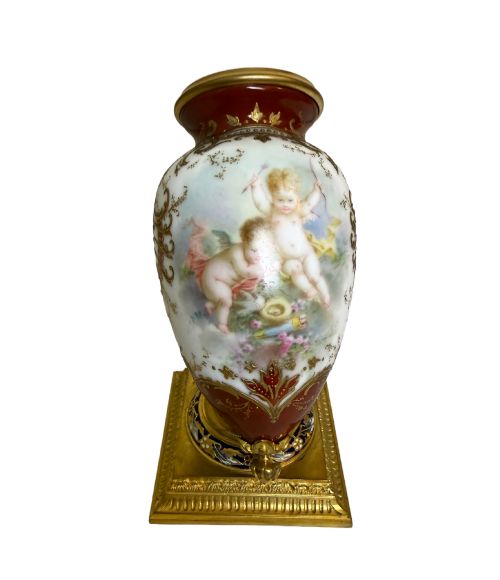
The weight of the body, the richness of the gilding, and the crispness of the moulding also separate pieces across the range. Heavier crystal glass, substantial porcelain walls, and well-preserved fire-gilt bronze mounts indicate higher production standards and greater workshop ambition.
Royal Worcester·Doulton Lambeth·Jacob Petit·Sitzendorf·Royal Vienna
The Victorian Hand Painted Vase Glossary
- Lustre
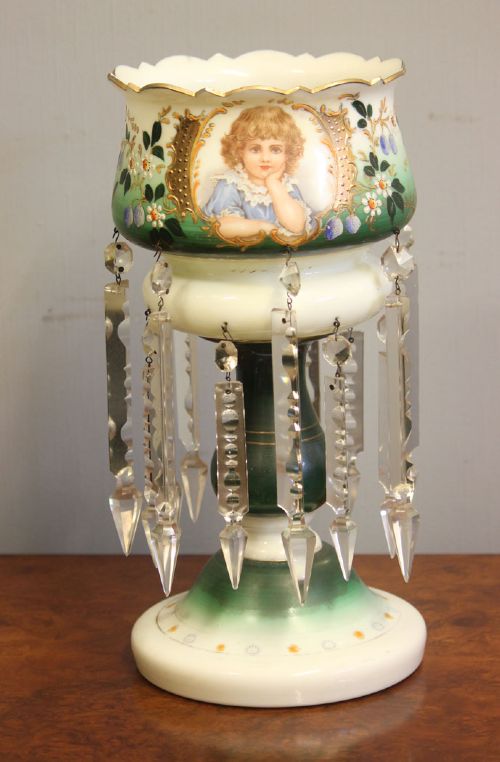
- A type of decorative glass or ceramic vase featuring suspended glass prisms hung from the rim. These were designed to catch and reflect candlelight in nineteenth-century rooms.
- Potpourri
- A lidded vase or jar pierced with holes to diffuse scent from dried flower petals. They often feature elaborate hand painted floral decoration across the ceramic body.
- Blush ivory
- A soft, creamy-pink ceramic ground developed by Royal Worcester in the late nineteenth century. It provided a muted background for delicate hand painted gilding and flowers.
- Ewers
- Decorative pitcher-shaped vases with handles and spouts, often produced as pairs for display rather than utility. They frequently incorporate rococo revival scrolls and hand painted scenes.
- Faience
- Tin-glazed earthenware decorated with opaque coloured glazes. Doulton Lambeth utilised this technique for artist-painted vases featuring botanical motifs.
Victorian Hand Painted Vase: Frequently Asked Questions
Were these vases meant for fresh flowers?
Most decorative nineteenth-century vases served primarily as mantelpiece ornaments or garniture sets rather than functional vessels for water and stems. The presence of delicate interior gilding or porous earthenware bodies means many were designed strictly for dry display.
If you wish to use a ceramic or glass piece for cut flowers, inspect the interior first for unglazed clay or historic hairline cracks that might leak. Inserting a small glass liner inside the vase protects the antique fabric from moisture damage.
How do I date a Royal Worcester floral vase?
Royal Worcester pieces often feature standard printed factory date codes on the underside, consisting of dots, letters, or small symbols placed beneath the maker's mark. Cross-referencing these manufacturer ciphers with known production years provides an accurate date of manufacture.
Stylistic cues such as the blush ivory ground and naturalistic floral painting typically point to the late nineteenth or early twentieth century. Signed pieces by known factory artists also help narrow down the period of production.
What is the difference between a vase and a lustre?
A standard vase is a closed or open vessel designed to hold decorative arrangements or simply stand alone as a sculptural object. A lustre includes a rim fitted with cut crystal prisms that catch and multiply light from lamps or candles.
Lustres were immensely popular in Victorian drawing rooms for adding sparkle to dimly lit interiors during evening gatherings. Vases relied entirely on their painted surface decoration and ceramic form for visual impact.