



Victorian Hallmarked Silver Spoons
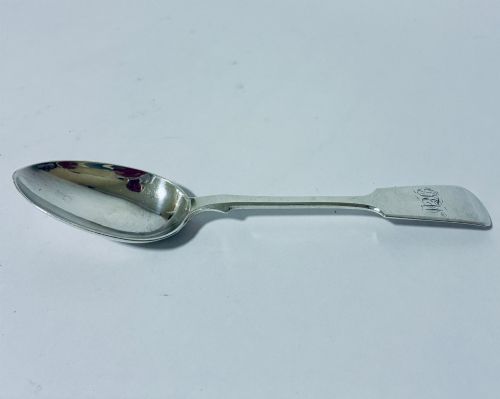
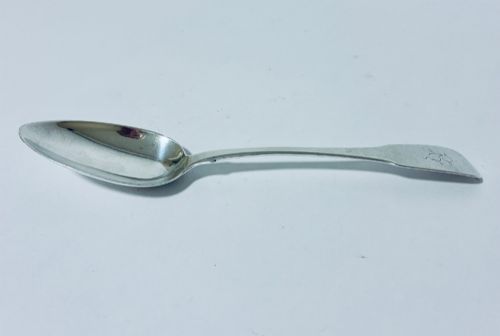
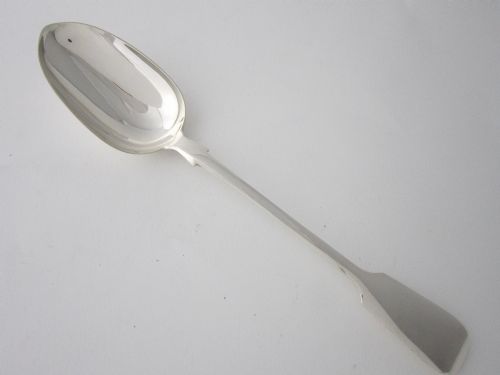
These Victorian hallmarked silver spoons are solid sterling cutlery shaped for serving, sugar sifting and tea, bringing distinct period weight to the table.
Victorian Hallmarked Silver Spoons
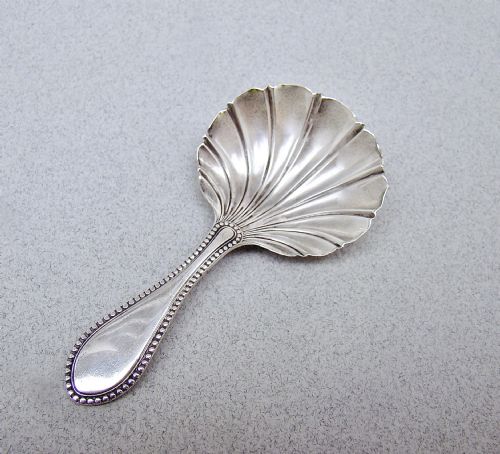
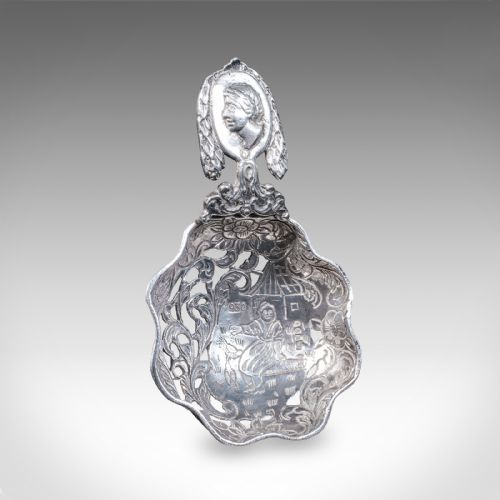
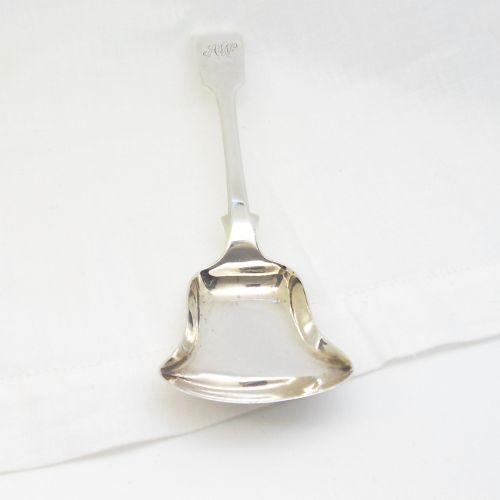
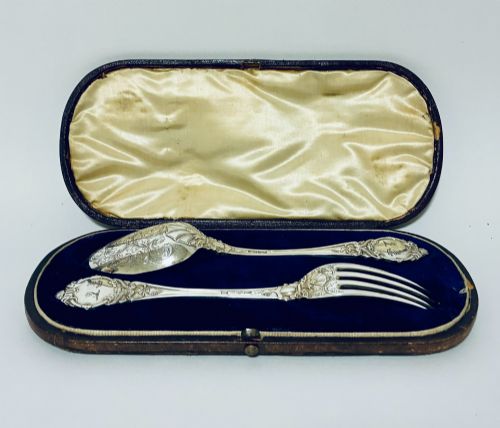
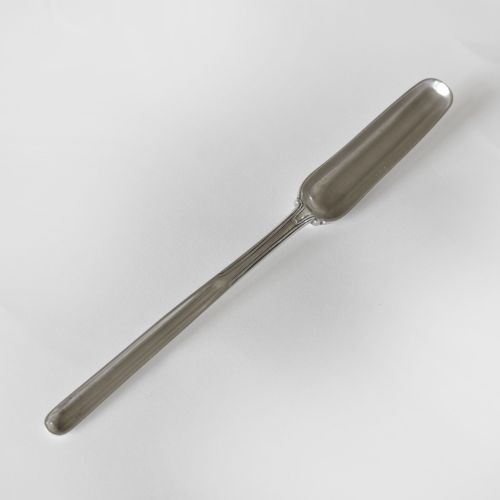
When you search for victorian hallmarked silver spoons, you encounter everything from weighty basting ladles and fiddle pattern gravy spoons to delicate caddy spoons, mote spoons and boxed christening sets. The forms span serving spoons, salt cellars, teaspoons and marrow scoops, reflecting the varied dining rituals of the nineteenth century.
You are most likely to meet pieces bearing standard provincial or London assay marks alongside maker's initials, reflecting a production era stretching from early Victorian decades through the turn of the twentieth century. While the core of the selection remains strictly Victorian, occasional Georgian survivals and Edwardian or early twentieth-century pieces appear among the cutlery.
The objects serve specific domestic roles, whether lifting dry tea leaves from a caddy, casting sugar over fruit, or ladling cream and mustard. Sets range from individual novelty items like jockey's cap tea caddies and silver gilt condiment spoons with cut glass handles to matched canteens for twelve persons.
Making and materials
Smiths shaped these items from sterling silver, occasionally applying silver gilt or vermeil surfaces to create rich two-tone colour contrasts on condiment and serving spoons. Production relied on traditional smithing techniques, forming solid silver bowls and stems that frequently incorporated supplementary materials in fitted presentation boxes.
Fitted cases utilise velvet, leather, silk, and leatherette linings to cradle christening sets, tea spoons and condiment spoons safely. Assay offices applied official hallmarks directly onto the sterling silver metal, recording the year, town of assay and purity standard for each piece.
You can serve tea with a spoon shaped precisely like a jockey's cap.
Assessing the pieces
Quality rests upon the crispness of the original chasing, engraving and pattern definition, such as the distinct relief work on Queens pattern handles or rococo revival decoration. Finer examples retain deep, legible town and date hallmarks alongside clear maker's marks that have not been rubbed away by decades of enthusiastic polishing.
The integrity of the form matters immensely, distinguishing standard utilitarian cutlery from specialised pieces like novelty jockey's cap items or complex pierced sugar sifters. Preserved presentation boxes featuring intact silk and velvet linings elevate sets like christening forks and spoons beyond loose individual pieces.
Martin Hall & Co·John Walton·Mappin & Webb·George Unite·Henry Holland·George Adams·John Round·Elizabeth Eaton
The Victorian Hallmarked Silver Spoons Glossary
- Hallmark
- Official stamps struck into precious metal to guarantee the silver standard, identify the assay office, and date the manufacture.
- Caddy spoon
- A short-handled spoon specifically designed for measuring loose tea leaves from a caddy.
- Fiddle pattern
- A nineteenth-century cutlery handle design featuring a distinctive narrow shoulder above a flared, fiddle-like base.
- Silver gilt
- Sterling silver that has been coated with a thin layer of gold, producing a warm yellow finish also known as vermeil.
- Mote spoon
- A slender eighteenth to nineteenth-century spoon with a pierced bowl used for skimming tea leaves and a pointy tail for clearing teapot spouts.
Victorian Hallmarked Silver Spoons: Frequently Asked Questions
How do I date these silver spoons?
Assay office hallmarks stamped directly onto the silver provide the exact year letter and city of origin for each piece.
Style indicators like early Victorian fiddle patterns or later Art Nouveau curves also help narrow down the decade of production.
What were caddy spoons used for?
These specialised small spoons measured out precious loose tea leaves from storage caddies into the teapot.
Their shallow bowls and decorative handles made them distinct from standard table teaspoons.
How should I clean silver spoons?
Wash them gently in warm soapy water using a soft cloth, avoiding harsh abrasive dips that strip away age patination.
Store them dry in lined boxes or anti-tarnish cloth to protect the sterling silver surface from unnecessary wear.
Are these spoons safe for daily use?
Solid sterling silver cutlery is durable enough for regular dining, provided you wash and dry it by hand after every meal.
Avoid putting antique silver through automated dishwashers, which can damage delicate engraving and historical hallmarks.