


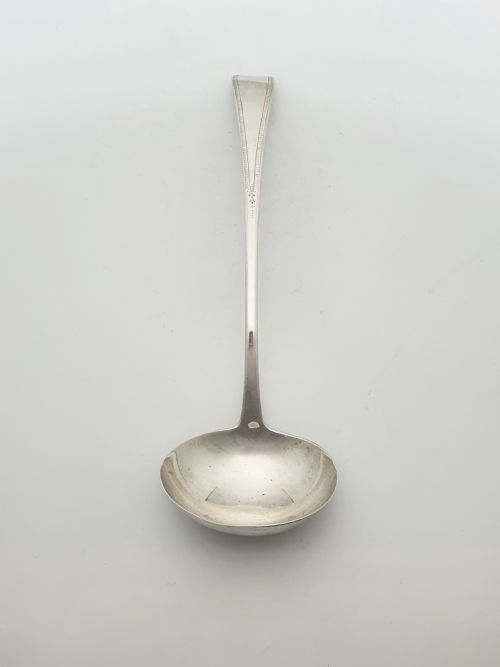

Silver Soup Serving Spoons
Silver soup serving spoons are deep-bowled tableware pieces designed for serving liquids, drawing collectors through their period forms and heraldic crests.
Silver Soup Serving Spoons
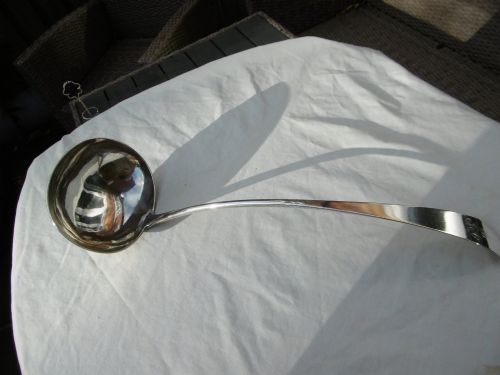
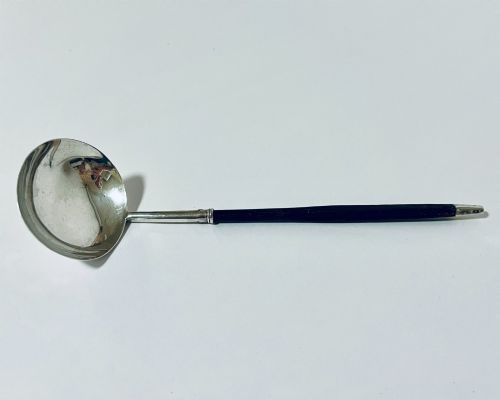
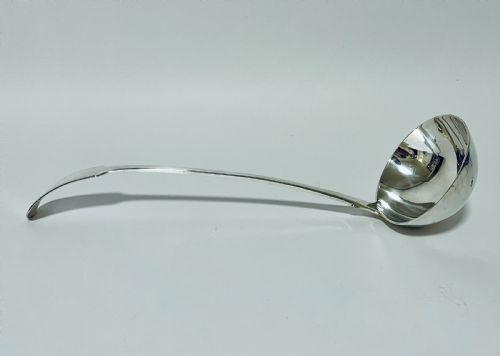
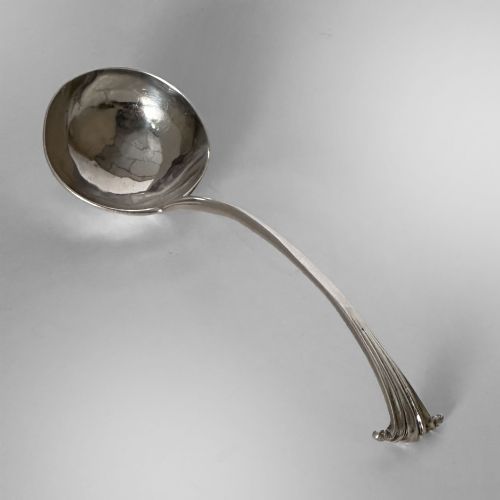
Silver soup serving spoons appear primarily as ladles spanning the eighteenth and nineteenth centuries, including Georgian, Victorian, and Edwardian eras. The selection comprises English, Irish, Scottish provincial, and continental pieces intended for formal dining tables.
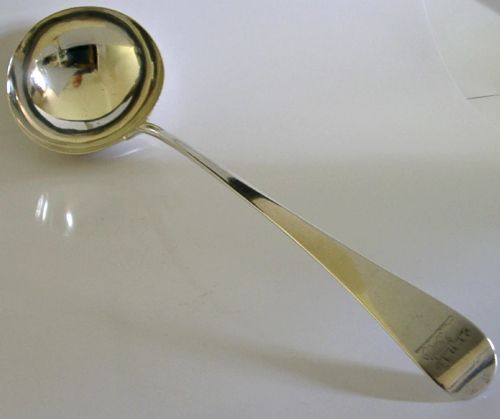
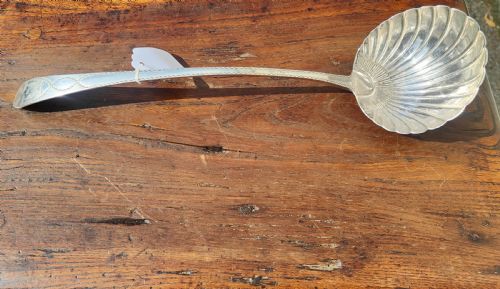
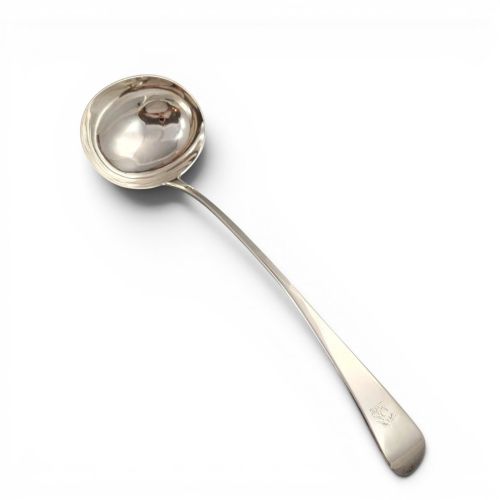
Most examples take the form of large serving ladles and basting spoons, often executed in the Old English or Queen's pattern. Makers applied crests and threaded borders to denote family lineage and social standing.
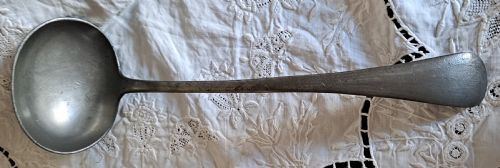
Alongside sterling silver, the evidence includes pewter and horn variations with gold wash finishes. These utensils frequently match larger flatware services or stand alone as substantive serving implements.
Materials and Techniques
Silversmiths hammered sterling silver and solid silver into substantial bowls and handles, occasionally incorporating wood or horn for grip and pewter for alternative utilitarian pieces. Gold wash applications added interior bowl contrast to selected silver examples.
Master craftsmen shaped handles using traditional piercing, chasing, and pattern stamping techniques such as the threaded border or Queen's pattern. Provincial workshops marked their output with town hallmarks and maker ciphers to authenticate origin.
The listings show silver soup serving spoons executed in sterling silver, pewter, and horn across Georgian and Victorian periods.
Markers of Quality
Weight and gauge set the foundation for superior pieces, as heavier metal mass prevents handle bending during service use. Exceptional items retain crispness in their engraved crests and pattern relief work rather than showing wear from historic polishing.
Milne and Campbell·Hester Bateman·John Yates·Michael Smith·Tiffany and Co·Jamieson and Naughton·Mary Chawner
The Silver Soup Serving Spoons Glossary
- Hallmark
- Official marks stamped into precious metal to indicate the standard of silver, the assay office, and the date letter. These stamps provide the primary evidence for dating antique flatware.
- Gold wash
- A thin layer of gold applied to the interior bowl of a ladle, sometimes called vermeil. This technique protected the silver from corrosive liquids such as punch.
- Old English pattern
- A traditional flatware handle design featuring a downward-turned end with a crisp central ridge. It gained widespread popularity during the Georgian period.
- Queen's pattern
- An ornate decorative flatware style distinguished by shell and scroll motifs along the shaped border. Victorian silversmiths utilised this design for formal table services.
- Basting spoon
- A large utensil originally designed for spooning pan juices over roasting meat. These pieces frequently double as serving implements in antique collections.
Silver Soup Serving Spoons: Frequently Asked Questions
What is the difference between a soup ladle and a gravy spoon?
Soup ladles feature deep, rounded bowls designed for scooping liquids from a tureen into individual plates at the dining table.
Gravy spoons possess shallower, more elongated bowls intended for transferring sauces and pan juices to smaller vessels or meat platters.
How do I identify a Georgian silver spoon?
Georgian silver spoons typically display hallmarks indicating the reign of Georges I through IV, spanning the eighteenth and early nineteenth centuries.
Look for town marks, duty marks, and maker ciphers alongside traditional handles like the Old English pattern.
Can I use antique silver spoons for daily dining?
Antique silver serving spoons are sturdy enough for occasional use at the modern dining table if handled with care.
Hand washing with mild soap preserves the antique finish, avoiding harsh dishwashers that damage historic metals and gold washes.
What do family crests on silver spoons mean?
Engraved crests and coats of arms denote the original aristocratic or gentry family who commissioned the silver service.
These personal heraldic symbols often allow researchers to trace the lineage and original provenance of specific pieces.