


Victorian Gothic Display Cabinet
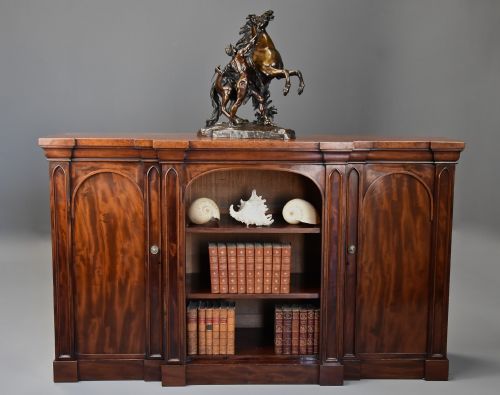
A victorian gothic display cabinet brings architectural drama and rich timber into a room to hold books and curiosities.
Victorian Gothic Display Cabinet
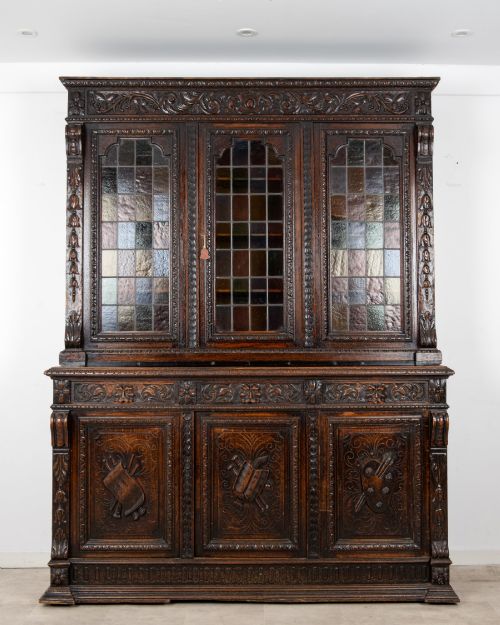
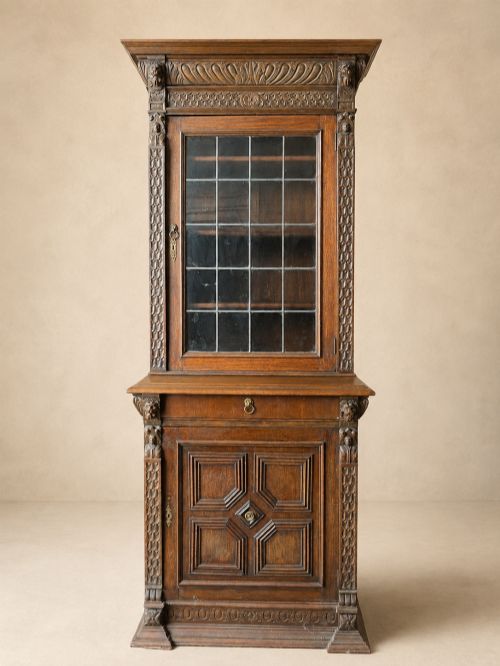
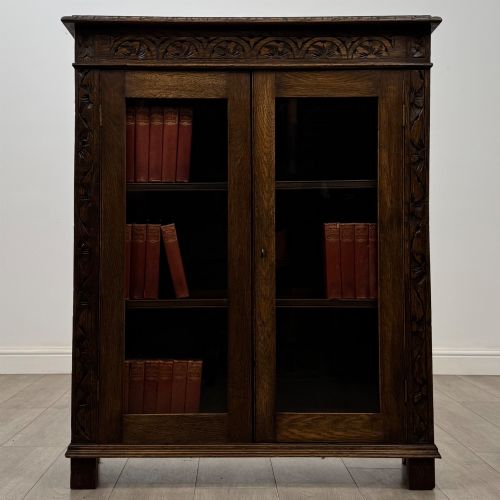
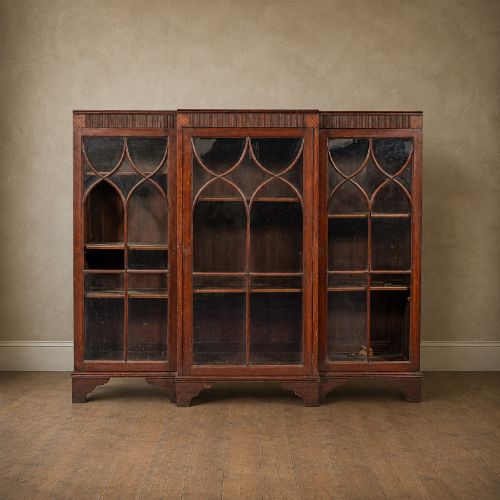
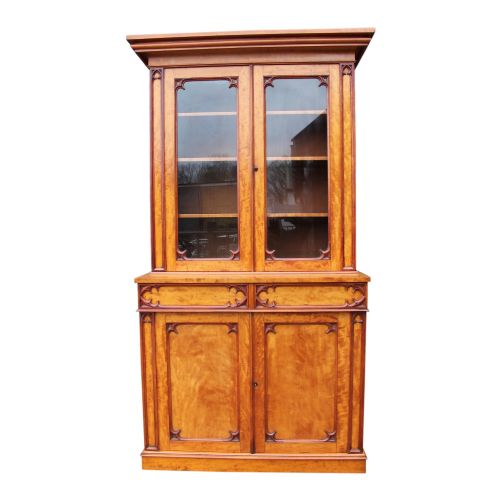
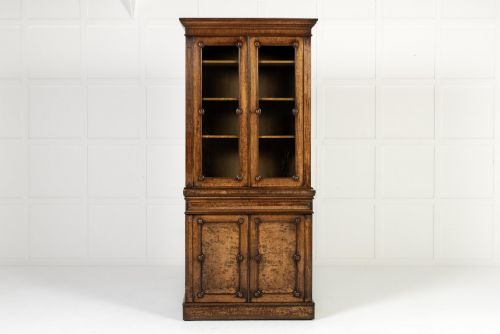
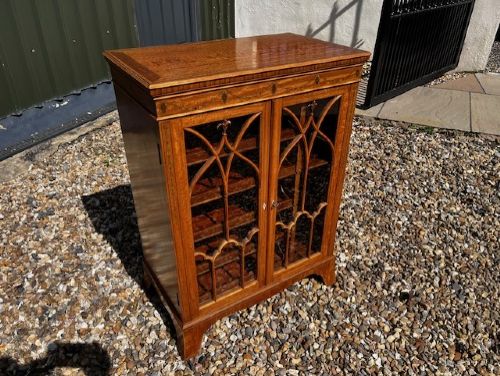
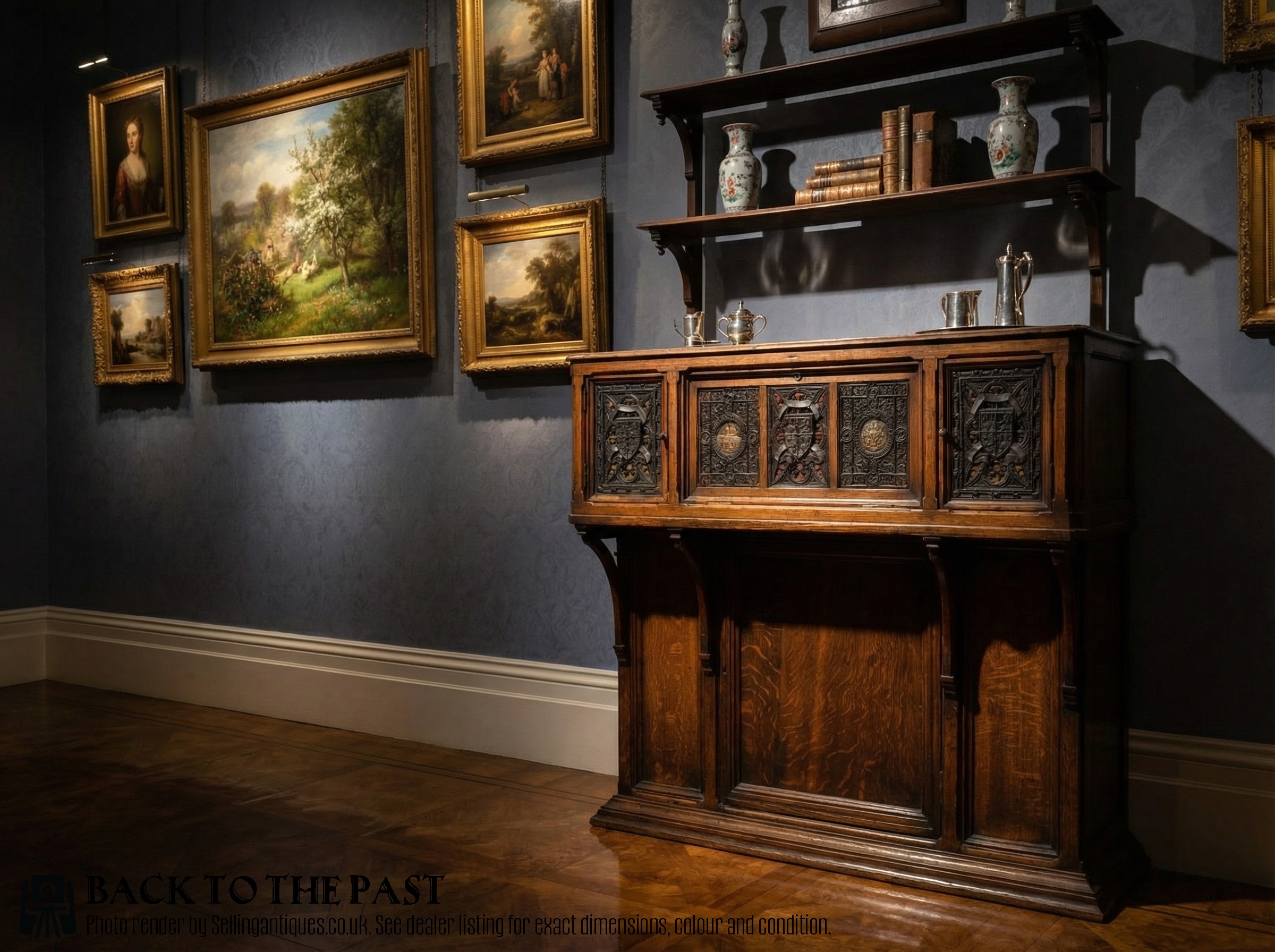
A victorian gothic display cabinet combines nineteenth-century architectural motifs with glazed storage for books, china and collections. These pieces often feature pointed arch glazing, carved tracery and deep cornices derived from medieval stone structures.
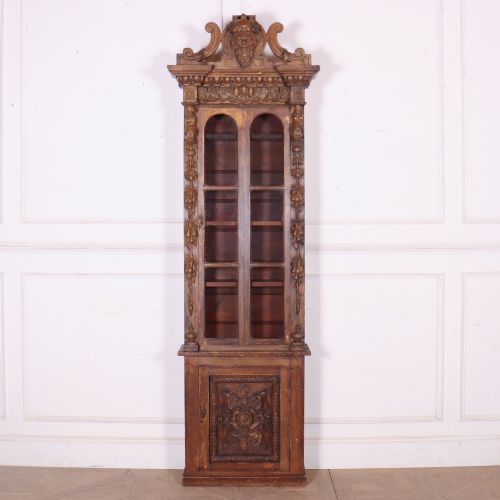
The version most commonly met on this page is constructed from carved oak, frequently housing glazed upper doors above enclosed lower cupboards. Makers also turned to mahogany, walnut and pollard oak to create these substantial storage pieces.
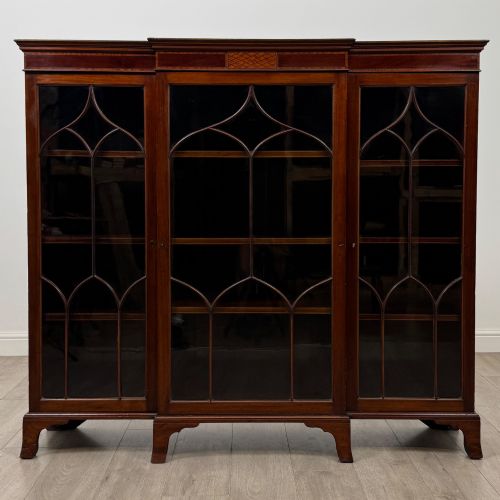
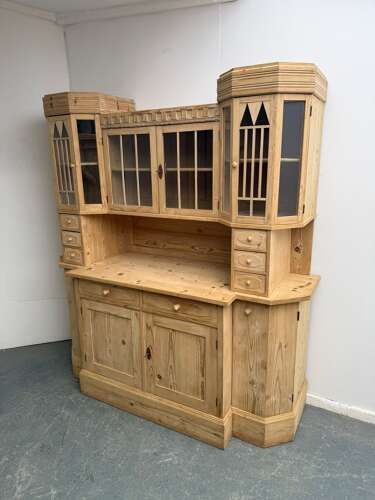
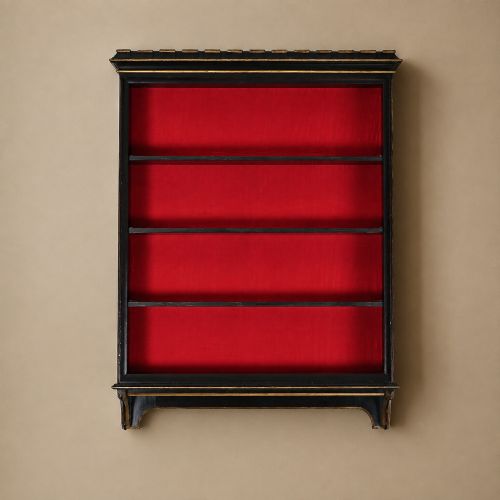
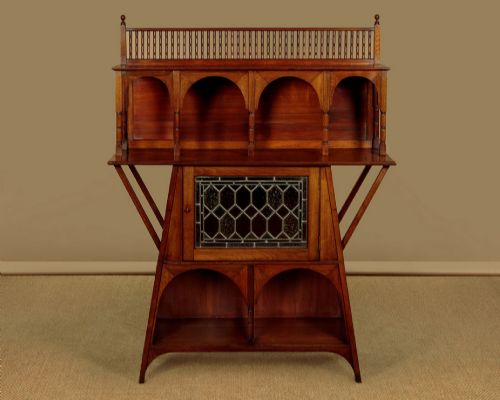
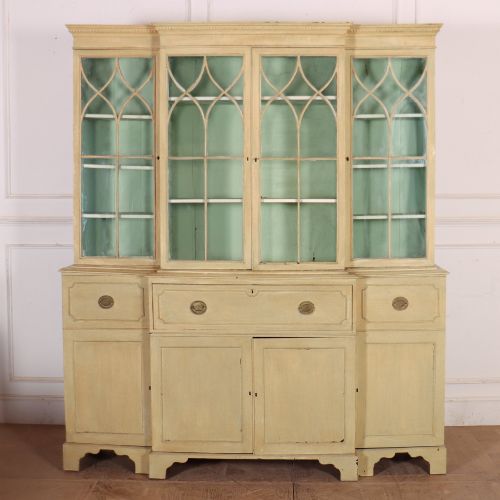
Such items range from tall breakfront bookcases down to wall-mounted cabinets and smaller collectors' pieces. The aesthetic draws heavily upon Gothic Revival and Renaissance Revival influences popular across the nineteenth century.
How they were made
Cabinet makers relied predominantly on solid oak, mahogany and walnut, selected for structural stability and deep grain patterns. Timber was seasoned carefully before being joined using traditional mortise and tenon construction to support heavy glazed doors.
Glazing required delicate lead or wooden framing to form pointed arches and geometric tracery patterns. Brass hardware, including hinges and escutcheons, provided secure closures while complementing the dark tones of the wood.
Alongside grand bookcases, the inventory occasionally accommodates unusual specimens including taxidermy bats and animal skull displays.
What varies in quality
The distinction between standard storage and finer examples rests upon the depth and crispness of the carved ornamentation. Superior pieces exhibit deeply undercut foliage, clean tracery and well-figured timber selected across the entire facade.
Proportion and architectural harmony also determine the standing of a piece. Well-designed cabinets maintain balanced proportions between the glazed upper section and the heavy base, whereas lesser examples can appear heavy-handed or awkwardly scaled.
Jas Shoolbred·George Edmund Street·Liberty and Co·John Moyr Smith
The Victorian Gothic Display Cabinet Glossary
- Gothic Revival
- An architectural and decorative style drawing inspiration from medieval buildings, prominent in nineteenth-century furniture design. It utilises pointed arches, quatrefoils and heavy carved mouldings.
- Breakfront
- A piece of furniture where the central section projects forward from the flanking wings. This technique adds visual depth and monumental presence to large bookcases and cabinets.
- Tracery
- Ornamental intersecting stonework patterns adapted by cabinet makers for wooden door glazing. It creates intricate geometric divisions across the glass panels.
- Pollard Oak
- Timber taken from trees that were cut back to encourage a dense head of branches, producing highly figured grain patterns. Cabinet makers prized this wood for distinctive decorative veneer panels.
Victorian Gothic Display Cabinet: Frequently Asked Questions
Where should I place a large oak bookcase?
These tall cabinets require a substantial wall with stable environmental conditions away from direct heat sources. Placing them in a study, library or principal reception room allows the architectural proportions to anchor the space.
Ensure the floor level can support the weight of solid timber and extensive book collections. Positioning the cabinet away from direct sunlight protects both the timber finish and the items displayed within the glazed compartments.
How do I care for nineteenth-century polished wood?
Maintain the surface by applying natural beeswax sparingly and buffing with a soft cloth to nourish the grain. Avoid modern silicone sprays or liquid polishes that build up residue and attract dust over time.
Keep the room at a steady humidity level to prevent the timber from splitting or warping. Dust the carved recesses regularly using a soft-bristled brush to remove accumulation without scratching the finish.
Can I adjust the internal shelving?
Many nineteenth-century cabinets feature fixed wooden shelving integral to the structural rigidity of the piece. Altering these interior spaces requires careful carpentry work that respects the original joinery.
Some later pieces incorporate adjustable rack-and-pinion supports or traditional wooden support fillets. Check the interior configuration before planning to store oversized volumes or tall decorative objects.
How do I distinguish Gothic Revival from Renaissance Revival?
Gothic Revival furniture emphasises vertical lines, pointed arch glazing, quatrefoils and medieval ecclesiastical motifs. The inspiration derives directly from medieval cathedrals and monastic architecture.