

Victorian Gold Mantle Mirror
Victorian gold mantle mirror pieces provide the traditional grand proportions and luminous gilding that define period domestic interiors.
Victorian Gold Mantle Mirror
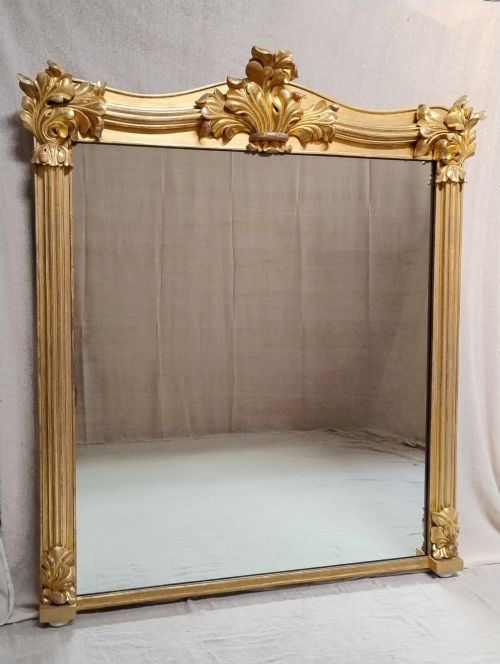
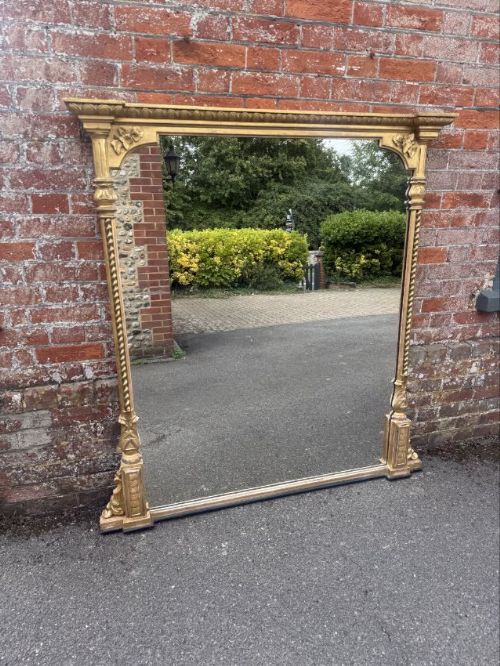
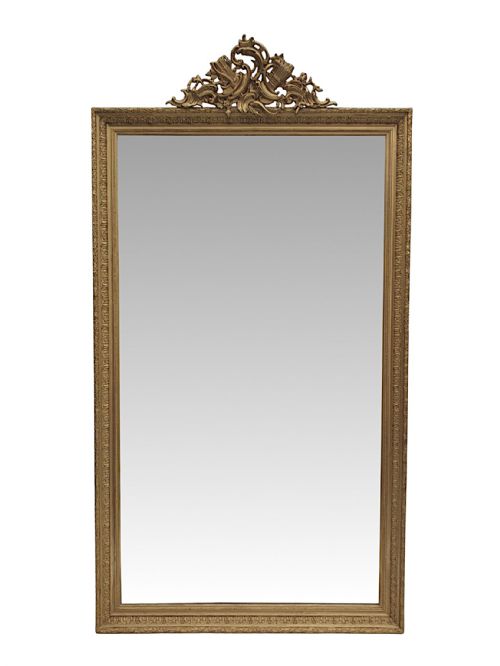
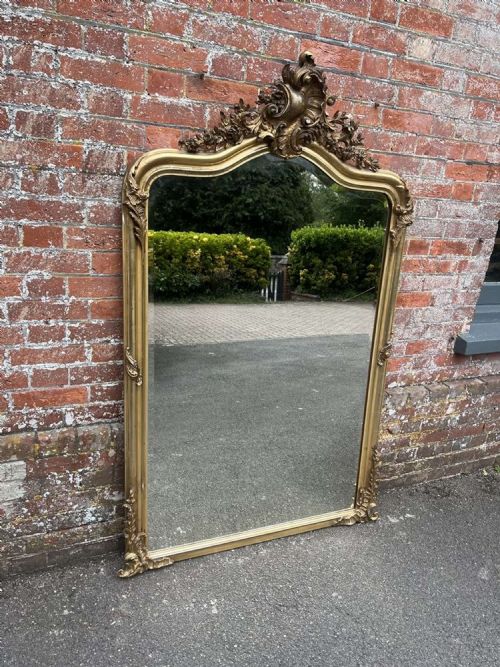
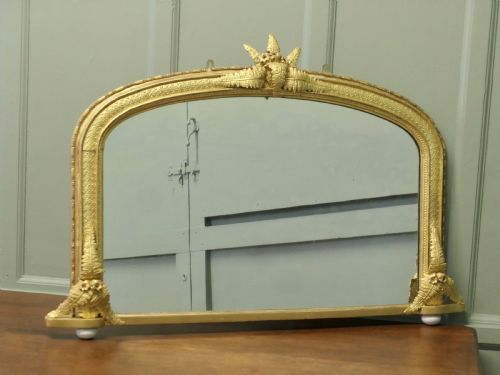
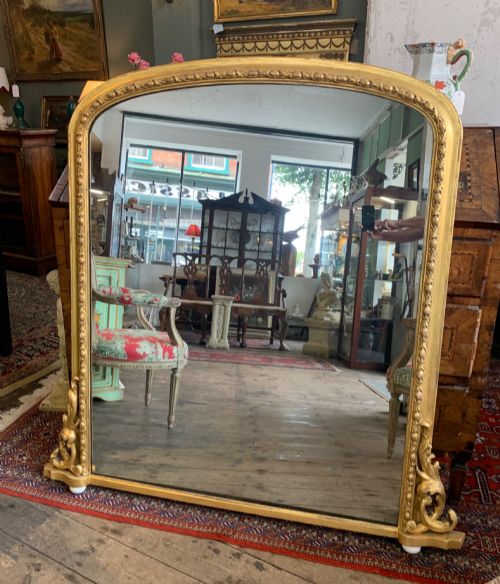
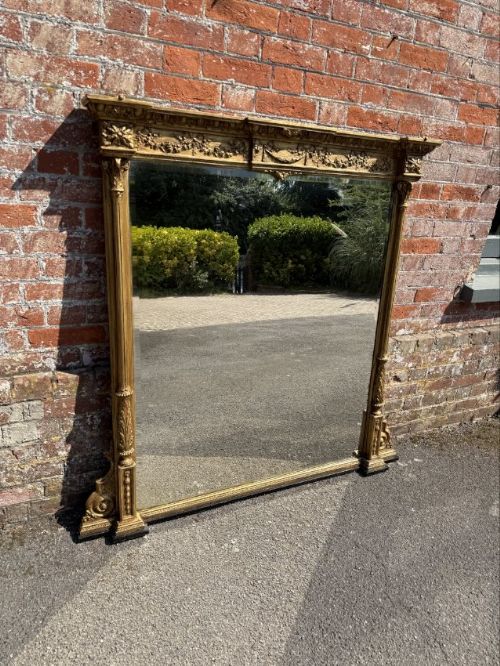
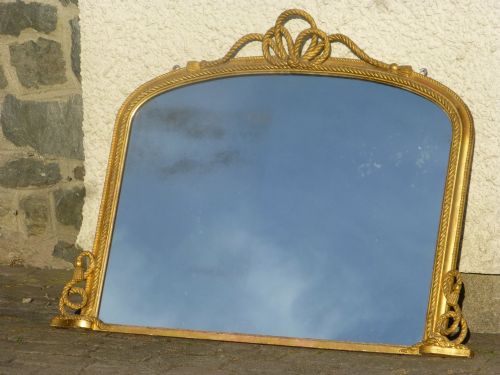
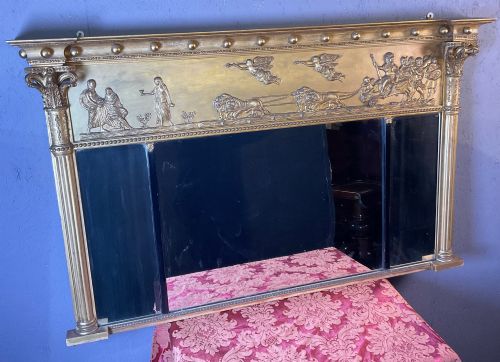
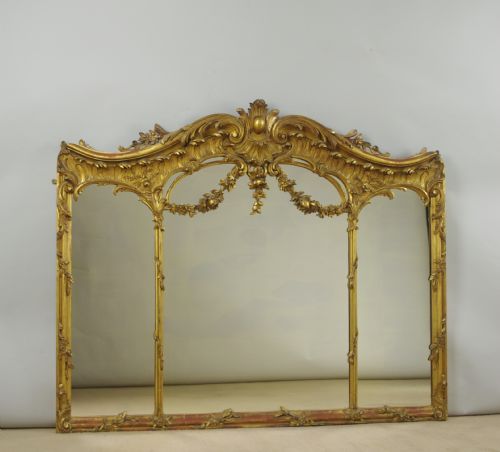
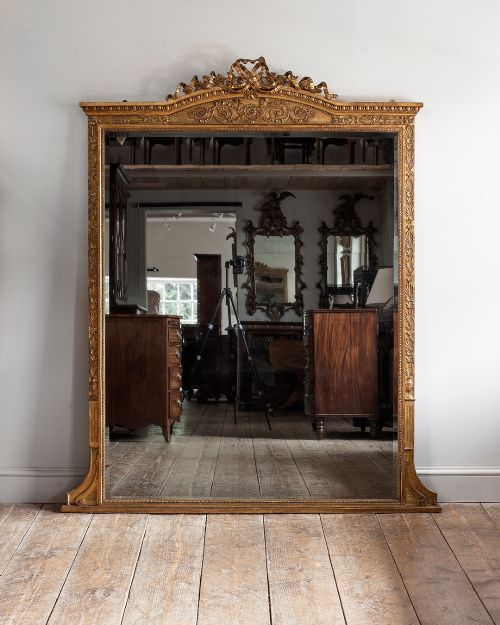
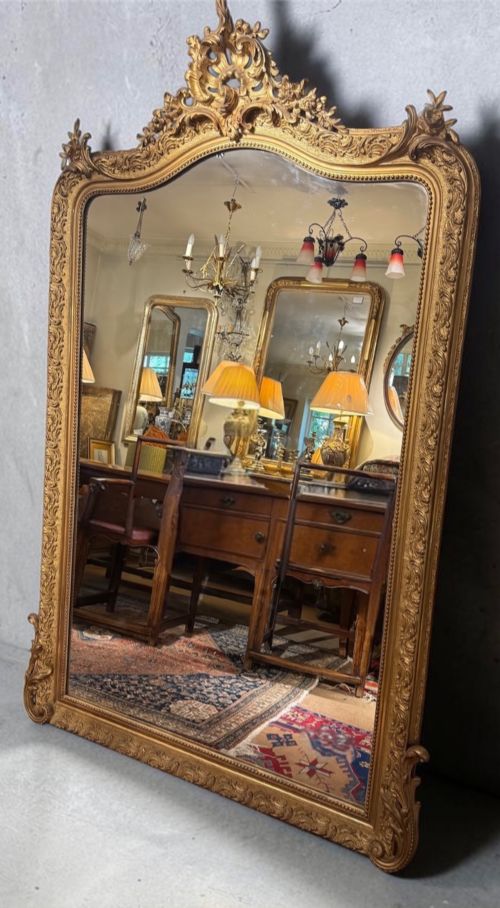
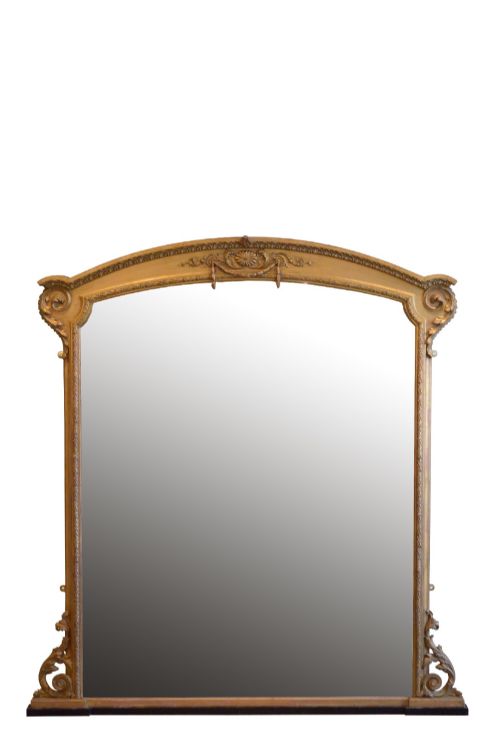
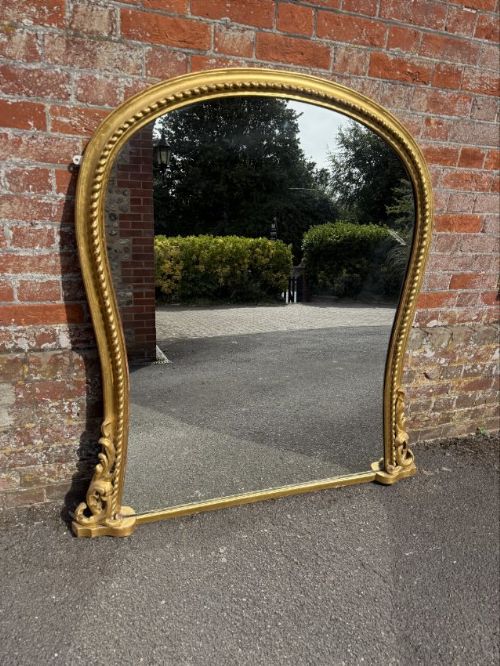
A victorian gold mantle mirror is a substantial domestic looking-glass designed to sit above a fireplace hearth, often referred to in records as an overmantel. These objects measure large in scale and frequently display arched tops, shaped crests, or triple plates intended to reflect light deep into a room. English and French workshops produced the core of these items during the nineteenth century, drawing on Regency, Rococo Revival, and classical decorative vocabulary.
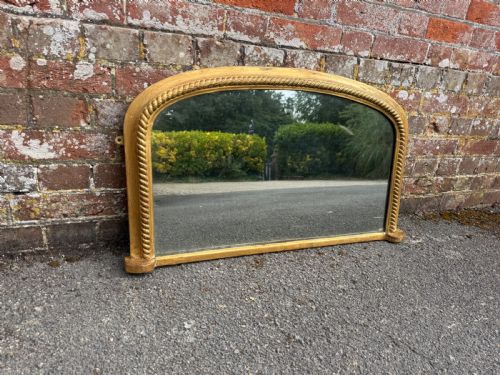
The version most commonly met on this page is the large English or French architectural mirror from the eighteen-sixties and eighteen-seventies, framed in gilded wood and gesso. Such pieces rely on architectural framing devices like columns, rope twists, ribbed moulding, or cartouches to anchor their imposing presence. While early Victorian and later eighteen-eighty examples appear, the mid-Victorian arched archtop remains the dominant form encountered by buyers.
How they were made
Carved timber carcases form the structural foundation of these frames, constructed primarily from softwoods or hardwoods that provide the necessary strength for heavy glass plates. Artisans layered gesso, a mixture of chalk and binder, over the carved timber base to build up low-relief decorative elements such as rope twists and ribbed channels. This composite surface allowed carvers to achieve crisp architectural details that raw timber alone could not hold.
Gold leaf or gold paint was applied directly to the prepared gesso ground, sealing the surface and creating the characteristic metallic sheen associated with period gilding. Composition, a pliable mixture of resin, oil, and whiting, was frequently pressed into moulds and applied to the wooden substrate for repetitive ornamentation like bead reels or foliate scrolls. Glass plates were then secured from the rear, often utilising original timber backing boards.
Some nineteenth-century mirrors wear their original shabby gold paint with cheerful defiance, proving that perfection is vastly overrated.
What varies in quality
The crispness of the carved wood and moulded gesso decoration determines the visual impact of the frame, separating mass-produced items from finer artisanal output. Superior examples retain sharp relief in motifs such as rope twists, cartouches, and ribbed mouldings, whereas lesser pieces show softened edges where plaster layers obscure the underlying carving.
The treatment and preservation of the gilded surface dictate the overall integrity of the piece, with original gold leaf ageing differently than later painted interventions. Original mercury or early silvered glass plates displaying natural oxidation patterns and foxing add period authenticity compared to modern replacement glass.
The Victorian Gold Mantle Mirror Glossary
- Overmantel
- A large wall mirror specifically proportioned to hang on the chimney breast directly above a fireplace mantelpiece. These items were traditionally manufactured to fill the wide wall space below the ceiling cornice.
- Gesso
- A plaster-like preparation mixture of chalk, gypsum, and glue spread over wooden frames to provide a smooth surface for gilding. This material takes crisp impressions from carved wooden tools or pressed moulds.
- Giltwood
- Timber that has been coated with gold leaf or gold paint for decorative effect. This finish catches candlelight and natural daylight within nineteenth-century drawing rooms.
- Composition
- A moulded mixture of whiting, resin, linseed oil, and glue used for rapid ornamentation on picture and mirror frames. Artisans pressed this putty into carved wooden moulds before it hardened.
- Cartouche
- An ornamental tablet or oval frame design resembling a rolled-up piece of paper, frequently placed at the crest of a mirror. This sculptural element anchors the central axis of the frame.
- Rococo Revival
- A nineteenth-century design movement characterised by asymmetrical scrolls, naturalistic shell motifs, and flowing organic curves. This style heavily influenced French and English mirror frames during the mid-Victorian era.
Victorian Gold Mantle Mirror: Frequently Asked Questions
How do I hang a heavy overmantel mirror?
These heavy frames require secure fixing directly into masonry walls using heavy-duty steel brackets or mirror plates screwed into wall plugs. Professional installation ensures the substantial weight of the timber and glass is safely distributed.
Because Victorian mirrors often weigh considerable amounts, hanging them solely from picture wire on standard wall hooks is generally inadequate for long-term safety.
Were these mirrors made for fireplaces?
Makers constructed these looking-glasses specifically to occupy the wide wall space above fireplace mantels, where they reflected flames and daylight across the room. Their horizontal or arched proportions matched the architectural scale of Victorian chimney breasts.
They also appeared on large drawing-room walls between windows, functioning as expansive decorative statements independent of a hearth.
How do I clean the original gilt surface?
Dusting the frame requires a very soft, dry brush to prevent dislodging delicate areas of aged gesso and gold leaf. Moisture can damage nineteenth-century water gilding and composition ornaments.
Chemical cleaning solutions should remain far away from the gilded timber, as they strip the historical finish and expose the white gesso base underneath.
How can I tell if the glass is original?
Original nineteenth-century mirror plates often exhibit minor imperfections, slight distortion in the reflection, and characteristic dark spots known as foxing near the edges. These visual traits emerge from the historical silvering process.
Modern replacement glass appears completely uniform, flat, and free of the natural ageing marks found on period plates.