




Victorian Arched Top Mirror
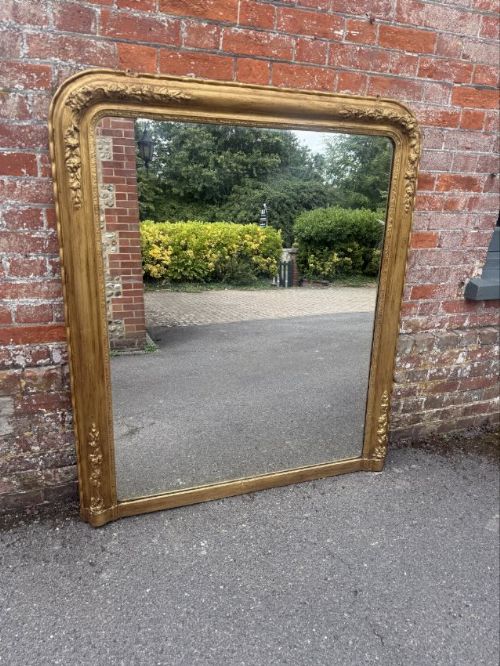
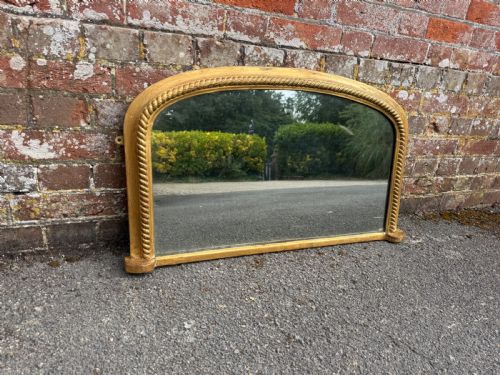
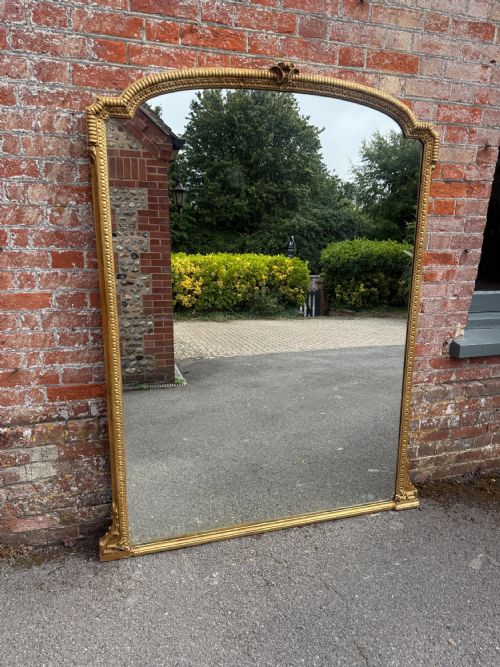
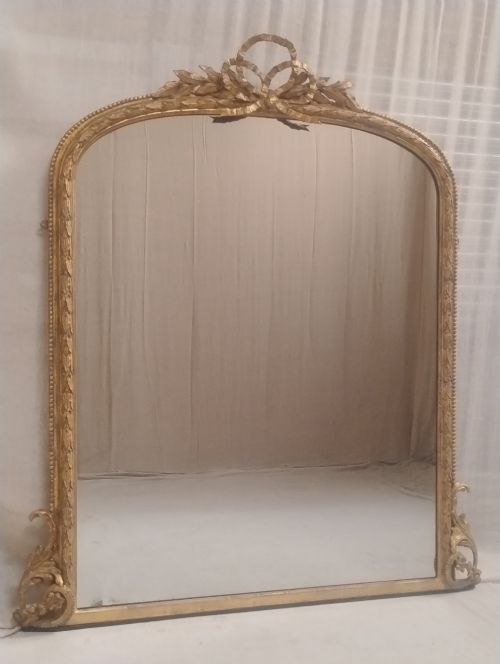
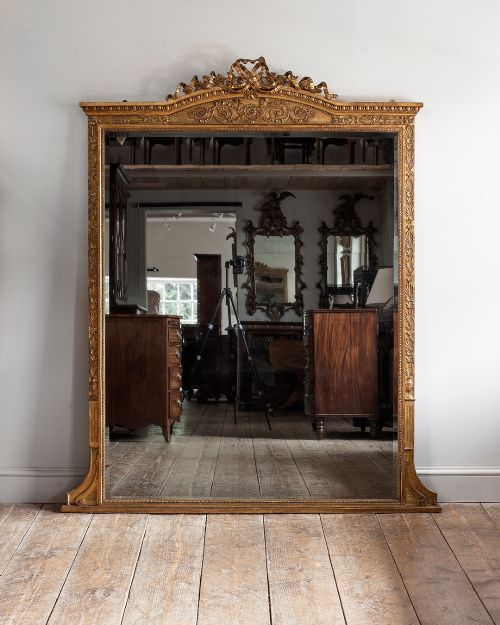
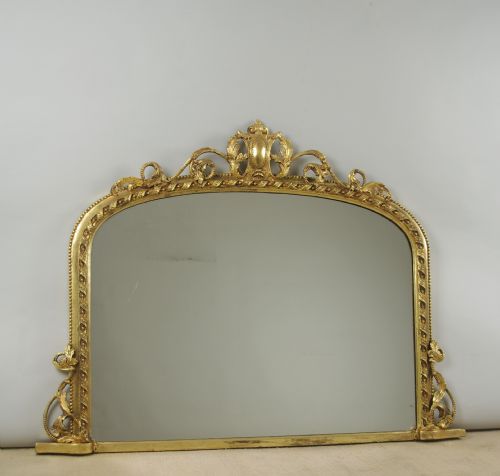
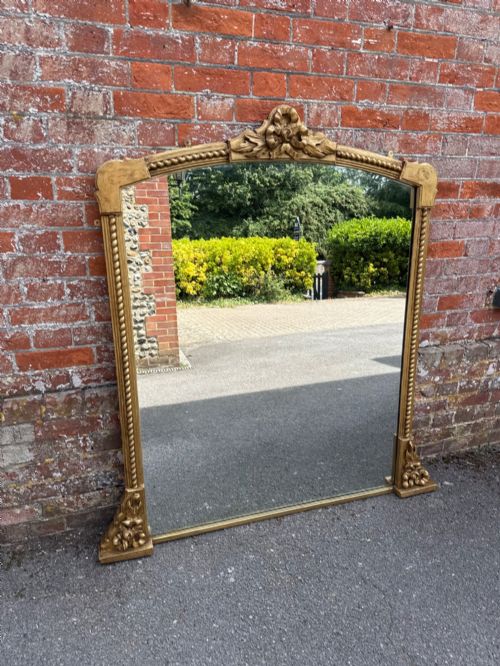
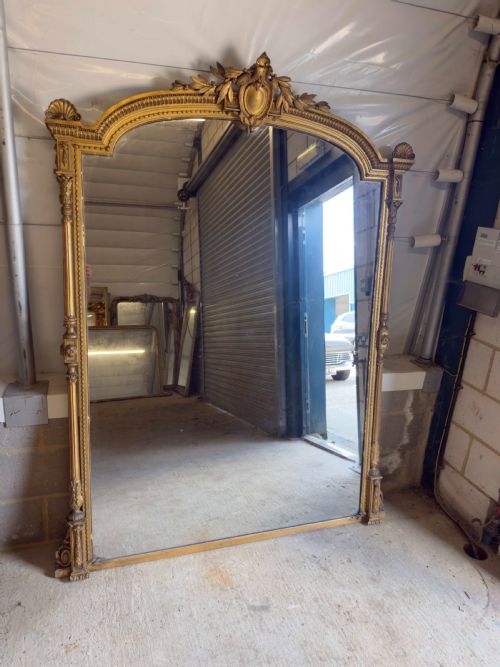
A victorian arched top mirror brings grand scale and reflected light into a room, most often appearing as a gilt overmantel designed to sit above a fireplace.
Victorian Arched Top Mirror
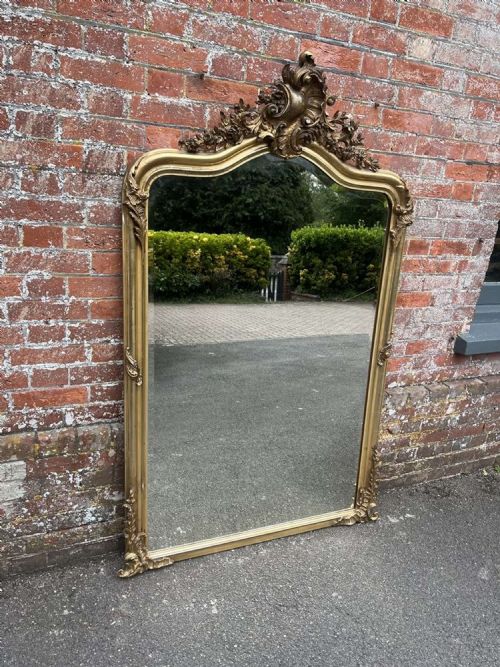
When searching for a victorian arched top mirror, a buyer encounters substantial wall mirrors and overmantels originating predominantly from the nineteenth century. These furnishings span English traditional designs and French rococo revival pieces, alongside occasional cheval mirrors.
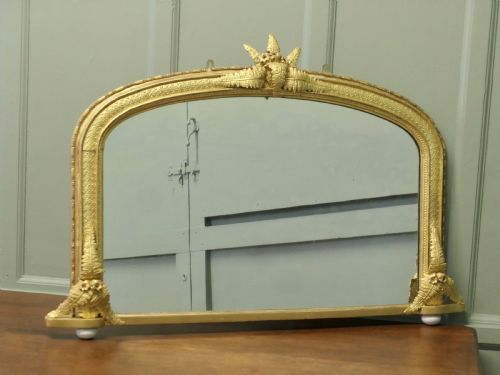
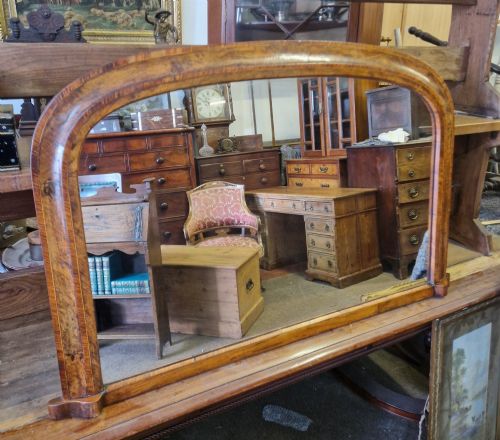
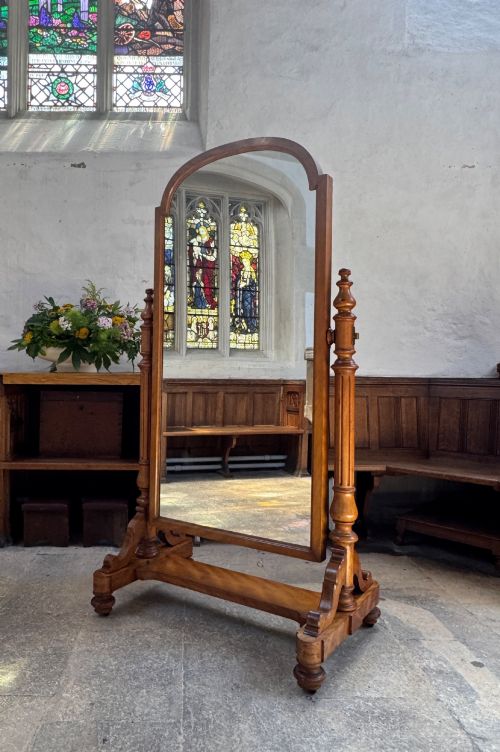
The dominant form on this page is the large overmantel mirror, built to command the chimney breast in period reception rooms. Alongside these grand architectural pieces, smaller wall mirrors and walnut or satin birch cheval mirrors appear.
How they were made
Frames are constructed from carved wood, frequently layered with gesso to receive intricate surface ornament and gilding with gold leaf. Composition material is also utilised for moulded decorative details on the wooden carcasses.
Giltwood and painted finishes define the visual character of these frames, sometimes complemented by parcel-silvering or ribbed and rope-twist mouldings.
What varies in quality
Quality rests upon the depth and crispness of the hand-carved wood beneath the gesso, distinguishing finely articulated mouldings from softer, mass-produced composition ornament. The handling of the original gilding and the preservation of early mirror glass further separate superior examples from later replacements.
Structural integrity of the heavy wooden frame matters greatly, as does the retention of original backing boards and framing elements that anchor these substantial hanging pieces.
The Victorian Arched Top Mirror Glossary
- Overmantel mirror
- A large mirror specifically proportioned to hang on the wall directly above a fireplace mantelpiece. These pieces often feature an arched top to echo the architectural curves of nineteenth-century chimney breasts.
- Gesso
- A plaster-like mixture applied to wooden frame foundations to create a smooth surface for gilding or painting. Deep carving in the underlying wood combined with crisp gesso relief indicates higher craftsmanship.
- Giltwood
- Timber that has been coated with gold leaf or metal leaf finishes. Period examples display authentic ageing and patina across the gilded surface.
- Cheval mirror
- A freestanding full-length mirror suspended within a movable frame on floor supports. These rotating glass panels allowed viewers to check their full attire.
- Cartouche
- An ornamental panel resembling a rolled-up scroll or shield, often placed at the apex of an arched frame. It provides a focal point for decorative carving.
- Composition
- A moulded mixture of whiting, resin, and oil pressed into shape for rapid ornamentation. It supplemented hand-carved wooden details on Victorian frames.
Victorian Arched Top Mirror: Frequently Asked Questions
Where should an overmantel mirror hang?
These mirrors traditionally anchor the space directly above a fireplace mantelpiece, reflecting light and balancing the hearth below. Their substantial scale makes them the visual centrepiece of a reception room.
Alternatively, hanging one opposite a window will maximise daylight and create an impression of greater depth within smaller spaces.
How do I identify a Victorian mirror?
Nineteenth-century mirrors reveal their age through heavy timber frames, gesso buildup, and characteristics of the glass plate itself. Construction methods such as hand-cut joinery point directly to the period.
Stylistic cues like rococo revival scrolls or architectural columns further place these items firmly within the Victorian era.
Can these mirrors stand on the floor?
While overmantel mirrors are primarily engineered to be hung securely on walls above fireplaces, their considerable weight requires professional wall fixings. Resting them on a mantel shelf while properly anchored prevents tipping.
Cheval mirrors, by contrast, are entirely freestanding and designed to stand directly on the floor with pivoting supports.
What is the difference between wall and overmantel mirrors?
Overmantel mirrors are specifically wide and proportioned to span the length of a fireplace surround. Standard wall mirrors follow varied dimensions suited for general wall spaces.
Both share arched top profiles and gilt finishes, but their intended architectural placement dictates their overall proportions.