
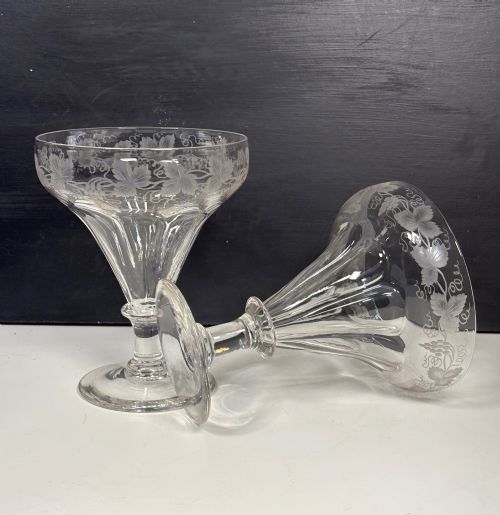


Victorian Goblet Pair
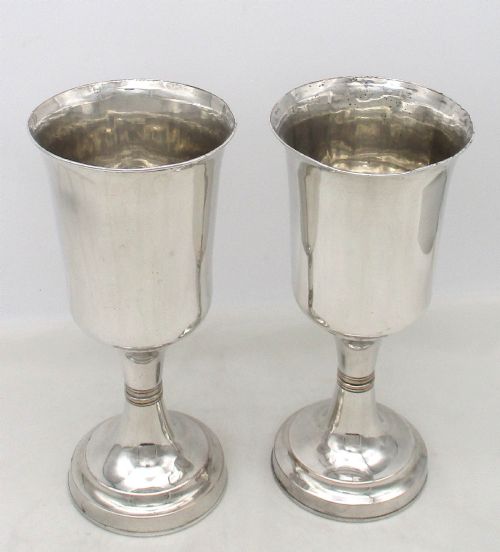
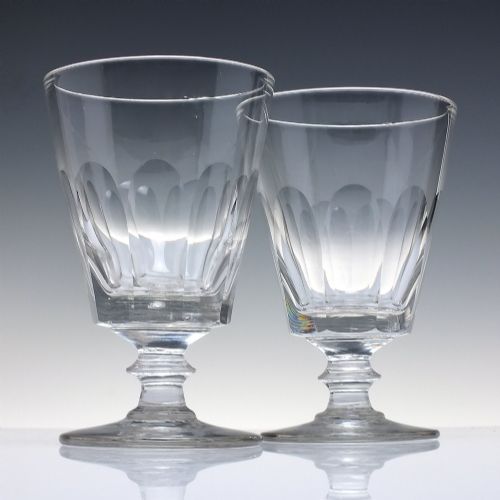
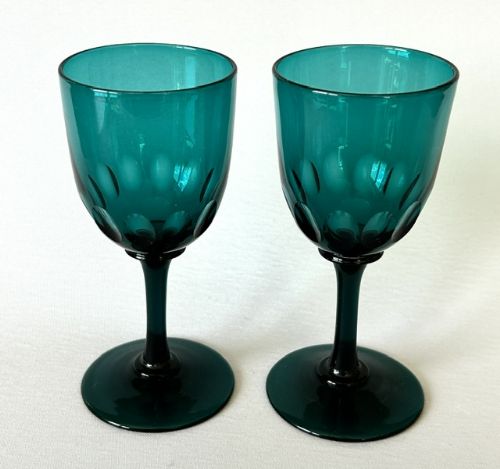
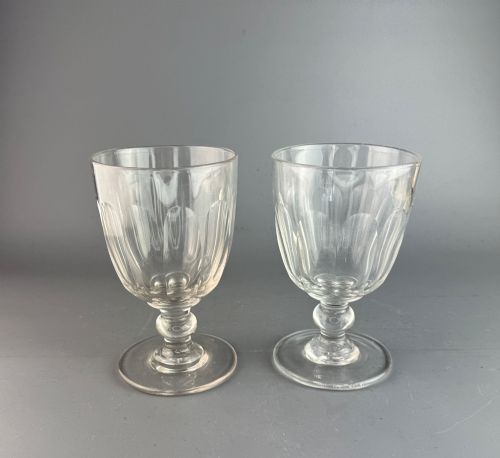
These Victorian goblet pair examples bring together heavy lead crystal, silver plate and coloured glass for the table.
Victorian Goblet Pair
When you search for a victorian goblet pair, you find drinking vessels and chalices shaped for wine, rummers and commemorative use. The selection spans straightforward glass drinking vessels alongside silver plated metal chalices and continental European imports.
Most entries date from the middle decades of the nineteenth century, running through the eighteen-fifties, sixties and eighties. You meet heavy cut glass rummers, tall green wine glasses and ecclesiastical vessels created for church or communion settings.
Styles range from domestic English table glass to Venetian revival pieces and Bohemian gilt or enamelled creations. Grand tour bronze drinking cups and Old Sheffield plated metal sit alongside clear and coloured glassware.
Materials and working techniques
Makers shaped lead crystal and clear or coloured glass through blowing, moulding and heavy cutting. Surfaces received further decoration via acid etching, wheel engraving, machine engraving, frosting and applied gold leaf gilding.
Metal items relied on Old Sheffield plating over a copper base, alongside cast bronze. Glass colouring involved techniques seen in Bohemian triple cased glass, uranium glass, latticino work and deep aqua or blue hues.
Venetian and Italian workshops contributed specialised techniques including figurative enamelling and delicate cane work. English glasshouses focused on heavy wrythen ribs, pan cuts and deep geometric facets.
The selection includes wine glasses, rummers, communion chalices and decorative jugs originating from England, Italy and Bohemia.
Assessing quality in nineteenth-century drinking vessels
Quality rests on the depth and crispness of the glass cutting, engraving or acid etching. Sharper facets and more deliberate wheel work distinguish finer table glass from simpler moulded wares.
The weight of the metal or the clarity and richness of coloured glass set the standard for each piece. Heavier lead crystal bodies and well-preserved Old Sheffield plating demonstrate superior original manufacture.
Stevens and Williams·Salviati
The Victorian Goblet Pair Glossary
- Rummer
- A large heavy drinking glass used for wine or ale during the eighteenth and nineteenth centuries. They often feature generous bowls supported on short sturdy stems.
- Old Sheffield Plate
- A composite material formed by fusing a sheet of silver to a copper base before rolling and shaping. This technique creates durable metal vessels with genuine silver surfaces.
- Wrythen
- A decorative spiral twist moulded into the body of glassware. It catches the light and adds structural strength to heavy drinking vessels.
- Cased glass
- Glass made by fusing layers of different colours together. Artisans then cut through the outer layers to reveal contrasting colours beneath.
- Latticino
- A Venetian glass technique incorporating white or coloured glass threads within clear glass. It produces delicate network patterns across the object.
Victorian Goblet Pair: Frequently Asked Questions
How were Victorian goblets used?
These vessels served diverse roles ranging from formal dining table wine service to ecclesiastical communion rites. Heavier rummers held ale or wine during gatherings, while decorative coloured pairs functioned as display pieces.
Silver plated chalices found their place in church services, and grand tour bronze cups acted as cabinet curiosities. Their varied forms reflect the specific domestic and ritual needs of the nineteenth century.
Are these glass pairs drinking glasses?
Many examples on this page were designed for drinking, particularly the wine glasses, rummers and claret jugs. Their thick lead crystal walls and sturdy stems suited active daily use at the dining table.
Some delicate coloured or gilt Bohemian vessels and ecclesiastical chalices served more decorative or ritual purposes rather than everyday dining. Checking the bowl depth and rim thickness helps determine their original function.
How can I tell early Victorian from late Victorian pieces?
Early Victorian items often display heavy wrythen moulding, simpler heavy cutting and robust proportions characteristic of the eighteen-fifties. Metal vessels from this time frequently utilise Old Sheffield plating techniques.
Late Victorian examples from the eighteen-eighties and nineties introduce acid cut cameo work, machine engraving and elaborate Venetian revival styles. Examining the manufacturing technique and decorative motifs clarifies the production period.