


Antique Spirit Goblets
Antique spirit goblets bring tangible weight and historical gravitas to any table, offering collectors a direct link to eighteenth and nineteenth century drinking customs.
Antique Spirit Goblets
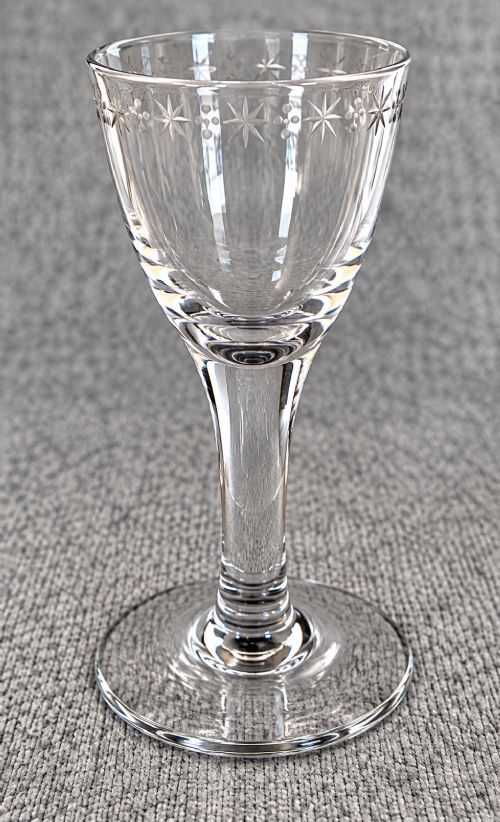
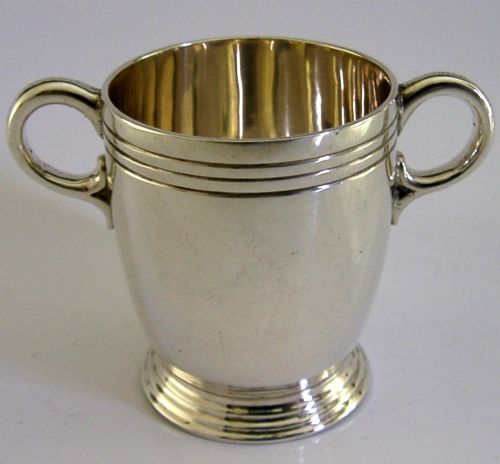
When you search for antique spirit goblets, you encounter a specialised range of drinking vessels designed for cordials, gins, drams, and heavy spirits across the eighteenth and nineteenth centuries. These pieces span compact dram glasses and gin glasses up to larger rummers and sterling silver beaker cups.
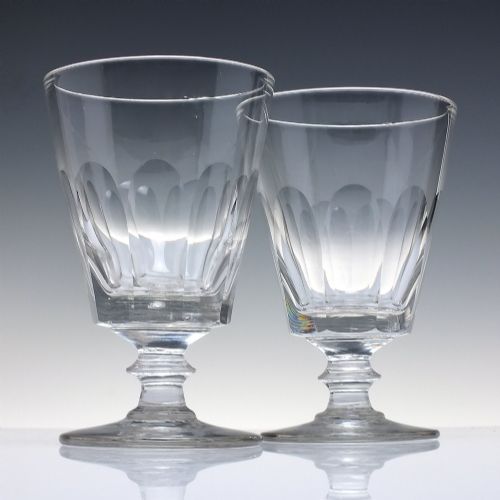
The selections on this page lean heavily towards eighteenth-century lead glass forms alongside Victorian rummers and mid-century silver barware. You find baluster stems, air twists, opaque twists, and folded feet within these groupings.
Forms range from diminutive dram glasses intended for potent liquors to sturdy rummers and tall cordial wine glasses. Each object reflects the prevailing drinking habits of its specific period, whether Georgian or Victorian.
How they were made
Glass vessels in this category utilise lead glass and lead crystal, shaped through hand-blown glass techniques that frequently incorporate cut glass decorative elements. Makers introduced basal bubbles and complex air twist or opaque twist formations inside the stems during manufacturing.
Silver items rely on heavy sterling silver construction, evidenced by substantial gram weights suited to barware use. Metal and glass alike show the manual effort characteristic of pre-industrial workshops.
Listings here span the eighteenth century, the Victorian era, and nineteen thirty, covering lead glass, clear glass, and sterling silver.
What varies in quality
Quality rests in the precision of the stem formation and the clarity of the metal, whether lead crystal or sterling silver. Stronger examples display deliberate balance, such as heavy baluster profiles and crisp etching or engraving.
The Antique Spirit Goblets Glossary
- Baluster stem
- A heavy, swelling stem shape reminiscent of architectural balusters, common in early Georgian glassware. This form gives the piece a solid hand-feel.
- Air twist
- A spiral thread of trapped air running through the glass stem, created by manipulating bubbles during manufacture. Collectors prize the optical play these strands produce.
- Opaque twist
- A white or coloured enamel glass rod drawn into a spiral within a clear stem. It marks a distinct technological shift in mid-eighteenth-century English glasshouses.
- Rummer
- A large, sturdy goblet popular in the Georgian and Victorian eras, originally used for rum and punch. They generally feature short stems and capacious bowls.
- Folded foot
- A glass base where the rim is turned under to create a reinforced edge. This technique adds durability to delicate drinking vessels.
Antique Spirit Goblets: Frequently Asked Questions
What is an antique spirit goblet?
An antique spirit goblet is a small drinking vessel created for concentrated liquors like gin, drams, and cordials during past centuries. They were engineered to hold small, potent measures rather than large volumes of liquid.
These pieces showcase historical glassmaking and silversmithing techniques, serving as both functional barware and decorative display objects today.
How were eighteenth century dram glasses used?
Eighteenth-century dram glasses were utilised for serving neat spirits, liqueurs, and medicinal cordials after meals. Their compact capacities suited the high alcohol content of the drinks consumed at the time.
Hosts kept them on sideboards or in cellarets, bringing them out specifically for toasts and private hospitality.
How do I tell an air twist from an opaque twist?
An air twist contains clear, elongated bubbles trapped and spun inside the glass stem to form a subtle helical pattern. It relies purely on the manipulation of air within the material.
An opaque twist incorporates solid white or coloured glass threads drawn into distinct spiral ribbons. These opaque canes stand out clearly against the surrounding clear metal.
Can I use antique glassware for drinks?
You can use antique glassware for drinks provided you handle it with care and wash it by hand in lukewarm water. Sudden temperature changes can crack old lead glass.
Many collectors prefer to enjoy their pieces in active service rather than keeping them locked behind glass cabinets, connecting directly with historical domestic life.
What defines a rummer?
A rummer is a capacious, sturdy goblet with a thick bowl and a short, stout stem resting on a broad foot. They were built to withstand robust tavern and household use.
Their heavy proportions made them ideal for serving punch, rum, and beer in Georgian and Victorian settings.