

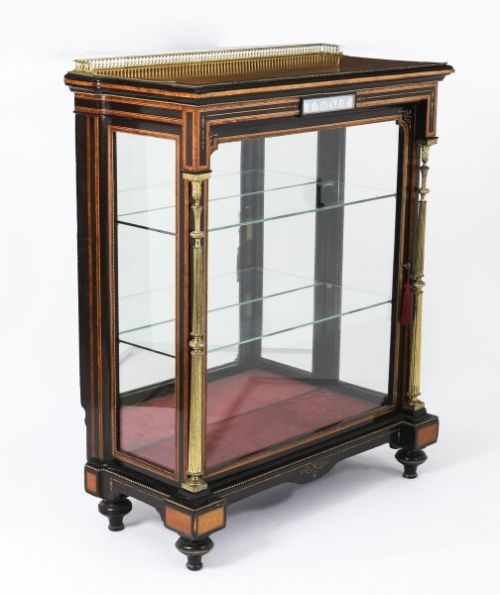


Victorian Glazed Showcase
A victorian glazed showcase brings order to curiosities, offering glass fronts and polished timber frames designed to hold everything from silver to chocolate.
Victorian Glazed Showcase
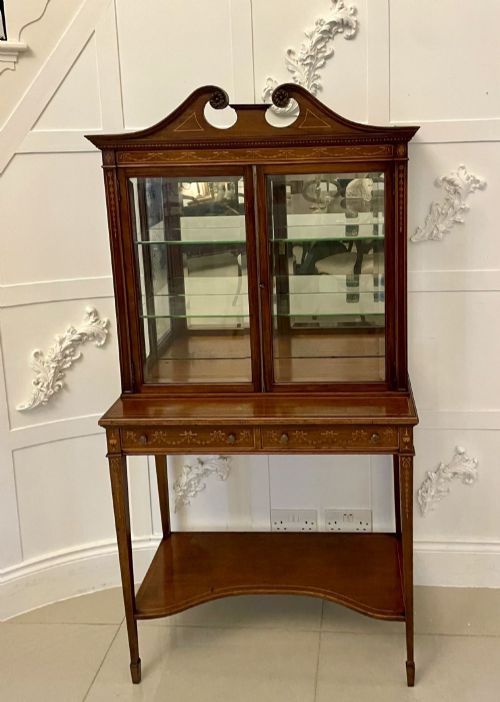
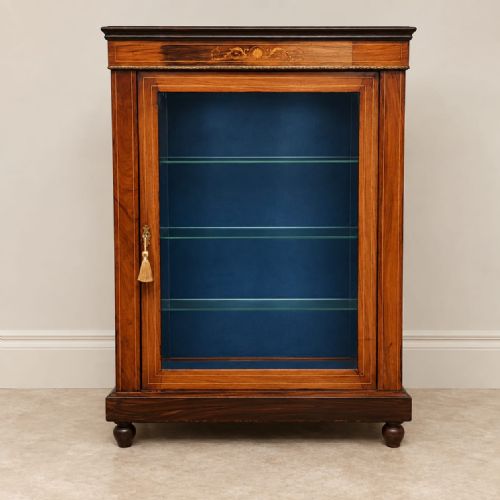
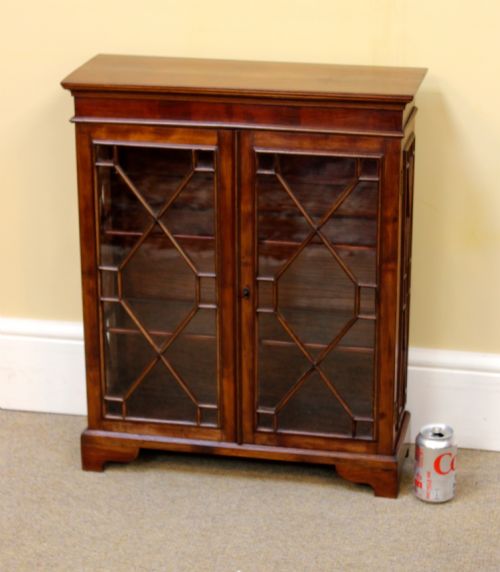
A victorian glazed showcase serves as a dedicated vessel for display, originating primarily in the nineteenth century and spanning domestic parlours and commercial premises alike. Buyers frequently encounter tabletop counters, wall-hanging units, and substantial floor-standing cabinets built from timbers such as mahogany, walnut, and oak.
The domestic pieces lean towards refined pier cabinets and corner cupboards with delicate inlay, while commercial examples often present as shop-fitting display counters or glazed wall cases. These functional forms reflect a period obsessed with classification, retail presentation, and the safe exhibition of prized possessions.
Materials and Construction
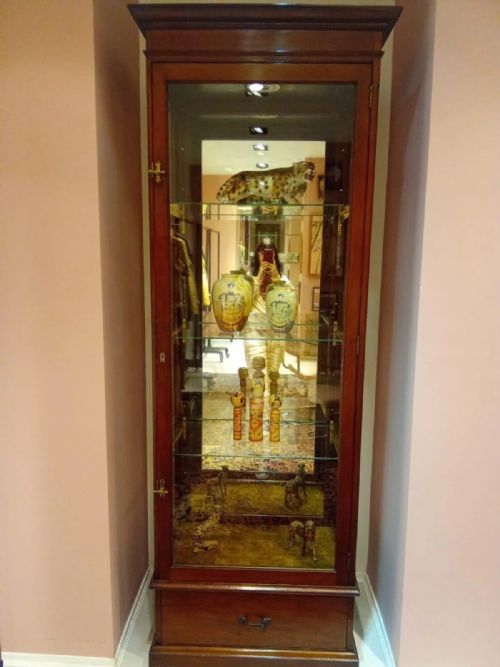
Cabinet makers utilised dense hardwoods like mahogany, walnut, and oak as the structural backbone for these showcases, frequently embellishing them with veneers, brass mounts, and ormolu. Glass panels were secured within rebated frames, sometimes complemented by mirrored interiors to amplify light and reflect the items on display.
Commercial shop fittings often incorporated adjustable glass shelves and hand sign-written advertising panels for brands like Fry's chocolate or Rowntree's cocoa. Tabletop versions and bijouterie cases relied on tight joinery and lockable hinged lids to protect fragile contents without obscuring the view.
Several heavy shop cabinets carry surviving hand-painted advertisements for cocoa and chocolate, proving that nineteenth-century sweet tooths needed serious security.
Assessing Quality and Execution
Superior examples reveal themselves through the selection of figured timbers, such as burr walnut or amboyna, paired with crisp hand-cut inlay and solid brass hardware. The integration of curved or bevelled glass panels and original mirrored backs separates high-end domestic vitrines from utilitarian shop counters.
Construction methods dictate longevity, where tight dovetail joints, functioning original locks, and well-balanced doors distinguish master carpentry from hurried production. Secondary woods and later alterations, such as added sign-writing, alter the character of a piece but speak directly to its working history.
Robert West Gunsmith·Fry's Chocolate·Cadbury's Cocoa
The Victorian Glazed Showcase Glossary
- Pier cabinet
- A low cabinet designed specifically to stand against the narrow wall space between windows, frequently featuring glazed doors and elaborate marquetry.
- Bijouterie table
- A glass-topped display table intended for smaller luxury items, medals, or jewellery, often raised on slender legs with hinged access.
- Vitrine
- A glass display cabinet designed to exhibit porcelain, curiosities, or books while protecting them from dust.
- Ormolu
- Gilded bronze mounts applied to furniture and cabinets for decorative accent during the nineteenth century.
- Apothecary cabinet
- A utilitarian storage unit with numerous small drawers or compartments, sometimes adapted with glass doors for commercial display.
Victorian Glazed Showcase: Frequently Asked Questions
Where should I place a glazed showcase?
Position your cabinet away from direct sunlight to protect interior fabrics and timber finishes from fading. Placing it against a sturdy wall in a hallway, dining room, or living space ensures stability for the glass panels.
Consider the height of the piece relative to surrounding furniture so the glazed doors open comfortably. Counter-top and table models require a stable surface at a comfortable viewing height.
How do I clean the glass and timber?
Dust the timber regularly with a soft, dry cloth to prevent grit accumulation on polished mahogany or walnut surfaces. Avoid harsh chemical sprays that can degrade nineteenth-century French polish.
Use a mild glass cleaner applied directly to a cloth rather than the glass itself, preventing liquid from seeping into timber frames or old putty seals.
Can I adjust the shelves?
Domestic pier cabinets and older vitrines often feature fixed wooden or glass rests, while shop display units frequently include adjustable metal brackets. Inspect the interior uprights to see if movable clips or notches support the glass.
Exercise caution when handling old plate glass shelves, as they can be heavy and vulnerable to chipping against cabinet walls.
How do I tell domestic from shop cabinets?
Domestic cabinets usually feature refined veneers, intricate marquetry, and polished finishes designed for a parlour or drawing room. They prioritize aesthetic elegance alongside display.
Shop fittings and counter-top cases prioritize visibility and heavy daily use, often featuring robust hardwood frames, mirrored backs, and commercial lettering or advertising.