





Victorian Glazed Oak Bookcase
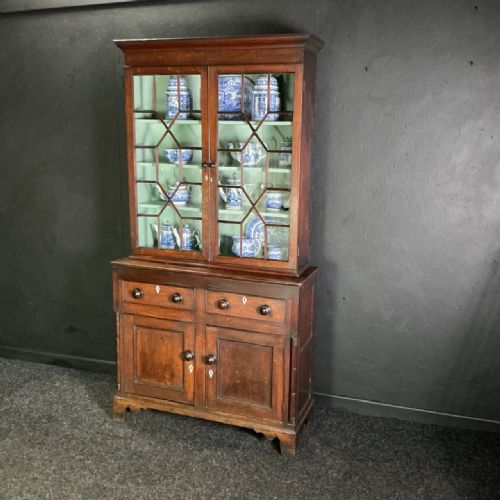
When you search for a victorian glazed oak bookcase, you are looking for a substantial piece of furniture designed to house and display library collections.
Victorian Glazed Oak Bookcase
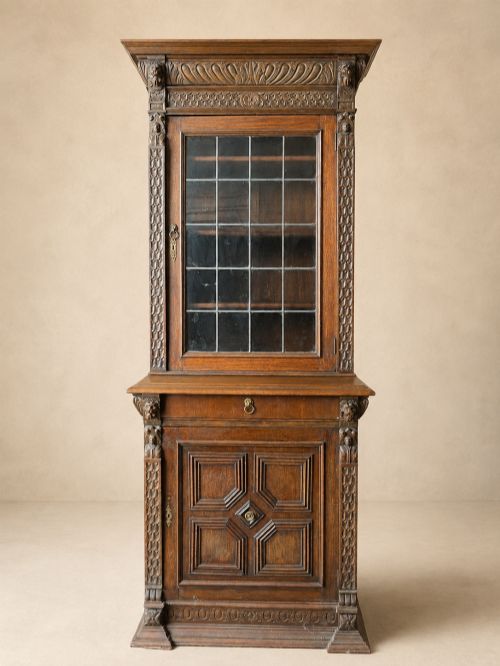
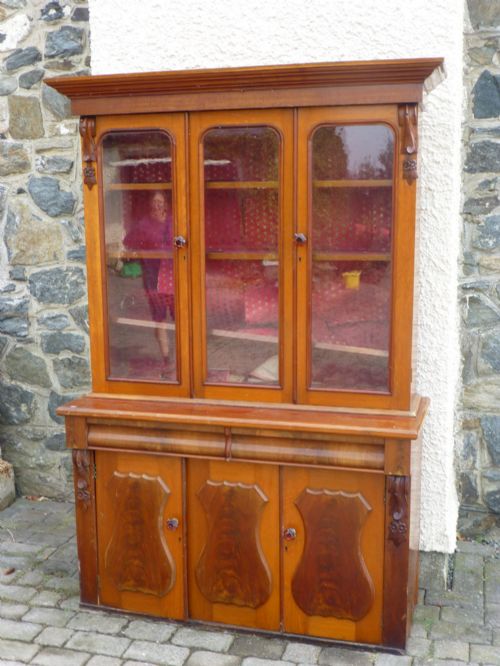
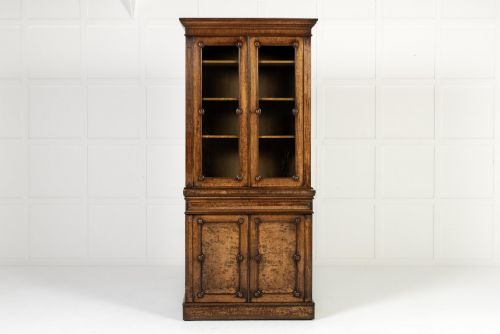
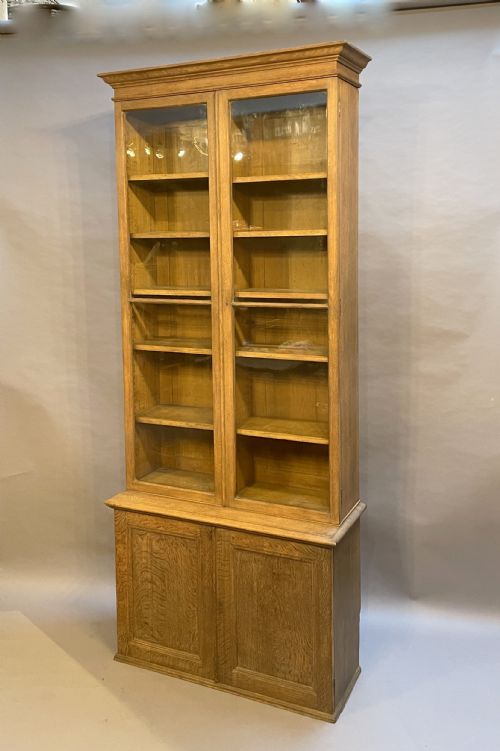
A victorian glazed oak bookcase is a tall or dwarf cabinet featuring glass-fronted upper doors and a solid wooden lower cupboard or plinth base, built primarily to protect heavy volumes from dust.
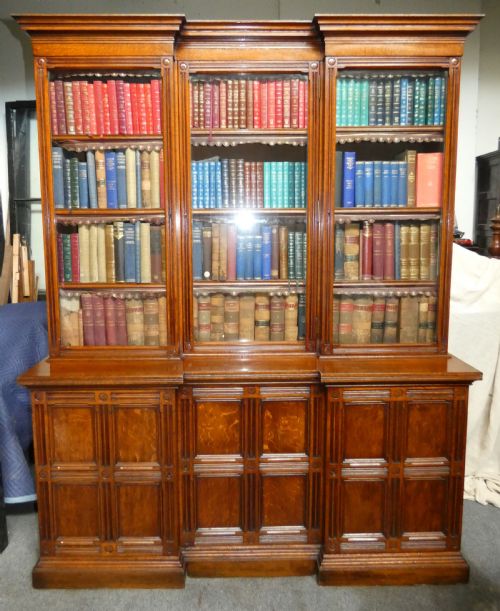
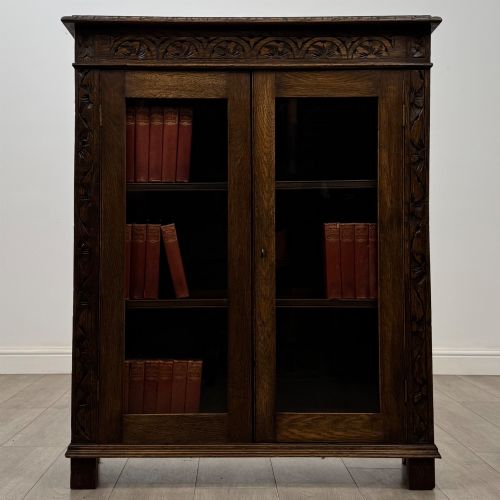
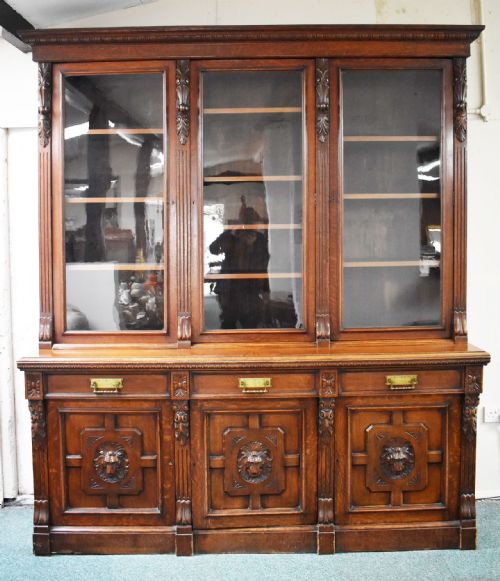
The pieces available in this category range from simple two-door units to monumental breakfront library bookcases with elaborate architectural carvings and adjustable internal shelving.
Makers and workshops produced these cabinets in various regional British and continental styles, incorporating Gothic Revival details, Jacobean motifs, or cleaner Arts and Crafts lines.
How They Were Made
Cabinet makers built these pieces using solid oak and occasionally pollard oak veneers, selected for distinct grain patterns and durability.
Glazing techniques involved framing individual panes of glass within wooden astragals or lead cames to form clear view panels for the books inside.
Hardware such as brass hinges, escutcheons, and panel locks secured the doors, while internal wooden racks allowed owners to alter shelf heights.
One late 19th-century oak cabinet bears later sign-writing advertising German beer-related emblems for a local cellar.
What Varies in Quality
The standard of a victorian glazed oak bookcase depends on the selection of timber, particularly where figured pollard oak or dense golden oak is matched across large expanses.
Execution of carved ornamentation marks the division between standard production and exceptional workshop output, with deep hand-chisselled panels outlasting shallow machine milling.
Internal engineering, such as the smooth operation of adjustable shelf brackets and the structural integrity of heavy cornice mouldings, dictates longevity.
Howard And Sons·Morris And Co·George W Jack·Harris Lebus·A Blain And Son
The Victorian Glazed Oak Bookcase Glossary
- Astragal
- A narrow moulding used to hold glass panes within a door frame. These strips divide the large glass area into smaller lights.
- Breakfront
- A large piece of furniture where the central section projects forward from the flanking wings. This layout creates depth and architectural interest in a library setting.
- Pollard Oak
- Timber harvested from trees that were cut back to encourage a dense burst of branches, producing a highly figured and swirling grain pattern. Cabinet makers valued this wood for decorative door panels.
- Secretaire
- A desk form featuring a pull-down writing flap concealing small drawers and pigeonholes. In these pieces, the writing compartment sits below the glazed upper section.
- Plinth
- The heavy solid base upon which the main body of the bookcase rests. It elevates the furniture and provides a stable foundation for the structure.
Victorian Glazed Oak Bookcase: Frequently Asked Questions
How do I adjust the shelves?
Most period bookcases use a system of vertical wooden ratchets, metal shelf studs, or movable wooden brackets attached to the interior walls. You simply lift the shelf and reposition the support pegs into the desired slots.
Take care when moving older shelving boards, as seasoned oak can be heavy and the supporting tracks may require gentle handling to avoid splintering the dry timber.
Are the glass panels original?
Original glass panes often display minor surface imperfections, slight waviness, and small air bubbles formed during historic manufacturing processes. These subtle traits help confirm that the glazing has not been replaced.
Modern replacement glass tends to be perfectly flat and lacks the optical distortions characteristic of nineteenth-century window production.
How should I clean the oak?
Dust the exterior regularly with a dry, soft, lint-free cloth to prevent particulate buildup in the carved recesses and mouldings. Avoid silicone-based sprays, opting instead for traditional beeswax applied sparingly to nourish the grain.
Buff the surface gently after waxing to maintain a natural satin sheen without sealing moisture into the pores of the antique wood.