
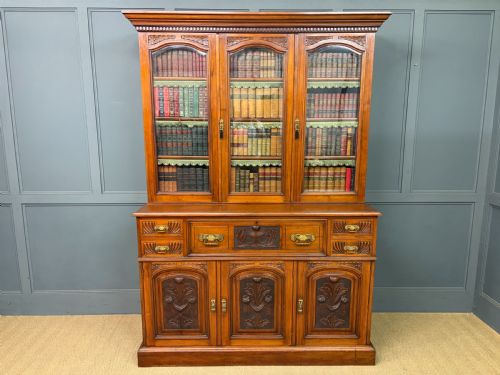
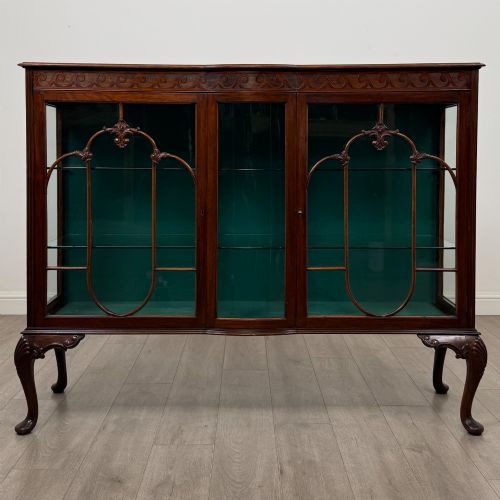
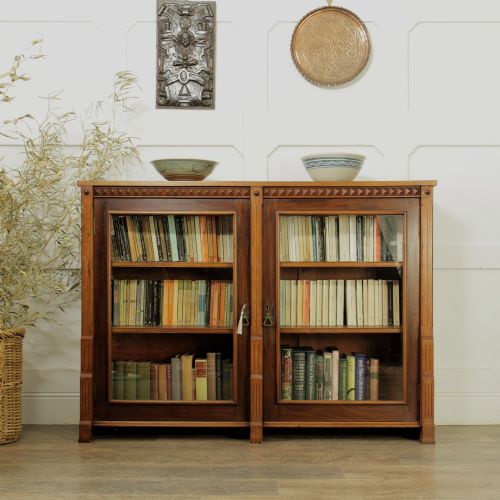
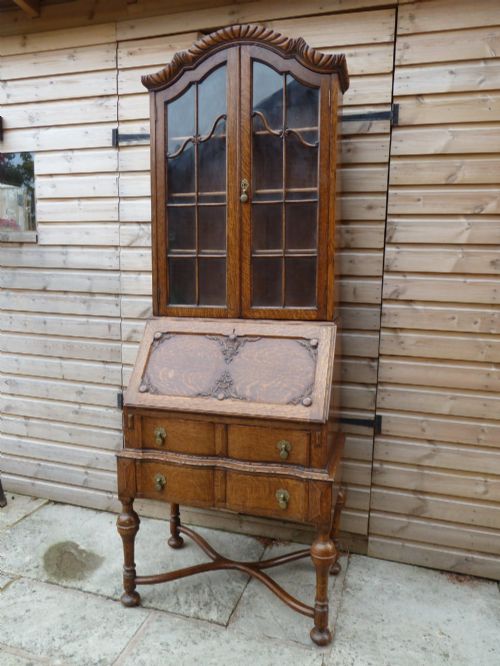
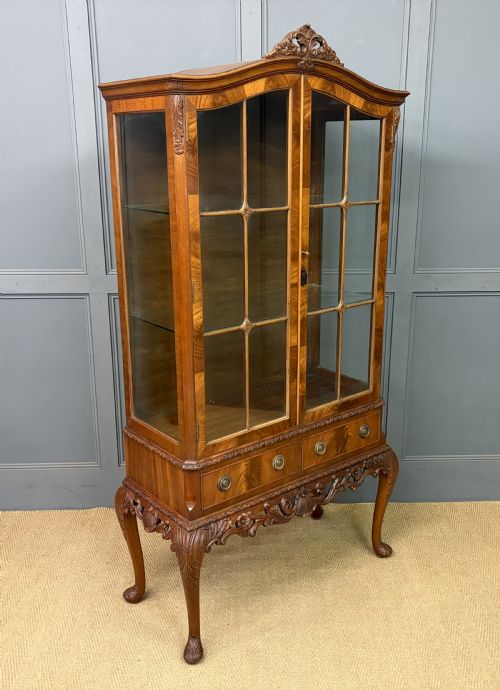
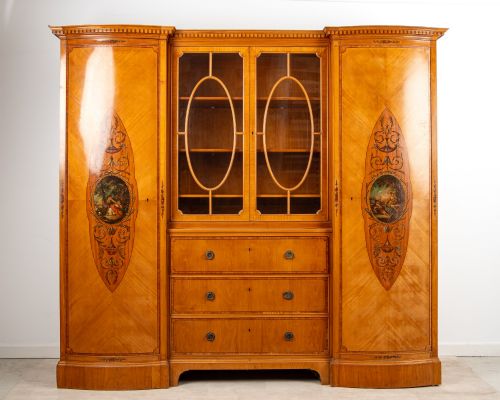
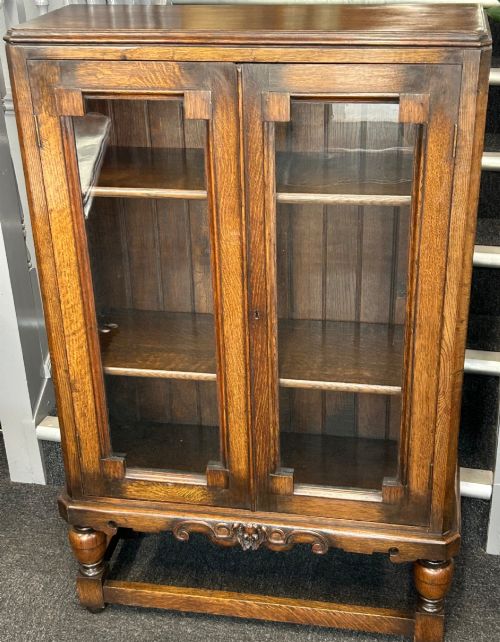
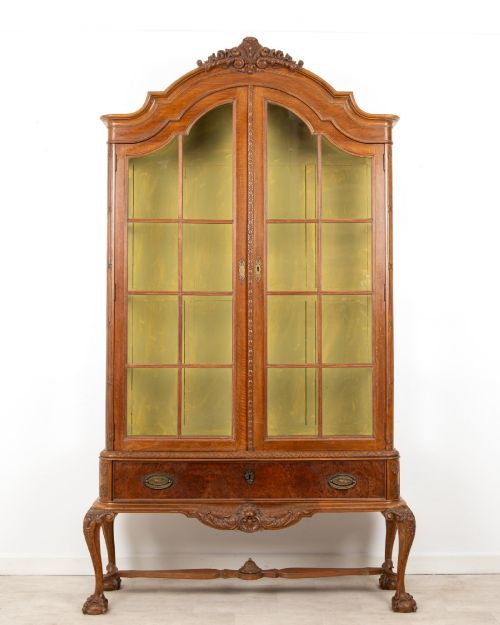
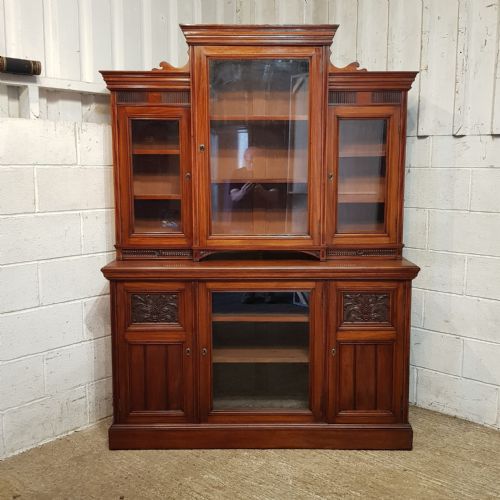
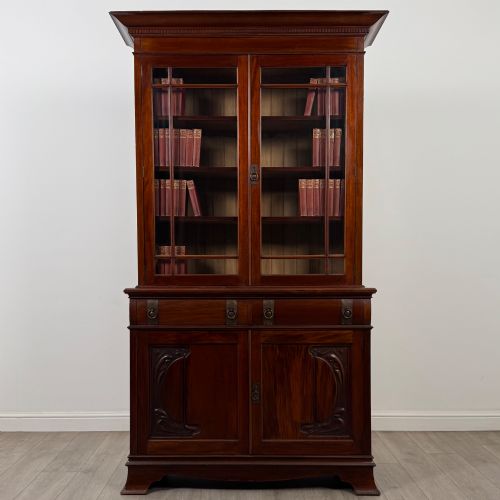
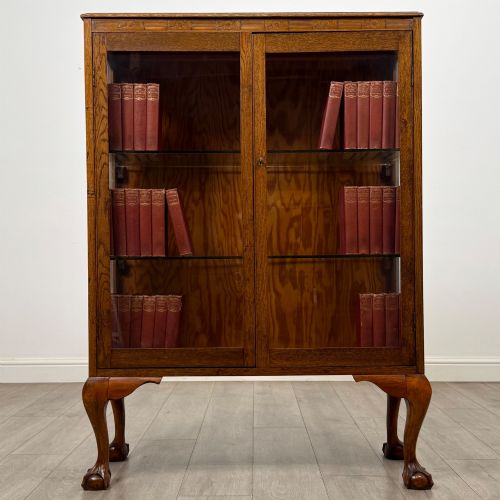
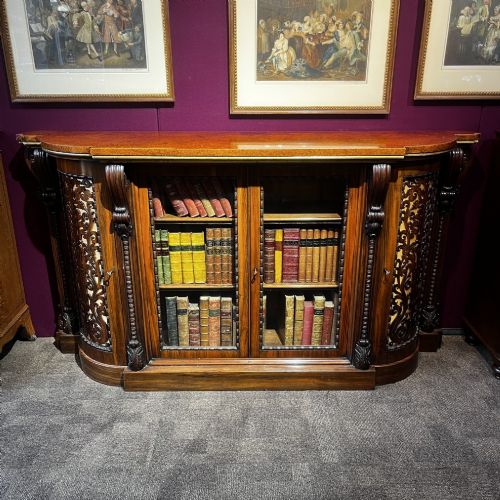
Edwardian Carved Glazed Bookcase
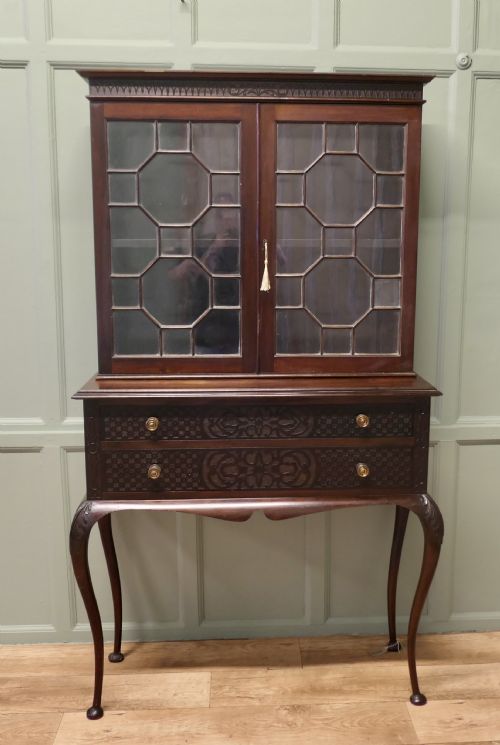
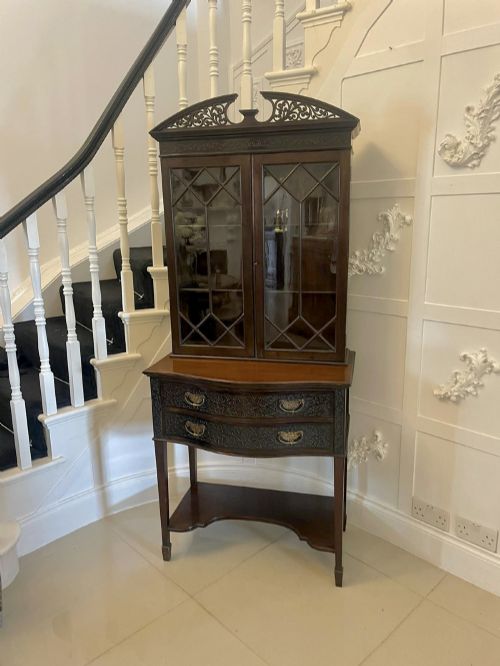
An Edwardian carved glazed bookcase brings together glass, timber, and fitted shelving to hold a library in style.
Edwardian Carved Glazed Bookcase
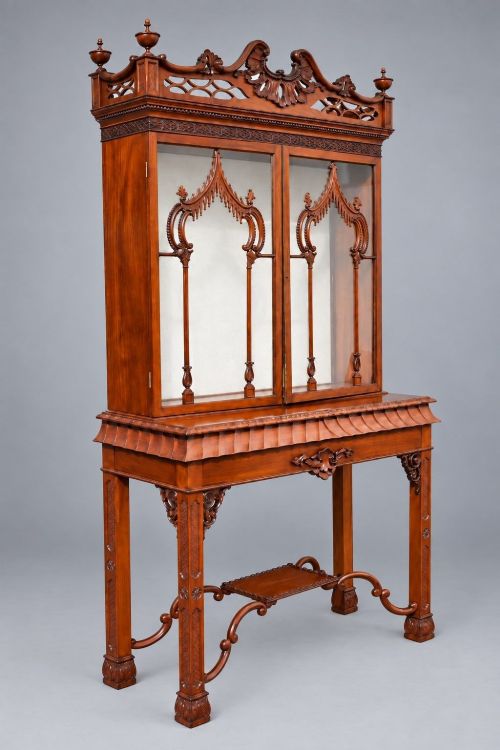
An edwardian carved glazed bookcase combines timber construction with glass doors and carved detail, serving as a prominent storage piece for books and display items. Pieces meeting this description span the late nineteenth century through to the early twentieth century, drawing on revival styles like Chippendale, Queen Anne, and Jacobean alongside Edwardian design.
The format varies from double-door cabinets and breakfront forms to bureau bookcases and compact display pieces. Mahogany, oak, and walnut form the primary timber bodies, fitted with transparent glass panels to protect volumes while keeping titles visible.
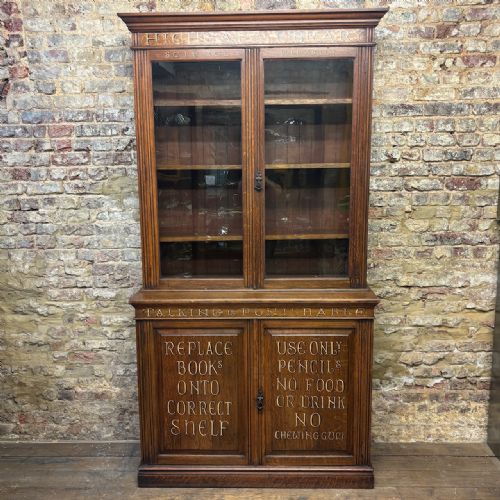
Buyers encounter freestanding double bookcases, tall library editions, and smaller cabinets with inlaid satinwood or painted panels. These variations reflect the diverse domestic and institutional interiors of the period, from grand drawing rooms to school libraries.
Materials and Construction
Cabinet makers utilised dense hardwoods like mahogany, oak, and walnut, frequently selecting figured grains and applying satinwood stringing or marquetry for decorative contrast. Brass hardware such as hinges, handles, and escutcheons secured doors and drawers while adding metallic accents.
Glass panels were set into wooden frames or astral bars, requiring precise joinery to support large transparent panes safely. Carving was executed directly into the solid timber frames and cornices, defining motifs associated with revival styles like Chippendale and Queen Anne.
Listings span the Victorian and Edwardian periods, featuring materials such as mahogany, oak, walnut, and satinwood combined with brass and glass.
Markers of Quality
Quality rests in the selection of timber, the crispness of the hand carving, and the weight of the brass fittings. Bookcases featuring figured mahogany, detailed marquetry, or intricate walnut grain demonstrate superior selection by the original maker.
Joinery execution separates standard utility pieces from fine cabinet work, particularly in the precision of the glazed door frames and the stability of the shelving. The integration of painted panels or specialised glass adds further distinction to the build.
Maple & Co.·Waring & Gillow·Goodhall, Lamb and Heighway of Manchester
The Edwardian Carved Glazed Bookcase Glossary
- Astral glazed
- Glass doors divided into smaller panes by wooden bars called astrals or muntins. This method secures the glass while creating a decorative geometric pattern across the front.
- Breakfront
- A piece of furniture where the central section projects forward from the flanking wings. This architectural arrangement creates depth and visual balance on large cabinets.
- Marquetry
- The art of applying decorative veneer pieces in wood, metal, or shell to form pictorial patterns on a timber surface. Craftsmen use this technique to adorn cabinet doors and friezes.
- Satinwood
- A pale, lustrous hardwood sourced from tropical trees, utilised as a solid timber or fine veneer for banding and inlay work. It contrasts sharply with darker woods like mahogany.
- Secretaire
- A desk form incorporating a drop-front writing drawer fitted with small internal compartments and pigeonholes. It integrates writing utility directly into the bookcase structure.
Edwardian Carved Glazed Bookcase: Frequently Asked Questions
What is an edwardian carved glazed bookcase?
An edwardian carved glazed bookcase is a wooden cabinet featuring glass doors and carved decorative elements, designed to store and display books. These pieces date predominantly from the late nineteenth and early twentieth centuries.
They utilise timbers like mahogany, oak, and walnut, often reflecting revival styles such as Chippendale and Queen Anne. The enclosed shelving protects volumes from dust while maintaining visibility.
How do I date these bookcases?
Dating relies on identifying timber choices, revival styles, and construction techniques recorded across the period. Edwardian and late Victorian examples often combine traditional mahogany or oak with specific inlay work.
Hardware styles, glass clarity, and secondary woods inside drawers also help establish the era of manufacture. Surviving labels or stamps from known firms provide definitive dates.
Where were these bookcases placed?
These cabinets sat primarily in libraries, studies, and formal drawing rooms of large homes. Their glazed doors allowed owners to showcase prized literary collections while keeping them secure.
Smaller variations also served in dining rooms for displaying china alongside books, or in institutional settings like school libraries where durability was paramount.
How do I care for the timber?
Timber surfaces benefit from stable room environments away from direct sunlight and dramatic humidity changes. Applying natural wax periodically maintains the moisture and finish of woods like mahogany and oak.
Glass panels require gentle cleaning with standard window solutions applied to a cloth rather than sprayed directly, protecting the surrounding wooden frames.