
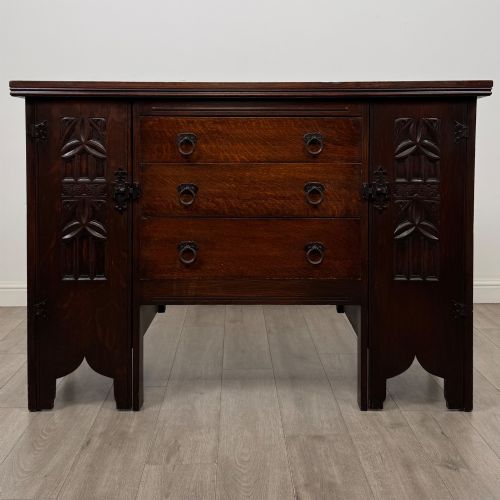
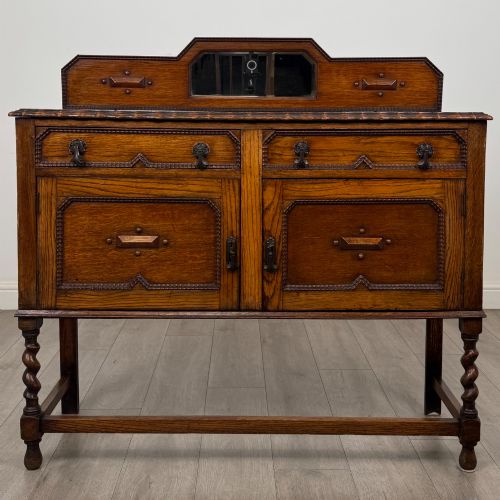
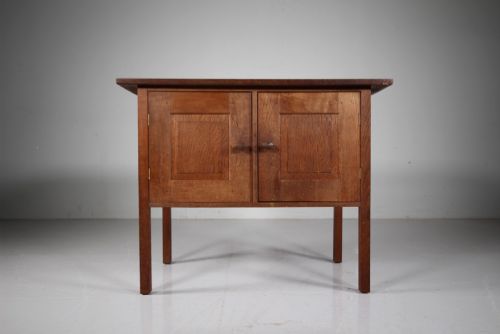
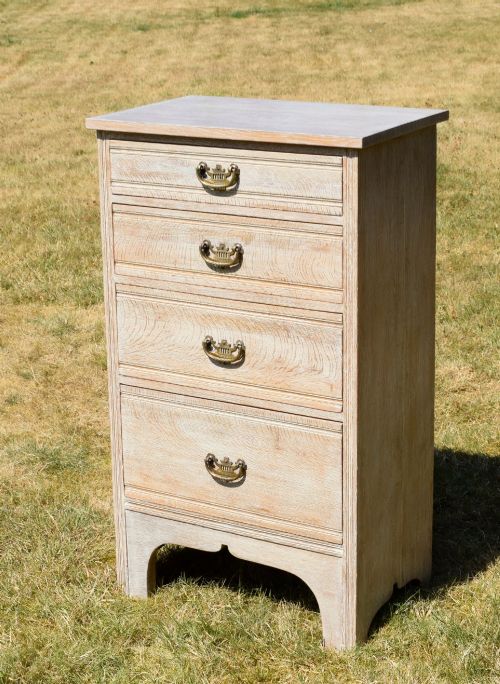
Edwardian Oak Dresser Cabinet
An edwardian oak dresser cabinet brings substantial timber work and honest utility into a room, uniting storage space with display.
Edwardian Oak Dresser Cabinet
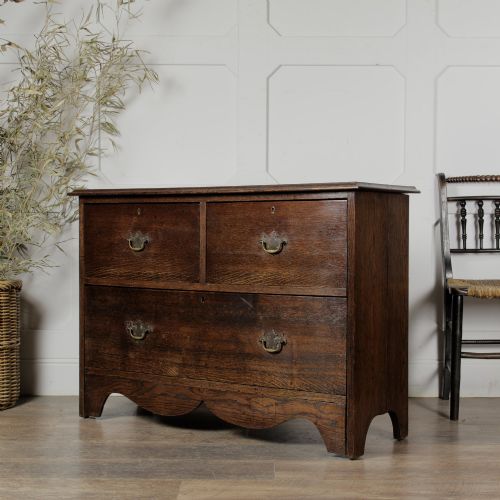
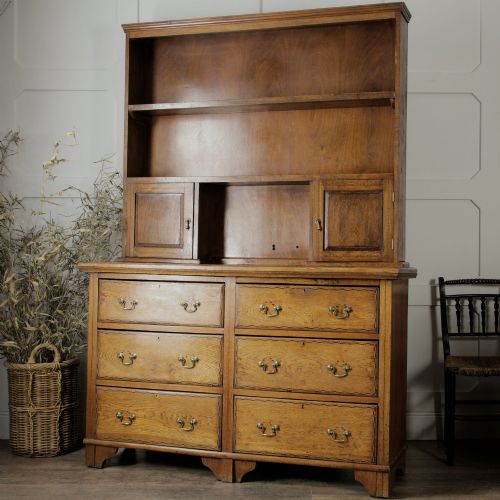
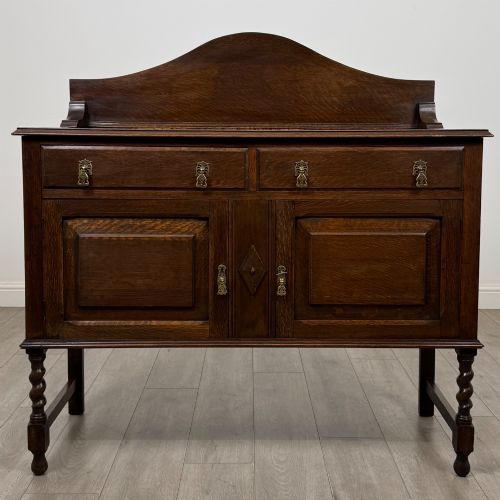
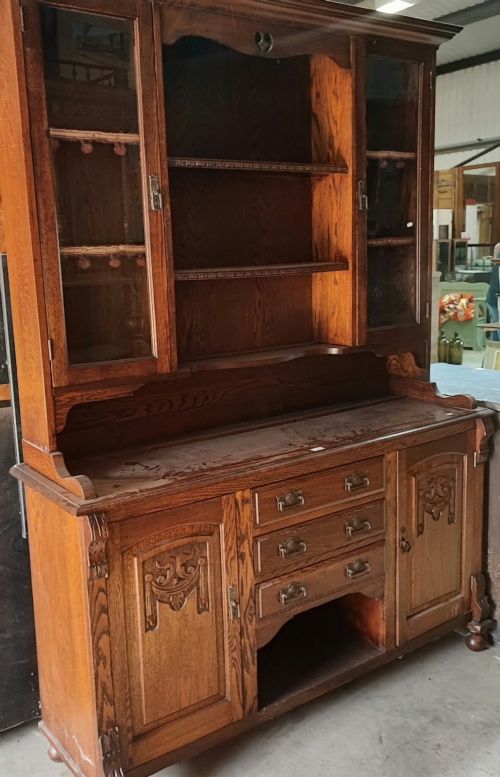
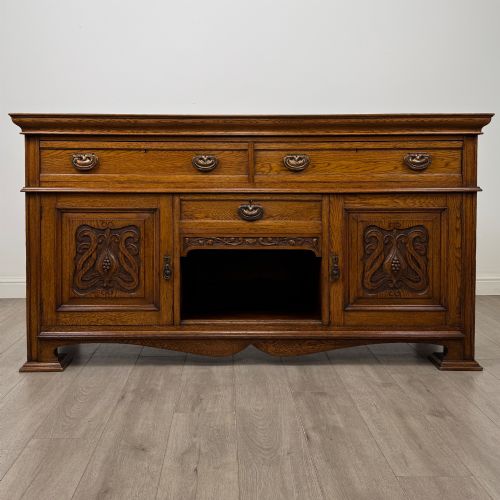
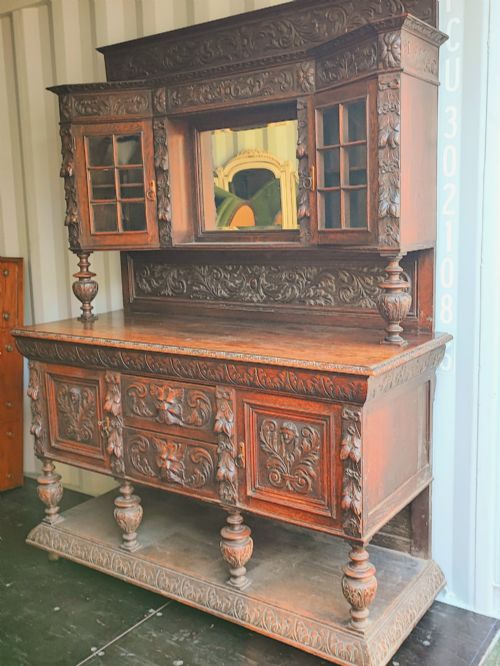
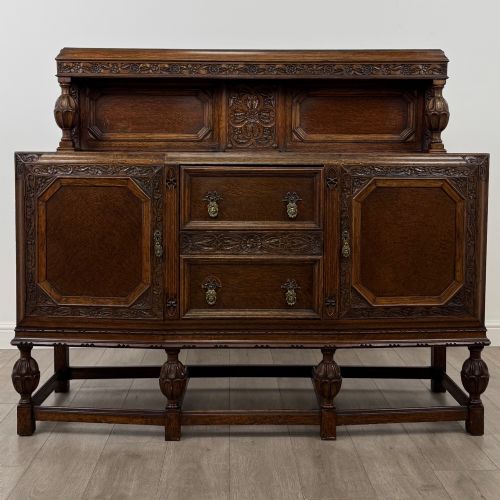
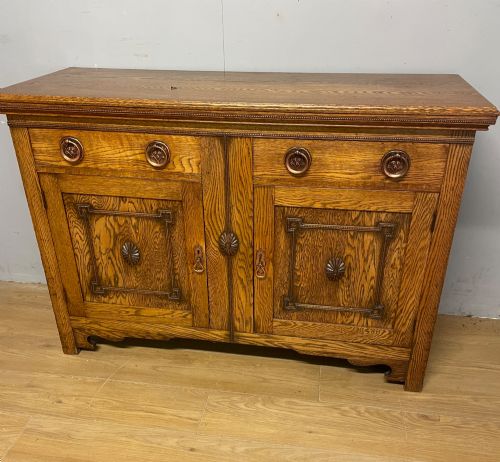
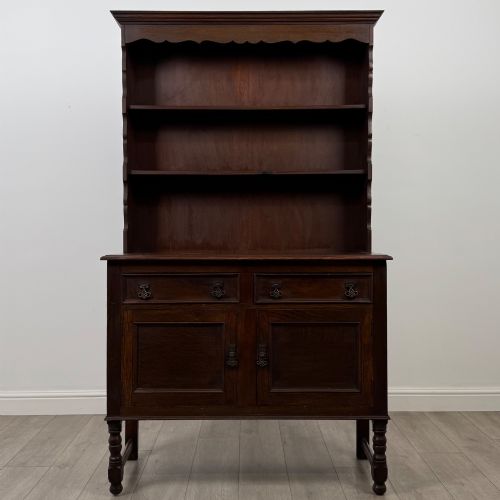
When you search for an edwardian oak dresser cabinet, you encounter pieces spanning the Edwardian period alongside late nineteenth century and early twentieth century examples. These utilitarian items take the form of sideboards, dressers with plate racks, cupboards, and chests of drawers that served domestic needs in dining rooms and kitchens.
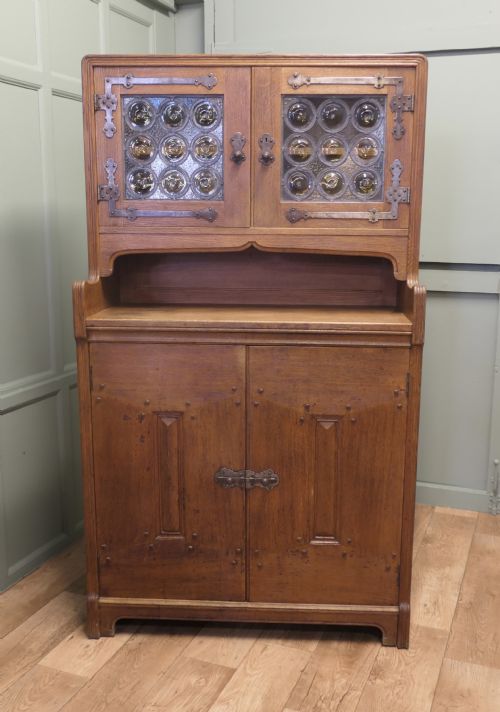
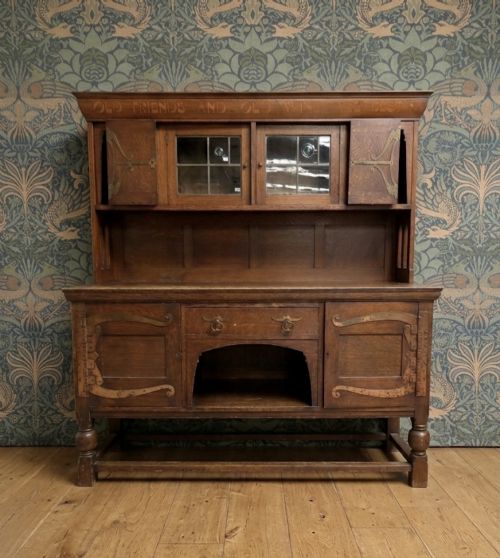
The prevailing style leans heavily towards Arts and Crafts design, alongside Jacobean Revival, Art Nouveau, and Gothic Revival influences. Pieces range from straightforward golden oak storage units to ambitious cabinet work with glazed doors and carved details.
Origins stretch from English country workshops to notable commercial makers, utilising solid timber variations such as golden oak, tiger oak, and pollard oak. These forms bridge the gap between heavy Victorian proportions and lighter twentieth-century domestic furniture.
Materials and construction
Construction relies primarily on solid oak, selected for durability and finished to highlight natural grain patterns in golden, honey, or limed tones. Joinery often incorporates exposed structural elements characteristic of the period.
Metal hardware including brass, copper, and iron provides functional hinges, drop handles, and escutcheons. Leaded glass and plain mirror plates frequently appear in upper cabinet doors and backsplashes.
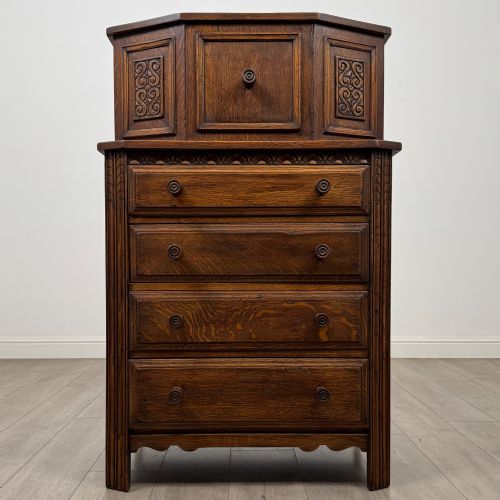
Carved ornamentation, barley twist turnings, and pegged joints demonstrate traditional cabinet-making techniques utilised across workshops large and small.
Listings feature oak alongside brass, copper, leaded glass, and mirror elements across Edwardian, Arts and Crafts, and Gothic Revival styles.
Craftsmanship and distinction
The distinction between standard utility furniture and top tier pieces rests on the ambition of the design and the integrity of the timber selection. Notable items display thoughtful proportions, superior figuring in the oak grain, and integrated hardware designed specifically for the piece rather than sourced from generic stock.
Execution of decorative details such as hand carving, leaded glass work, and exposed joinery separates workshop production from mass manufacturing. Pieces associated with named designers or progressive retail houses exhibit greater sculptural confidence in their silhouette and finish.
Ambrose Heal·Heal and Son·Leonard Wyburd·Liberty and Co·Peter Waals·Shapland and Petter·John Moyr Smith
The Edwardian Oak Dresser Cabinet Glossary
- Arts and Crafts
- A design movement prioritising traditional craftsmanship, visible construction, and simple forms over industrial ornament. It influenced much of the cabinet-making seen in early twentieth-century furniture.
- Barley Twist
- A turned wooden column resembling a twisted rope, commonly found on the legs and supports of sideboards and cabinets from this era.
- Pollard Oak
- Timber taken from trees that have been pollarded, producing wood with a dense, highly figured cluster of small knots. It creates a distinctive decorative surface on drawer fronts and panels.
- Plate Rack
- A set of open shelves mounted above a dresser base, designed for displaying ceramic plates and platters upright.
- Tiger Oak
- Oak timber exhibiting strong, dark medullary rays that create a striped pattern resembling tiger stripes when quarter-sawn.
Edwardian Oak Dresser Cabinet: Frequently Asked Questions
How do I spot Arts and Crafts influence?
Look for honest construction methods, such as exposed tenon joints, hand-beaten copper or brass hardware, and a focus on the natural grain of the timber rather than applied veneer.
These pieces often eschew heavy Victorian ornamentation in favour of clean architectural lines and functional utility.
What is the difference between a sideboard and a dresser?
A sideboard functions primarily as a low storage cabinet with cupboards and drawers, frequently featuring a flat surface on top for serving food or displaying items.
A dresser typically incorporates an upper section of shelves or a plate rack mounted above the base unit for displaying tableware.
How do I care for antique oak furniture?
Maintain the wood by applying occasional applications of quality beeswax to nourish the dry timber and protect the surface from moisture.
Keep these cabinets away from direct heat sources and strong sunlight to prevent the oak from splitting or the finish from fading.
Are these cabinets suitable for modern kitchens?
These robust pieces offer generous storage capacity and sturdy surfaces that function well for kitchen organisation or dining room storage.
Their substantial timber presence anchors a room while providing practical space for dishware, linens, and dry goods.