
Victorian Glazed Library Bookcase
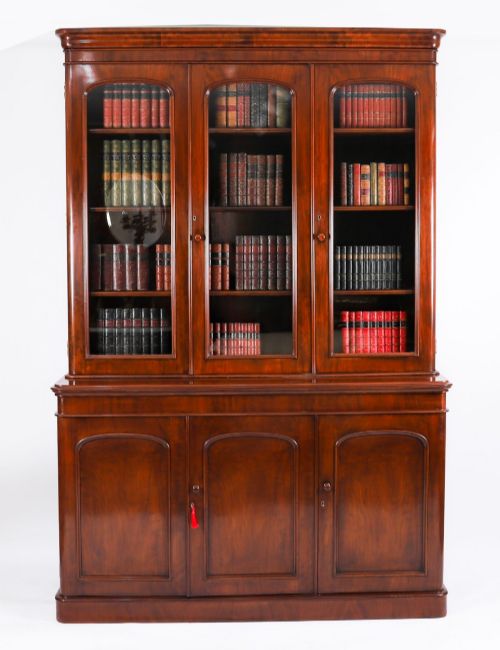
A victorian glazed library bookcase brings architectural proportion and deep timber to a room, offering protected display for a collection of volumes.
Victorian Glazed Library Bookcase
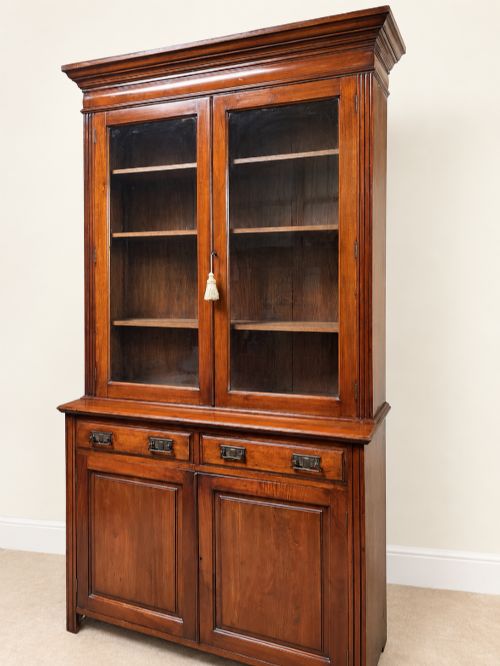
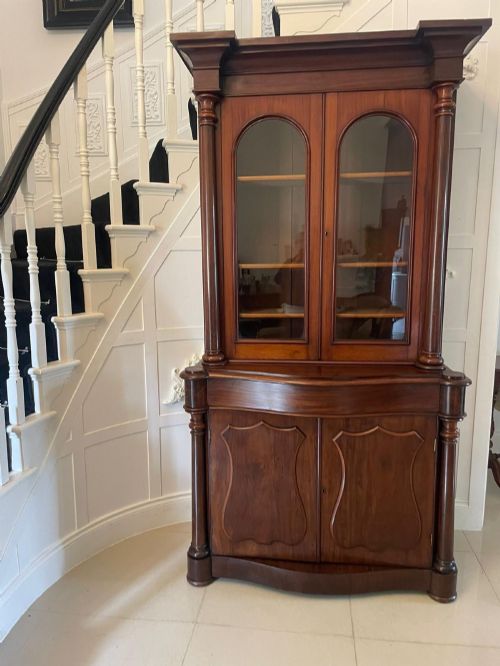
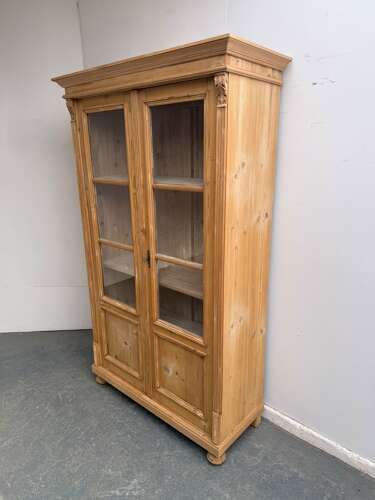
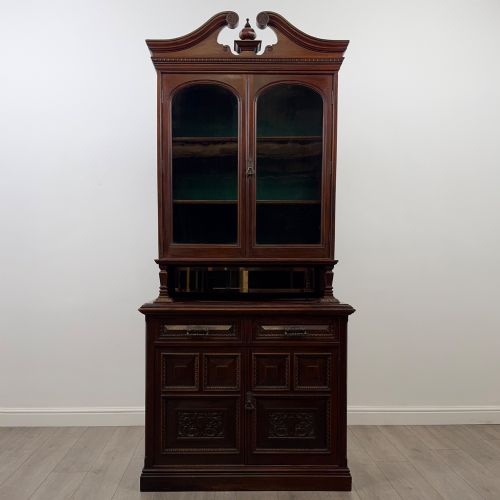
A victorian glazed library bookcase is a substantial piece of furniture designed to house and protect books behind glass-panelled upper doors, often sitting atop a solid wooden cupboard base. These pieces originate primarily from the nineteenth century, spanning periods from the early decades through to late century examples.
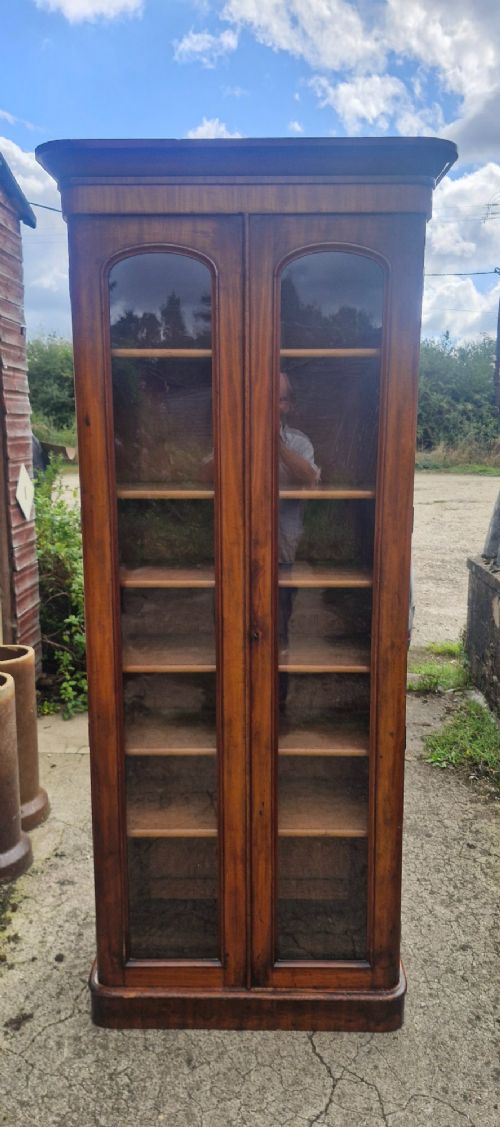
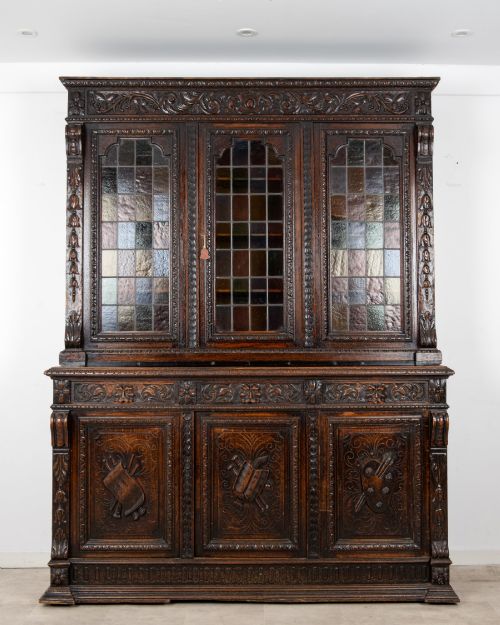
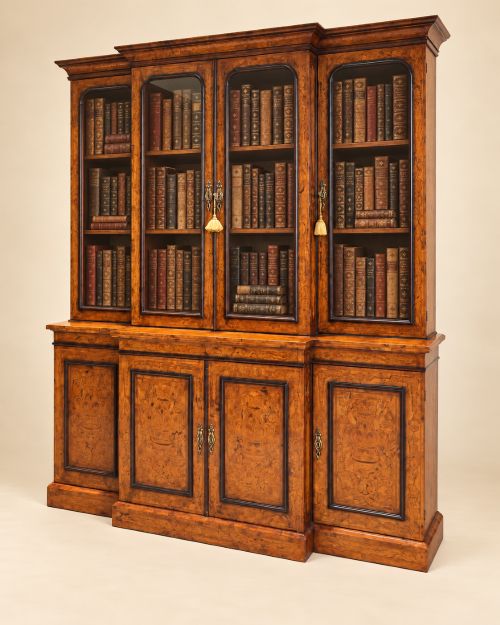
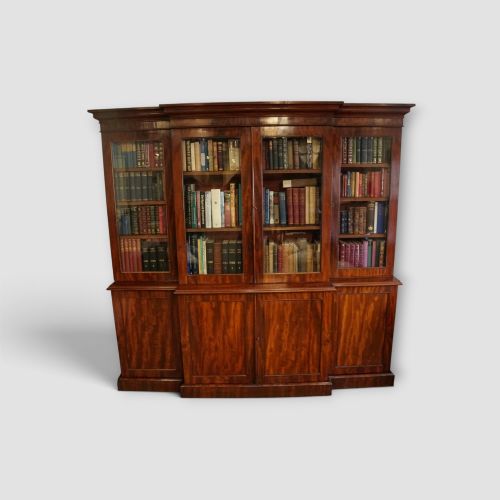
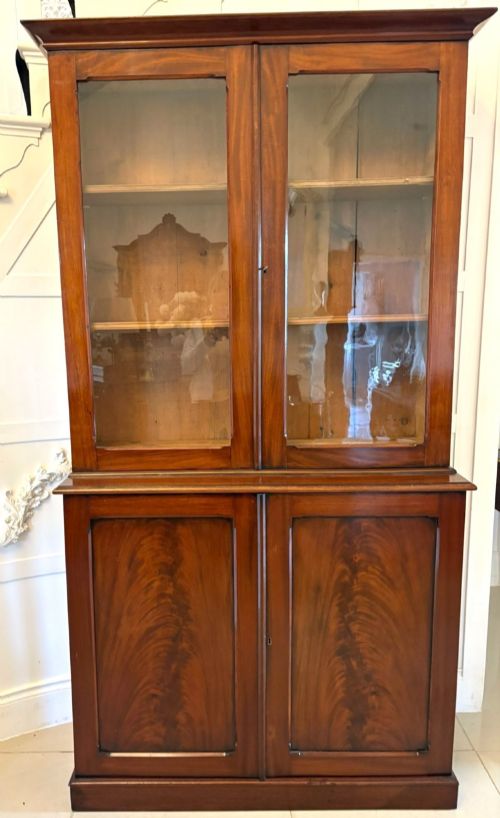
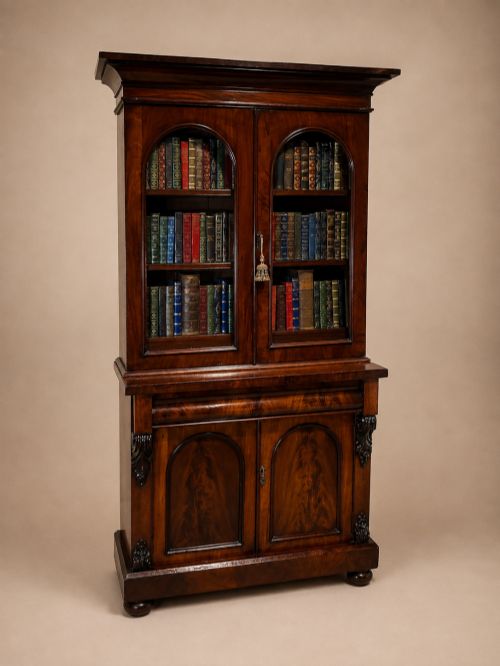
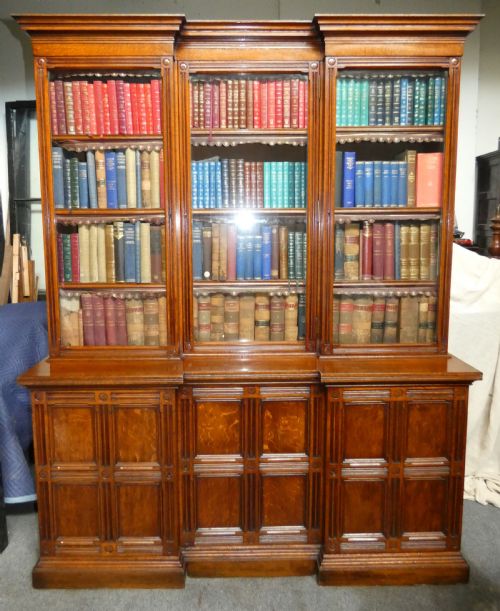
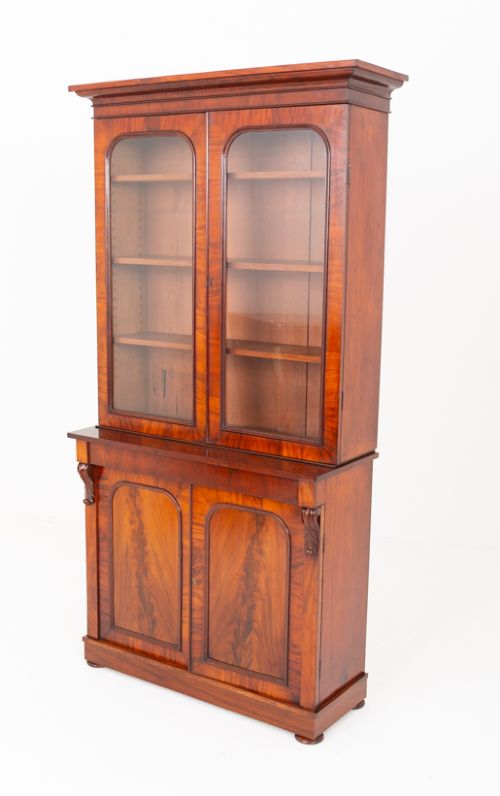
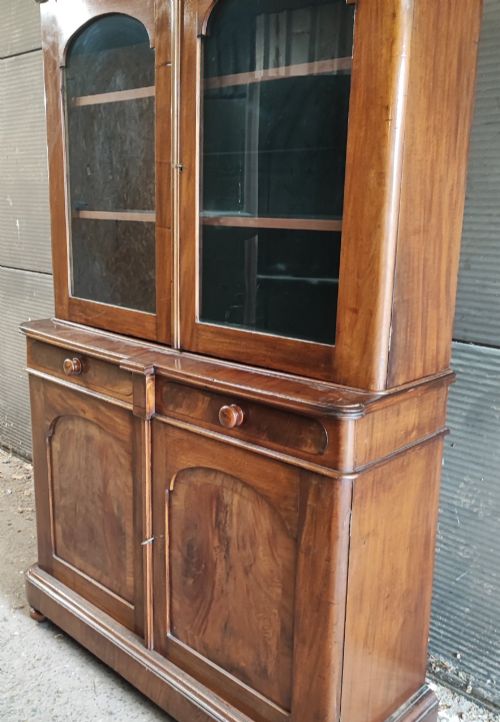
The most common version met on this page is constructed from mahogany, appearing in forms such as breakfront designs or simpler two-door configurations. Buyers also encounter variations in oak and walnut, alongside distinct stylistic influences like Gothic Revival.
Makers utilised architectural forms, incorporating glazed upper sections with adjustable shelving for practical utility in domestic and institutional libraries.
How They Were Made
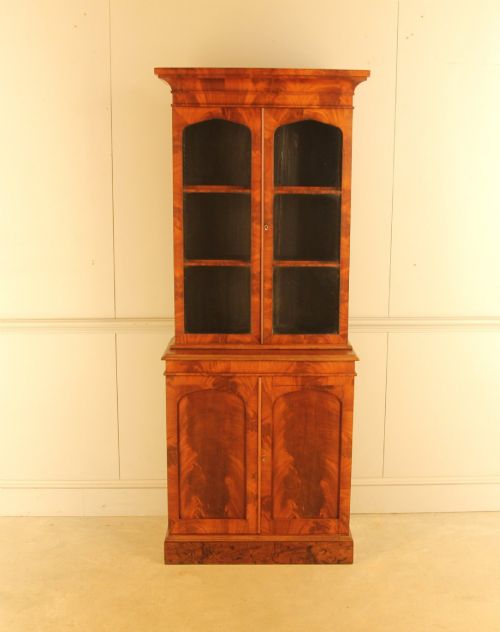
Construction relies heavily on dense timbers like mahogany, oak, and walnut, often enhanced with figured veneers such as flame mahogany or burr walnut on prominent surfaces. Cabinetmakers employed solid joinery for the heavy carcase and fitted brass hardware to doors and internal mechanisms.
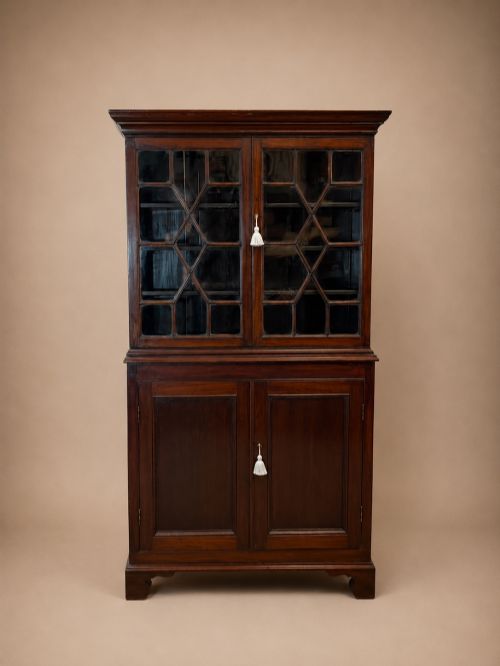
Glazing techniques involved individual glass panes secured within wooden framing or astragal bars, while interiors housed adjustable wooden shelving supported by timber ratchets or brass pins.
Periods represented span the nineteenth century, encompassing early Victorian, 1850, 1860, 1870, 1880, 1890, and late Victorian examples.
What Varies in Quality
Quality rests upon the selection of timber figure, such as well-matched flame mahogany or burr walnut veneers, which elevates the visual presence of the carcase. The refinement of the cabinetmaking distinguishes standard utilitarian pieces from exceptional examples, seen in the precision of the astragal glazing bars and carved architectural details.
Proportion and scale dictate the success of the design, with breakfront forms and balanced door arrangements commanding greater visual authority in a room.
Howard & Sons
The Victorian Glazed Library Bookcase Glossary
- Breakfront
- A cabinet design where the central section projects forward from the flanking wings. This configuration creates visual depth and architectural interest.
- Astragal
- Moulding profiles that divide a glazed door into smaller panes of glass. They hold the individual glass segments securely in place.
- Veneer
- A thin layer of figured wood applied over a secondary timber base. This technique displays decorative grain patterns without using solid scarce timber throughout.
- Gonçalo Alves
- A dense exotic hardwood sometimes utilised in high-end cabinetmaking during the period. It provides a striking contrast and durability.
- Pollard Oak
- Oak timber taken from pollarded trees, yielding a clustered, swirling knot pattern. It creates a highly decorative surface figure on cabinet doors.
Victorian Glazed Library Bookcase: Frequently Asked Questions
Are the shelves adjustable?
Most examples feature adjustable wooden shelving supported by internal tracks or pins, allowing owners to accommodate books of varying heights.
This adaptability ensures the interior functions practically for modern collections just as it did in the nineteenth century.
How do I date these pieces?
Dating relies on stylistic markers, timber choices, and construction methods characteristic of the nineteenth century. Early examples often display simpler mahogany proportions, while later pieces incorporate revival styles or extensive carving.
Examining the backboards, fixings, and secondary woods helps narrow down the decade of manufacture.
Can the top and bottom separate?
Many larger examples are constructed in two distinct sections, separating the glazed upper bookcase from the lower cupboard base. This modular build aids considerably with transport and installation in domestic spaces.
Knockdown variants also appear, designed for ease of movement across rooms.
What woods were commonly used?
Mahogany remains the predominant timber, appearing in figured, flame, and plain varieties across numerous listings. Oak and walnut also feature prominently, alongside occasional decorative use of satinwood, amboyna, and pollard oak.
These timbers reflect the prevailing tastes and available global trade materials of the Victorian era.