



Victorian Glass Window
When you search for a victorian glass window, you uncover heavy leaded panels, hand-painted scenes, and etched commercial glass that defined nineteenth-century interiors.
Victorian Glass Window
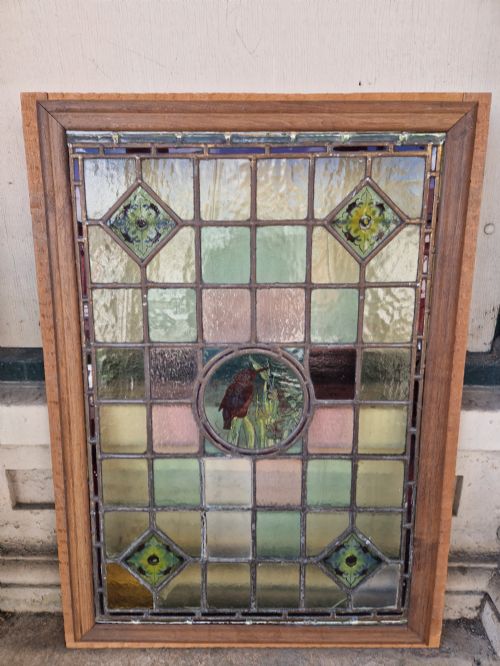
A victorian glass window encompasses architectural salvage from churches, public houses, and domestic properties dating from the nineteenth and early twentieth centuries. These panels range from simple geometric leaded designs with clear bullseyes to elaborate hand-painted pictorial works depicting birds, countryside scenes, and heraldic emblems.
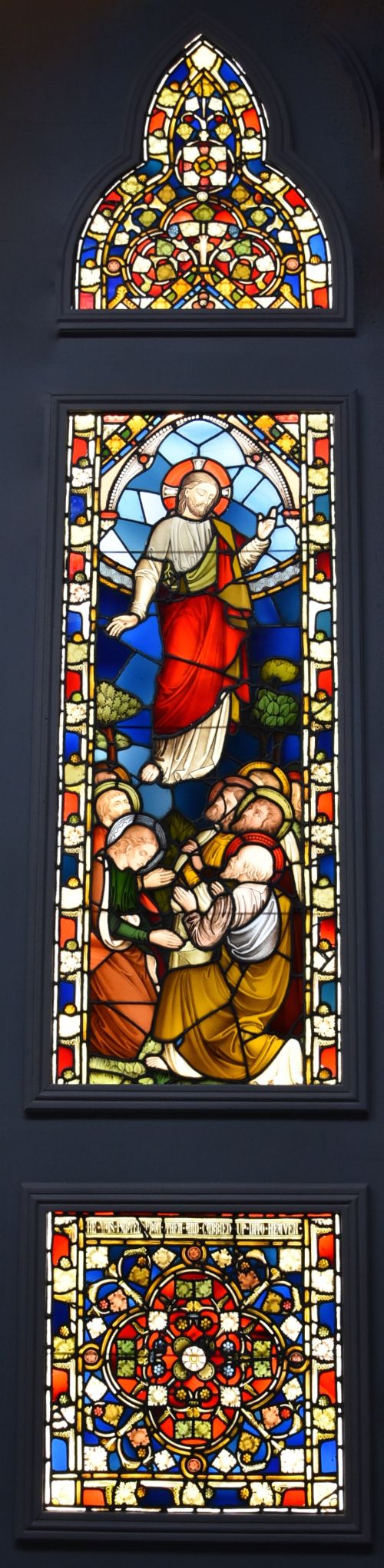
The pieces most frequently encountered on this page combine leaded came work with hand-painted enamel details, often originating from domestic transoms, pub back-bars, and church lancets. Many survive as rectangular panels, arched top configurations, or triptychs framed in timber or pine.
The selection bridges several related stylistic movements, moving from Gothic Revival religious fragments through Arts and Crafts domestic glazing to Edwardian commercial signage. Each piece represents a specific structural context, whether built for exterior daylight or interior partition lighting.
How They Were Made
Glass panels were constructed by binding individual coloured, clear, or textured glass segments together within pliable lead cames, which were then soldered at the joints to form a rigid matrix. Artisans applied enamel paints and stains directly onto the glass surface before firing the pieces in a kiln to permanently fuse the pigment.
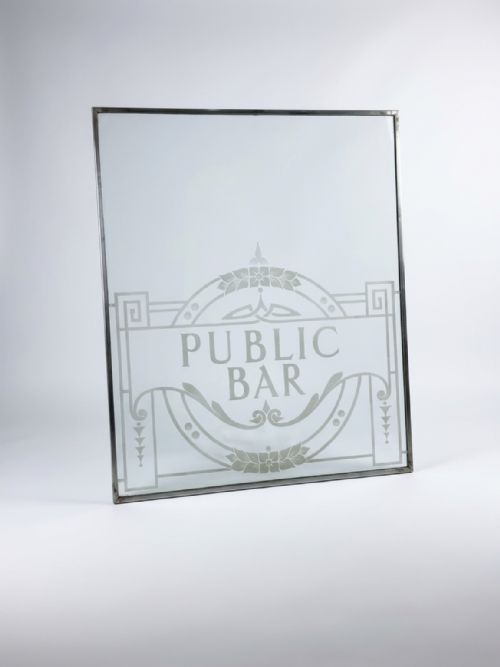
Surface decoration frequently relied on acid etching and frosting techniques to carve intricate patterns and lettering into flashed plate glass, exposing contrasting layers beneath. Timber frames in pine or hardwood provided the structural support necessary to secure these heavy leaded assemblies into architectural openings.
Victorian Glass Window Retail Price Guide 2026
Typical asking prices for victorian glass window among the pieces listed under this phrase on Sellingantiques today, from the lower quarter to the upper quarter. They describe what is for sale here now, not the wider market.
Several panels proudly display hand-painted Victorian knights in full armour, watchful woodland birds, and Shakespearean emblems peering through the centuries.
What Varies in Quality
The distinction between ordinary utility glazing and superior work rests on the artistic ambition and execution of the hand-painted elements. Panels featuring finely rendered pictorial subjects, such as detailed avian studies or narrative landscape scenes, demand significantly greater draughtsmanship than standard geometric leadwork.
The integrity of the lead matrix and the weight of the original glass significantly influence the substance of a panel. Substantial plate glass, complex acid-etched layering, and intact kiln-fired enamels separate standard architectural salvage from exceptional decorative survivors.
Sir Edward Burne Jones
The Victorian Glass Window Glossary
- Came
- The slender, H-shaped strips of lead, zinc, or copper used to hold individual pieces of glass together in a window. These pliable channels are soldered at every intersection to create the structural grid.
- Bullseye
- A circular distortion or central knot in blown glass, often formed at the pontil mark during manufacture. These roundels were intentionally incorporated into domestic and commercial windows to let in light while obscuring direct views.
- Acid Etching
- A decorative technique using hydrofluoric acid to eat away portions of flashed glass, revealing a contrasting colour beneath. This process created frosted lettering and intricate patterns popular in Victorian public houses.
- Lancet
- A tall, narrow window terminating in a pointed arch, commonly found in Gothic Revival architecture. These ecclesiastical openings frequently housed religious narratives or heraldic stained glass.
- Transom
- A horizontal structural beam or bar separating a door from a window above it, frequently fitted with decorative leaded glass panels. These small apertures provided supplemental light and ventilation to hallways and public rooms.
Victorian Glass Window: Frequently Asked Questions
How were these windows originally installed?
These panels were traditionally glazed directly into exterior masonry openings, interior partition walls, or timber transoms above doorways. They relied on rebated wooden frames and supportive saddle bars to withstand wind pressure.
In commercial settings, such as public houses, similar panels served as privacy screens and decorative partitions between public rooms. They were secured using traditional putty and glazing beads.
How do I clean and maintain antique glass?
Maintenance requires gentle cleaning with a soft cloth and mild, non-ammonia-based solutions to protect fragile enamel paints and acid-etched surfaces. Harsh chemical cleaners can strip historical finishes and degrade nineteenth-century glass.
The surrounding lead cames should be inspected periodically for stability rather than aggressive polishing, as the natural patina indicates age and material authenticity.
Can these windows be hung as wall art?
Many panels function effectively as hanging decorative objects or wall mirrors when secured with appropriate architectural brackets and suspension wire. Their substantial lead and timber weight requires professional hanging methods to distribute the load evenly.
Backlighting using uniform LED panels transforms architectural salvage into illuminated interior art pieces, replicating the daylight they were originally designed to capture.
What distinguishes Gothic Revival from Edwardian panels?
Gothic Revival pieces, originating from the mid-nineteenth century, typically feature pointed arch forms, religious iconography, and heavy ecclesiastical symbolism. Their palette often relies on deep pot-metal colours and theological narratives.
Edwardian designs shift toward lighter domestic motifs, including floral swags, birds, and bright art nouveau or arts and crafts styling. The glasswork from this later period frequently employs extensive acid etching and clear textured panes.