



Victorian Glass Vanity Jar
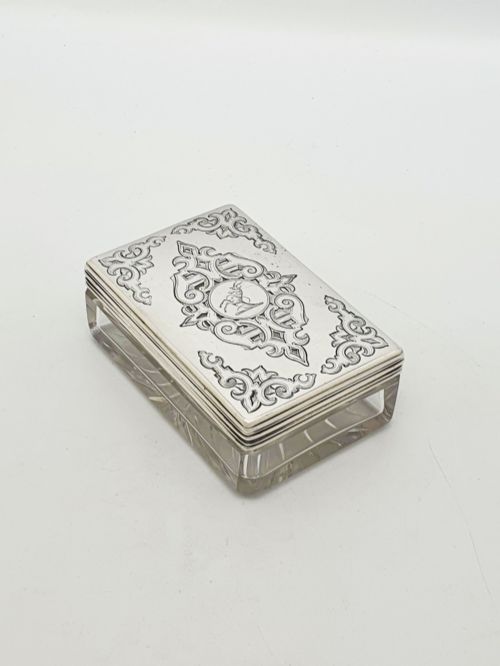
These Victorian glass vanity jar pieces combine cut or enamelled glass with silver and brass mounts for the dressing table.
Victorian Glass Vanity Jar
A victorian glass vanity jar sits on a dressing table or fits inside a travelling case to hold cosmetics, pins or small accessories. These pieces span the Victorian and Edwardian periods, alongside French nineteenth-century examples.
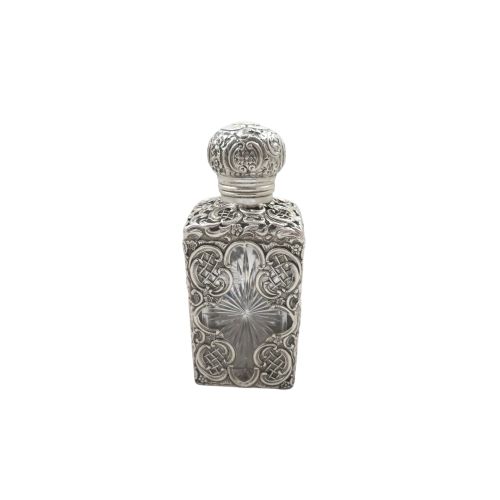
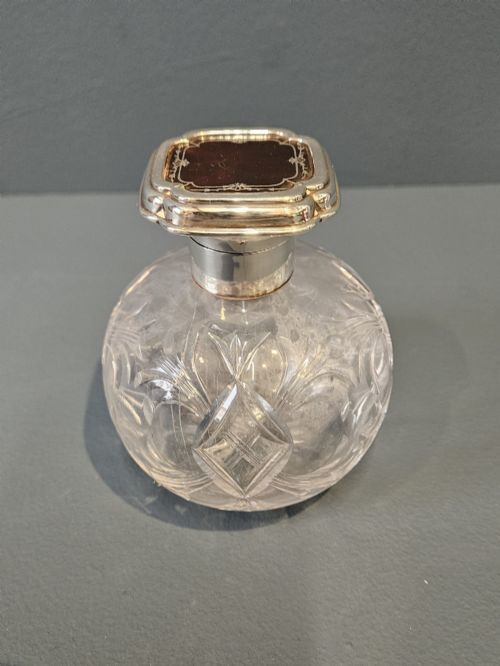
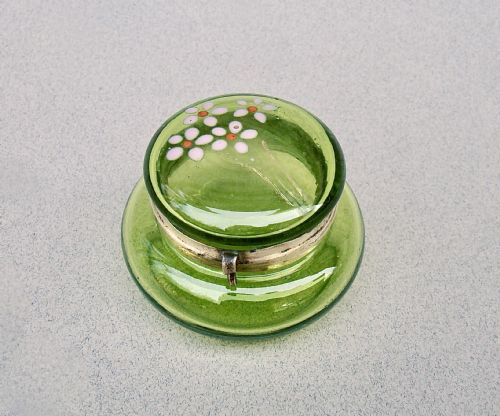
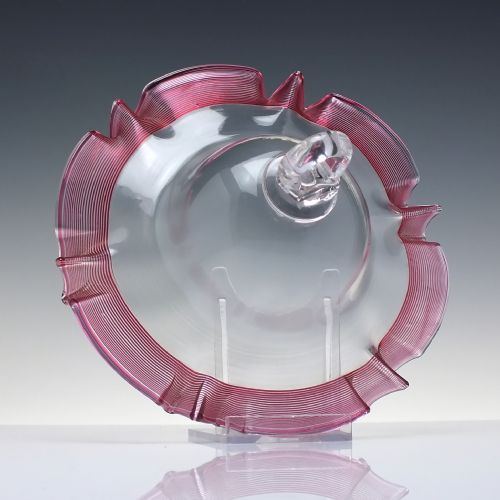
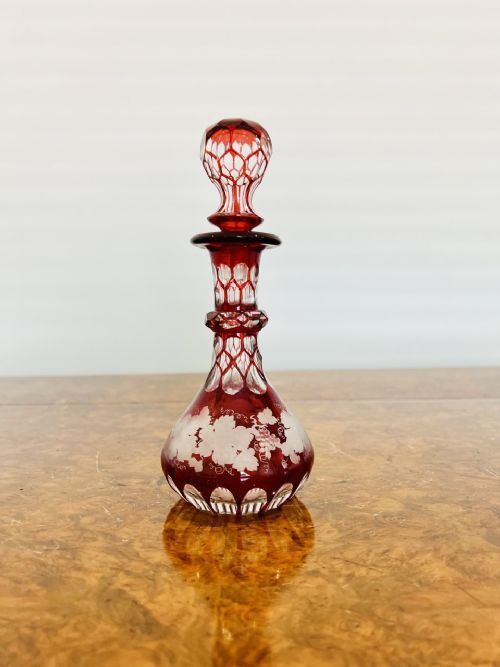
The form appears as tall jars, dressing table jars, scent bottles and trinket boxes. Many combine cut glass or coloured glass bodies with metal lids.
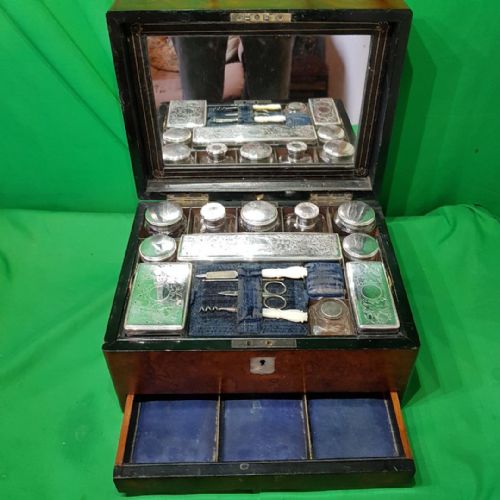
Makers housed some of these items within fitted burr walnut or rosewood dressing cases alongside other accessories. They served daily grooming needs in period bedchambers.
What varies in quality
Quality rests upon the depth of the glass cutting and the weight of the silver mounts rather than the mere presence of materials. Hand-painted enamel details and crisply cast metal lids separate finer items from standard production.
The integrity of the glass body and the precise fit of the silver collar indicate superior craftsmanship. Pieces retaining original fitted cases or complete sets show higher original status.
Gentlemen also travelled in style, relying on lockable cologne bottles and silver gilt vanity sets to keep their spirits up.
The Victorian Glass Vanity Jar Glossary
- Sterling silver
- A silver alloy containing 925 parts per silver out of 1000 total parts, frequently found on vanity jar lids and collar mounts. This metal standard ensures durability for daily handling.
- Bristol blue glass
- A deep vibrant blue glass produced in England during the eighteenth and nineteenth centuries. This material appears on dressing table jars and scent bottles.
- Mary Gregory
- A style of white enamel painting depicting silhouetted children in pastoral settings on coloured glass. This decoration frequently adorns green glass dressing table items.
- Cut glass
- Glass decorated by grinding facets or geometric patterns into the surface with a wheel. This technique adds weight and brilliance to vanity jars and perfume bottles.
- Celluloid
- An early thermoplastic material utilised for vanity set accessories and fittings. It mimics ivory or tortoiseshell within travelling cases.
Victorian Glass Vanity Jar: Frequently Asked Questions
What is a Victorian glass vanity jar?
A Victorian glass vanity jar is a small container designed for holding cosmetics, creams or trinkets on a dressing table. They typically feature a glass body paired with a metal lid.
These pieces date from the nineteenth and early twentieth centuries. They reflect the detailed grooming habits of the period.
How were vanity jars used?
Owners placed them upon dressing tables to keep powders, salts or pins close at hand during daily routines. Some smaller versions travelled inside fitted wooden boxes.
They formed part of larger vanity sets that included brushes, scent bottles and matching jars. Their decorative lids kept contents private and clean.
How do I date these jars?
Dating relies on hallmarks stamped onto the silver mounts, stylistic cues in the glass cutting, and associated materials like burr walnut or velvet. Hallmarks often provide exact assay office years.
French pieces from the nineteenth century display distinct enamelling techniques. Edwardian items show subtle shifts in proportion compared to mid-Victorian examples.
How do I clean the silver and glass?
Clean the glass body using warm soapy water and a soft cloth while keeping moisture away from any glued or lined interiors. Polish silver mounts gently with a specialised cloth.
Avoid submerging pieces with velvet linings or tortoise shell components. Regular light dusting preserves the enamel and glass surfaces.