


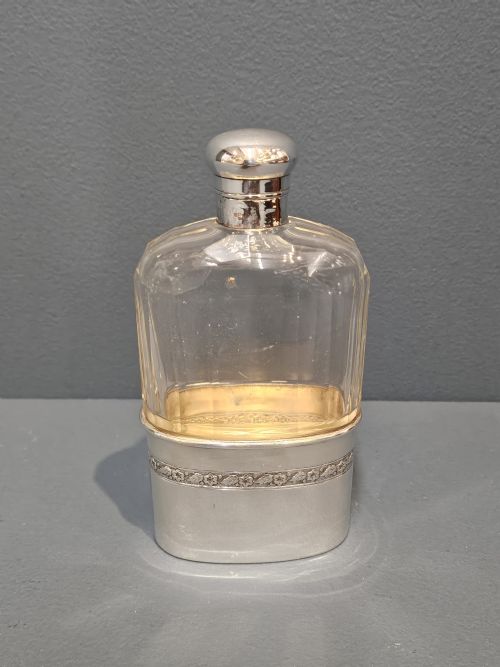


Victorian Glass Spirit Flask
These victorian glass spirit flask pieces are pocket companions and field containers built for travel, offering a touch of period elegance.
Victorian Glass Spirit Flask
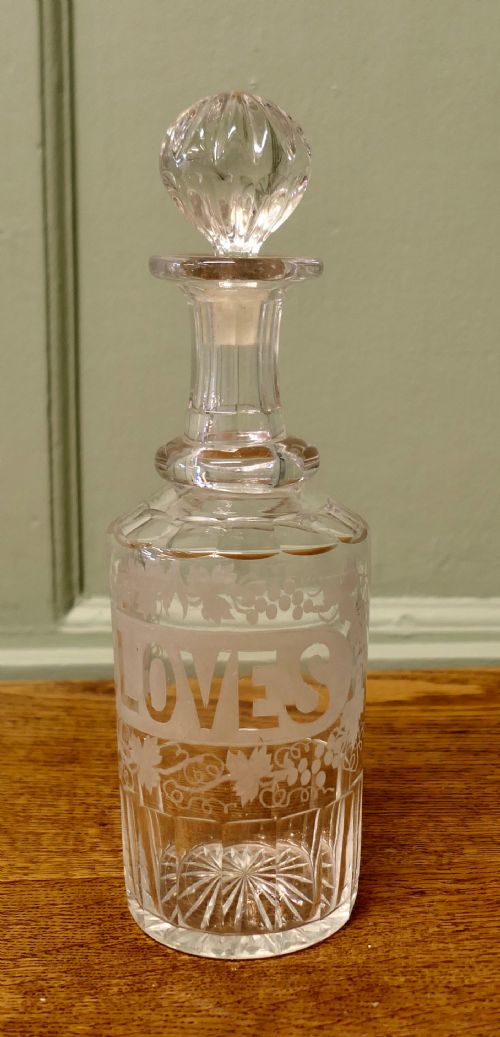
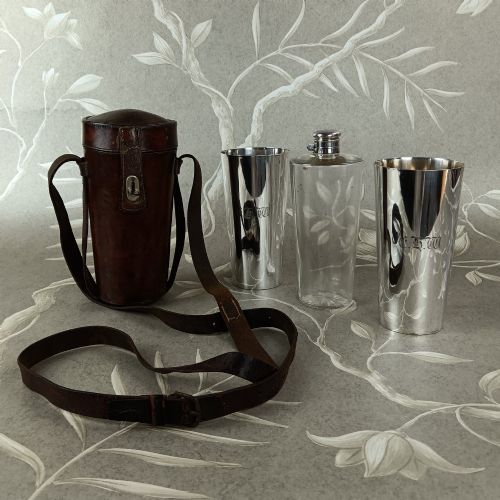
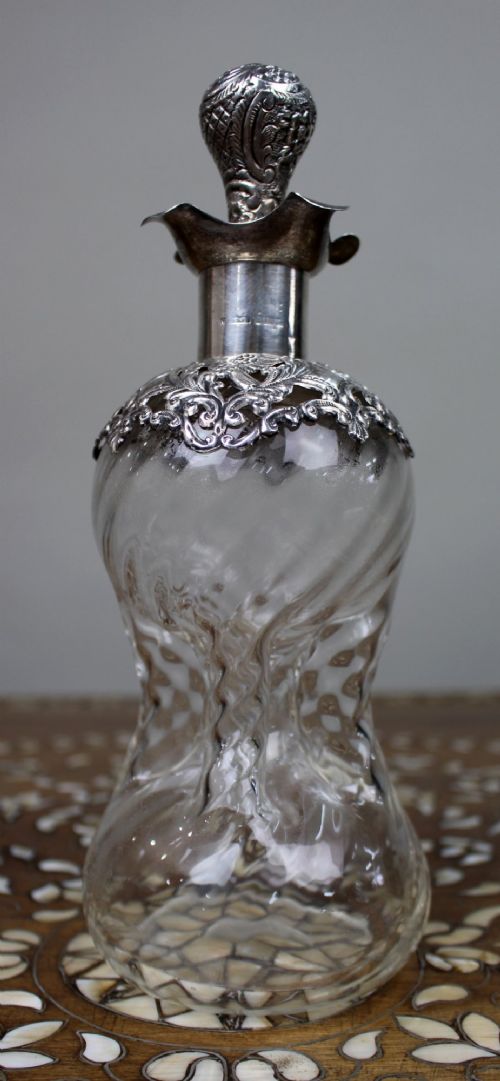
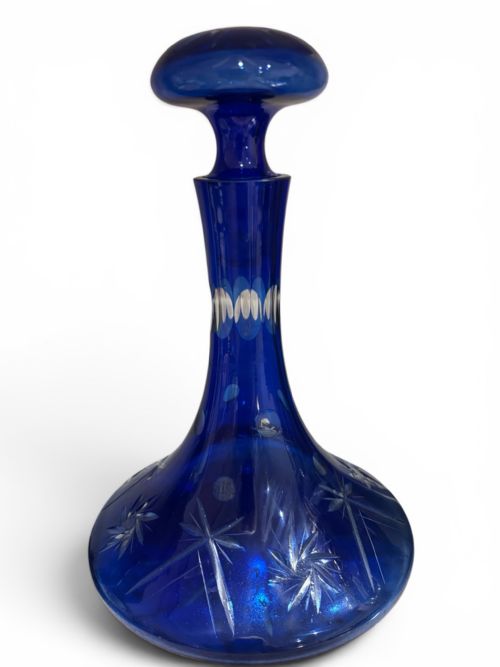
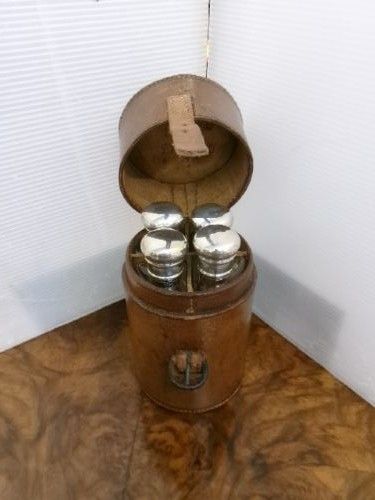
A victorian glass spirit flask takes several distinct forms, ranging from pocket-sized hip flasks with removable cups to larger field campaign sets housed in leather cases. Most examples encountered here pair clear or cut glass bodies with sterling silver mounts, screw caps, and sometimes wicker bindings.
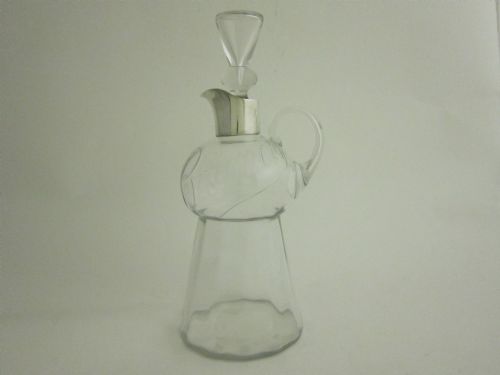
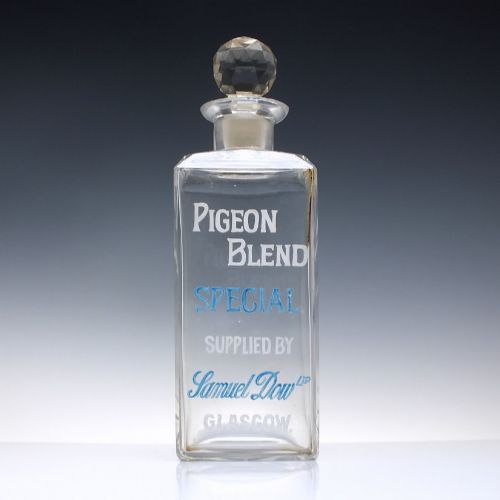
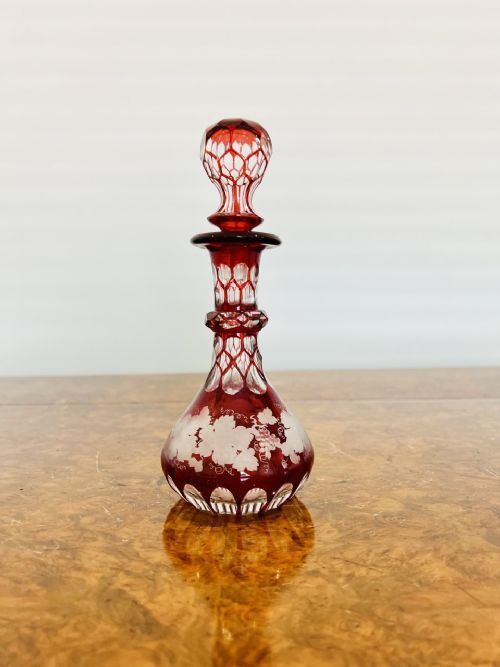
The selection spans decanters and miniature bottles alongside traditional hip flasks, often bearing hallmarks from London, Birmingham, or Glasgow. Makers utilised silver gilt, enamel paint, and etched crystal to distinguish individual pieces made for personal use or travel.
Materials and Construction
Makers combined heavy lead glass and cut crystal with sterling silver or silver plate, shaping the glass by blowing and cutting before fitting custom metalwork. Leather cases and wicker bindings provided protection for travel, while silver screw caps secured the contents.
Engraving, etching, and enamel painting decorated the glass bodies, and silversmiths added hallmarked mounts, hinged cups, and gilt interiors. These techniques ensured the flasks survived the rigours of field campaigns and daily carriage.
Some nineteenth-century makers shaped glass into the form of a dog, offering a playful disguise for a travelling spirit container.
Judging Quality
Quality rests upon the weight and clarity of the glass, the crispness of the cut crystal or etching, and the substance of the silver mounts. Finer examples feature heavy gauge sterling silver with complete, legible hallmarks and secure, well-fitted cup attachments.
The presence of original leather cases or matched sets elevates a piece, as does specialist decoration such as hand-painted enamel or gilt interiors. Simpler glass vessels with basic silver-plated tops sit at the other end of the scale.
James Dixon & Sons·Asprey London·Brownett & Rose
The Victorian Glass Spirit Flask Glossary
- Sterling silver
- A silver alloy containing 92.5 percent pure silver by mass, frequently used for flask mounts and cup fittings. It carries official assay office hallmarks.
- Cut glass
- Glass decorated by grinding facets or patterns into the surface using a wheel. This technique adds considerable weight and brilliance to decanters and flasks.
- Removable cup
- A metal base covering the lower portion of a hip flask that slides off to serve as a drinking vessel. It is secured by friction or a bayonet mount.
- Silver gilt
- Sterling silver covered with a thin layer of gold on its surface. This process protected the metal from chemical reactions with certain spirits.
- Campaign set
- A portable collection of bottles or flasks fitted into a compact leather case for travel. Such sets were designed for officers and gentlemen on the move.
Victorian Glass Spirit Flask: Frequently Asked Questions
How do I clean an old glass flask?
Fill the interior with warm water and mild detergent, using a soft bottle brush if access permits. Avoid harsh abrasives on the exterior silver mounts.
Dry the vessel thoroughly and leave the cap off to air the interior completely before storage.
Were these flasks meant for daily use?
Gentlemen and travellers carried them in pockets or leather cases for field sports and journeys. The durable glass and silver construction suited regular outdoor carriage.
Today, many owners continue to use them for similar occasions or display them as barware.
How can I date a silver mounted flask?
British silver mounts usually bear hallmarks that include a date letter indicating the exact year of assay. Maker's marks and town marks provide additional confirmation of origin.
Stylistic cues like cut glass patterns and enamel work help narrow down the period when hallmarks are rubbed.
What is the purpose of the bottom cup?
The lower metal sleeve doubles as a drinking vessel when slipped off the glass body. It allowed the owner to pour and share a dram while away from home.
Many surviving pieces retain this original fitted component, which screws or slides onto the base.