

Victorian Glass Scent Bottle
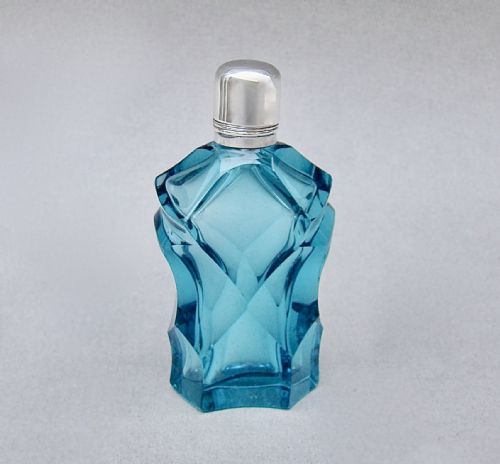
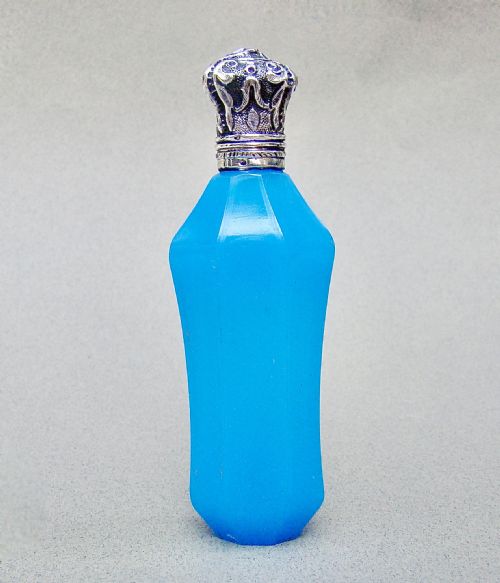
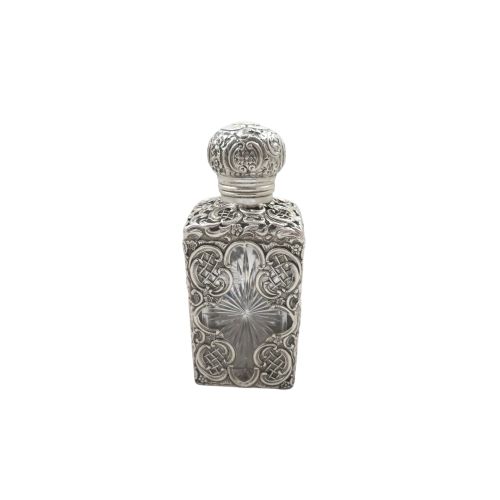
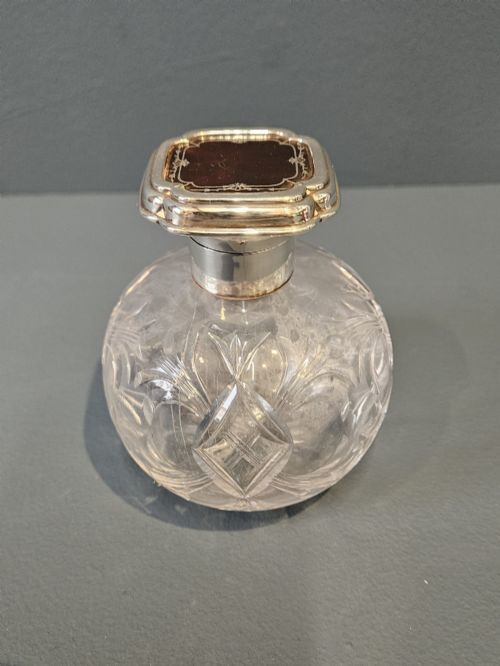
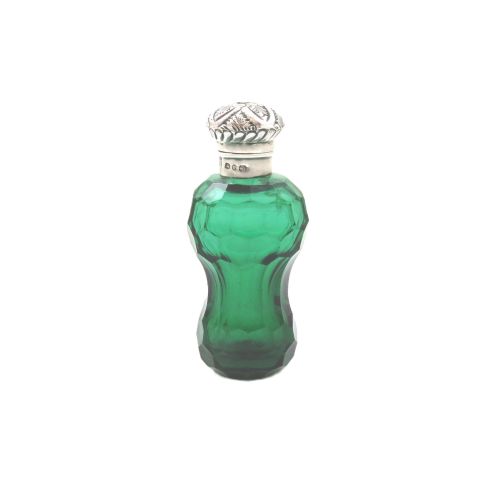
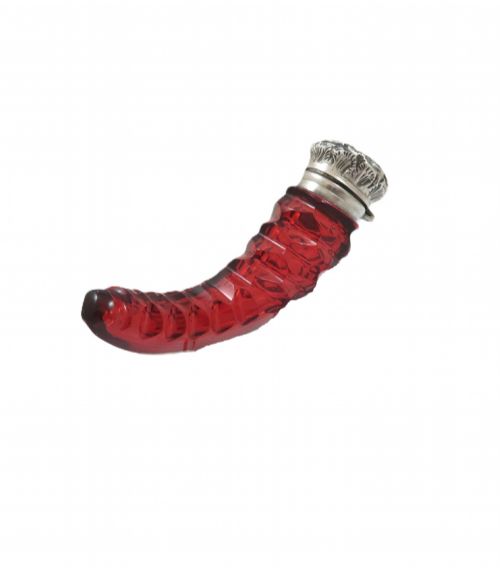
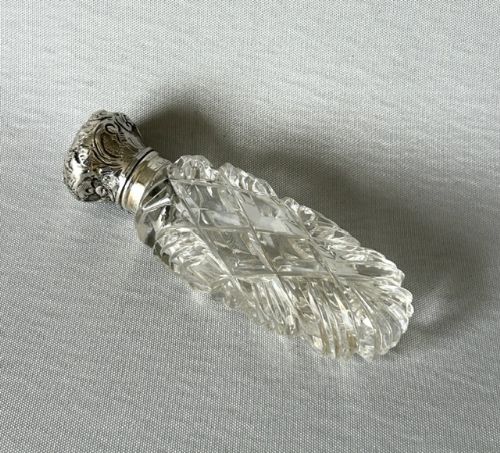
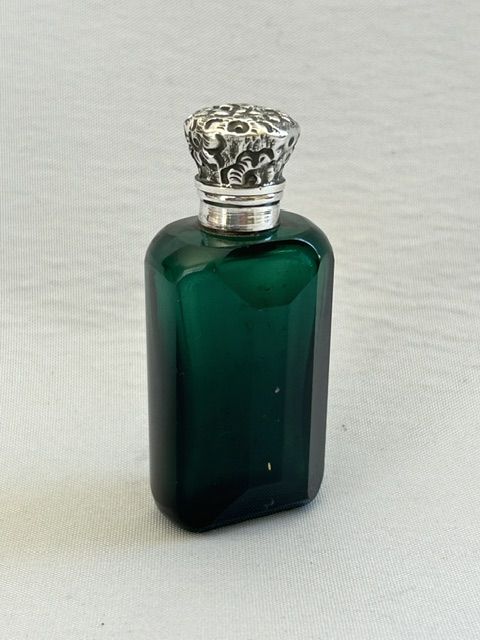
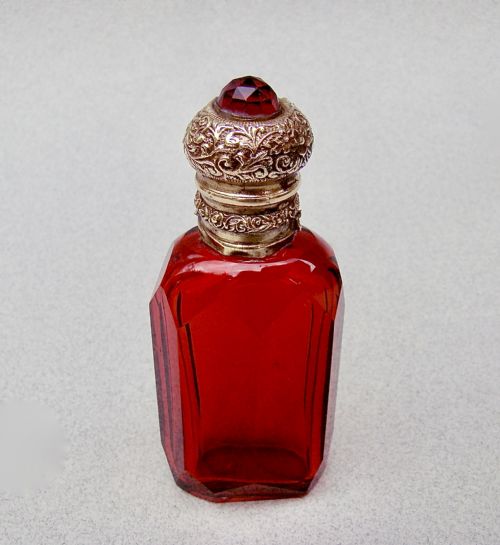
A victorian glass scent bottle brings pocket-sized luxury to the dressing table, combining brilliant coloured glass with intricate metal mounts.
Victorian Glass Scent Bottle
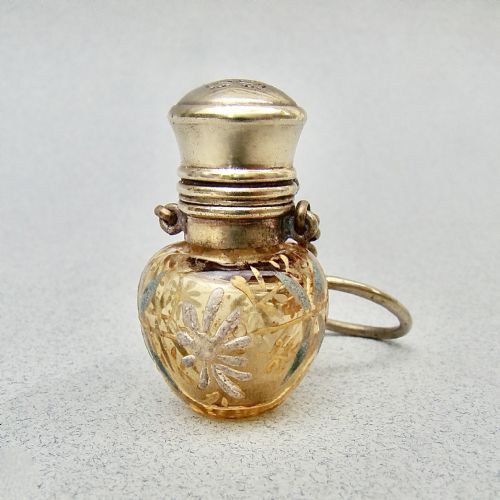
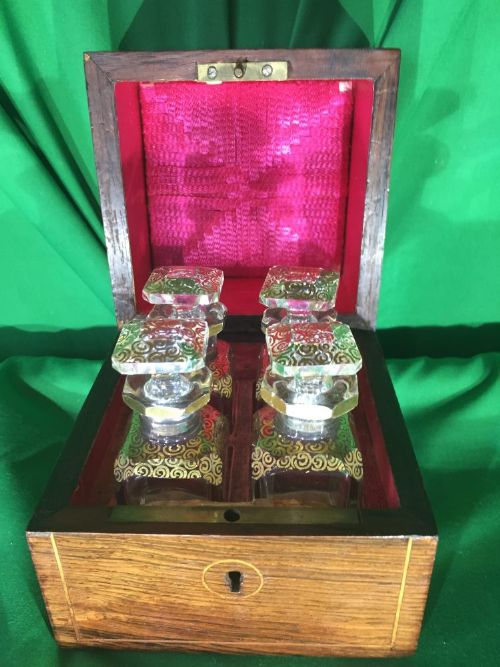
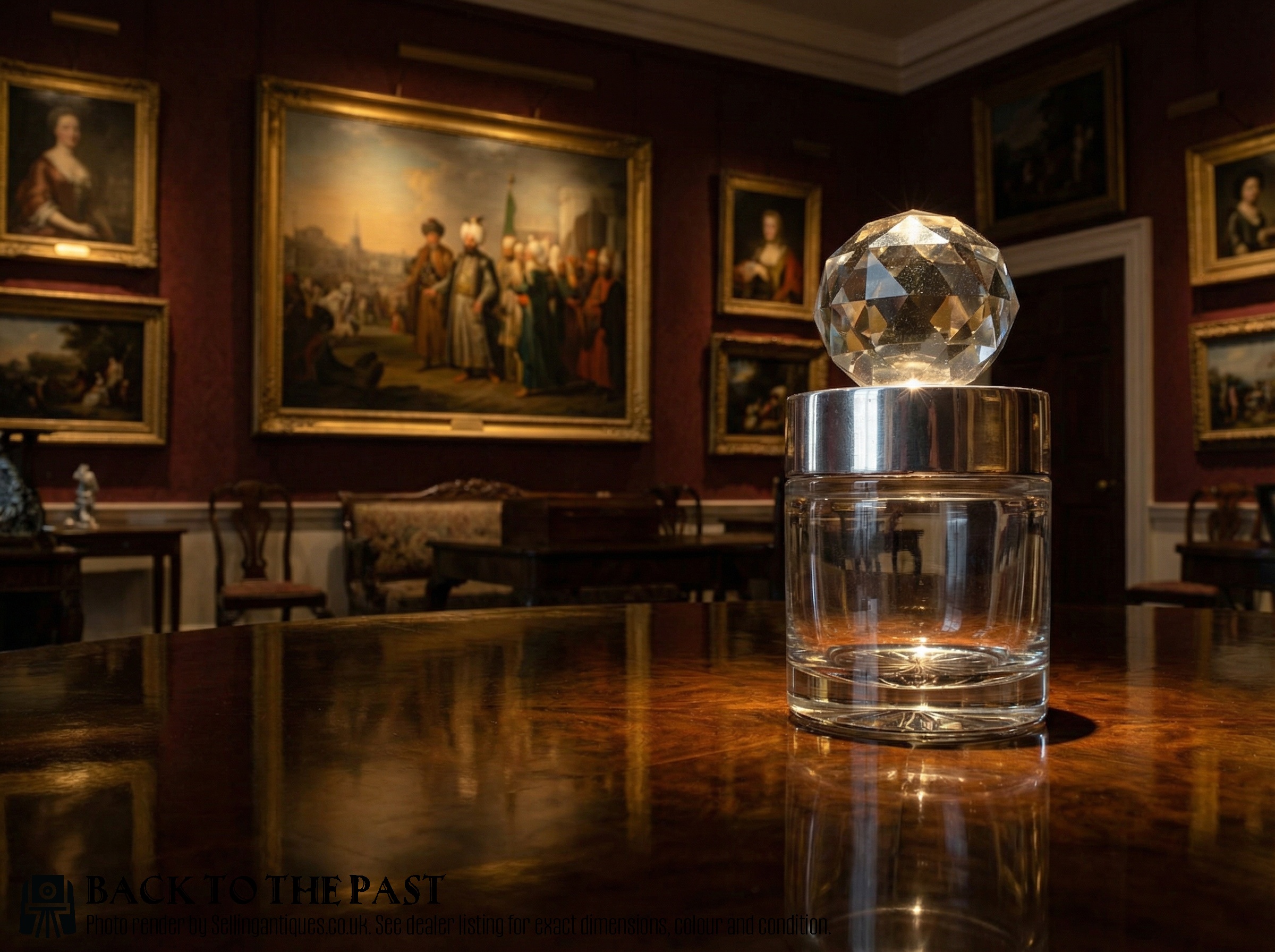
A victorian glass scent bottle represents personal vanity and decorative artistry from the nineteenth century, designed to hold fragrant oils and smelling salts securely. These portable vessels range from simple pocket companions to elaborate chatelaine pieces suspended from belts, as well as fitted housed sets inside cased boxes.
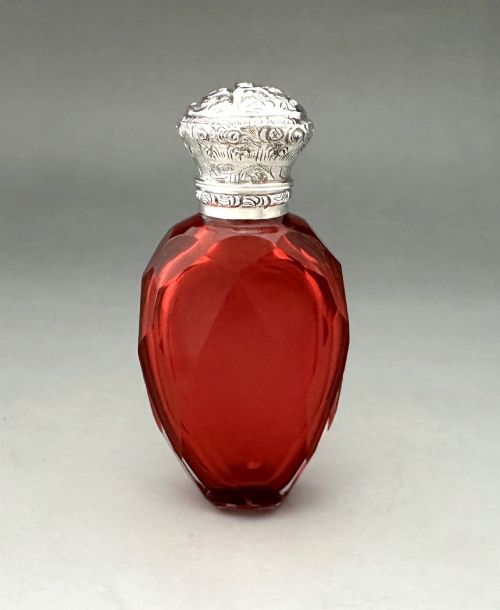
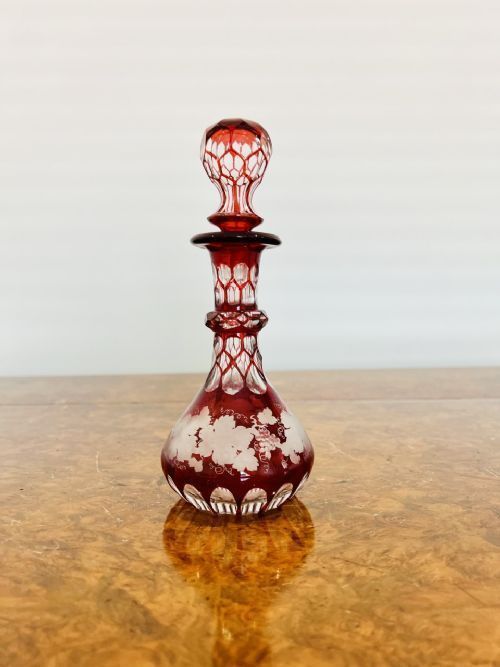
Collectors frequently encounter examples featuring vibrant coloured glass bodies paired with hinged sterling silver caps or brass collars. Many specimens incorporate faceted cut glass or layered glass overlays originating from British, French, and Bohemian workshops during the Victorian and Edwardian eras.
How They Were Made
Makers utilised free-blown, mould-blown, and cased glass techniques to build rich colour profiles, incorporating cranberry, ruby, opaline, and amber hues. Skilled artisans then applied wheel-cutting, gilding, or enamelling directly onto the exterior surfaces.
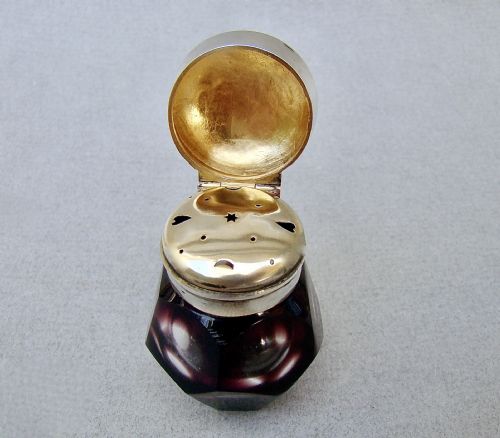
Metalworkers constructed hinged caps, collars, and chatelaine mountings from sterling silver, brass, and ormolu, often securing them tightly to the glass necks to prevent leaks.
Victorian Glass Scent Bottle Retail Price Guide 2026
Typical asking prices for victorian glass scent bottle among the pieces listed under this phrase on Sellingantiques today, from the lower quarter to the upper quarter. They describe what is for sale here now, not the wider market.
Some Victorian ladies relied on uranium glass scent bottles that glow a surprising neon green under ultraviolet light.
What Varies in Quality
The sophistication of the glasswork dictates the hierarchy, distinguishing simple moulded bodies from deeply slice-cut crystal, complex multi-layered cased glass, and intricate murrine or millefiori patterns. Precision in the glass coloration and depth of hand-cut facets reveal the artisan's original skill.
The mounting hardware further defines the tier, separating standard fitted collars from heavy hallmarked sterling silver hinged caps bearing detailed repoussé work, maker marks, or integrated inner stoppers.
James Fenton·Henry Bourne·Charles Boyton·The Mousley Brothers·Charles May·G Walton·Grinsell And Sons·Franchini And Bigaglia
The Victorian Glass Scent Bottle Glossary
- Cased glass
- A vessel formed from multiple distinct layers of different coloured glass fused together before being blown and cut. This technique allows deep exterior cuts to expose contrasting interior colours.
- Chatelaine
- A decorative belt hook worn with suspended chains holding household accessories like perfume flasks and vinaigrettes. These wearable items allowed Victorian women to keep scents instantly accessible.
- Vinaigrette
- A small ornamental box or bottle containing a sponge soaked in aromatic vinegar rather than liquid perfume. They typically feature an internal pierced gilt grille.
- Opaline glass
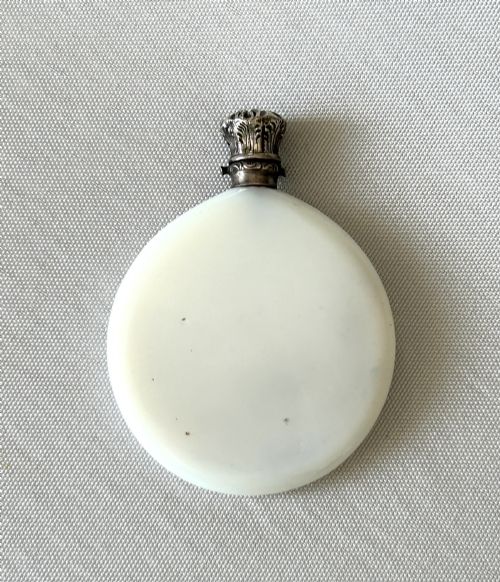
- An opaque or translucent art glass popular in the nineteenth century, produced in shades of white, turquoise, green, and blue. It provides a smooth, porcelain-like surface texture.
- Millefiori
- A glasswork method creating multicoloured mosaic patterns by bundling glass canes and slicing them across. Examples display dense floral motifs embedded within the body.
Victorian Glass Scent Bottle: Frequently Asked Questions
What is a double ended scent bottle?
These dual-purpose vessels feature hinged caps on both ends, allowing the owner to carry two different liquids, such as perfume on one side and smelling salts on the other.
They offer a clever solution for travel, keeping distinct fragrances separated by an internal glass divider within a symmetrical body.
How were scent bottles carried daily?
Owners slipped smaller specimens into lined vanity boxes, travel cases, or pocket compartments to protect the delicate glass during transit.
Larger or more decorative pieces featured specialised chains or rings allowing them to hang securely from a chatelaine belt.
How do I clean an antique bottle safely?
You should avoid submerging mounted pieces in water for extended periods, as moisture can weaken old adhesives or discolour internal foil linings.
Instead, use a damp cloth on the exterior glass and gently clean the interior with warm water without harsh chemical detergents.
How do I identify a maker?
Makers and silversmiths stamped their punch marks directly onto the silver collars, caps, or hinged mounts rather than the glass itself.
Matching these hallmarks with historical records reveals the exact workshop, city of assay, and year of production.