



Victorian Glass Cloche
These victorian glass cloche pieces offer a clear view into period interiors, bringing domed protection to precious curiosities and preserved specimens.
What They Are
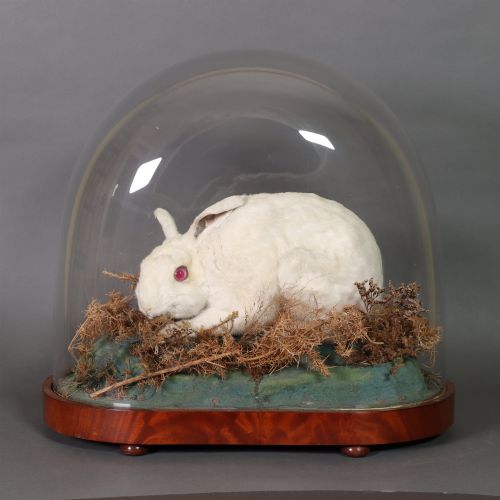
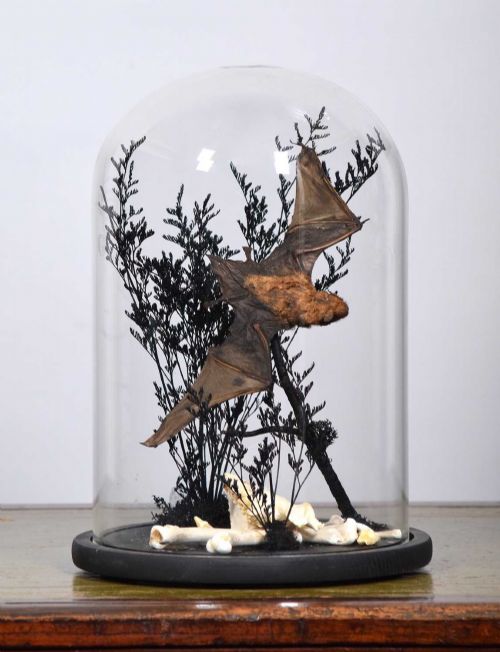
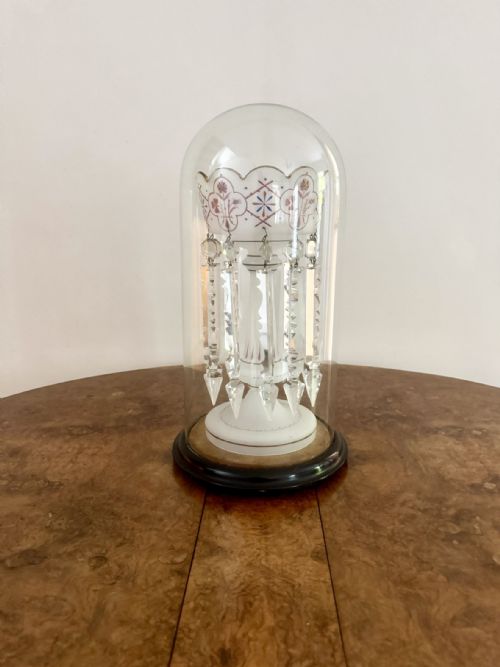
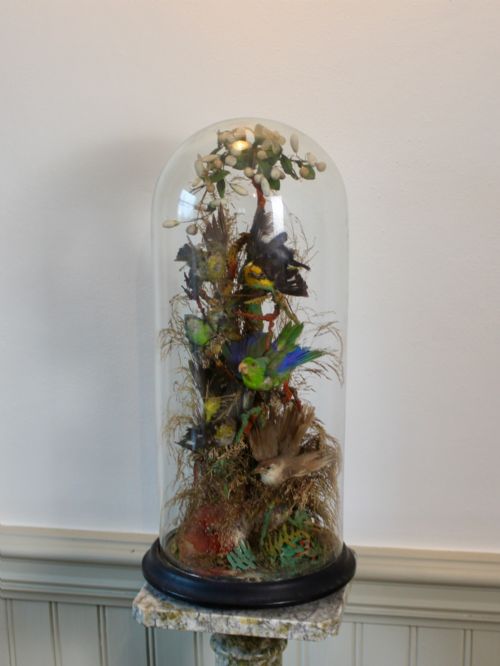
A victorian glass cloche is a protective display cover designed to safeguard delicate ornaments, clocks and taxidermy from dust. These pieces generally date from the Victorian era and the year nineteen hundred, spanning forms such as display domes, bell jars and specimen cases.
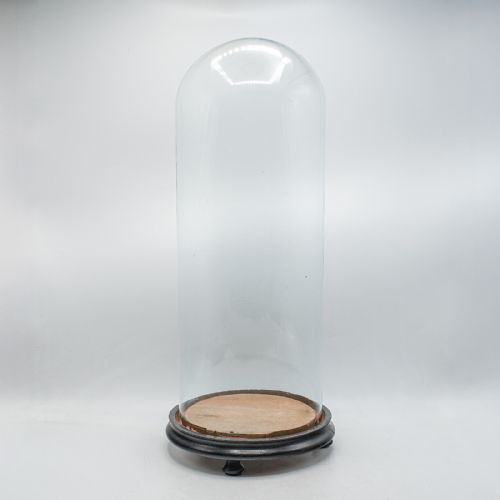
The objects appear on this page in various proportions, including tall formats, wide clock domes and matched pairs. Such pieces sit upon fitted bases made of ebonised wood, pine, velvet or felt, completing the traditional presentation.
How They Were Made
The primary material is glass, often hand blown to create smooth, curved protective covers that sit atop structural bases. Supportive elements incorporate timber such as pine and ebonised wood, alongside textile linings in velvet, fabric and felt.
Cast iron also appears in the construction of certain bases, providing robust support for heavier glass covers. These components combine wood, metal and blown glass to form stable display enclosures.
Retail Price Guide 2026
Typical UK retail prices for victorian glass cloche, calculated from the Sellingantiques database of over a million retail prices indexed since 2003. This retail price guide relies exclusively on Sellingantiques data; no external sources or auction records are used, so the figures do not describe the wider market.
Victorian households kept dome covers over everything from stuffed owls to wax fruit, ensuring even the dust stayed strictly ornamental.
What Varies in Quality
Quality rests upon the clarity and weight of the glass dome itself, alongside the finish of the accompanying wooden or cast iron base. Hand blown examples display subtle irregularities that separate them from uniform later production.
The refinement of the supporting materials, such as finely turned ebonised wood or fitted velvet and felt linings, distinguishes the finer examples. Complete pairings of dome and original base maintain greater integrity within a collection.
The Victorian Glass Cloche Glossary
- Cloche
- A bell shaped glass cover traditionally utilised to protect indoor displays or garden plants. The term derives from the French word for bell.
- Display Dome
- A glass cover designed to showcase and preserve decorative objects, clocks or taxidermy. These enclosures sit securely upon a dedicated wooden or cast iron base.
- Ebonised Wood
- Timber treated with a dark finish to imitate the appearance of ebony. This material frequently forms the base for Victorian display domes.
- Specimen Vase
- A specialised glass container or dome used for housing natural history items and botanical samples. Such pieces reflect the Victorian fascination with scientific collection.
- Bell Jar
- A vessel shaped like a laboratory bell, open at the base and used for display or experimentation. These items share the curved glass construction characteristic of cloches.
Frequently Asked Questions
What fits under a glass dome?
These glass covers traditionally house delicate ornaments, clocks, taxidermy specimens and natural history curiosities. The enclosed space protects fragile items from household dust and disturbance.
Larger formats accommodate tall objects or paired items, whilst wide variations suit mantel clocks and grouping arrangements. The internal clearance depends on the height and width of the specific dome.
How do I clean a Victorian cloche?
Glass covers require gentle cleaning with standard glass cleaner and a soft cloth to avoid scratching the surface. Care must be taken when lifting the heavy glass from its base.
Wooden and fabric bases benefit from dusting with a dry cloth rather than liquid cleaning agents. Keeping the environment stable preserves both the glass and the underlying timber or velvet.
Are all these domes English?
The recorded pieces on this page originating from English workshops reflect regional manufacturing traditions of the nineteenth century. These domestic examples often utilise native timbers like pine alongside ebonised finishes.
Origin details within specific listings confirm the geographic source where known. Construction methods and materials often align with English cabinet making standards of the period.
How do I date a glass cloche?
Dating relies upon manufacturing characteristics such as hand blown glass production techniques and the specific woods utilised in the base. Victorian examples display distinct weight and clarity compared to modern alternatives.
Associated materials like cast iron, velvet and felt provide further contextual clues regarding the period of manufacture. Archival records and listed dates help establish the timeline of individual pieces.