


Victorian Glass Chandelier
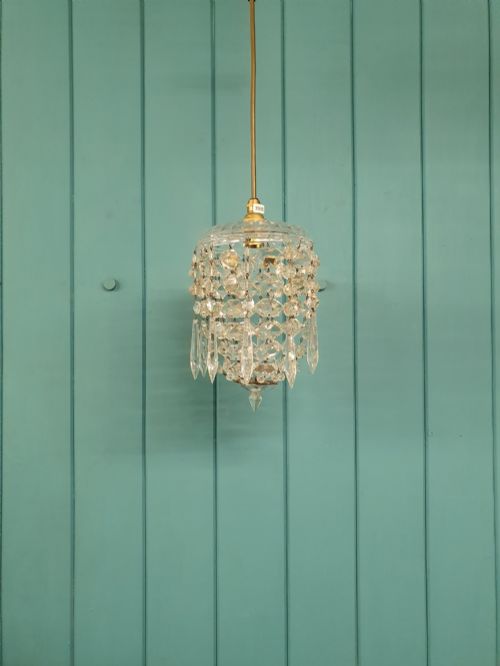
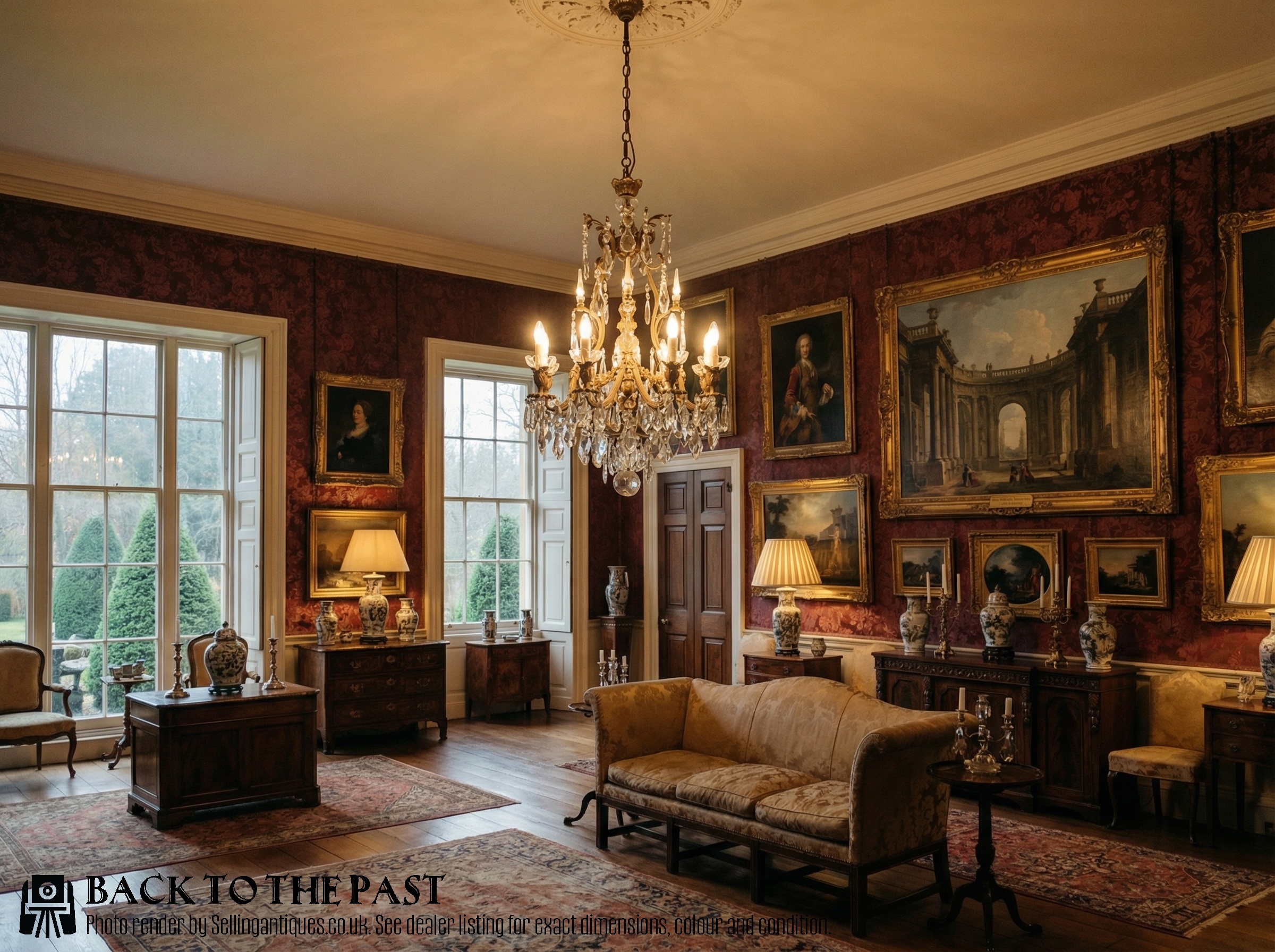
A victorian glass chandelier brings overhead sparkle and period presence to a room, combining brass, bronze or metal frames with cut glass and crystal.
Victorian Glass Chandelier
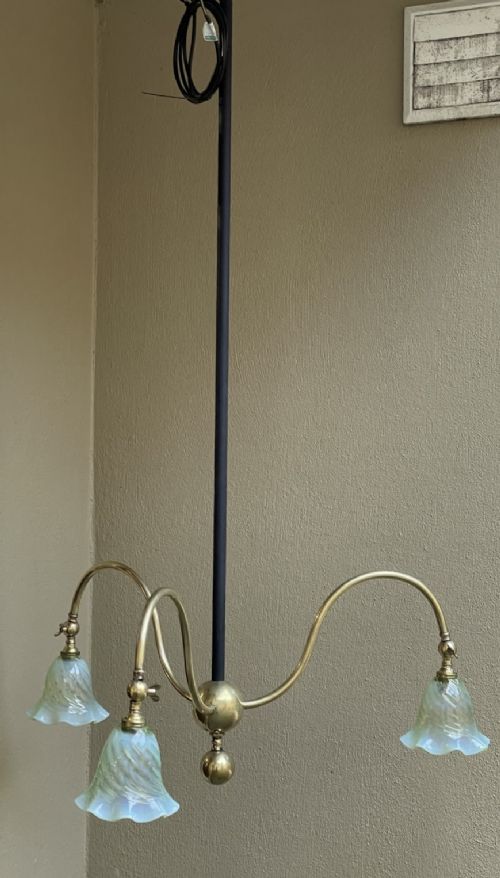
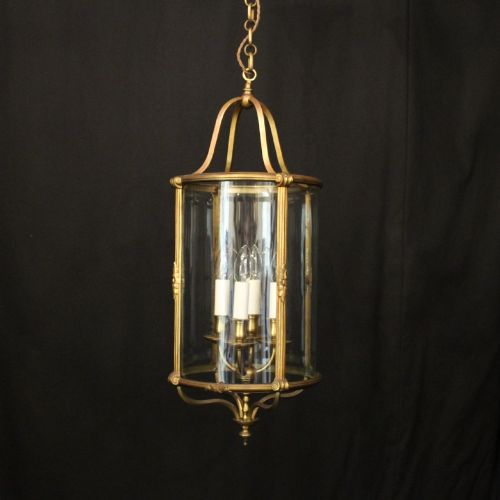
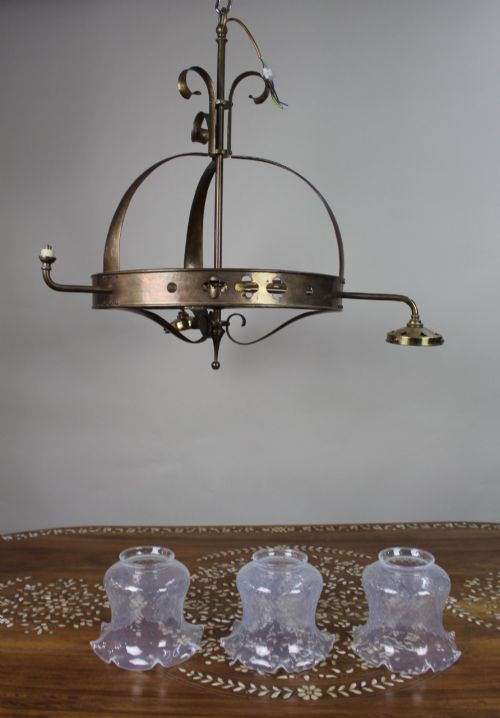
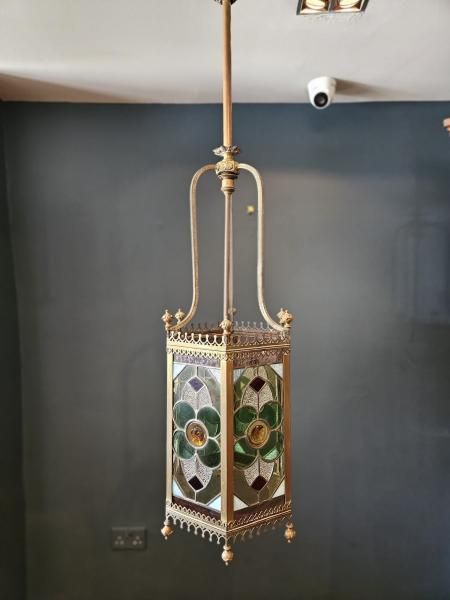
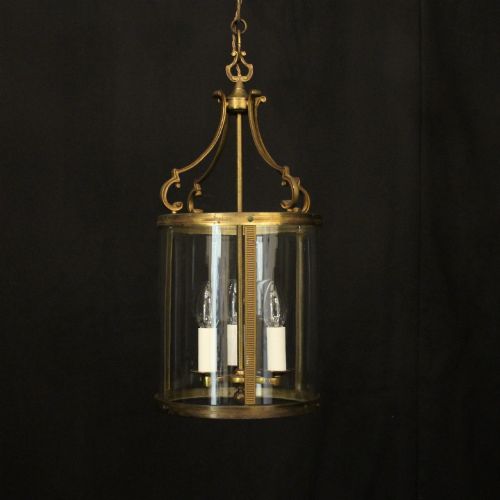
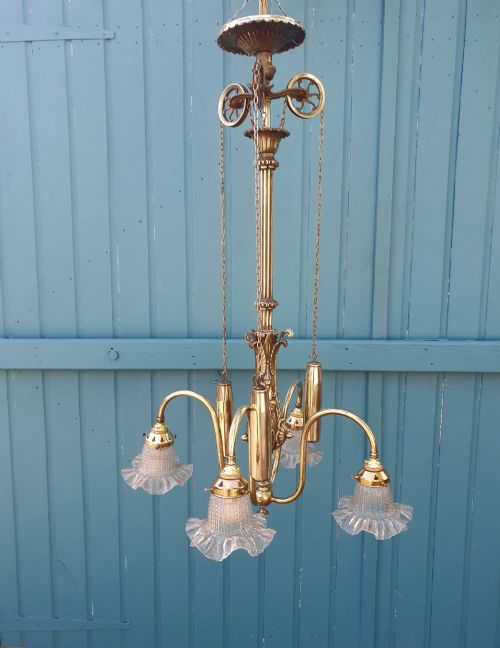
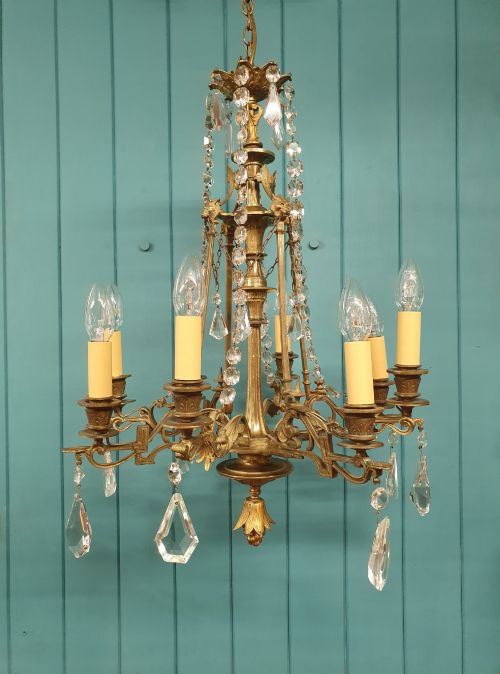
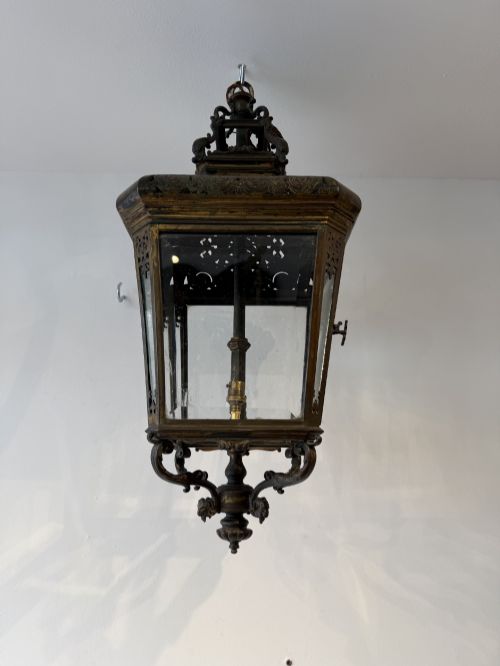
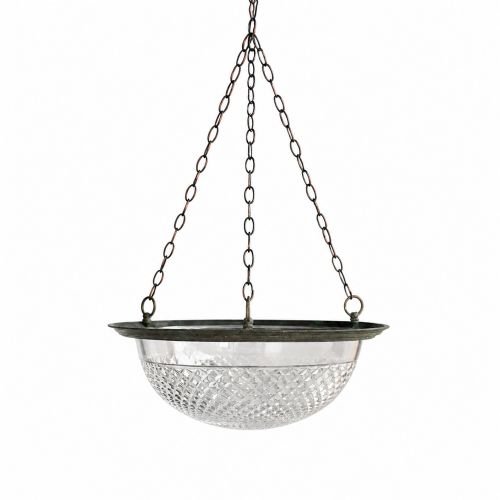
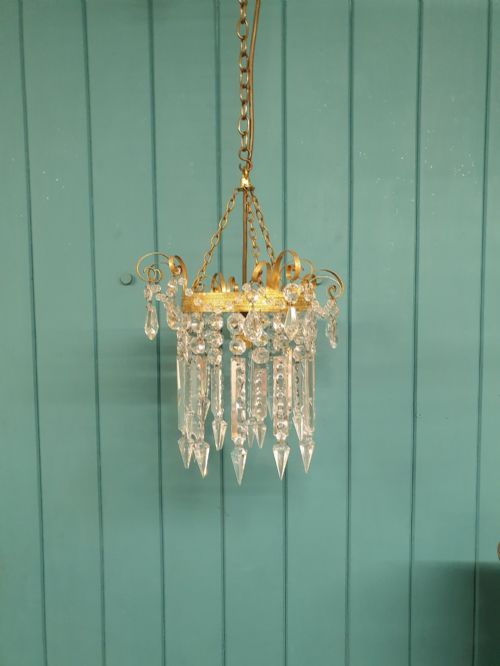
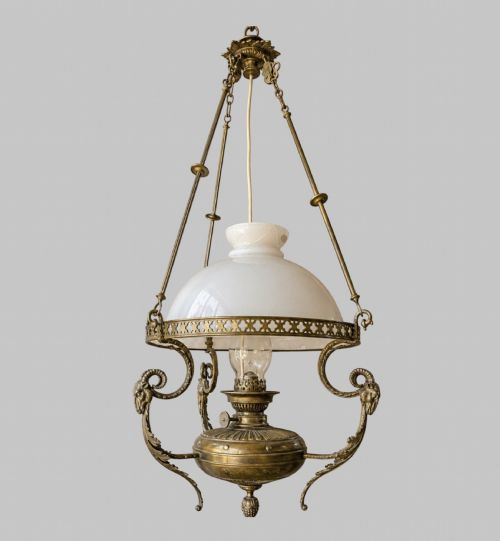
A victorian glass chandelier encompasses hanging lighting, ceiling lights, hall lanterns and pendant lights originating mainly from the nineteenth century alongside related Edwardian and French examples. Buyers encounter multi-arm brass gasoliers, single-light hanging lanterns and cut-glass crystal domes suspended from chains or rods.
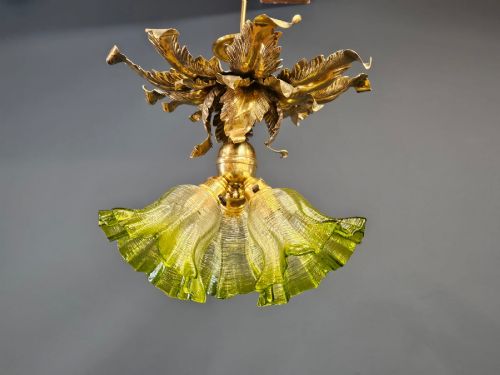
The selection ranges from elaborate French gilded bronze fixtures with numerous arms to simpler English brass designs fitted with cranberry, ruby, opalescent or vaseline glass shades. Smaller components such as drops, bowls, stems and capitals also appear alongside complete hanging lamps.
Makers and designers drew upon various aesthetic movements, producing Gothic revival lanterns, Arts and Crafts fixtures, French rococo revival pieces and straightforward Victorian designs. These overhead fittings served to illuminate grand halls, parlours and public buildings using gas or candles before later conversion to electricity.
Materials and Construction
Frames rely on cast brass, bronze, gilded bronze and other metals, providing a sturdy structural skeleton to support heavy glass elements. Metal components often feature decorative casting work such as leaf motifs, lion masks, cherub arms or geometric tracery.
Glass elements include cut glass, crystal, leaded glass and moulded components like globes, shades, lustres and cascading drops. Coloured glass varieties such as ruby, cranberry and vaseline achieve their hues through specialised mineral additions during the molten stage.
Listings feature 19th Century, Victorian, Edwardian and 1930s periods, incorporating materials such as brass, glass, crystal, bronze and ruby glass.
Assessing Quality
The calibre of a fixture depends upon the crispness of the metal casting and the precision of the glass cutting, where sharper facets and heavier bronze or brass frames distinguish superior examples. Finer pieces demonstrate harmonious proportions between the metal armature and the suspended crystal or glass components.
Originality of components elevates a piece, particularly when matching shades, unaltered burners, period suspensions and complete sets of prismatic drops remain intact. The complexity of the design, from simple single-light lanterns to multi-arm chandeliers with detailed ornamentation, dictates the tier of craftsmanship.
Baccarat
The Victorian Glass Chandelier Glossary
- Gasolier
- A branched ceiling light originally designed to burn coal gas rather than candles or oil. These fixtures frequently incorporate brass arms and decorative glass shades.
- Plafonnier
- A ceiling light fixture mounted flush or very close to the ceiling surface rather than suspended on a long chain. They typically feature a glass bowl or dome held in a metal mount.
- Lustre
- A decorative tabletop or hanging ornament featuring cut glass pendants suspended from a central column. They catch and refract ambient light.
- Vaseline glass
- A type of glass containing uranium dioxide that exhibits a distinctive yellow-green fluorescence under ultraviolet light. It appears in various nineteenth-century lighting shades and components.
- Capital
- The uppermost decorative member of a pillar or chandelier stem. These glass or metal elements often feature etched or gilded surface details.
Victorian Glass Chandelier: Frequently Asked Questions
How do I clean a glass chandelier?
Cleaning requires removing dust with a soft brush and wiping glass elements with a mild solution of warm water and vinegar. Metal frames should be dusted carefully without harsh chemical polishes that might damage historic finishes.
Many components can be unclipped and washed individually if the wiring permits. Care must be taken to support heavy crystal drops during the cleaning process.
Can these chandeliers be used with modern electricity?
Most antique fixtures have already been converted from gas, oil or candles to accept standard electrical wiring. Professional rewiring ensures safety while retaining the historic exterior appearance of the brass or bronze frame.
Low-wattage LED bulbs help protect delicate antique glass and coloured shades from excessive heat exposure. A qualified electrician should check older fittings before installation.
How do I date a Victorian glass chandelier?
Dating relies upon examining the manufacturing techniques, mounting hardware, burner types and stylistic influences such as Gothic Revival or Arts and Crafts. Gas fittings, patent burners and specific glass colours like cranberry or vaseline point towards the nineteenth century.
Matching components with historical catalogues or documented periods helps narrow down the decade of production. Slight variations in hand-cut crystal and cast brass details further indicate the era of manufacture.