
Victorian Gilt Frame Landscape
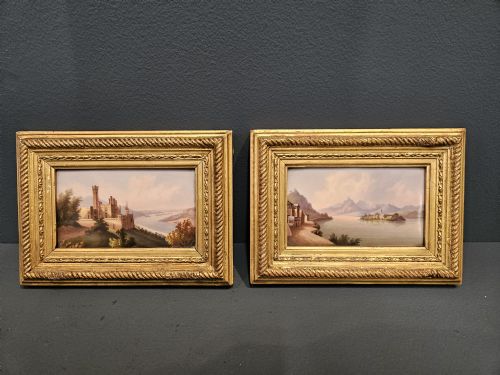
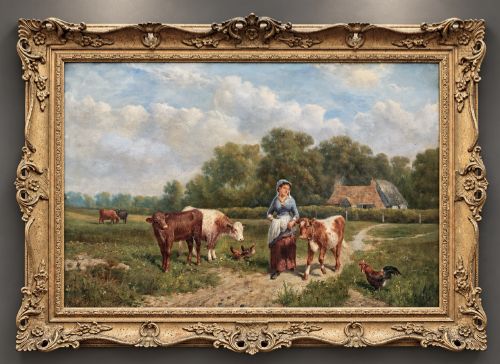
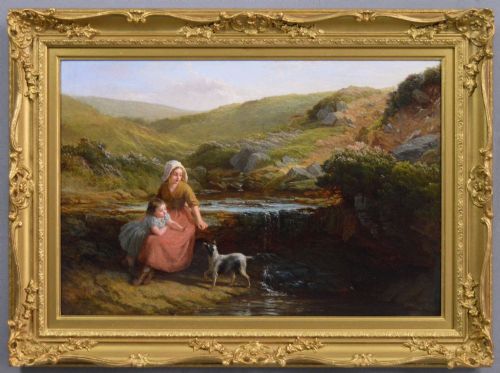
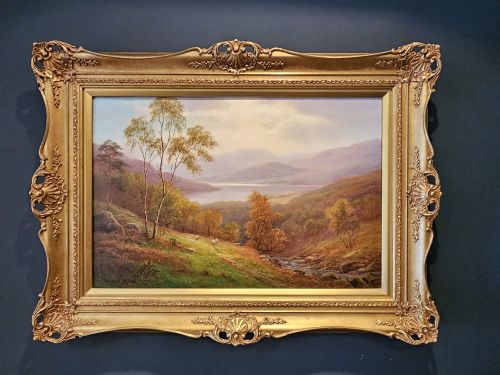
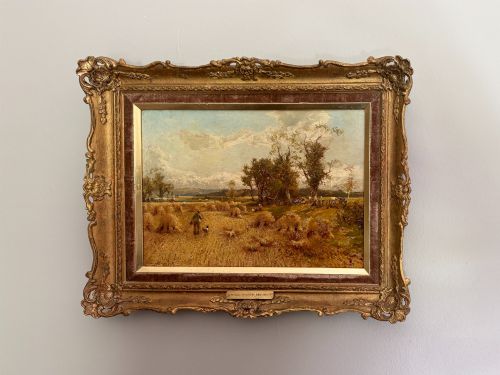
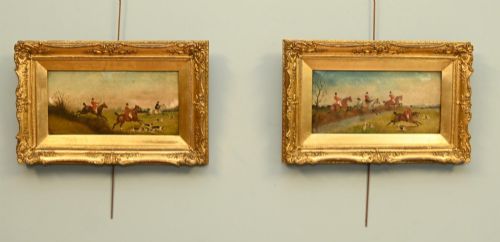
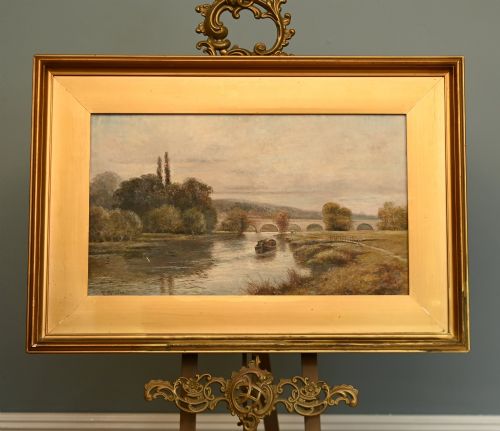
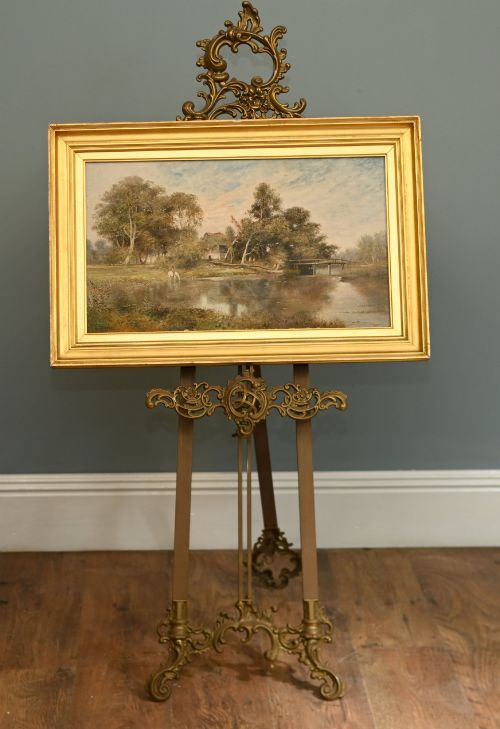
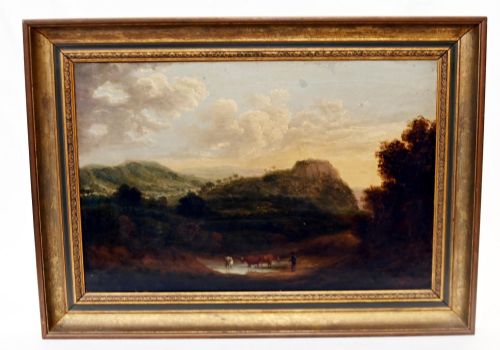
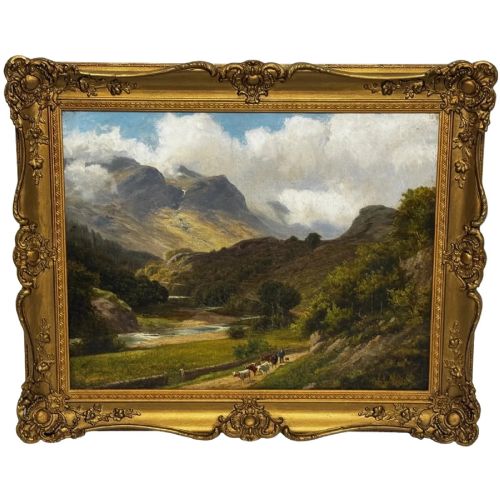
These pieces combine oil paint and gold leaf within an ornamental surround, offering a window into nineteenth-century scenery that collectors prize for period ambience.

Victorian Gilt Frame Landscape
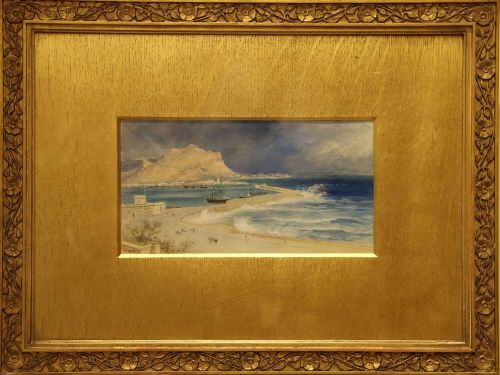
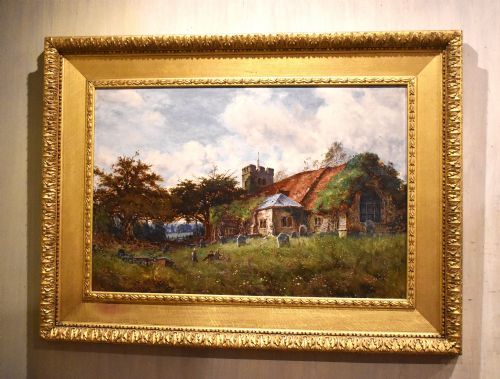
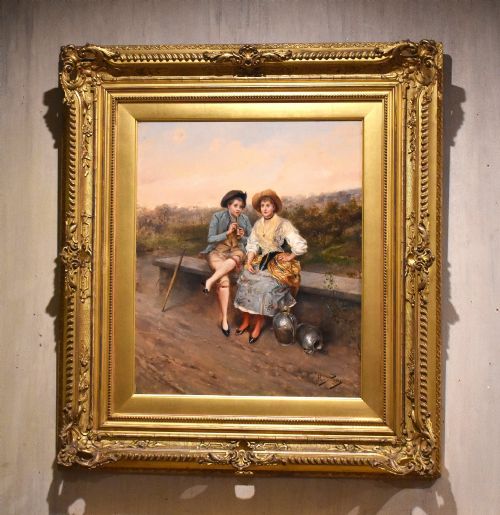
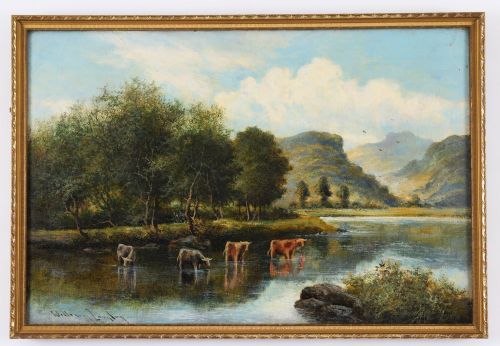
A victorian gilt frame landscape presents framed artistic depictions of pastoral, marine, or woodland views enclosed within ornate metallic mouldings. Buyers searching this phrase look for authentic nineteenth-century works that capture domestic or European countryside scenes within period surrounds.
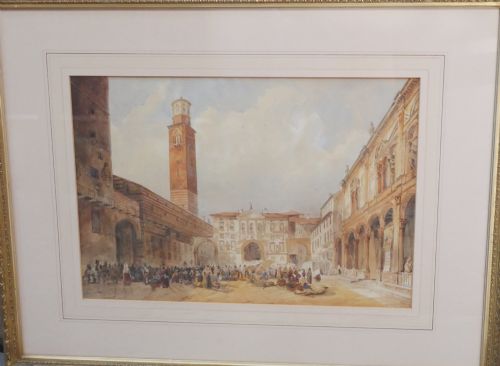
The most common examples on this page are oil paintings on canvas or panel, alongside watercolours, housed in original plaster or wooden gold leaf frames. These works span pastoral views, harbour scenes, and river landscapes produced during the nineteenth and early twentieth centuries.
Makers and artists range from Royal Academy painters to regional British and continental practitioners working in realism, romanticism, or pastoral styles. Each piece bridges canvas and carpentry, pairing painted rural scenery with decorative framing techniques characteristic of the era.
How they were made
Painters applied oil colours to stretched canvas or wooden panels, utilising pigments that captured natural light in woodland, coastal, and agricultural settings. Watercolours on paper also appear, fixed behind protective glass within the same decorative surrounds.
Mouldings for the surrounds utilised timber, gesso, and plaster built up over a wooden base before receiving a layer of gold leaf or metallic gilding. Artisans carved or moulded intricate relief patterns into the gesso to catch ambient light and complement the painted scene within.
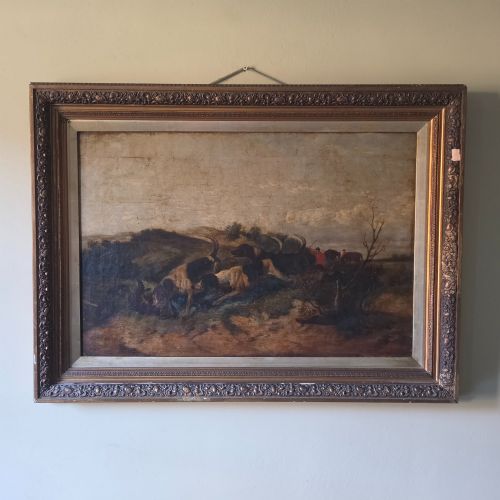
Among the rural idylls and coastal harbours, one nineteenth-century canvas depicts a prized shorthorn bull standing with quiet dignity.
What varies in quality
Execution of the painted surface dictates the upper tier of the range, separating skilled brushwork and anatomical or botanical precision from more formulaic studio output. Hand-carved or deeply moulded gesso relief on the surround likewise signals superior workshop craftsmanship compared to simpler moulded plaster profiles.
Survival of the original surface finish, including untouched gilding on the frame and stable pigment adhesion on the canvas, determines the integrity of the piece. Works retaining their original matching plaster or gilt wood surrounds command greater adherence to period authenticity.
Richard Sebastian Bond·William Beattie-Brown·George Fotherly Hargitt·William Howard Hardy·Arthur Wardle·John Horace Hooper·Alfred Fontville de Breanski Jr·Edward Mills·William Banks Fortescue·Thomas W Lascelles·David Bates·Robert John Hammond·Walter Heath Williams·Robert Thorne Waite·Francis Moltino·Bernard Benedict Hemy·Thomas Creswick·Thomas Sidney Cooper·Ernest Arthur Rowe·Frederick Walker·John Sargent Noble·Frederick James Kerr·Henry H Parker·Robert Watson·Julius Hare
The Victorian Gilt Frame Landscape Glossary
- Gesso
- A plaster-like mixture applied to wood frames to create a smooth surface for gilding. Artisans carved intricate relief details into this layer before applying gold leaf.
- Giltwood
- Timber furniture or framing covered with a thin layer of gold leaf or gold paint. This material provided a durable and opulent metallic finish for nineteenth-century artwork.
- Pastoral
- A style of painting depicting idealized rural life, shepherds, and agricultural landscapes. These scenes emphasised tranquil countryside harmony.
- Watercolour
- A painting method in which the paints are made of pigments suspended in a water-based solution. Works in this medium on paper frequently appeared alongside oils in period homes.
Victorian Gilt Frame Landscape: Frequently Asked Questions
Can I hang these paintings in direct sunlight?
Extended exposure to direct sunlight causes oil pigments to fade and accelerates the degradation of paper supports in watercolour works.
Position the artwork on an interior wall away from windows to preserve the original colours and prevent the timber frame from drying out.
How can I tell if the frame is original?
Examine the reverse of the canvas and the joinery of the moulding to check for matching age patination, historic fixings, and congruous wear.
Original surrounds fit the exact dimensions of the stretcher bars and often display matching nineteenth-century framing workshop labels or stamps.
What is the difference between oil and watercolour here?
Oil paintings utilise pigment bound in drying oils on canvas or panel, creating a textured, durable surface that does not require protective glass.
Watercolours employ water-soluble pigments on paper and must remain sealed behind glass within their frames to prevent moisture damage and fading.