




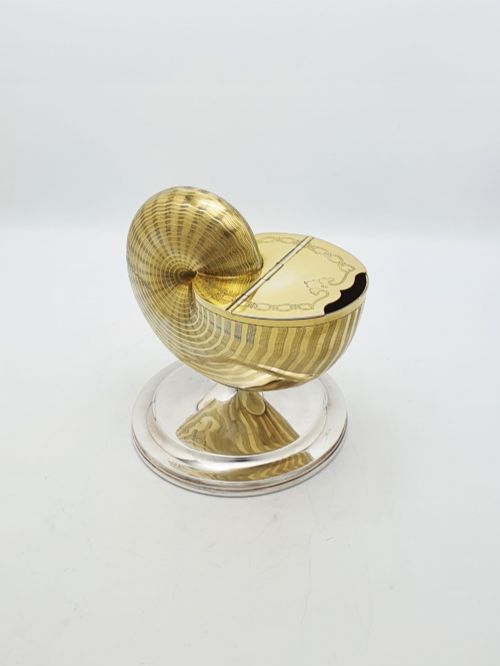
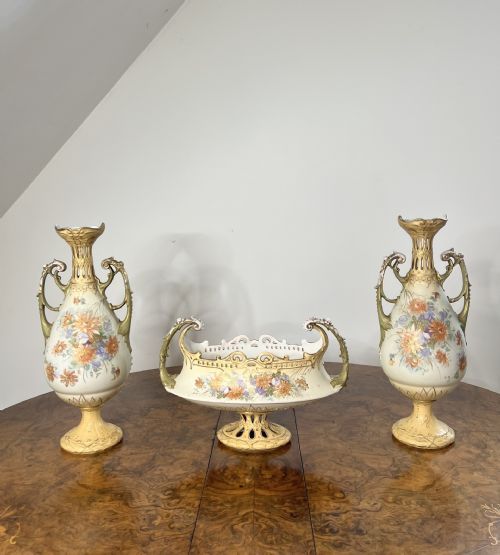
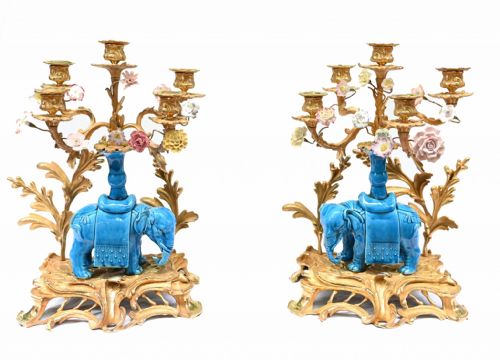

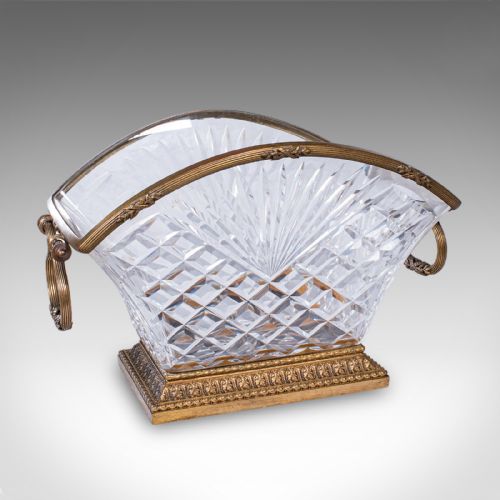
Victorian Gilt Centerpiece
These nineteenth-century pieces command a dining table with shimmering gilding and generous proportions, bringing dramatic nineteenth-century elegance to any room.
Victorian Gilt Centerpiece
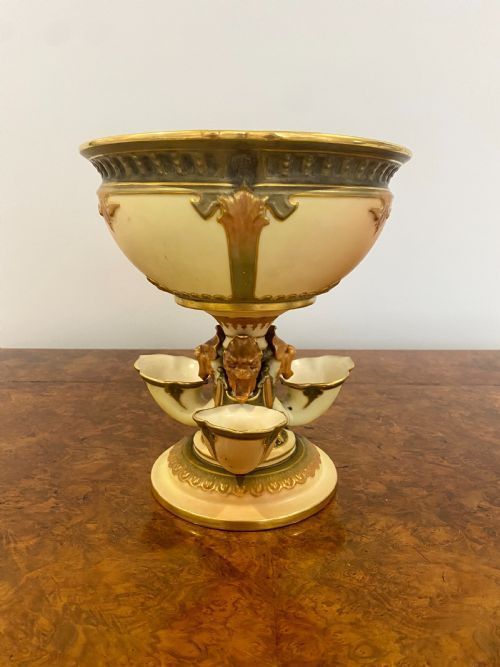
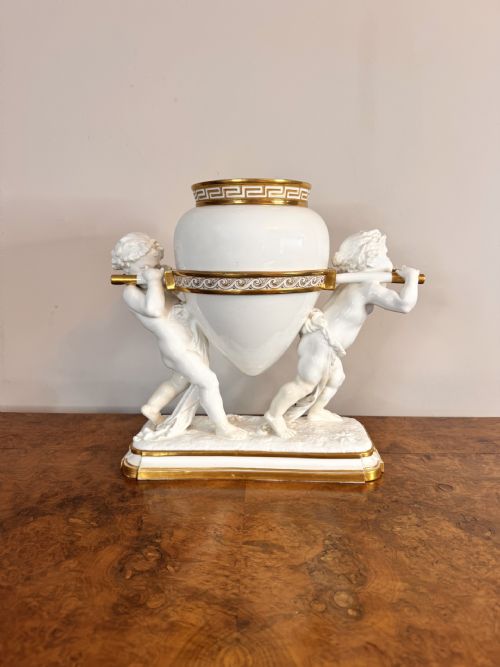
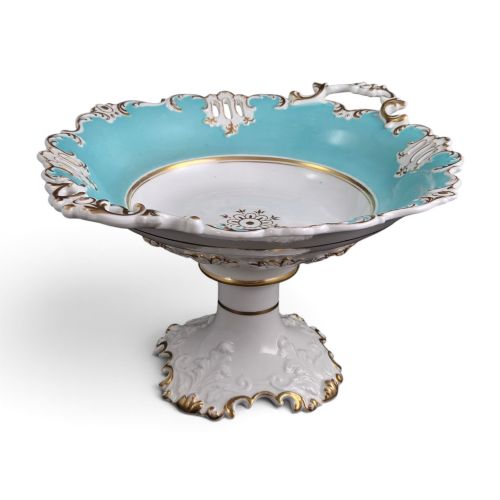
A victorian gilt centrepiece unites grand table service with decorative display, taking the form of open bowls, elevated tazzas, and elaborate epergnes. These objects anchor formal dining rooms, designed to hold fruit, flowers, or sweetmeats.
The selections here span nineteenth-century production, frequently drawing on French Rococo revival, Empire taste, and Aesthetic Movement designs. Porcelain, glass, and ceramic bodies meet elaborate metallic mounts to create these ornate focal points.
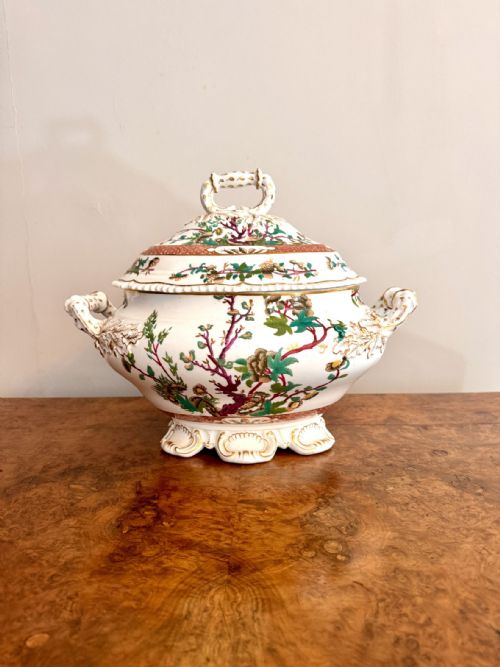
English potteries and continental workshops dominate the forms, yielding everything from bone china comports to heavy bronze presentation pieces. Domestic tableware merges with artistic display in these substantial nineteenth-century items.
Materials and construction methods
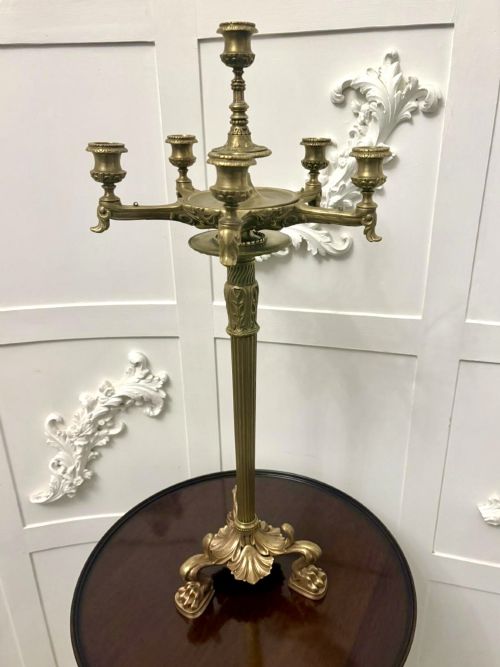
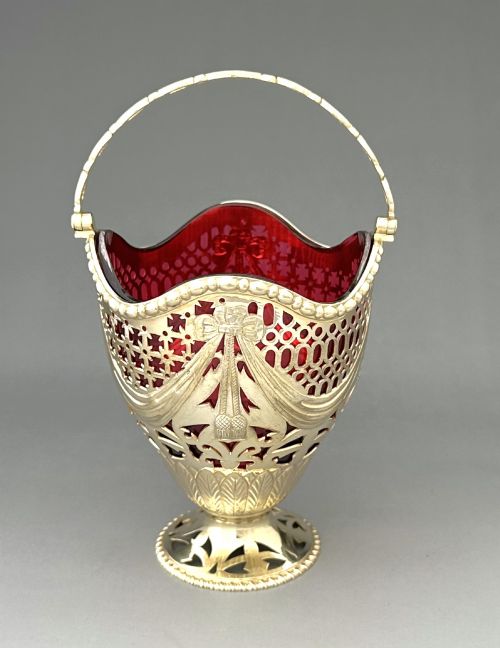
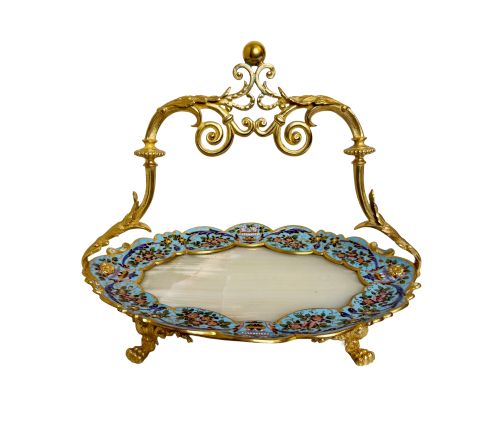
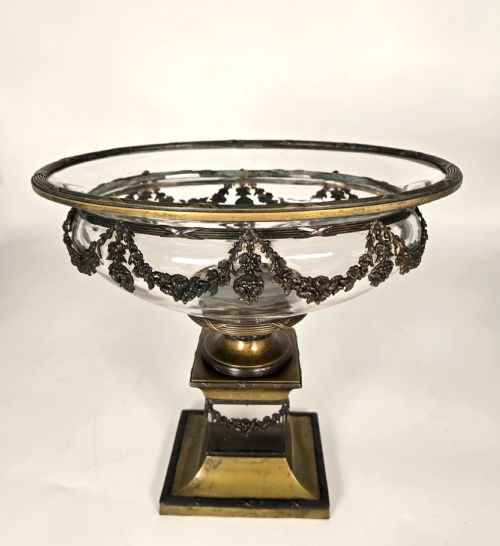
Metalwork relies on bronze, brass, and copper, shaped through casting before receiving layers of ormolu, gold leaf, or fire gilding. Champlevé enamel and cast bronze mounts frequently lock glass vessels or porcelain bowls into place.
Ceramic and glass bodies utilise moulding, blowing, and hand-painting techniques, often incorporating cobalt blue, blush ivory, or turquoise glazes. Gilding is applied to edges and patterns, then fired or polished to a bright finish.
Victorian Gilt Centerpiece Retail Price Guide 2026
Typical asking prices for victorian gilt centerpiece among the pieces listed under this phrase on Sellingantiques today, from the lower quarter to the upper quarter. They describe what is for sale here now, not the wider market.
Listings feature nineteenth-century materials including porcelain, gilt bronze, champlevé enamel, and cut crystal across various decorative forms.
Assessing craftsmanship and execution
Quality rests in the crispness of the casting and the depth of the gilding, where hand-chased bronze details separate superior pieces from simpler industrial work. Clean lines in cut crystal and smooth application of enamels indicate skilled hands in the workshop.
The integration between ceramic bodies and their metal mounts reveals the maker's intent, as well-fitted ormolu frames secure fragile porcelain without tension. Finer examples display balanced proportions and consistent surface patination across every material.
Minton·Coalport·Royal Vienna·Doulton Burslem·Royal Worcester·Meissen·Sevres·Garrard London
The Victorian Gilt Centerpiece Glossary
- Ormolu
- A metallic technique involving the application of finely ground high-carat gold to a bronze base. This process creates a rich, warm yellow shine popular on nineteenth-century mounts.
- Tazza
- A wide, shallow saucer or bowl raised upon a central foot or pedestal. These stemmed vessels serve as decorative centerpieces for fruit or floral arrangements.
- Champlevé
- An enamelling technique where troughs are dug into a metal surface and filled with vitreous paste before firing. The resulting coloured patterns contrast sharply with the surrounding metal.
- Comport
- A decorative dish or bowl mounted on a high foot for serving fruit at a formal table. These pieces double as ornamental centrepieces when left empty.
- Epergne
- A large, multi-tiered centrepiece featuring a central basket flanked by smaller hanging dishes or arms. They dominate dining tables with complex arrangements of glass and metal.
Victorian Gilt Centerpiece: Frequently Asked Questions
What is a victorian gilt centrepiece used for?
These large vessels sat in the middle of formal dining tables during the nineteenth century, holding seasonal fruit, sweetmeats, or floral displays.
Today they function primarily as decorative focal points on sideboards, side tables, or dining surfaces without needing to serve food.
How do I clean the gilt metal?
Gilt surfaces require very gentle dusting with a soft, dry cloth to prevent wearing away the delicate gold leaf or ormolu layers.
Moisture and commercial metal polishes must be avoided entirely, as they strip the historic gilding from bronze and brass elements.
Are porcelain and glass parts removable?
Many pieces combine cast metal frames with separate glass liners or porcelain bowls held in place by screw fittings or prongs.
Care should be taken when handling these components during cleaning, as older glass and ceramics fit snugly within their metal mounts.
How do I identify the period?
Stylistic clues such as Rococo revival scrolls, Aesthetic Movement geometry, or Empire taste motifs point directly to nineteenth-century manufacture.
Maker marks, factory stamps, and glaze types underneath the ceramic bases or stamped into the bronze further narrow down the exact decade.