


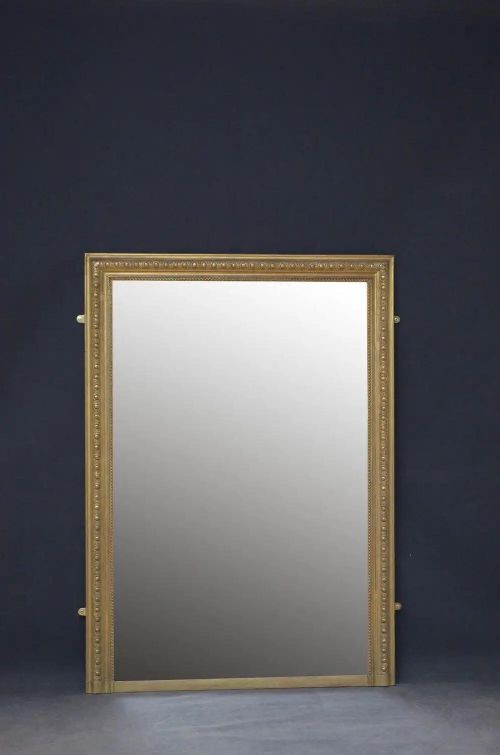


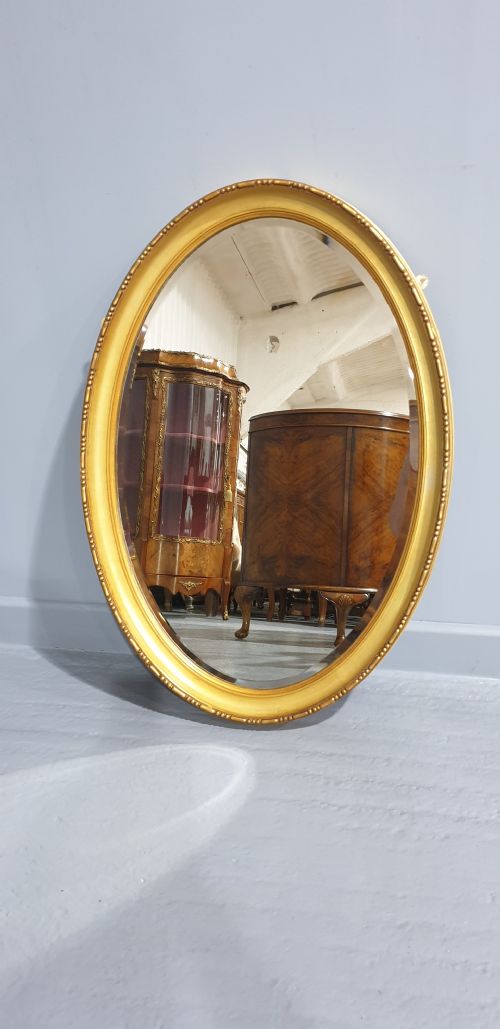


Victorian Gilded Vanity Mirror
A victorian gilded vanity mirror brings warmth and reflective depth to a dressing space, combining nineteenth-century craftsmanship with ornate decorative surfaces.
Victorian Gilded Vanity Mirror
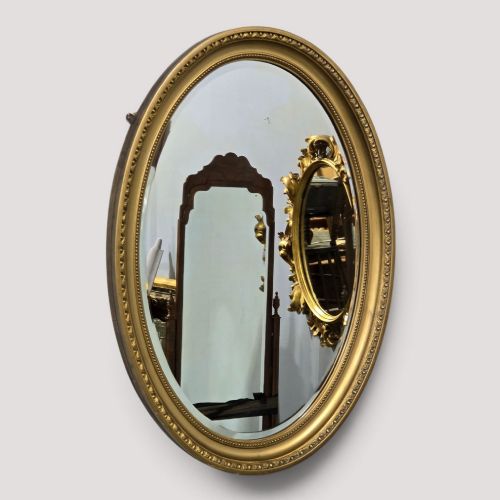
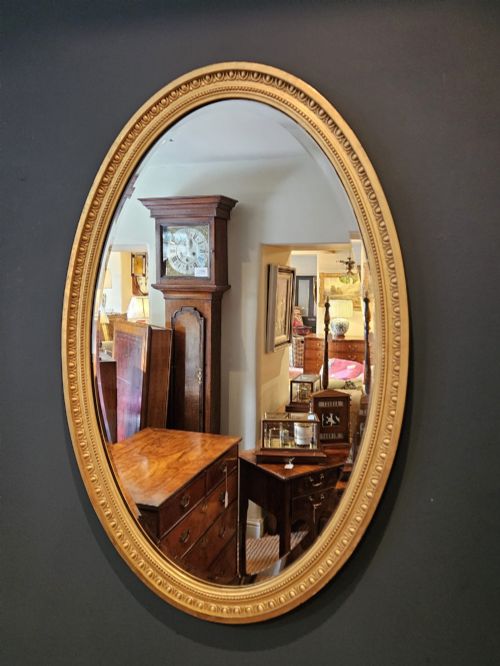
When you search for a victorian gilded vanity mirror, you encounter dressing table mirrors, toilet mirrors, and small table mirrors designed for nineteenth-century chambers. These objects frequently take oval or rectangular forms intended to sit atop a surface or tilt on a stand.
The selections span the nineteenth century into the early twentieth century, incorporating Victorian, Rococo Revival, French Rococo, and Renaissance Revival styles. English and continental makers produced these pieces in various sizes, from compact table versions to larger vanity examples.
You also find wall mirrors and overmantle mirrors grouped into this category due to shared gilded finishes and period characteristics. The typical piece relies on carved wood or moulded frames designed to catch the light in a bedroom or dressing room.
How they were made
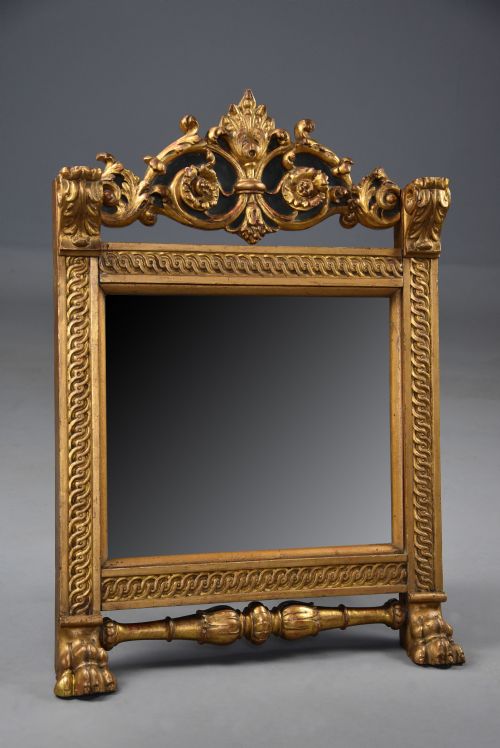
Makers utilised wood, gesso, and composition applied over a wooden base to build intricate frames before laying down gold leaf or gilding. Carved giltwood and gilt gesso provide the characteristic metallic sheen seen across nineteenth-century examples.
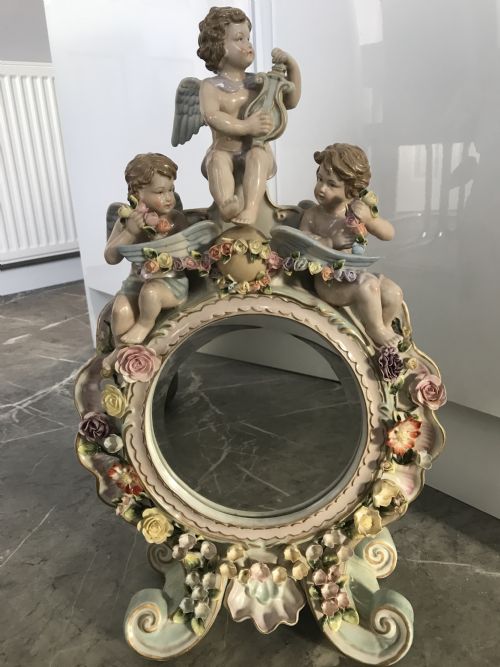
Mirror glass sits within these ornamented structures, occasionally accompanied by porcelain elements, majolica panels, or hand-painted details. Continental factories also incorporated ceramic flowers and figures into the framing.
Victorian Gilded Vanity Mirror Retail Price Guide 2026
Typical asking prices for victorian gilded vanity mirror among the pieces listed under this phrase on Sellingantiques today, from the lower quarter to the upper quarter. They describe what is for sale here now, not the wider market.
Some delicate vanity mirrors feature porcelain cherubs peering out from ceramic floral arbours, watching every powder puff and pin.
What varies in quality
The depth and definition of the carving separate standard moulded composition frames from hand-carved giltwood pieces. Superior examples display crisp detail in the gesso ornamentation and refined joinery on the supporting stands.
Material integration also dictates the standard of the piece, with porcelain flowers, hand-painted accents, and heavy walnut or ebonised foundations marking out finer workshops from mass production.
The Victorian Gilded Vanity Mirror Glossary
- Gesso
- A plaster-based material applied to wood frames to create a smooth surface for gilding. This mixture allows artisans to carve intricate relief patterns before applying gold leaf.
- Giltwood
- Wood that has been coated with gold leaf or gilt powder. It forms the primary structural and decorative medium for many nineteenth-century frames.
- Easel back
- A hinged prop attached to the reverse of a table mirror allowing it to stand upright. This mechanism supports smaller vanity and dressing table mirrors without requiring a fixed frame.
- Toilet mirror
- A traditional term for a small dressing table mirror designed for personal grooming. These items often feature small drawers or pivoting stands.
- Rococo Revival
- A nineteenth-century design style reviving eighteenth-century asymmetrical curves, scrolls, and natural motifs. This aesthetic heavily influences ornate mirror frames.
Victorian Gilded Vanity Mirror: Frequently Asked Questions
Where were these mirrors placed?
These mirrors sat primarily on dressing tables, chests of drawers, or washstands within Victorian bedchambers. Their portable nature allowed users to adjust their position relative to natural window light.
Larger versions functioned as overmantle or wall-mounted fixtures in sitting rooms and hallways, serving both decorative and practical purposes.
How do I identify the period?
Dating relies on examining the framing materials, backing boards, and glass characteristics. Nineteenth-century pieces often use hand-applied gesso, old mirror glass with minor foxing, and traditional joinery.
Stylistic cues such as Renaissance Revival strapwork or Rococo scrolls help narrow the date of manufacture alongside any factory marks on porcelain components.
Can these mirrors be wall mounted?
While many examples are designed as table or vanity mirrors with stands, others are constructed specifically as wall mirrors or overmantle pieces. Converting a table mirror for wall hanging requires appropriate professional brackets to support the weight safely.
Examine the reverse of the frame to determine whether original hanging loops or easel supports are present.
What is ebonised Chinoiserie?
Ebonising involves treating timber to imitate ebony, creating a dark, glossy black surface popular in nineteenth-century decorative arts. Chinoiserie describes European interpretations of Chinese artistic motifs, often rendered in gold paint against the dark background.
This combination appears on select Victorian dressing table mirrors, adding a distinct decorative contrast to standard gilt finishes.