




Gilded Dressing Table Mirror
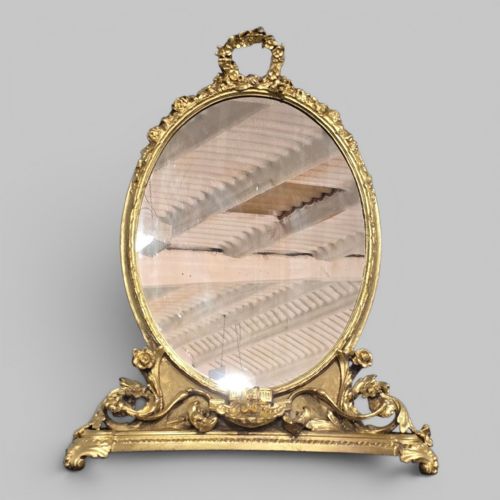
These gilded dressing table mirror examples bring polished glass and gilded ornament to the bedroom, chosen for their historic decorative presence.
Gilded Dressing Table Mirror
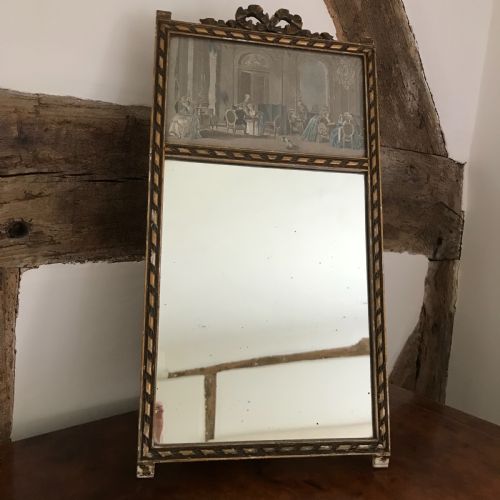
A gilded dressing table mirror serves as a functional and decorative accessory for the bedroom, appearing in forms such as toilet mirrors, vanity mirrors, and dressing mirrors across this selection. Buyers find pieces ranging from compact table mirrors to larger items integrated into broader bedroom furniture suites.
The objects recorded here span several centuries and styles, including 18th century, Victorian, Edwardian, and later periods. Stylistic influences vary widely, taking in Rococo Revival, Renaissance Revival, Italian Rococo, Chinese Export, and Chinoiserie.
Origin and material expression shift between European craftsmanship and export markets, featuring porcelain elements alongside carved wooden frames. Pieces include continental factory items, French ormolu works, and traditional English toilet mirrors designed for historical dressing tables.
How They Were Made
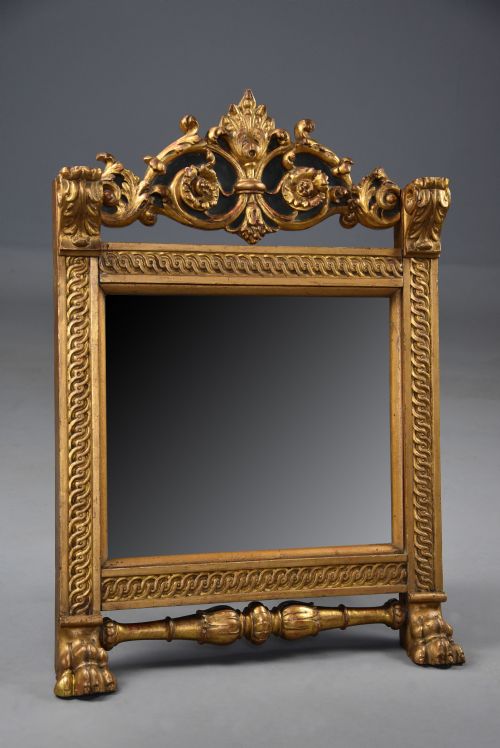
Maker construction relies on carved wood, gesso, and giltwood foundations to build the structural frame of each gilded dressing table mirror. Artisans applied thin layers of gold leaf over preparation layers, or utilised ormolu and gilded metal to achieve surface brilliance.
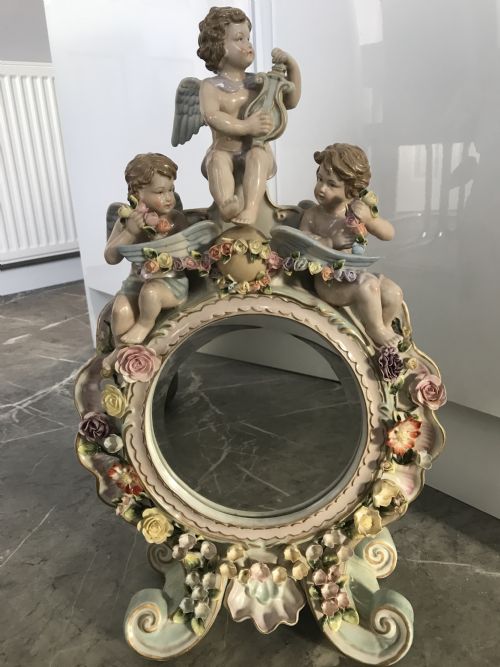
Decorative detailing incorporates moulded porcelain, painted Limoges enamel, and ebonised Chinoiserie finishes applied to wood surfaces. Mirror glass is set within these ornate surrounds, supported in some instances by easel backs or pivoting desk frames.
Gilded Dressing Table Mirror Retail Price Guide 2026
Typical asking prices for gilded dressing table mirror among the pieces listed under this phrase on Sellingantiques today, from the lower quarter to the upper quarter. They describe what is for sale here now, not the wider market.
Several mirrors feature painted porcelain cherubs clambering among gilded flowers, bringing an abundance of cheerful company to the dressing table.
What Varies in Quality
Quality differences emerge in the execution of the surface ornamentation, from hand-carved giltwood and detailed gesso work to moulded porcelain flowers and figural cherub motifs. The precision of the joinery and the depth of the gilding set finer examples apart from standard production items.
The materials integrated into the frame - such as inset Limoges enamel panels, fine porcelain from continental factories, or heavy ormolu mounts - indicate the original cost and ambition of the piece. Preservation of the original mirror glass and the stability of easel or pivoting mechanisms also influence the standing of an individual mirror.
Sitzendorf Porcelain·F.Bienvue
The Gilded Dressing Table Mirror Glossary
- Giltwood
- Wood that has been coated with gold leaf or gold dust using a gesso base. This technique creates a luminous, reflective surface characteristic of many antique frames.
- Gesso
- A plaster-like mixture applied to wood frames to prepare the surface for gilding. It allows craftsmen to carve intricate relief decorations before applying gold leaf.
- Ormolu
- Finely chased and gilt bronze ornament applied to furniture and decorative objects. It provides bright metallic highlights on 19th-century luxury pieces.
- Toilet Mirror
- A traditional term for a small dressing table mirror designed to sit atop a chest of drawers or dressing chest. These often feature pivoting glass set within small upright boxes or stands.
Gilded Dressing Table Mirror: Frequently Asked Questions
What is a gilded dressing table mirror?
A gilded dressing table mirror is a reflective glass piece housed in a gold-finished frame, designed to sit on a dressing surface for personal grooming.
These items range from simple 19th-century wooden toilet mirrors to ornate porcelain and ormolu-mounted continental examples.
How were these mirrors used historically?
Historically, they sat atop dressing tables, console tables, or chests of drawers to assist with hair styling and personal dressing.
They also served as decorative items that reflected light around period bedrooms and boudoirs.
How do I date a gilded dressing table mirror?
Dating relies on examining the construction methods, materials, style markers, and the characteristics of the mirror glass itself. 18th-century examples often display hand-carved frames and export origins, while Victorian and Edwardian pieces show industrial framing techniques or revival styles.
Comparing the decorative motifs, such as Chinoiserie lacquer or Rococo Revival curves, against known period aesthetics helps establish the timeframe.
Where should I place a table mirror?
These mirrors suit placement on bedroom dressing tables, sideboards, or console surfaces where their decorative frames can be appreciated.
Positioning them near natural light sources helps maximise their reflective function while showcasing the gilding and detailed woodwork.