
Victorian Gilded Picture Frame
A victorian gilded picture frame brings nineteenth-century warmth and rich metallic depth to oils and watercolours alike.
Victorian Gilded Picture Frame
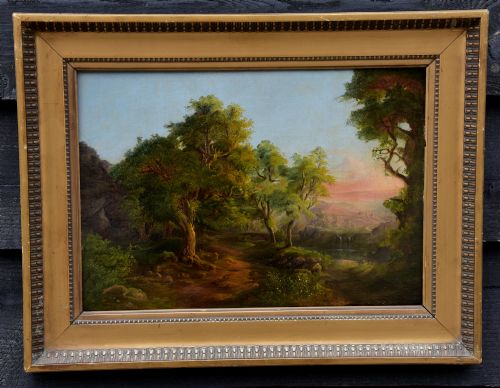
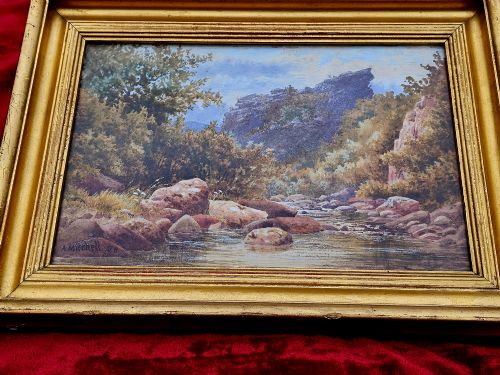
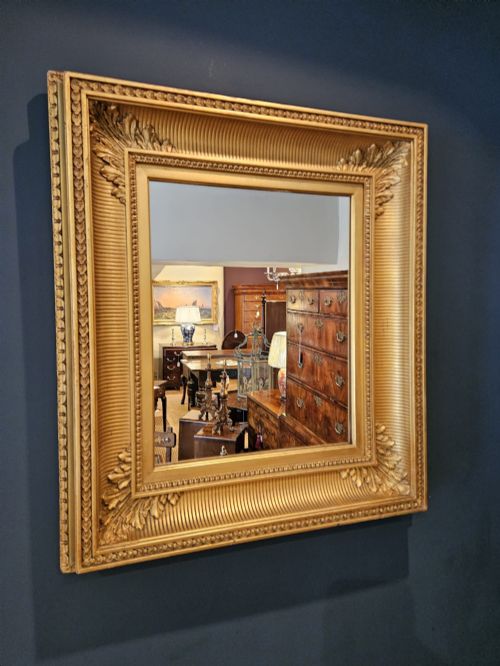
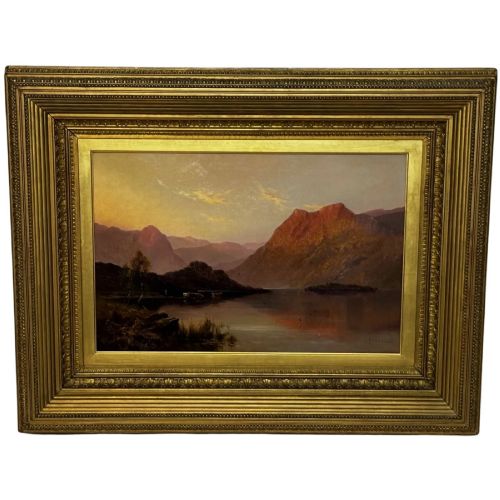
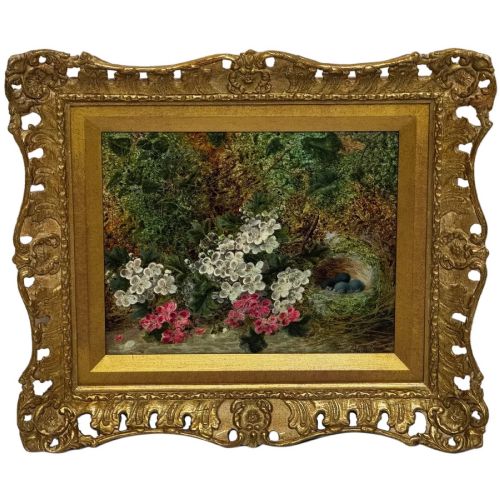
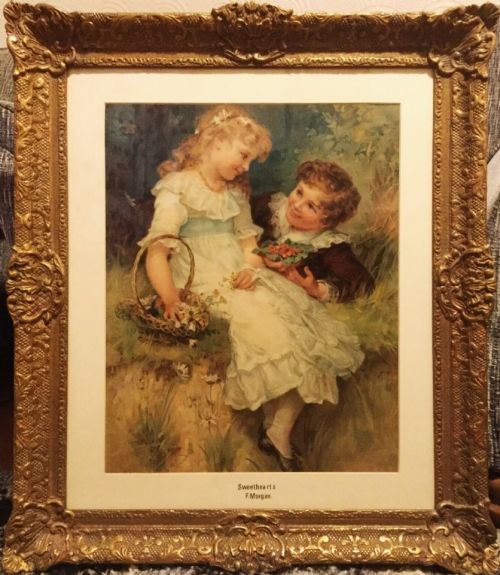
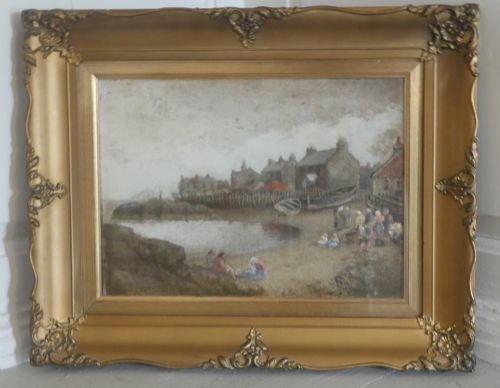
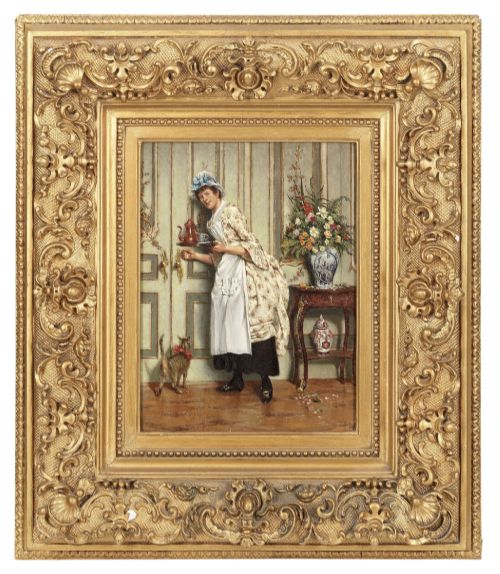
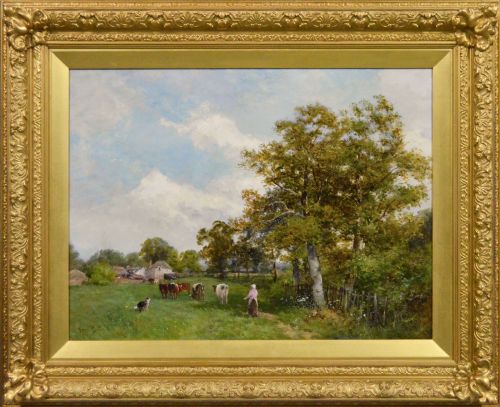
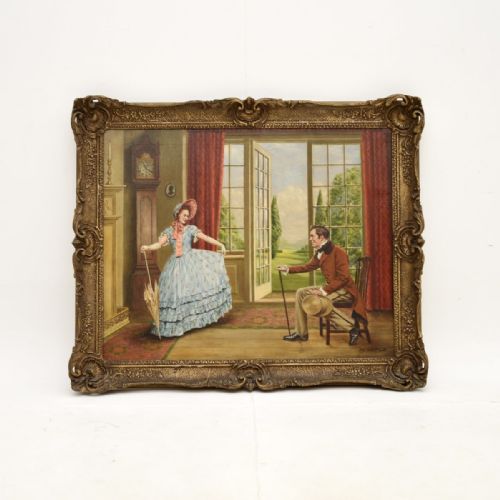
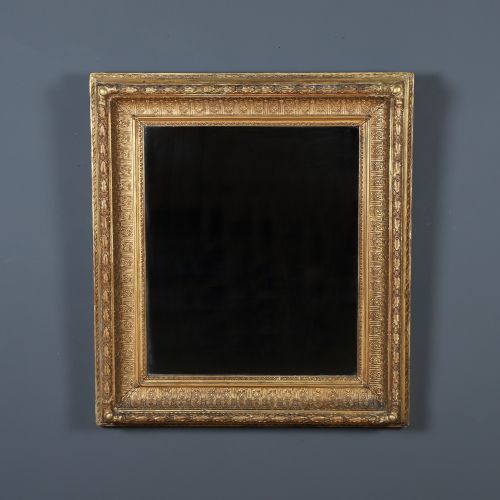
A victorian gilded picture frame houses nineteenth-century oil paintings, watercolours, and wall mirrors within elaborate borders. These pieces emerge from periods spanning the 1850s through to 1900, carrying the decorative weight of the Victorian era.
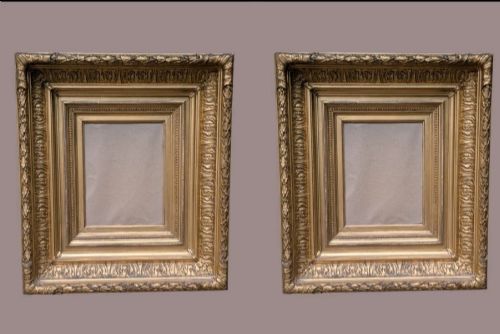
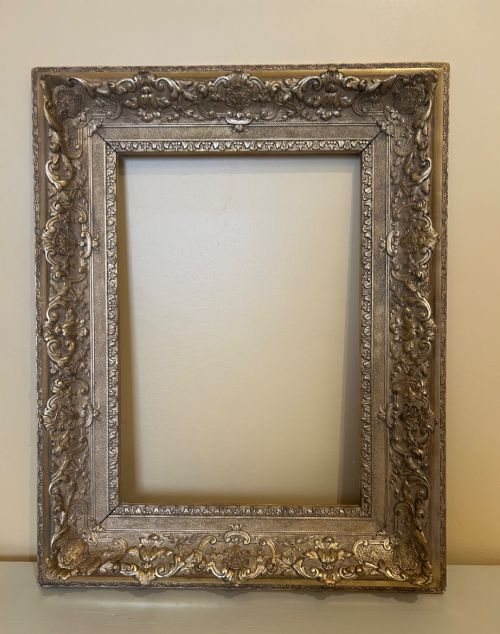
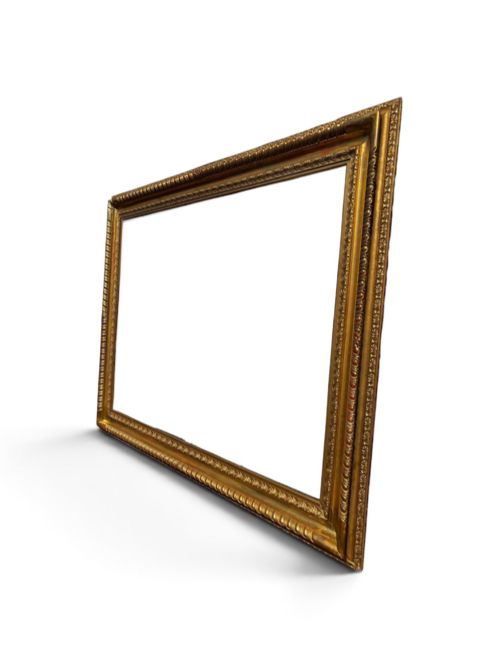
Buyers encounter deep profile frames, acanthus leaf mouldings, and expansive overmantle designs intended for principal rooms. Many examples arrive paired with period canvases, while others survive as empty borders awaiting artwork.
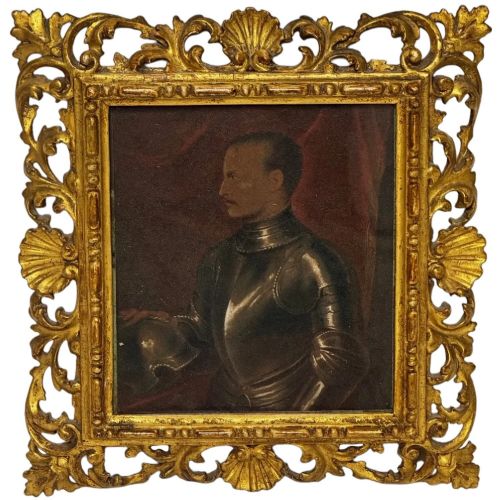
The materials reflect nineteenth-century workshop practices, combining wooden carcases with moulded plaster ornaments and gold leaf applications. They range from simple nineteenth-century gilt mouldings to grand Florentine and Rococo Revival constructions.
Materials and Construction
Makers constructed the foundational carcase from timber, joining the corners securely to support the weight of heavy oil paintings and glass. Pine and hardwoods formed the structural base upon which subsequent decorative layers were built.
Ornaments such as acanthus leaves and scrolling details were shaped from gesso applied over the wood. Craftsmen carved directly into the plaster or pressed composition material into moulds before adhering it to the frame.
Layers of gold leaf or gilt finish were applied over a prepared bole surface, then burnished to achieve a reflective metallic sheen. This traditional layering technique accounts for the enduring brilliance seen across nineteenth-century examples.
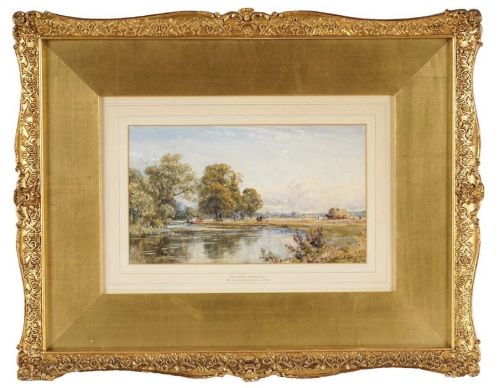
A delicate Victorian watercolour painted by Queen Victoria's daughter, Princess Alice Maud Mary, bridges royal artistry with domestic framing.
Assessing Quality and Craftsmanship
The depth and crispness of the moulded ornament distinguish superior pieces from standard production. Deep profile frames with undercut acanthus foliage demonstrate higher levels of sculptural skill than flat, shallow mouldings.
The integrity of the original gilt surface dictates the visual impact of the object. Examples retaining their initial gold leaf layers without heavy over-painting exhibit a warmer, more coherent historic patina.
The weight and rigidity of the wooden mitres reflect the sturdiness of the initial construction. Solid corner joins prevent warping and secure the heavy canvases or glass panels safely within the rebate.
Alfred Fontville de Breanski Jr·Oliver Clare·Stephen Samuel Lewin·David Bates·Alfred Lyndon Grace·Robert Thorne Waite·Sir John Gilbert RA·Joseph H Barnes·Henrietta Rae·Robert Watson·John Wilson Carmichael·Edwin Steele·Fred Fitzpatrick·Henry Yeen King·Delapoer Downing·Emily Eyres·Thomas Kent Pelham·Henry Schouten·Harry Brooker·A M Gauci·John Bedloe Goddard·Princess Alice Maud Mary
The Victorian Gilded Picture Frame Glossary
- Giltwood
- Wood that has been coated with gold leaf or a gold-coloured metallic finish. This surface provides the characteristic warm glow found on nineteenth-century frames.
- Gesso
- A plaster mixture applied to the wooden frame base to create a smooth surface for gilding. Craftsmen used it to build up relief ornamentation.
- Acanthus
- A decorative plant motif carved or moulded onto frame corners and borders. It draws inspiration from classical architecture and appears frequently on Victorian designs.
- Rebate
- The recessed inner ledge at the back of a frame that holds the canvas, panel, or glass in place. Its depth determines the thickness of the artwork accommodated.
- Overmantle
- A large mirror or framed piece designed to hang above a fireplace mantelpiece. These domestic items formed a central feature of Victorian interiors.
Victorian Gilded Picture Frame: Frequently Asked Questions
How do I clean a gilded frame?
Dust the surface gently using a soft, dry brush to remove settled particles without disturbing the delicate metallic leaf.
Avoid using water, chemical solvents, or abrasive cloths, as these substances strip away historic gilding and expose the underlying gesso.
Can I hang a mirror in a damp room?
Gilded wood and gesso frames react poorly to high humidity and fluctuating moisture levels. Excess water causes the plaster ornaments to swell and crack.
Keep these objects in dry interior spaces away from bathrooms or unheated areas to preserve the structural timber.
How do I secure an oil painting inside?
Place the canvas or panel squarely into the rebate at the back, ensuring it rests evenly against the inner edge. Secure the artwork using small framing points rather than tight metal fasteners that might pinch the wood.
Are all these frames from the Victorian period?
The listings encompass works primarily from the nineteenth century, including pieces dated across the 1850s, 1880s, and 1900. Styles shift from mid-century classical revivals to later decorative interpretations.
Check individual dates to distinguish mid-Victorian productions from later nineteenth-century variations.