
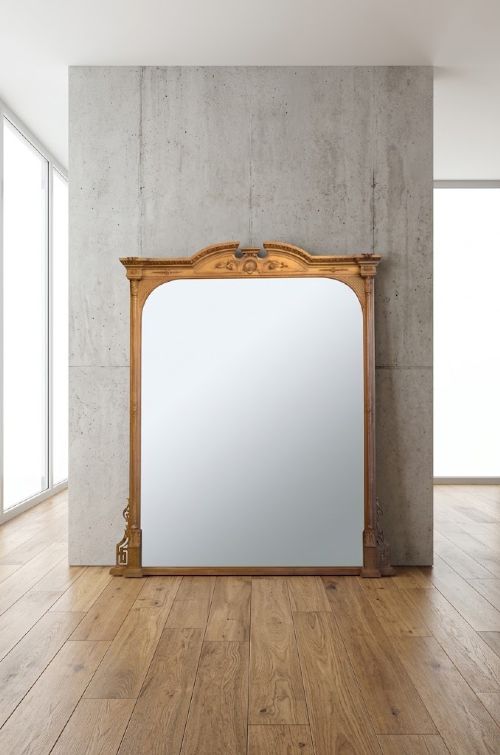
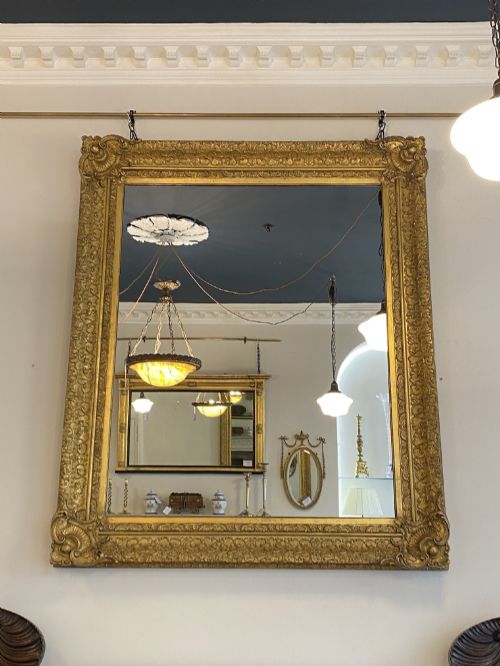
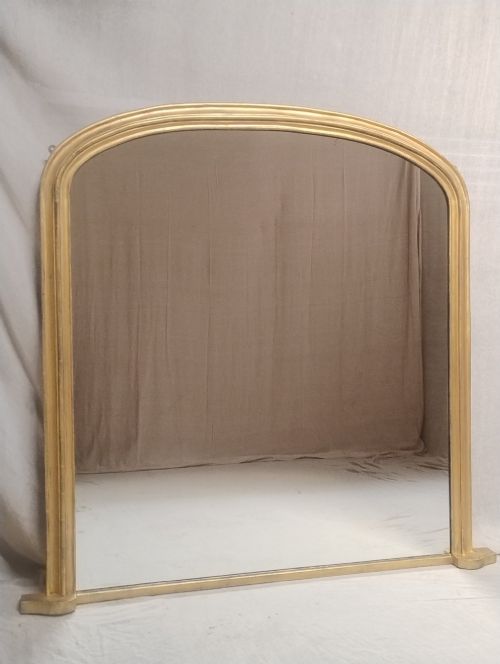
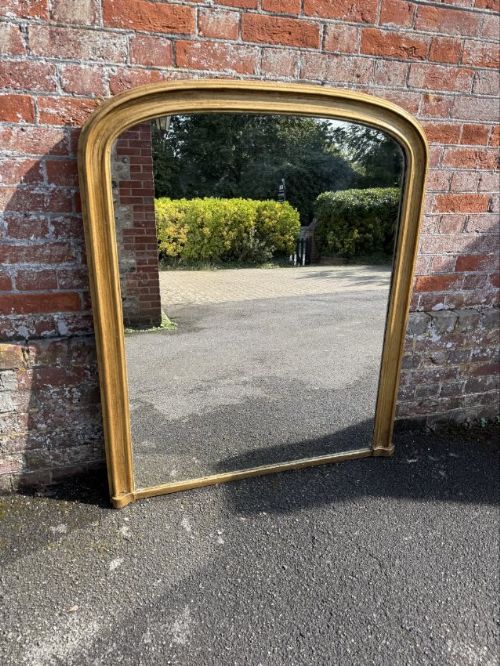


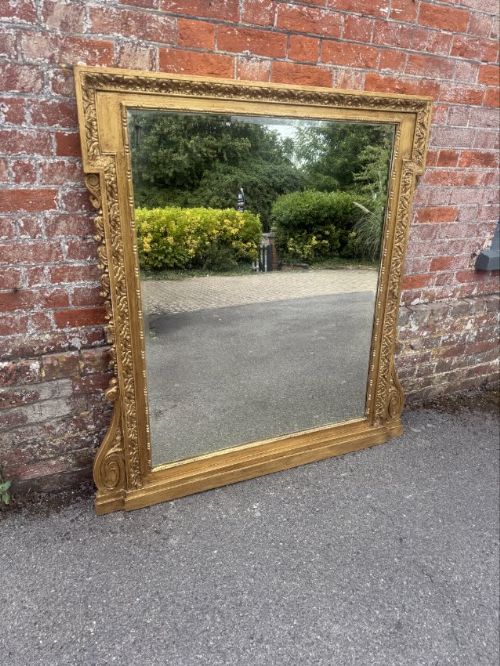
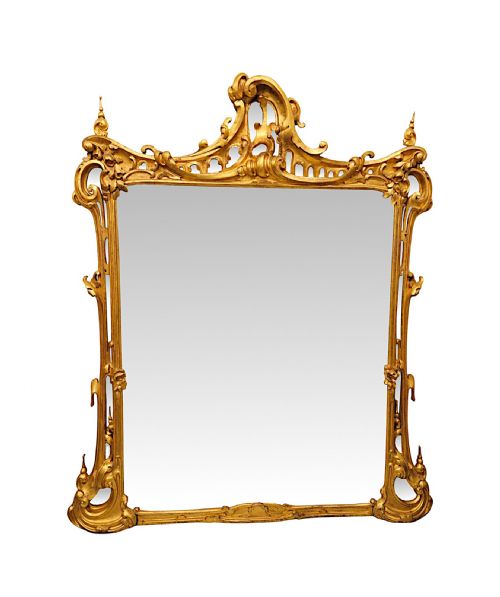
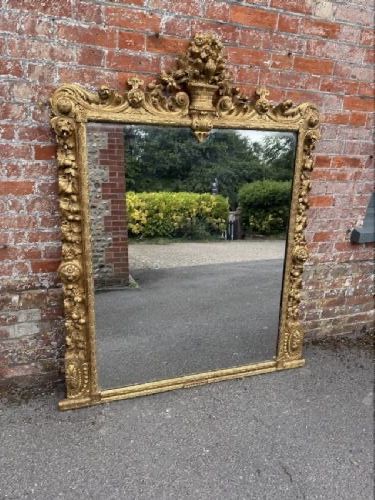
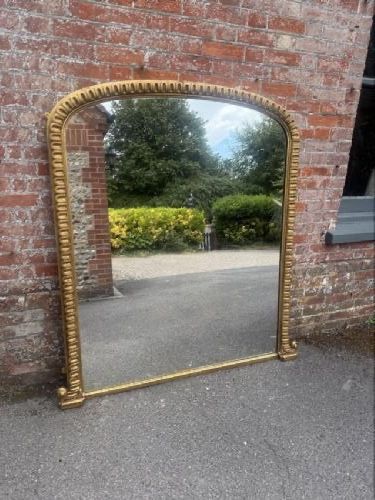
Victorian Gilded Mantel Mirror
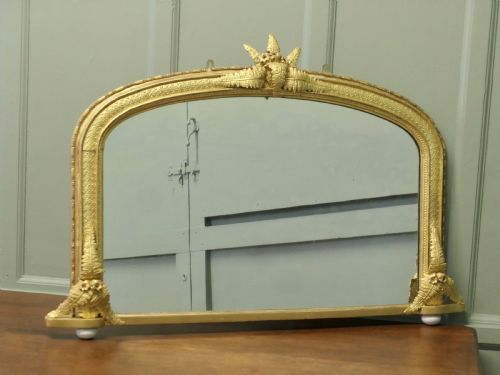
A victorian gilded mantel mirror brings reflective light and architectural presence to a room, designed originally to sit above a fireplace hearth.
Victorian Gilded Mantel Mirror
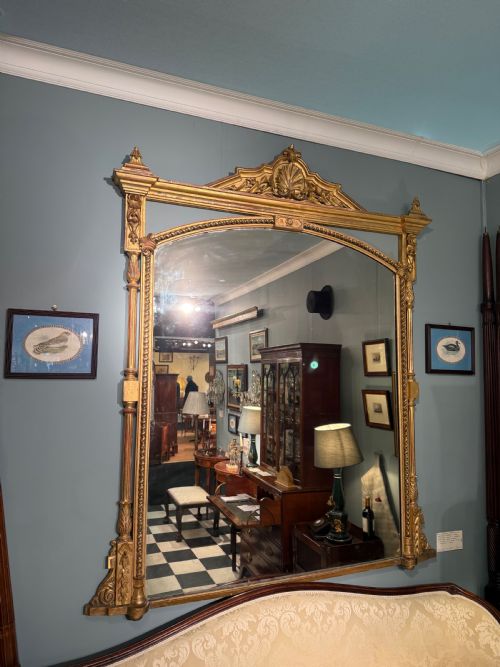
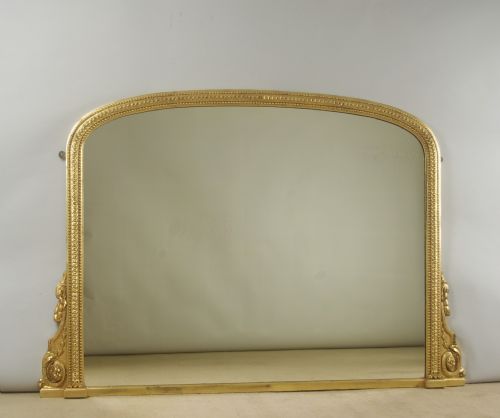
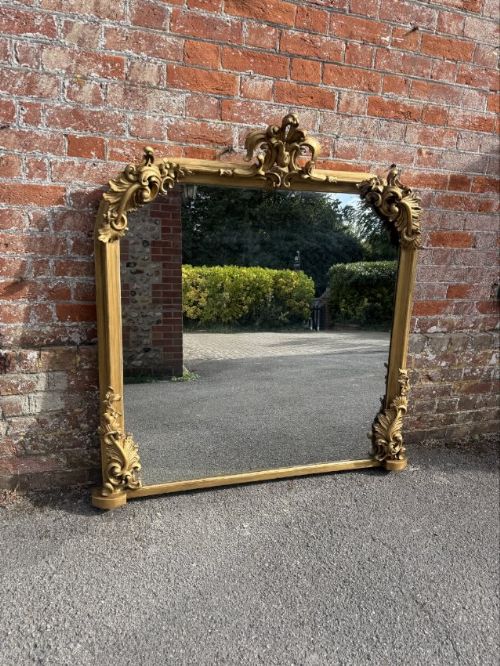
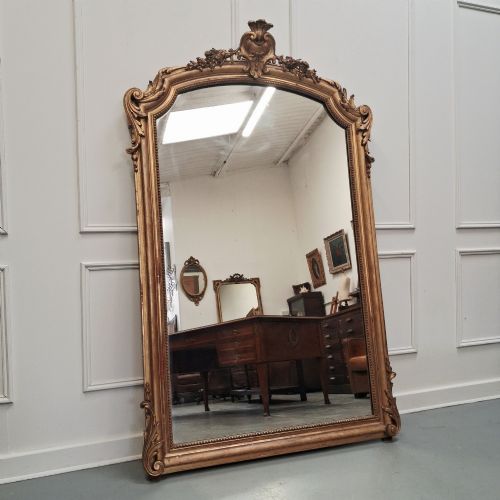
When searching for a victorian gilded mantel mirror, a buyer encounters substantial wall-hanging pieces designed to command the space above a fireplace. The selection spans English and French origins, predominantly taking the form of overmantel mirrors with arched tops or rectangular frames.
These objects date largely from the nineteenth century, including specific periods from eighteen-hundred through to eighteen-ninety, encompassing Victorian production alongside related stylistic revivals. The forms range from large statement pieces exceeding one hundred and eighty centimetres in height to neat, compact sizes suited for smaller chimney breasts.
How they were made
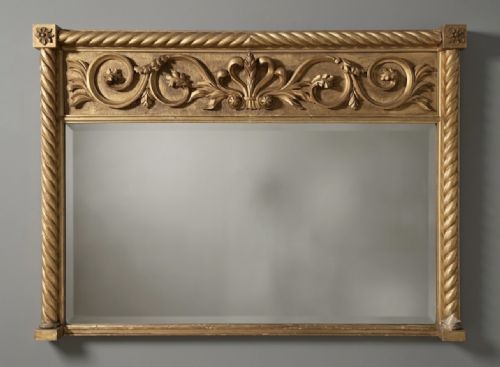
The construction relies on carved wood and gesso frameworks, often shaped into arches, rope twists, or elaborate crests. Artisans applied gold leaf or applied paints directly onto the gesso surfaces to achieve the characteristic golden sheen.
Mirror glass sits within these robust wooden carcases, occasionally accompanied by composition ornaments moulded to create intricate relief details. Frames demonstrate both painted and parcel-gilt finishes, alongside black lacquer treatments combined with gilded decoration.
Certain frames incorporate nautical rope twists, proving that nineteenth-century artisans occasionally looked to the sea for inspiration.
What varies in quality
Quality rests in the depth and crispness of the carved wood and gesso ornament, where hand-modelled relief surpasses simpler moulded decoration. The integrity of the original gilt surface dictates much of the character, distinguishing untouched gold leaf from later interventions.
Proportion and scale also define the hierarchy of these pieces, with monumental proportions and balanced architectural elements like central cartouches commanding greater visual weight. The survival of original mirror glass adds a layer of authenticity to the finished object.
The Victorian Gilded Mantel Mirror Glossary
- Overmantel mirror
- A large wall mirror specifically proportioned to hang on the chimney breast above a fireplace mantelpiece. These pieces often feature arched tops to match the curve of nineteenth-century hearths.
- Gesso
- A plaster-like mixture applied to wooden frames as a smooth base for gilding or painting. It accepts deep carving and intricate moulding before the gold leaf is laid down.
- Giltwood
- Timber that has been coated with gold leaf or gold paint to create a rich metallic finish. It forms the primary visual identity of these nineteenth-century frames.
- Cartouche
- An ornamental framed panel or tablet, often resembling a rolled-up scroll, placed centrally on the crest of a mirror frame. It provides a focal point for high-status Victorian designs.
- Rope twist
- A carved wooden moulding resembling twisted rope cords, frequently utilised to frame the perimeter of nineteenth-century glass. This nautical motif adds texture and movement to the border.
Victorian Gilded Mantel Mirror: Frequently Asked Questions
Where should an overmantel mirror hang?
These mirrors were built to anchor the space directly above a fireplace mantelpiece, reflecting light across the room.
They also function effectively on large expanse walls in halls or reception rooms when given adequate physical support.
How do I identify a Victorian piece?
Look for construction traits such as heavy timber carcases, gesso ornament, and specific framing styles associated with the nineteenth century.
French and English influences often blend within Victorian designs through neoclassical or rococo revival motifs.
Can these mirrors stand on the mantel?
While traditionally secured safely to the wall using heavy-duty fixings, some larger examples were designed to rest partially on the shelf while anchored above.
Given their substantial weight and size, secure wall attachment remains essential for safety.