
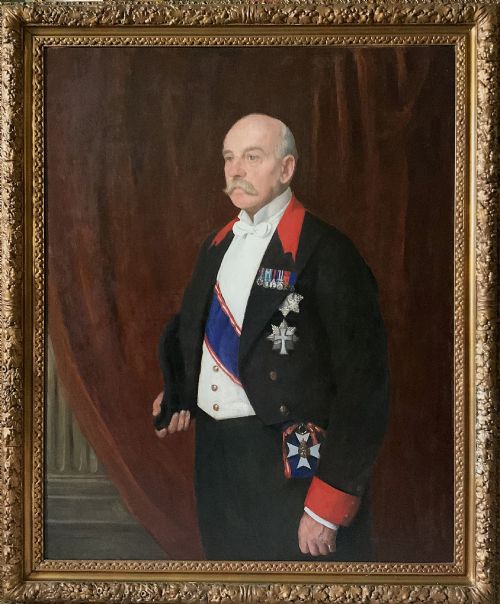
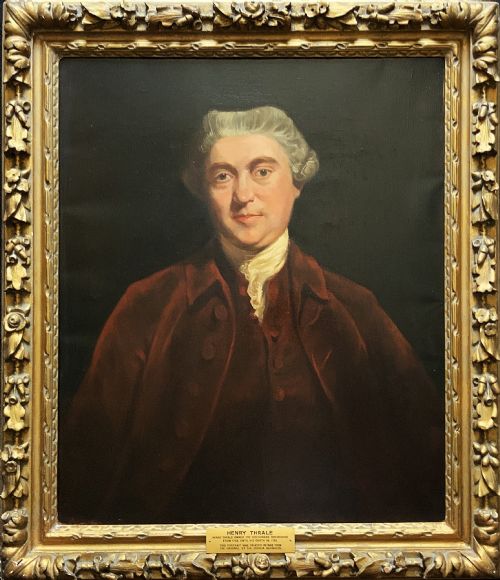
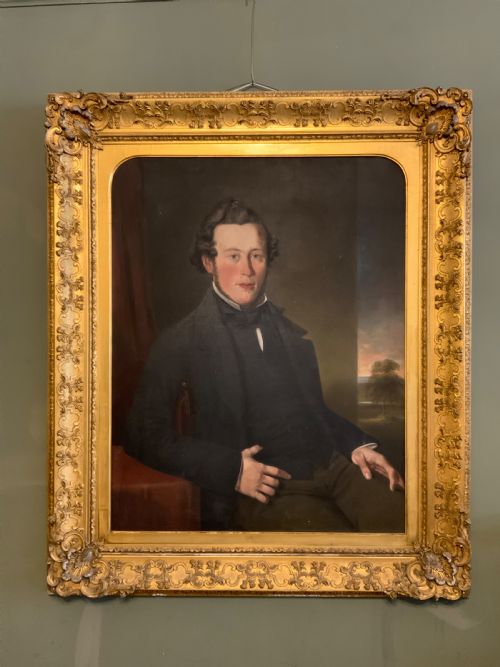

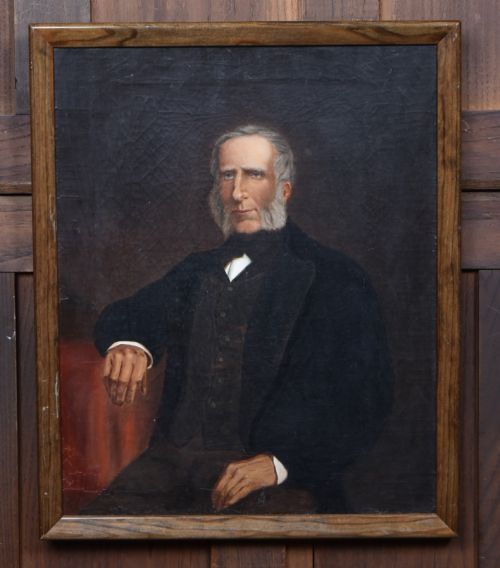

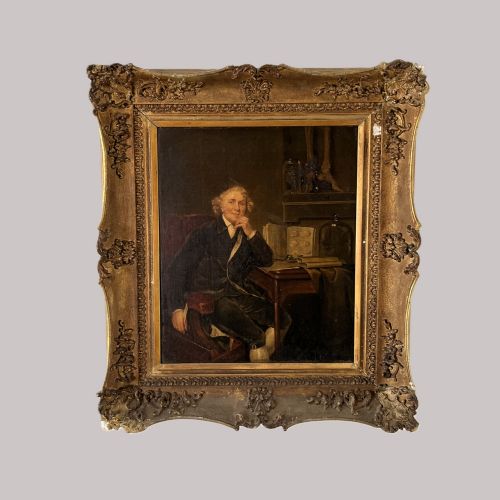

Victorian Gentleman Oil Portrait
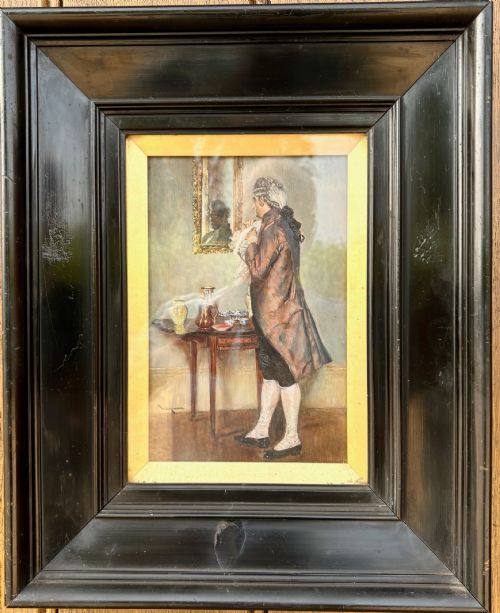
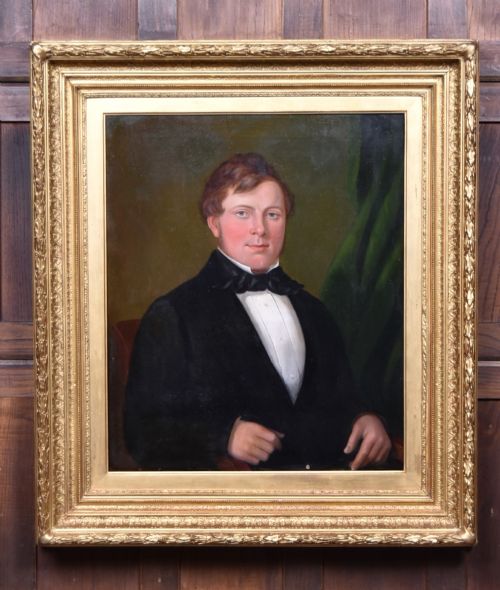
A victorian gentleman oil portrait captures the distinct character and social standing of a nineteenth-century sitter through traditional painted likenesses.
Victorian Gentleman Oil Portrait
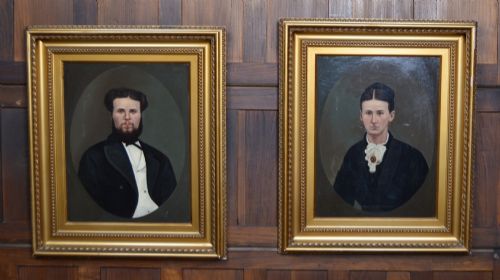
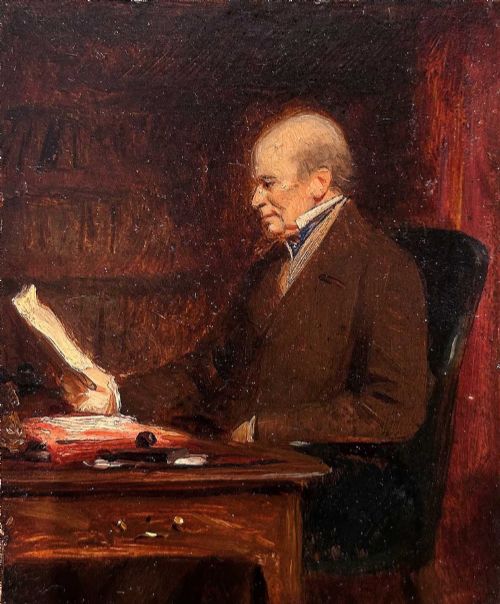
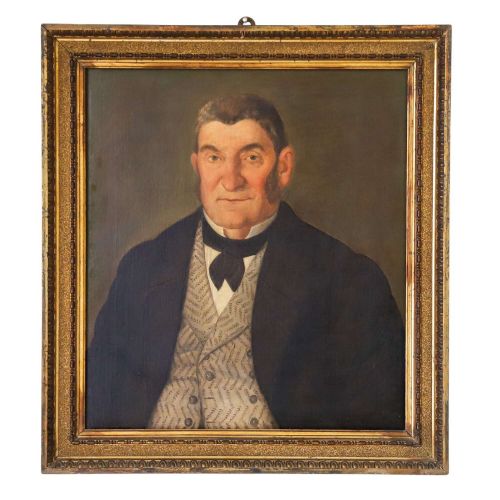
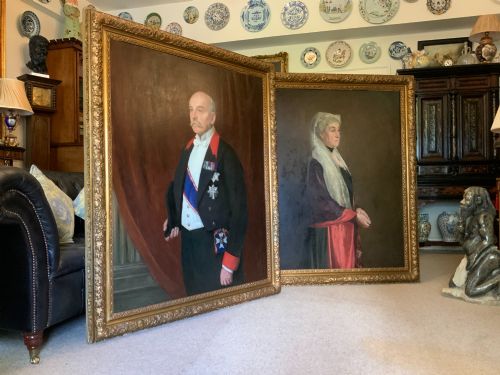
A victorian gentleman oil portrait depicts male subjects from the nineteenth century, ranging from military figures and industrialists to scholars and landowners. These works record the formal attire, professions, and social standing of the sitters through painted likenesses.
The selections available include canvas and panel supports housed in period frames, capturing subjects from British, Scottish, and continental schools. Half-length and seated compositions predominate among the surviving examples.
Subjects often bear specific biographical details on the reverse or within historical records, linking the sitter to trade, governance, or the military. This documentary aspect appeals to collectors interested in nineteenth-century social history.
Materials and methods
Artists painted primarily using oil on canvas, though wood panel and board supports also appear across the selection. Ground layers received applications of oil paint mixed from traditional pigments to build up skin tones and textile textures.
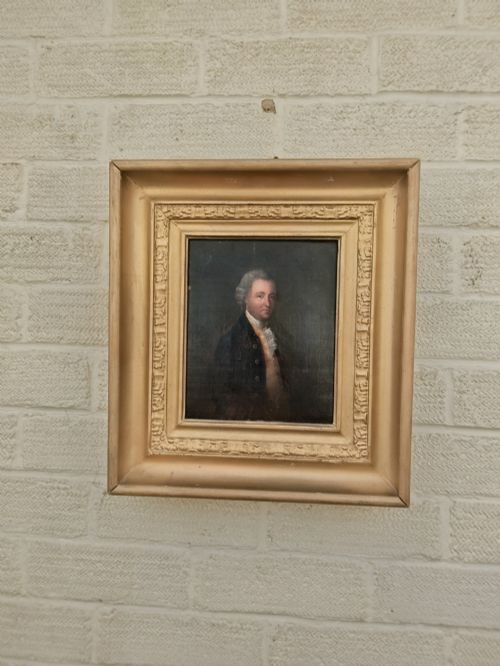
Surviving works are frequently housed in their original giltwood and gesso frames, often embellished with ornate moulding. Deep glazed box mounts and velvet liners occasionally protect specific pieces.
Several gentlemen are immortalised mid-smoke, clutching cigars or sporting walking canes for their afternoon strolls.
Factors of quality
The skill of the brushwork and the precision of facial modelling distinguish standard academic output from masterwork portraiture. Superior examples capture the psychological depth and individual personality of the sitter rather than relying solely on formulaic conventions.
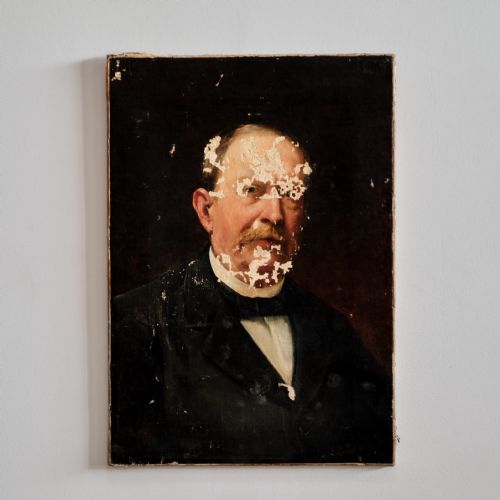
The condition of the original paint surface and the intact survival of contemporary gilt frames heavily influence the desirability of a piece. Unrestored canvases with stable craquelure command greater appreciation than heavily overpainted surfaces.
William Blake Richmond·Stephen Pearce·Frederick Goodall·Lance Calkin·John Watkins Chapman
The Victorian Gentleman Oil Portrait Glossary
- Canvas
- A heavy woven fabric stretched across a wooden frame to form the primary support for oil paintings. It provides a textured surface that interacts with layered paint applications.
- Gesso
- A plaster-like mixture applied to wooden frames or panels to create a smooth surface for gilding and ornamentation. It is typically moulded into decorative relief patterns.
- Oil on Panel
- A painting technique utilising a rigid wooden board rather than canvas as the foundational base. Panels offer a stable surface that prevents the flexing associated with fabric supports.
- Giltwood
- Timber carved and coated with a thin layer of gold leaf or metallic powder. It provides the ornate, reflective borders characteristic of nineteenth-century picture frames.
Victorian Gentleman Oil Portrait: Frequently Asked Questions
How do I identify the sitter in a portrait?
Many works include inscriptions, signatures, or labels on the reverse of the canvas or frame that record the individual's name and profession. Archival research and local trade directories can often connect these names to nineteenth-century historical records.
Biographical clues may also appear within the sitter's attire, such as military uniforms, civic regalia, or professional tools like surveyor equipment and ledgers.
Are these portraits always painted from life?
While the majority of nineteenth-century likenesses resulted from direct sitters posing in artist studios, some works were executed posthumously from earlier photographs or sketches. Commissioned memorials for industrial leaders or family patriarchs frequently relied on photographic reference materials.
Copies after earlier masters, such as works after Sir Joshua Reynolds, were also produced as academic exercises or commemorative pieces.
How should I care for an antique oil painting?
Display the artwork away from direct sunlight and fluctuating humidity levels to protect the canvas and underlying wooden stretcher from warping or cracking. Avoid hanging pieces above active heat sources that can dry out the paint layers.
Dust the canvas and ornate gilt frame gently with a soft, dry brush without applying pressure to the painted surface.
What does British School mean in a listing?
The designation British School indicates that an artwork was produced by an artist working within Britain, often without a documented signature to confirm a specific individual hand. These paintings reflect the prevailing academic standards and portrait conventions of the period.
Such works demonstrate the technical proficiency and stylistic norms common among regional and metropolitan painters of the nineteenth century.