


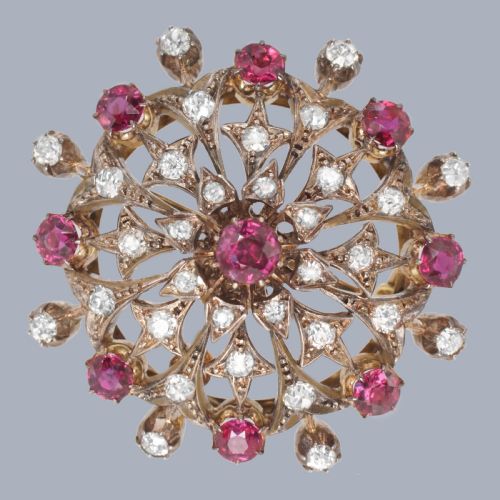


Victorian Gemstone Pin
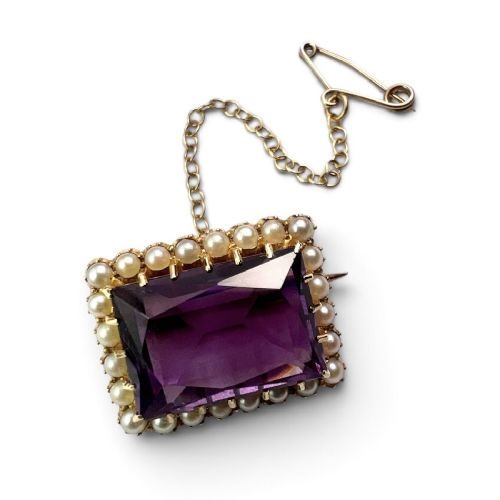
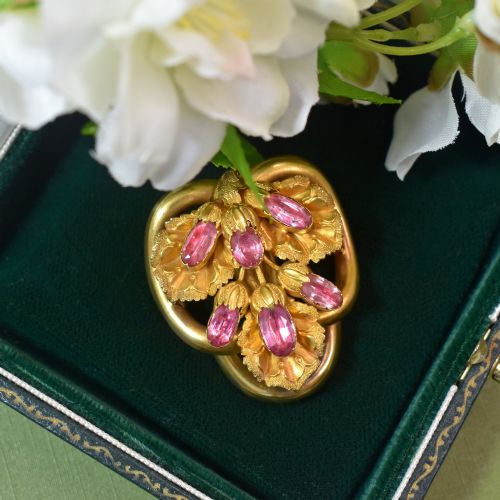
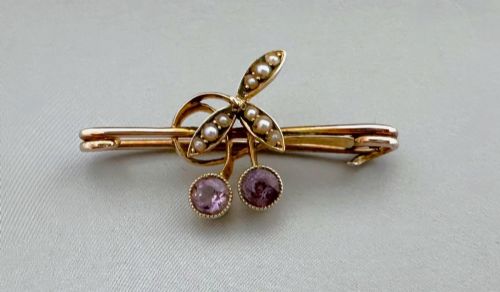
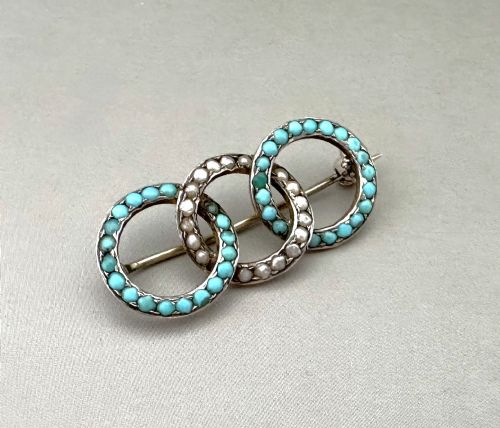
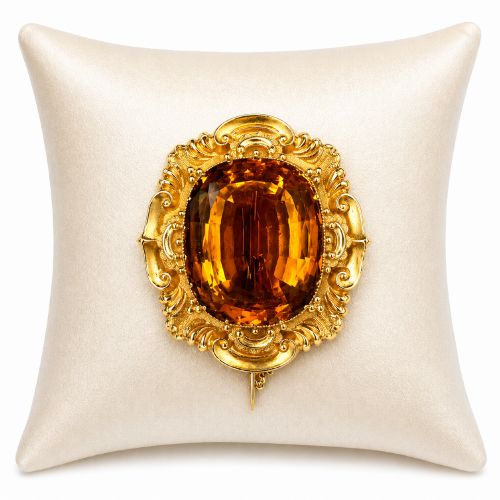
A victorian gemstone pin brings colour and personality to a lapel, offering clusters of topaz, sapphire, amethyst and diamond set in gold or silver.
Victorian Gemstone Pin
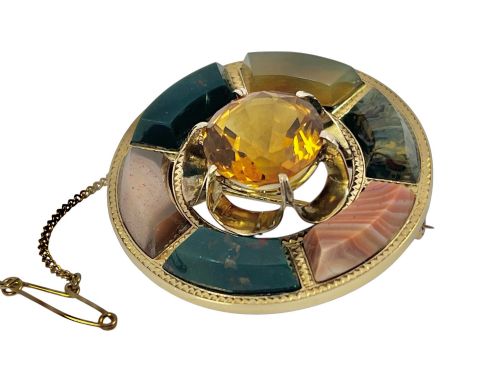
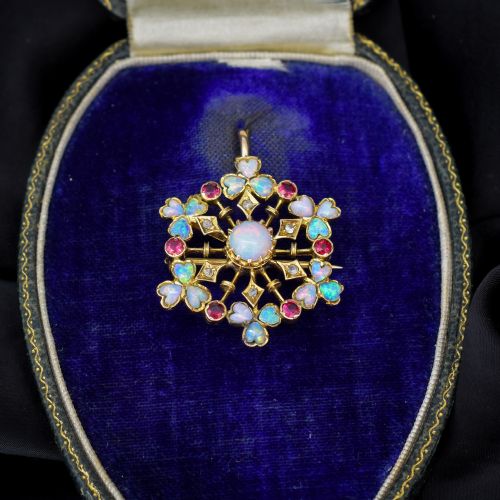
The selections span simple gold mounts housing single large oval stones to elaborate multi gem motifs including butterflies, turtles and crescents. Many pieces function as both brooches and pendants, providing versatile ways to wear period jewellery.
Materials and Technique
Goldsmiths utilised varying purities of yellow gold, notably nine carat, fifteen carat and eighteen carat, alongside silver and silver gilt settings. Stones were secured using collet settings, prong settings and foil backs, particularly in early examples to enhance the colour of gems like pink topaz.
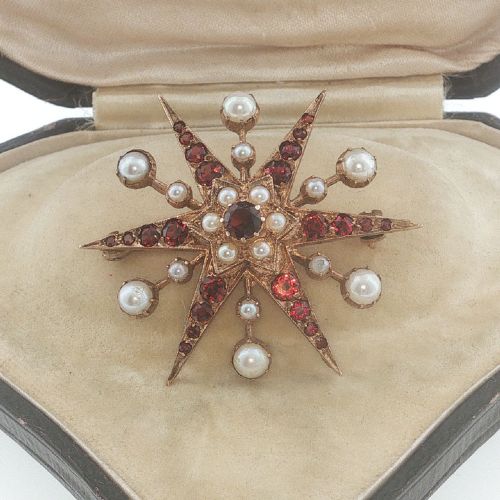
Craftsmen incorporated natural pearls, seed pearls and rose cut or old cut diamonds alongside coloured stones such as turquoise, malachite, chalcedony, bloodstone and chrysoberyl. Structural elements often involved intricate wirework, trellis designs and foliate motifs cast or hand formed in regional European workshops.
Listings feature yellow gold, silver, diamonds, pearls, rubies, amethysts, peridots, opals and garnets across the Victorian and Edwardian periods.
Factors of Quality
Quality rests in the match, cut and saturation of the stones, alongside the crispness of the surrounding metalwork and the originality of the pin stem. Finer items display well matched natural stones with good depth of colour and secure, hand finished settings that conceal excess solder.
The integrity of the design carries significant weight, distinguishing mass produced novelties from balanced floral, insect or geometric compositions. Original cases and verifiable period hallmarks provide additional context for discerning collectors.
G. Colani
The Victorian Gemstone Pin Glossary
- Collet setting
- A collar of metal that encircles the edge of a gemstone to hold it securely in place. This technique was widely utilised during the nineteenth century before modern prong settings became standard.
- Foil back
- A thin sheet of coloured metallic foil placed beneath a gemstone within a closed setting to enhance its brilliance and hue. It is frequently found in early Victorian topaz and garnet pieces.
- Seed pearl
- A very small, naturally occurring pearl, often drilled and threaded onto fine wire or glued in tightly packed clusters. They form delicate floral and starburst patterns in Victorian jewellery.
- Old cut diamond
- A hand faceted diamond shape with a smaller table, higher crown and larger culet than modern brilliant cuts. These stones exhibit distinctive scintillation under candlelight.
- Silver gilt
- Sterling silver that has been coated with a thin layer of gold, combining the cool tone of silver work with a warm golden exterior. This material appears frequently in Austro-Hungarian and continental pieces.
Victorian Gemstone Pin: Frequently Asked Questions
What periods do these pins cover?
The pieces span the Victorian era, the Edwardian period and occasional later revivals from the twentieth century.
Craftsmanship and materials often reflect the specific decade of origin, ranging from early foiled stones to late century multi gem clusters.
Can these brooches be worn as pendants?
Many designs feature integrated loops or folding Bails that allow the piece to suspend from a chain as well as pin to a garment.
This dual functionality was popular throughout the nineteenth century for versatile day and evening wear.
How do I care for antique gemstone jewellery?
These items require gentle handling, avoiding harsh ultrasonic cleaners or chemical dips that can damage softer stones like opal, turquoise or pearls.
Store them individually in soft pouches to prevent metal pins from scratching adjacent gems.