





Victorian Safety Chain
A victorian safety chain secures a treasured bracelet or brooch against loss.
Victorian Safety Chain
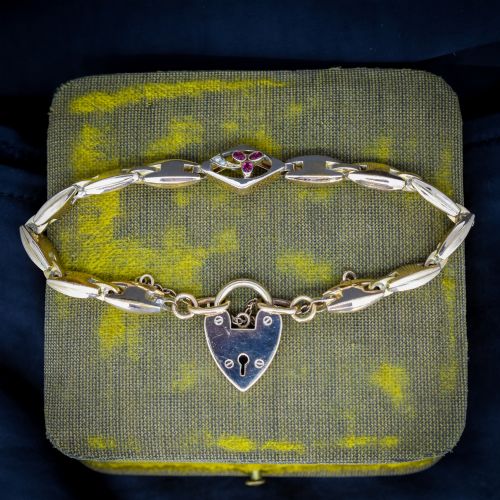
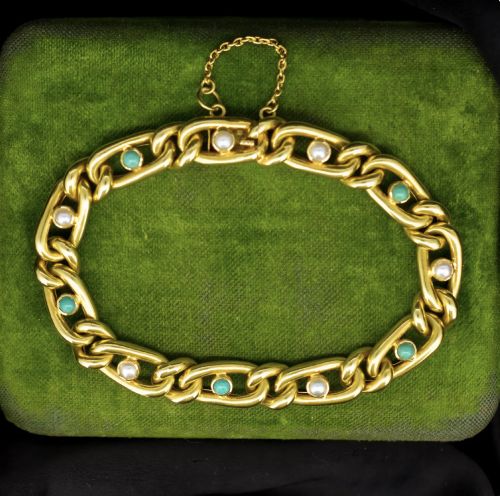
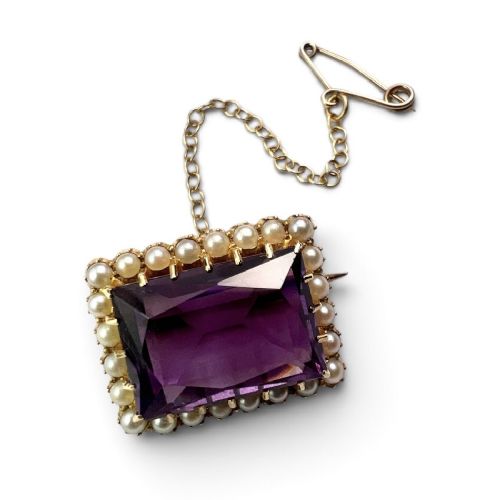
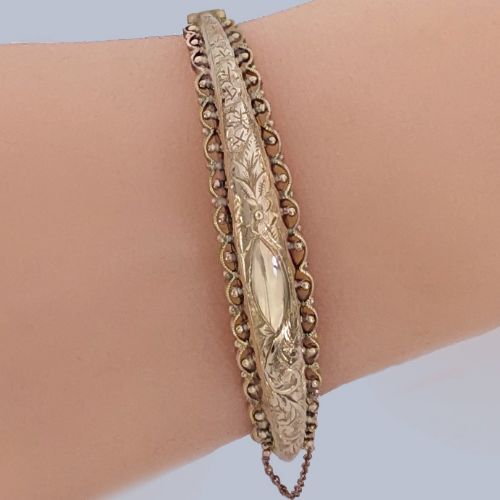
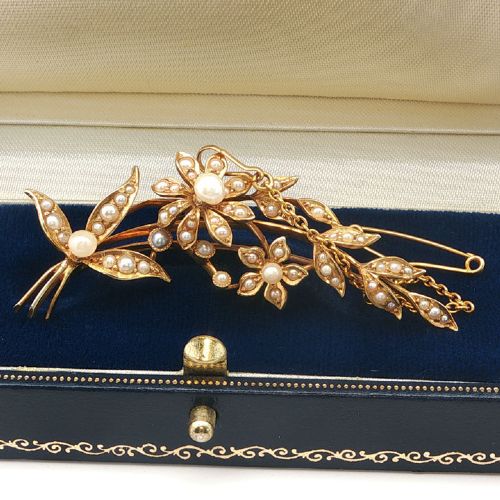
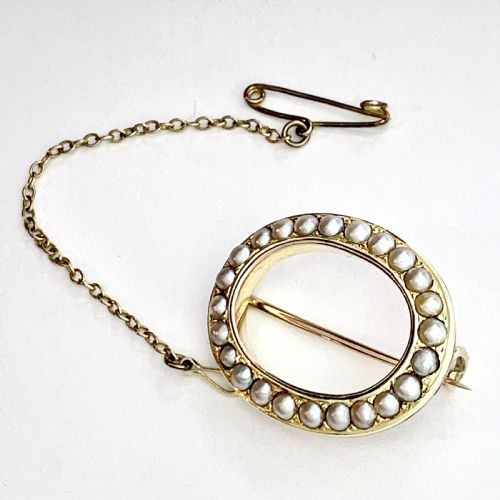
A victorian safety chain serves to anchor valuable jewellery to clothing or provide a secondary link on hinged pieces. Buyers searching for a victorian safety chain typically encounter them attached to gold bracelets, bangles, and gemstone brooches.
The selections span the Victorian, Edwardian, and early twentieth-century periods, alongside styles such as Victorian Aesthetic. Most pieces originate from the later nineteenth century, reflecting the era's focus on secure fastenings for precious gems.
How they were made
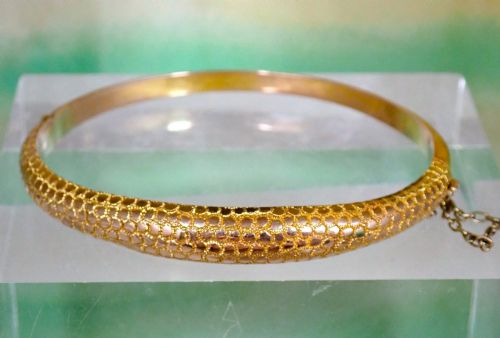
Goldsmiths utilised 9ct gold, 15ct gold, 18ct yellow and rose gold, and sterling silver to fabricate links, pins, and small securing lengths. Metalwork techniques such as cannetille work appear alongside chased engravings and cast links.
Gemstones including amethyst, pearl, turquoise, diamond, aquamarine, ruby, and sapphire are set into brooches and bangles alongside padlocks and concealed clasps. Links are hand-assembled into curb patterns, gate motifs, and hollow or solid configurations.
Victorian Safety Chain Retail Price Guide 2026
Typical asking prices for victorian safety chain among the pieces listed under this phrase on Sellingantiques today, from the lower quarter to the upper quarter. They describe what is for sale here now, not the wider market.
Victorian swallow brooches symbolised safe return home, ensuring the wearer's journey was as protected as their jewellery.
What varies in quality
The standard of a piece depends on the weight and purity of the gold, alongside the fineness of wirework and stone setting. Solid 15ct and 18ct gold pieces with well-matched pearls or old-cut diamonds sit at the upper end of the range.
The integration of the safety chain itself, whether soldered securely to the clasp or attached via a removable ring, indicates the thought behind the original design. Heavier link weights and crisp engraving on bangles and gate bracelets separate superior examples from lighter iterations.
The Victorian Safety Chain Glossary
- Safety chain
- A small secondary chain attached to a bracelet or brooch to prevent loss if the main clasp fails. It typically links the two ends of a clasp or connects a brooch pin to a garment.
- Curb link
- A type of chain link that has been twisted or flattened so that it lies flat when worn. It forms the foundation of many nineteenth-century bracelets.
- Gate bracelet
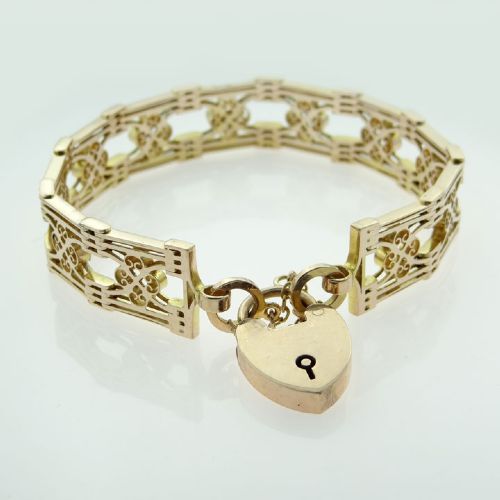
- A wide bracelet formed of parallel metal bars connected by small links, modelled after traditional farm gates. They frequently feature padlocks and safety chains.
- Cannetille
- A delicate nineteenth-century wirework technique resembling fine gold embroidery. It creates intricate surface texture using tiny twisted threads and metal granules.
- Padlock clasp
- A small padlock-shaped fastening common on Victorian and Edwardian bracelets. It functions as the primary closure, often accompanied by a safety chain.
Victorian Safety Chain: Frequently Asked Questions
What is a safety chain used for?
A safety chain acts as a backup fastener for valuable jewellery such as heavy gold bracelets or pinned brooches. If the primary clasp or pin fails during wear, the chain catches the piece before it falls to the ground.
These chains were especially vital for items set with precious stones like diamonds, amethysts, and pearls, ensuring high-value pieces remained secure on the wrist or lapel.
Are safety chains original to Victorian jewellery?
Many safety chains on Victorian bracelets and brooches are original fixtures added by makers to protect substantial gold weight and gemstone settings. Some pieces were manufactured with removable safety chains or had them added shortly after purchase.
Examining the wear and metal colour helps determine if a chain shares the exact period of the primary piece, though period additions remain entirely authentic to the lifespan of the jewellery.
How do you fasten a gate bracelet?
Gate bracelets usually secure via a heart-shaped padlock clasp that links across the terminal bars of the bracelet. The mechanism often relies on a small spring lever opened with a thumbnail.
Once the padlock is locked to the jump ring, the accompanying safety chain is clipped or fastened around the wrist or across the links to provide double security.
What metals were used in Victorian jewellery?
Victorian jewellers worked primarily in 9ct, 15ct, and 18ct yellow and rose gold, alongside sterling silver. The higher carat golds, such as 15ct and 18ct, offer a richer hue due to the specific alloy proportions standard in the nineteenth century.
Rolled gold also appears on later nineteenth and early twentieth-century pieces, providing an accessible alternative to solid gold while maintaining similar decorative styles.