

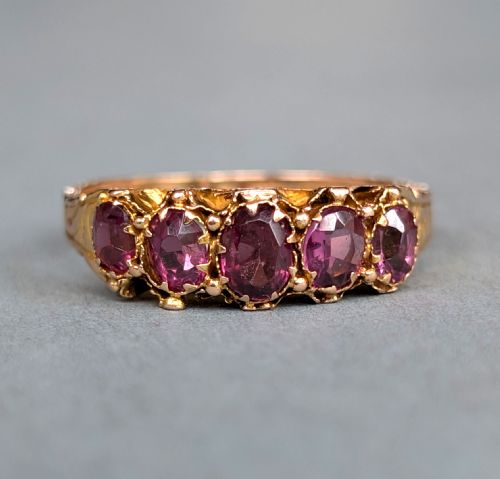


Antique 15 Carat Gold
Antique 15 carat gold jewellery offers a distinct, warm alloy standard that collectors seek for its rich tone and historical depth.
Antique 15 Carat Gold
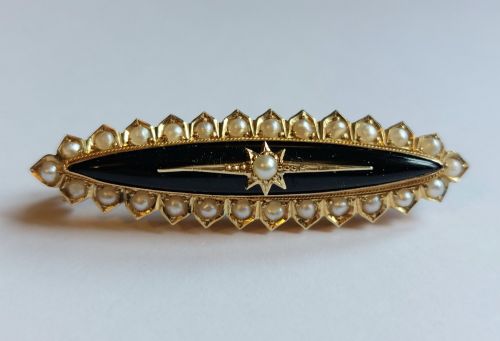
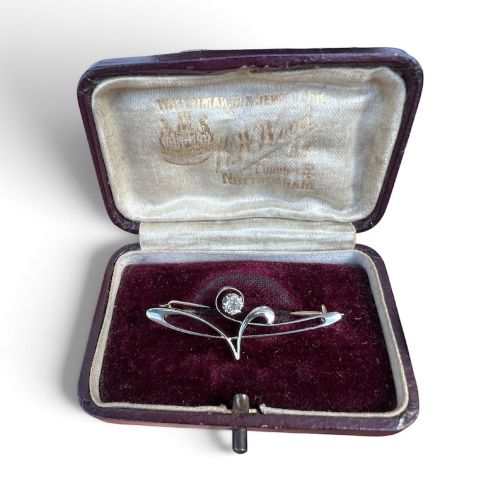
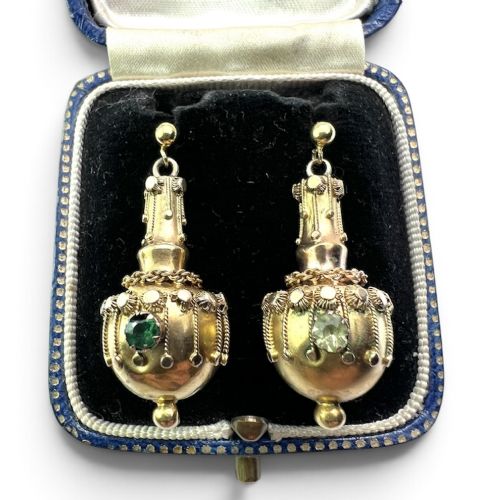
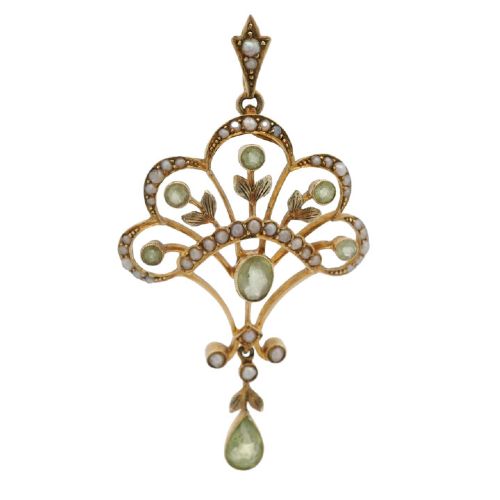
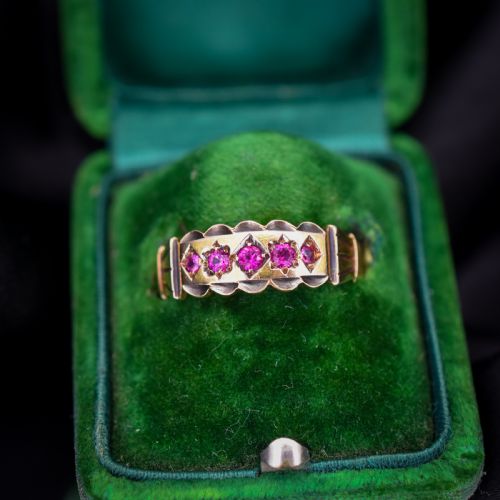
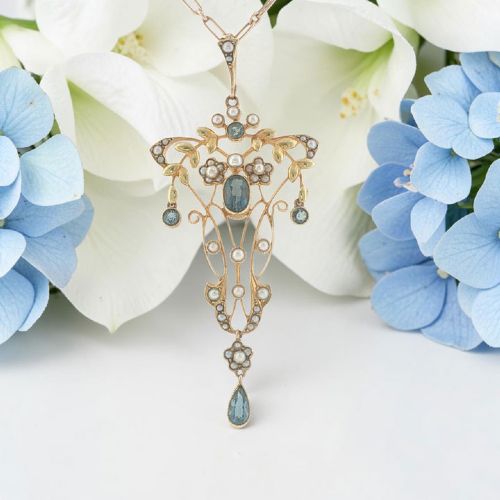
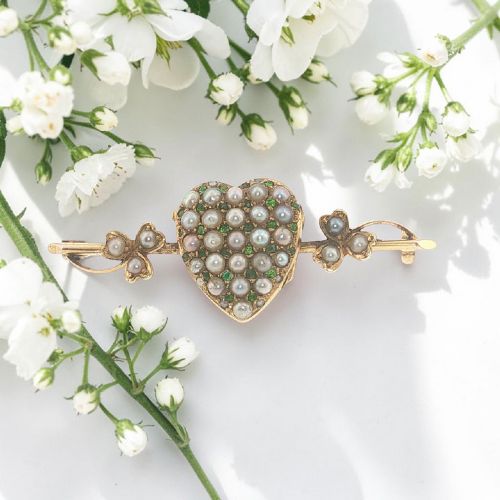
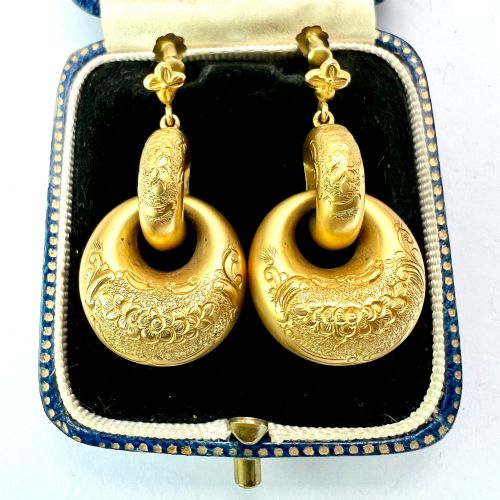
The assortment on this page ranges from elaborate Etruscan Revival amphora earrings and mourning brooches to delicate Art Nouveau aquamarine and seed pearl necklaces. Gemstones such as turquoise, garnets, diamonds, rubies, and opals frequently accompany the metalwork, offering a glimpse into the decorative preferences of past eras.
Craftsmanship and Materials
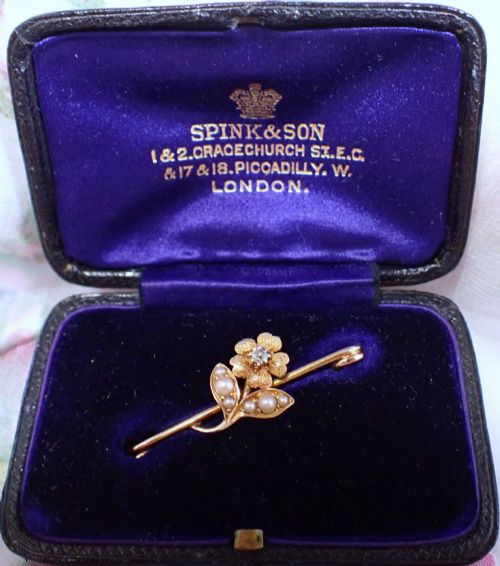
Items fashioned in antique 15 carat gold utilise a higher proportion of pure gold than modern nine carat standards, yielding a characteristic rich yellow hue. Goldsmiths combined this metal with natural gemstones including seed pearls, aquamarines, rubies, and opals.
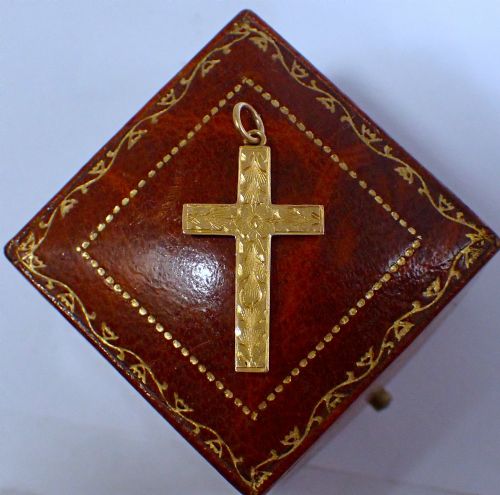
Techniques visible across the inventory include intricate hand engraving, hollow hoop construction, and granulation work seen in Etruscan Revival pieces. Makers also integrated platinum settings in later Edwardian designs to enhance the brilliance of mounted diamonds.
Distinctions in Quality
Quality in antique 15 carat gold pieces rests upon the crispness of hand chasing, the security of stone settings, and the structural integrity of hollow components like hoop earrings and bangles. Superior examples retain sharp engraved details and original clasps without distortion.
The artistic ambition of the design, such as balanced Art Nouveau curves or complex Etruscan wirework, separates standard production items from masterworks. The integration of matched, high-grade gemstones alongside well-preserved hallmarks elevates specific pieces within the range.
The Antique 15 Carat Gold Glossary
- 15ct Gold
- A gold alloy containing fifteen parts pure gold out of twenty-four, marked by a distinctive warm hue common in British jewellery made before the twentieth century.
- Seed Pearl
- Very small natural pearls, often drilled and threaded onto wire or glued into floral and star clusters during the Victorian and Edwardian periods.
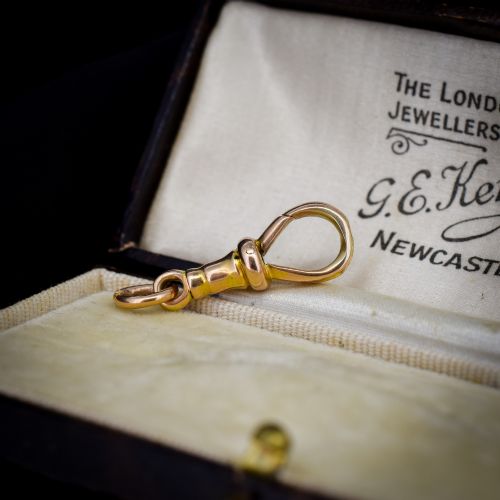
- Dog Clip
- A spring-loaded swivel clasp shaped like a small hound's snap, commonly found securing antique watch chains and heavy necklaces.
- Etruscan Revival
- A nineteenth-century design movement inspired by ancient archaeological discoveries, characterised by applied wirework, granulation, and classical motifs.
- Albert Chain
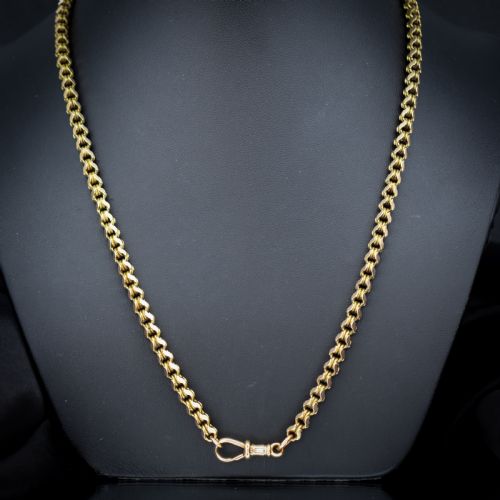
- A short or long watch chain designed to be attached to a waistcoat pocket, frequently featuring fancy links and dog clips in high-carat gold.
Antique 15 Carat Gold: Frequently Asked Questions
What is 15 carat gold?
Fifteen carat gold is a historic alloy standard containing 62.5 percent pure gold, which was legally used in Britain until the standard was altered in the twentieth century.
This specific alloy produces a deeper, richer yellow colour than modern nine carat gold, making it highly prized by collectors of period jewellery.
How do I date antique gold jewellery?
Dating involves examining stylistic cues such as Victorian mourning motifs, Edwardian platinum-topped settings, or Art Nouveau whiplash curves alongside gemstone cuts.
Assay office marks and maker stamps stamped directly into the gold provide precise geographic and chronological markers when legible.
Were these pieces worn daily?
Many items, such as wedding bands, signet rings, and Albert chains, served practical, everyday functions for their original owners throughout the nineteenth and early twentieth centuries.
More delicate pieces featuring seed pearls or hollow components were typically reserved for social occasions and formal attire.
How should I care for antique gold items?
Antique jewellery requires gentle handling due to the presence of fragile organic gems like seed pearls and hollow gold construction that can dent under heavy pressure.
Cleaning should be done using a soft cloth without harsh chemical dips, keeping moisture away from glued or foil-backed stones.