



Victorian Garden Urns
Victorian garden urns bring classical form to open lawns and terrace walks through robust metal and fired earth.
Victorian Garden Urns
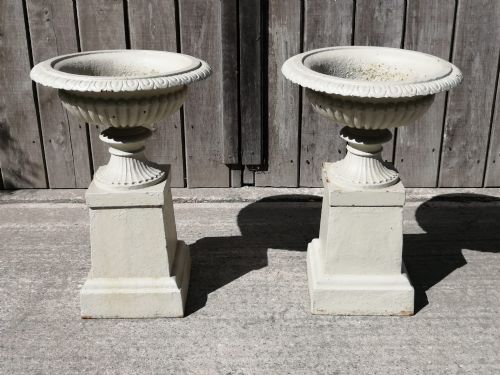
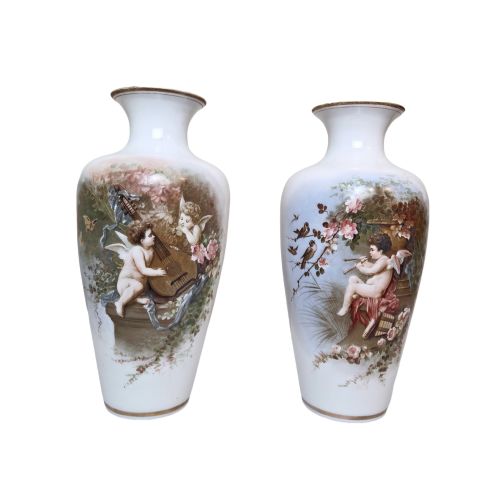
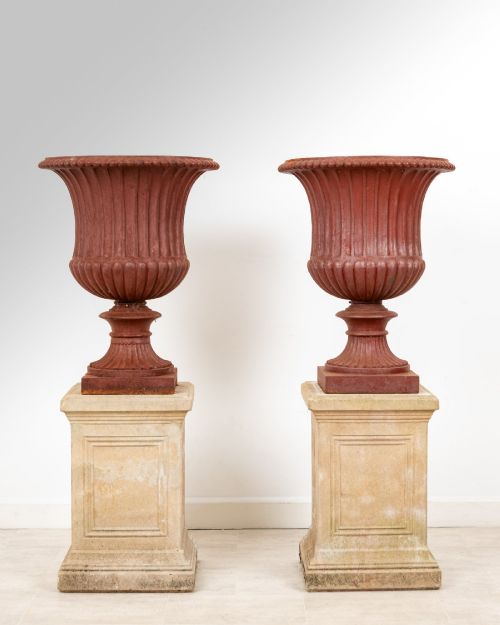
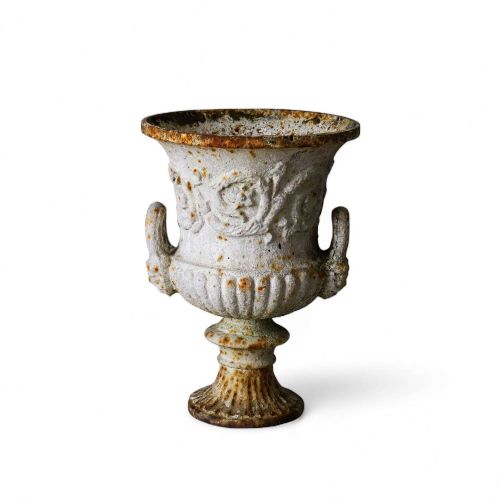
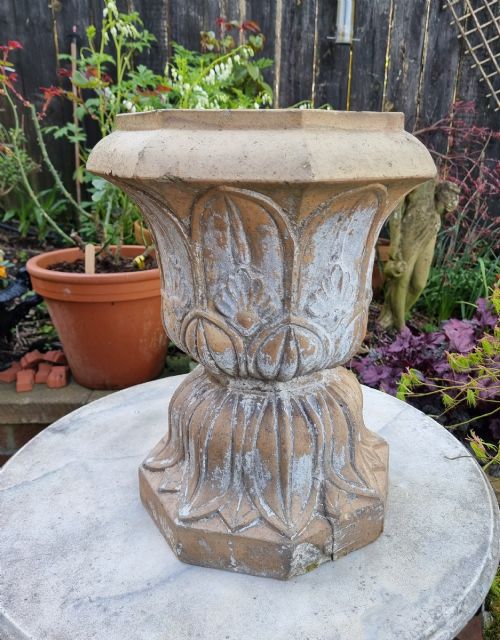
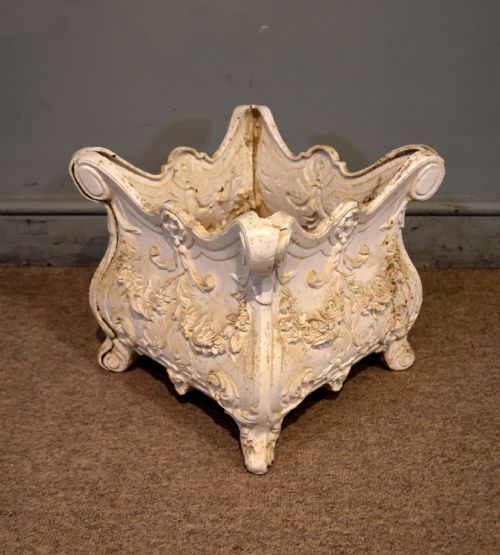
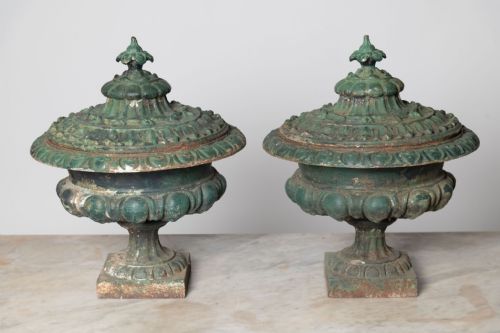
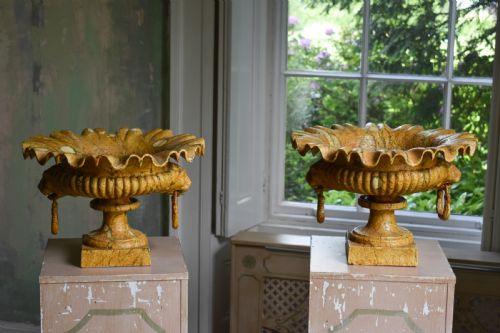
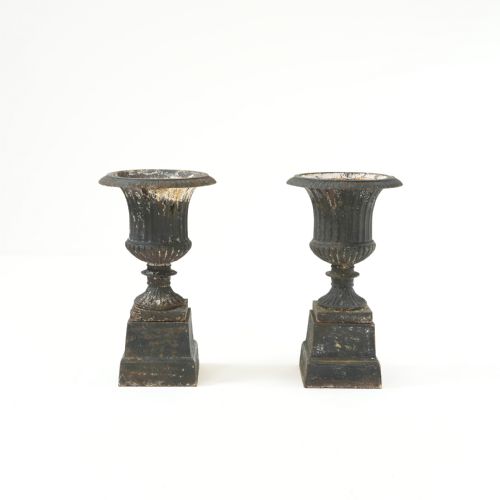
Victorian garden urns take the shape of classical campana vessels, tazzas and pedestal planters designed to anchor outdoor spaces. The pieces appearing most frequently on this page are cast iron campana shapes, often paired on stone or iron plinths and dating from the nineteenth century.
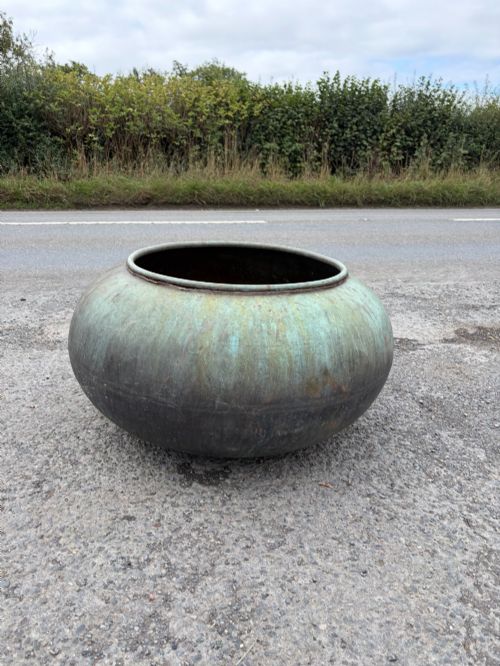
Makers and foundries of the period drew upon neoclassical and classical revival styles, producing both single items and matched pairs for formal gardens. Alongside metal forms, the selection includes terracotta vessels, stoneware and copper pieces originating from British and French workshops.
The objects serve as focal points in garden design, functioning as standalone ornaments or planted containers for seasonal flora. Their physical scale ranges from small table urns to monumental outdoor pedestals requiring substantial placement.
Evaluating Quality
Quality rests in the crispness of the cast ornament and the proportion of the bowl to its base. Superior foundry work displays sharply defined classical motifs, whereas inferior examples lose detail in soft or muddy casting.
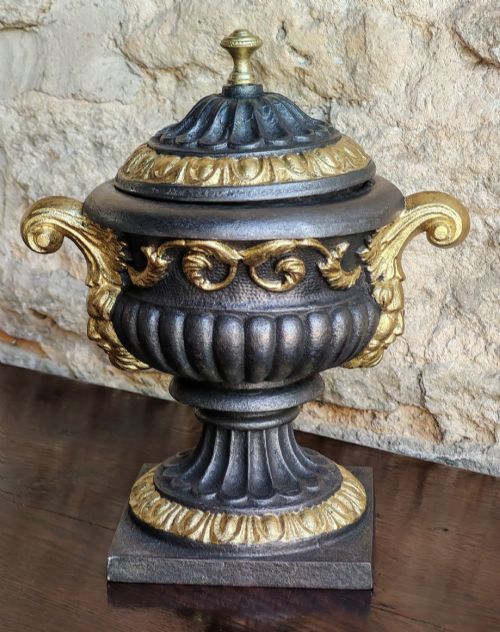
The integrity of the material dictates longevity, with thick-walled cast iron and well-fired terracotta outlasting thinner, brittle alternatives. Original pairings of urns with their matching plinths or lids elevate the piece above assembled sets.
Patina and surface preservation contribute to the standing of an object, where honest weathering and original paint layers outrank poorly stripped or aggressively restored surfaces.
Victorian Garden Urns Retail Price Guide 2026
Typical asking prices for victorian garden urns among the pieces listed under this phrase on Sellingantiques today, from the lower quarter to the upper quarter. They describe what is for sale here now, not the wider market.
Listings feature nineteenth-century cast iron, terracotta, copper, and stone, spanning periods from the Victorian era to the mid-twentieth century.
Dunfermline Clay Company·Coalbrookdale·Andrew Handyside·Val D Osne Foundry
The Victorian Garden Urns Glossary
- Campana
- A bell-shaped garden vessel with an everted rim and a tapering lower body. This classic profile originates from ancient Roman marble prototypes.
- Tazza
- A shallow cup or bowl mounted on a stem and foot. These pieces function as decorative garden planters or shallow water basins.
- Plinth
- A heavy rectangular or square base supporting an urn. Plinths elevate the vessel to improve sightlines in a garden scheme.
- Terracotta
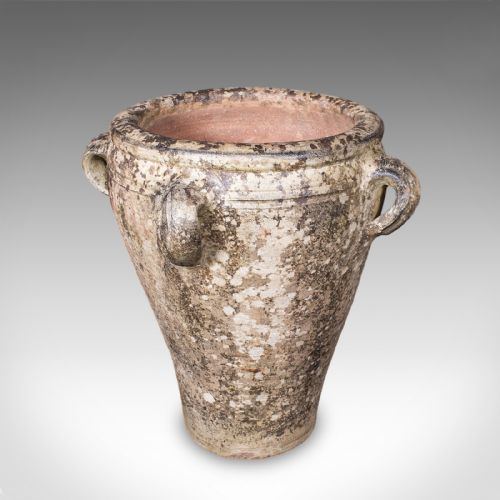
- Fired unglazed clay ranging in colour from orange-red to buff. The porous material breathes, allowing plant roots to interact with air and moisture.
- Faux Bois
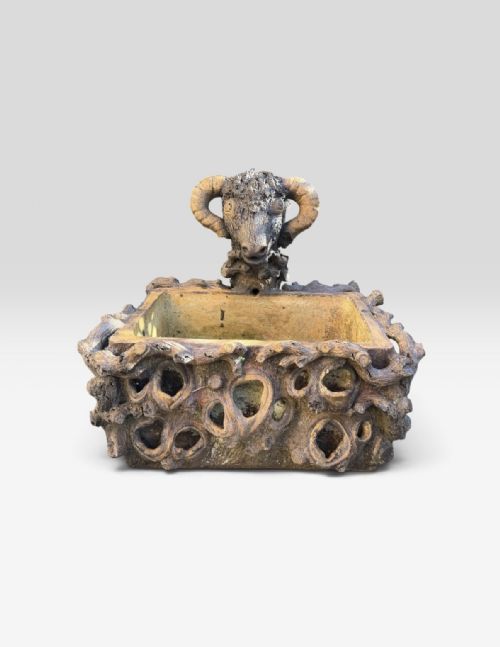
- An artistic imitation of wood grain rendered in ceramic or stone. This technique appears on specialised nineteenth-century planters and garden furniture.
- Jardiniere
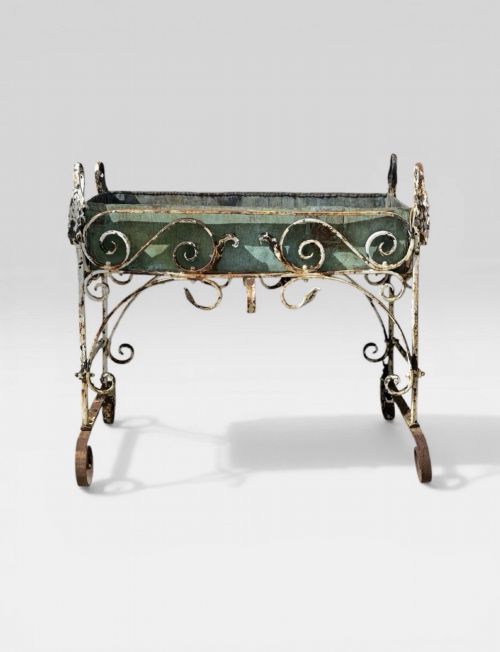
- An ornamental pot or stand designed to hold growing plants. These indoor and outdoor receptacles often match the decorative style of nearby urns.
Victorian Garden Urns: Frequently Asked Questions
How do I clean a cast iron urn?
Wash the surface gently with water and a soft brush to remove dirt without disturbing the protective weathered patina. Avoid harsh chemical strippers that strip away historical paint layers.
Dry the metal thoroughly if applying protective oils or paints suited to outdoor cast iron preservation.
Can terracotta urns stay outside in winter?
Porous earthenware absorbs water that expands upon freezing, leading to cracking if temperatures drop below zero. Move vessels under cover or empty them during the coldest months.
Line the interior with insulating material if leaving planted terracotta stationary through frost-heavy seasons.
How do I identify a Coalbrookdale piece?
Look for crisp casting quality, classical neoclassical ornament, and foundry registry marks stamped into the iron body. These pieces reflect the output of famous nineteenth-century ironworks.
Compare the weight and proportions against known catalogue designs from the same manufacturing period.
Are these urns suitable for planting?
Most antique urns feature drainage holes or porous walls that accommodate soil and live plants safely. Ensure proper drainage layers of gravel sit at the base before adding earth.
Protect fragile terracotta interiors with plastic liners to prevent damp salts from degrading the clay walls.