

Victorian Garden Antiques
Victorian garden antiques bring enduring metalwork and terracotta to outdoor spaces, offering robust construction and period character that modern reproductions simply lack.
Victorian Garden Antiques
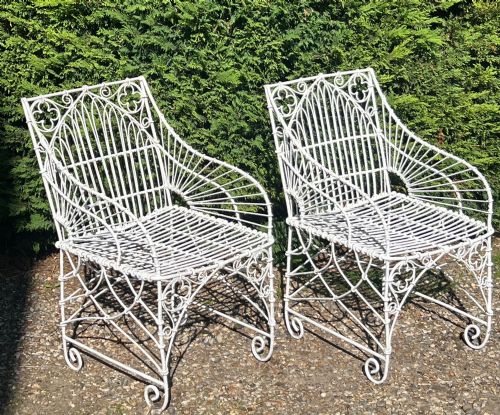
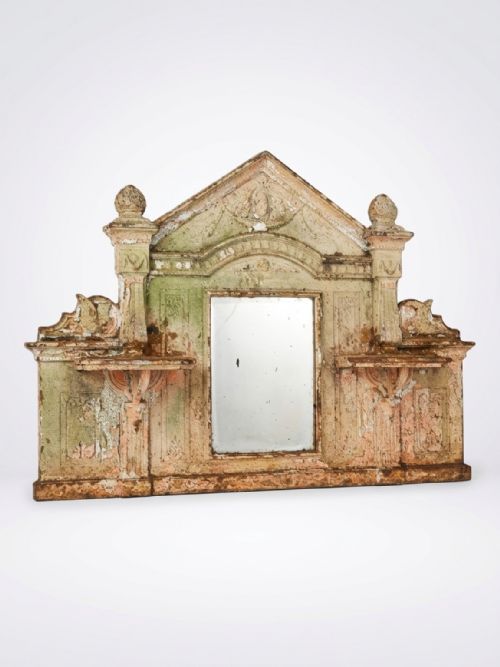
Victorian garden antiques encompass durable outdoor furnishings and functional architectural salvage produced during the nineteenth century. Buyers seek pieces that introduce genuine historical weight and period charm to lawns, terraces, and conservatories. The selection centres heavily on robust metalwork and earthy ceramics designed to weather the elements gracefully.
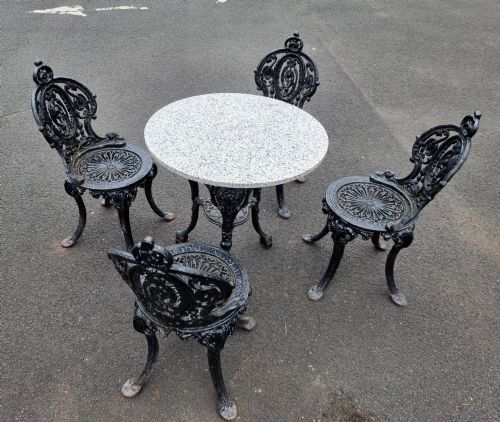
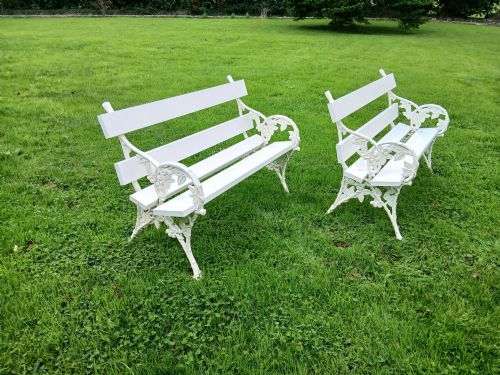
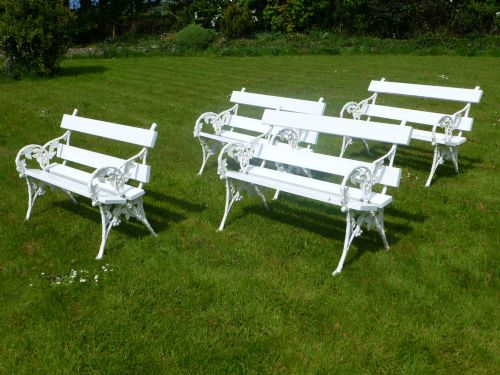
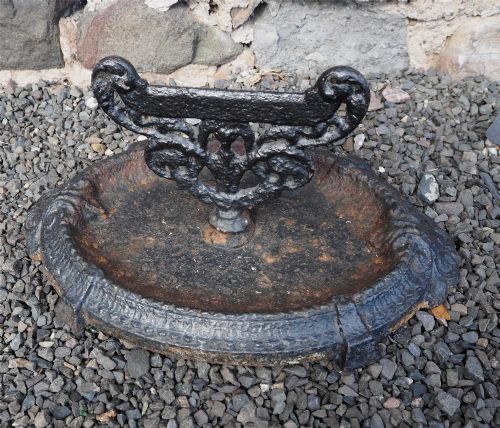
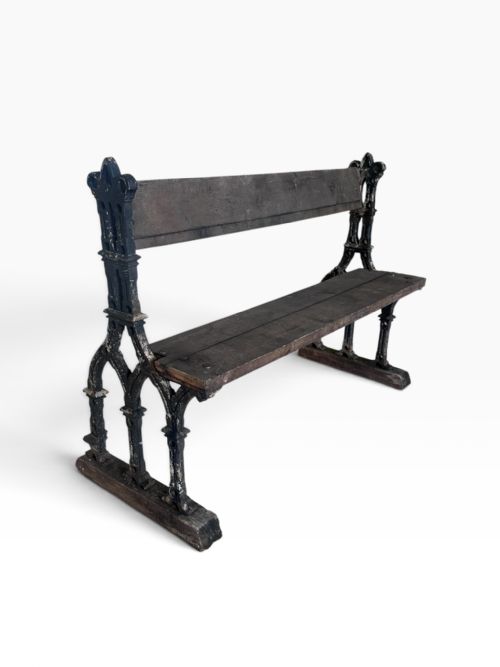
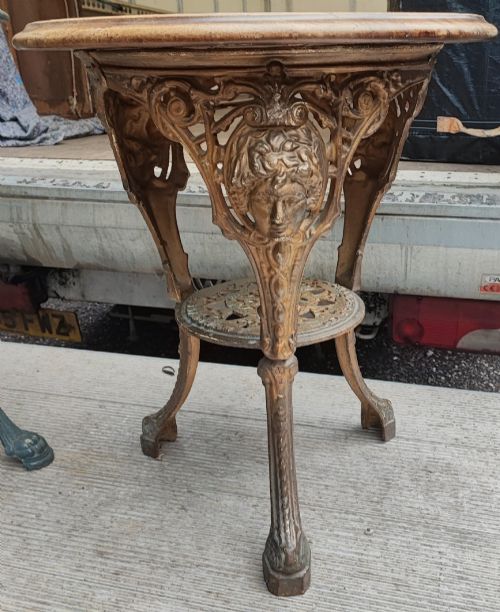
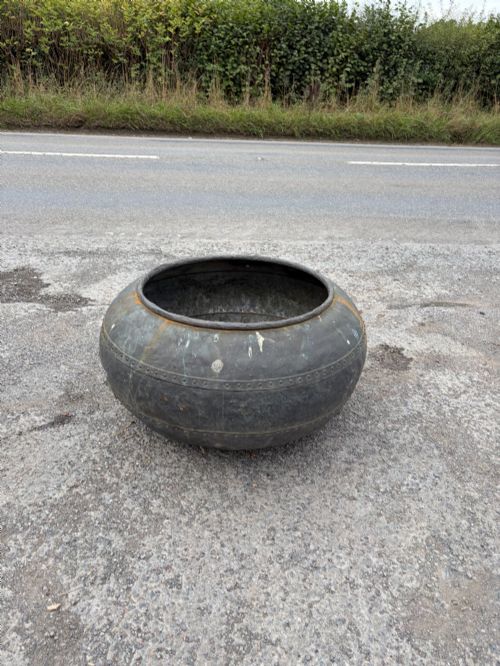
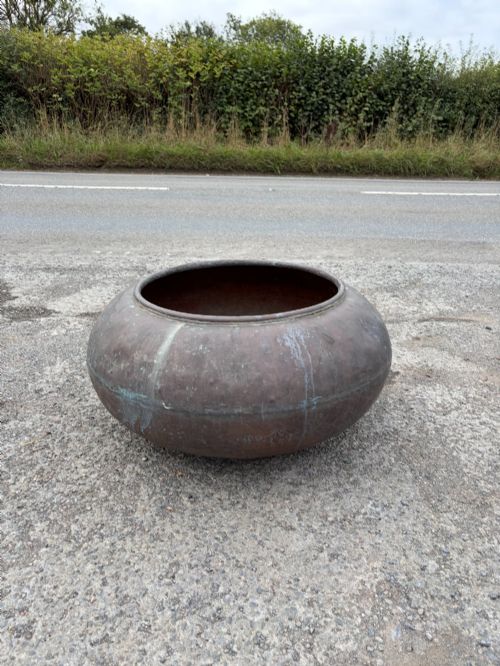
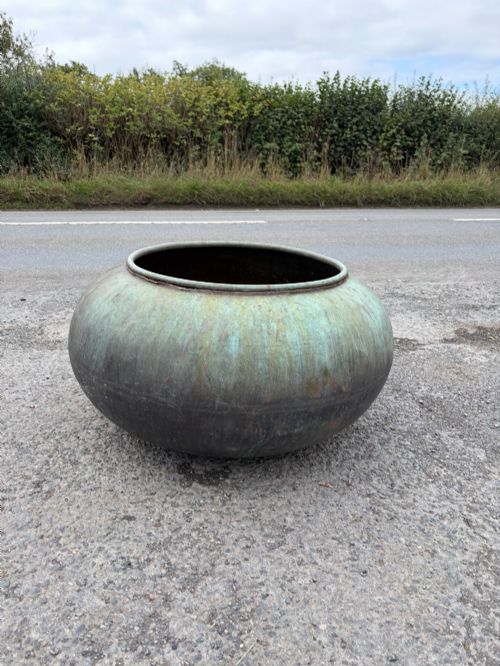
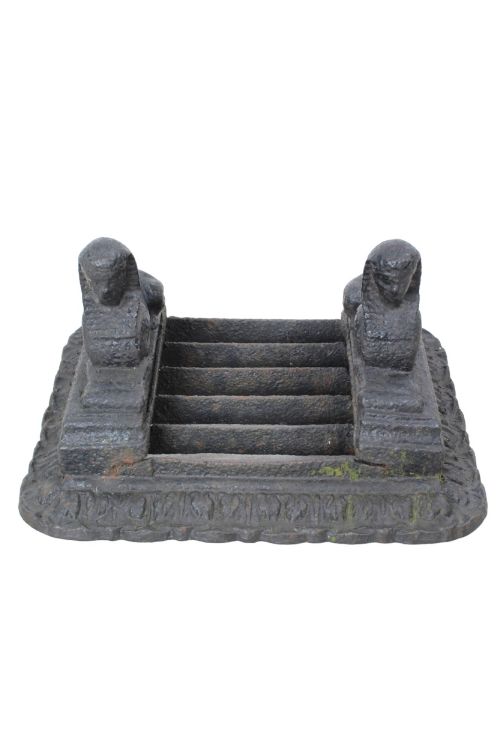
Cast iron forms the backbone of these offerings, materialising frequently as garden benches, ornate urns, and sturdy boot scrapers. Many examples display botanical motifs such as blackberry and leaf patterns, alongside architectural styles like Gothic or Neoclassical. Alongside benches and planters, buyers encounter utilitarian copper vessels, garden tables, and occasional eccentricities like lawn rollers or croquet sets.
How they were made
Foundries utilised heavy cast iron poured into intricate sand moulds to create detailed garden benches, urns, and structural bases with sharp relief decoration. Wrought iron was hand-forged for items requiring greater tensile strength, such as estate gates and daybed frames. These metal elements typically received protective layers of paint to withstand outdoor exposure.
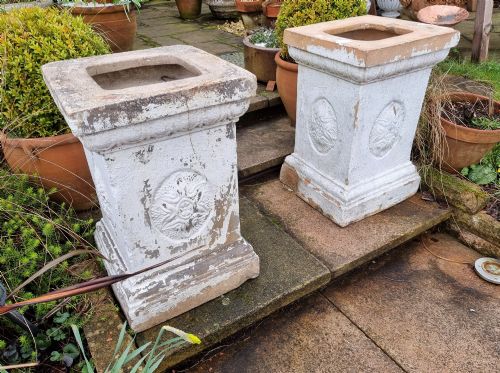
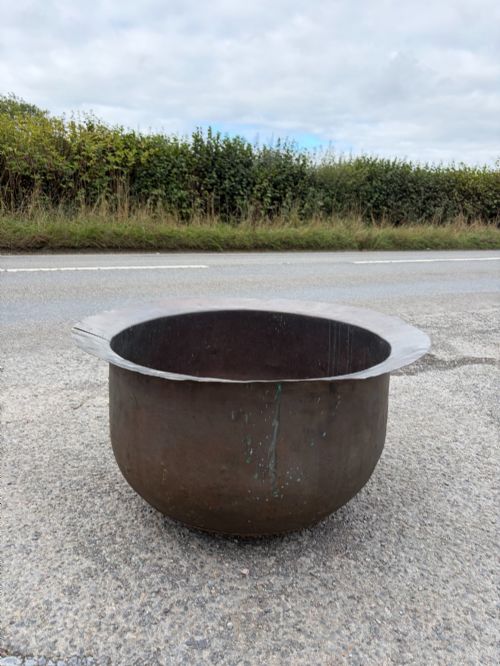
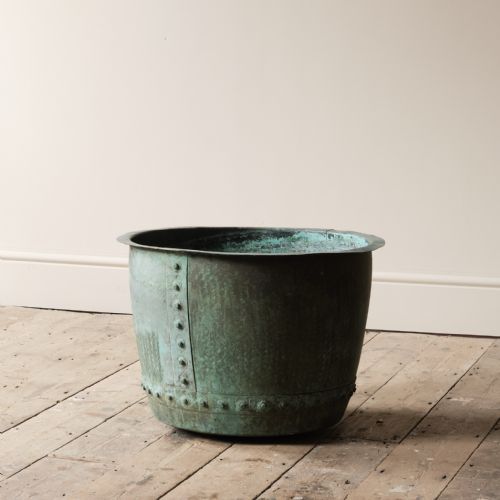
Ceramic objects relied on skilled shaping of terracotta, salt-glazed stoneware, and creamware, often fired in kilns to produce hardy planters, chimney pots, and rhubarb forcers. Riveted copper construction defined vessels like boilers and large pots, employing overlapping plates joined securely by hand. Wood found use in crates, boxes, and selected seating frames, completed by artisanal joinery.
Listings feature nineteenth-century materials including cast iron, wrought iron, copper, terracotta, and salt-glazed stoneware.
What varies in quality
Quality rests upon the crispness of the foundry casting and the depth of detail preserved in botanical or architectural ornamentation. Superior ironwork displays sharply defined foliage and clean lettering without the blurring typical of worn or secondary moulds. Heavier metal gauge and substantial structural thickness distinguish enduring pieces from lighter utilitarian items.
Maker attribution elevates certain pieces significantly, particularly those bearing recognised foundry names or documented designer patterns. The integrity of original surfaces, such as early paint layers or natural patination on copper and terracotta, preserves the historical value. Complete sets, matching chairs, and original components like pine storage boxes maintain higher integrity than assembled groupings.
Falkirk Carron Foundry·Coalbrookdale·C. R. Stevens·Minton
The Victorian Garden Antiques Glossary
- Boot scraper
- A heavy metal blade or architectural fixture positioned near doorways to remove mud from footwear before entering the house.
- Campagna urn
- A bell-shaped garden vessel on a pedestal, styled after classical antiquity and popular for formal nineteenth-century planting schemes.
- Chimney pot
- A cylindrical terracotta or clay fixture placed atop a chimney stack to improve draught, frequently repurposed as a garden planter.
- Rhubarb forcer
- A tall ceramic vessel placed over rhubarb plants in winter to exclude light and encourage early, tender growth.
- Strapwork
- A decorative pattern of flat, interlaced bands resembling leather straps, often cast into iron bench backs and structural frames.
Victorian Garden Antiques: Frequently Asked Questions
How do I care for cast iron garden furniture?
Cast iron outdoor pieces require periodic inspection for surface rust, which can be treated with wire brushing and protective paint application. Keeping them raised off damp soil during winter prevents moisture retention from damaging the base.
While robust enough to remain outside year-round, storing softer ceramic items like terracotta planters indoors during freezing weather prevents frost damage and cracking.
How can I identify the period of a garden bench?
Period identification relies on examining casting techniques, fastener types, and stylistic motifs like Gothic revival arches or Neoclassical symmetry. Mid-nineteenth-century examples often feature registration marks or distinct foundry stamps that provide reliable dating clues.
Heavier construction, hand-filed finishing marks, and documented pattern designs further distinguish early Victorian production from later mass-manufactured replicas.
Can antique planters safely hold soil and plants?
Most antique terracotta and cast iron planters function effectively for modern planting, provided proper drainage is maintained. Terracotta is porous, so lining delicate pots or ensuring drainage holes remain clear helps manage moisture levels.
Iron planters often feature built-in drainage holes, but checking for internal corrosion ensures the structural integrity remains sound when filled with wet compost.