



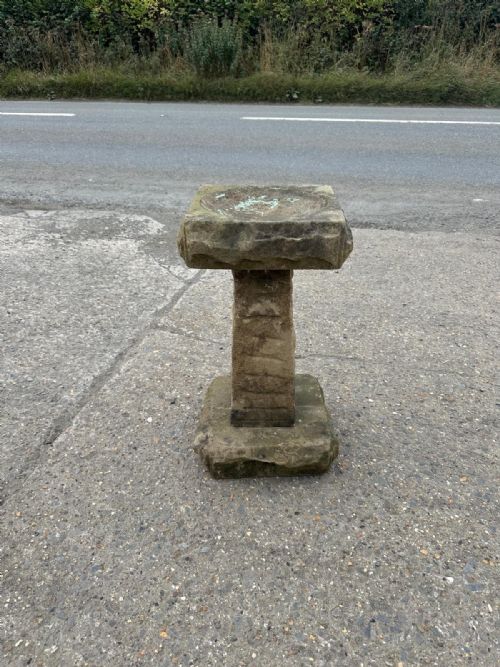


Antique Garden Bird Bath
An antique garden bird bath brings enduring form to the lawn, offering a sculptural water source shaped by decades of weathering.
Antique Garden Bird Bath
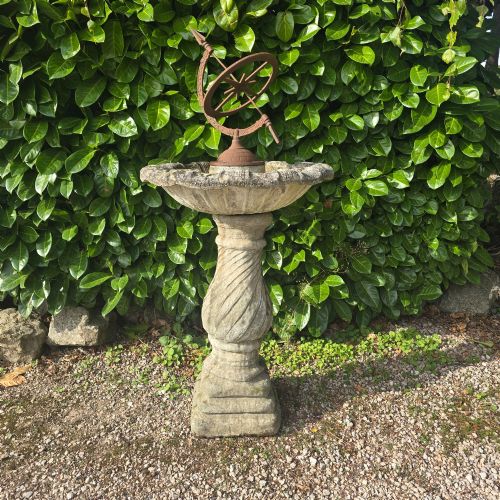
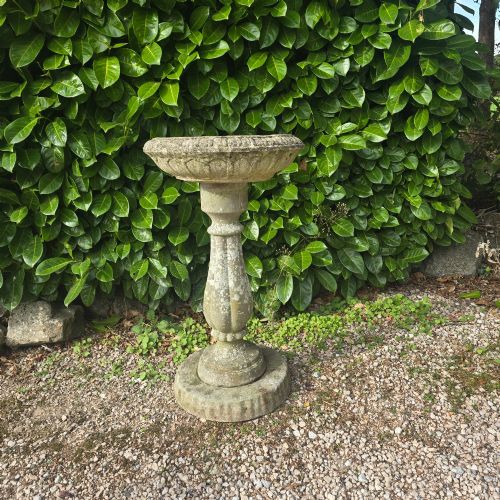
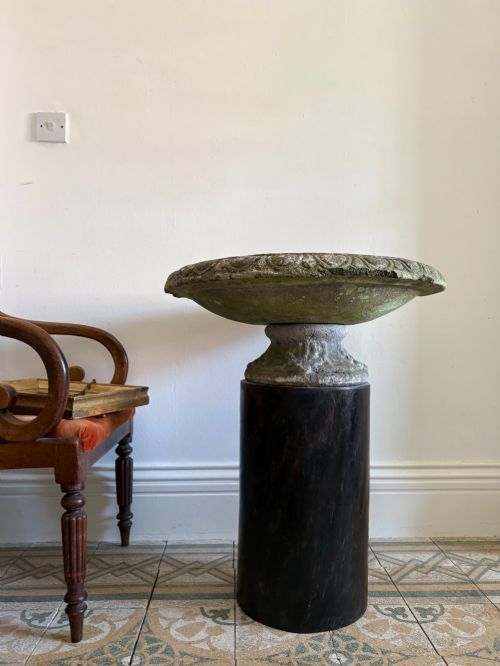
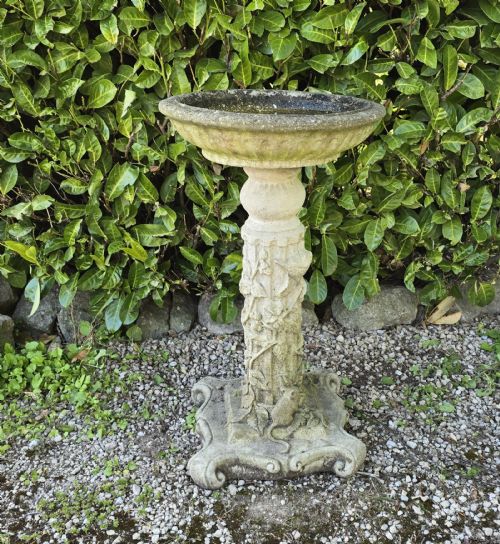
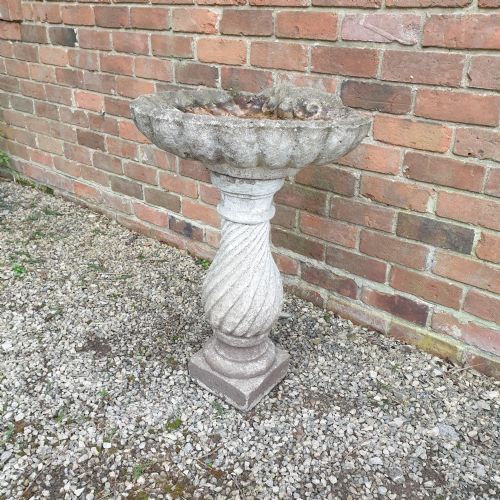
When you search for an antique garden bird bath, you encounter solid vessels designed to stand permanently outdoors on pedestals or bases. The versions you are most likely to meet on this page span the Victorian, Edwardian, and mid-twentieth-century eras.
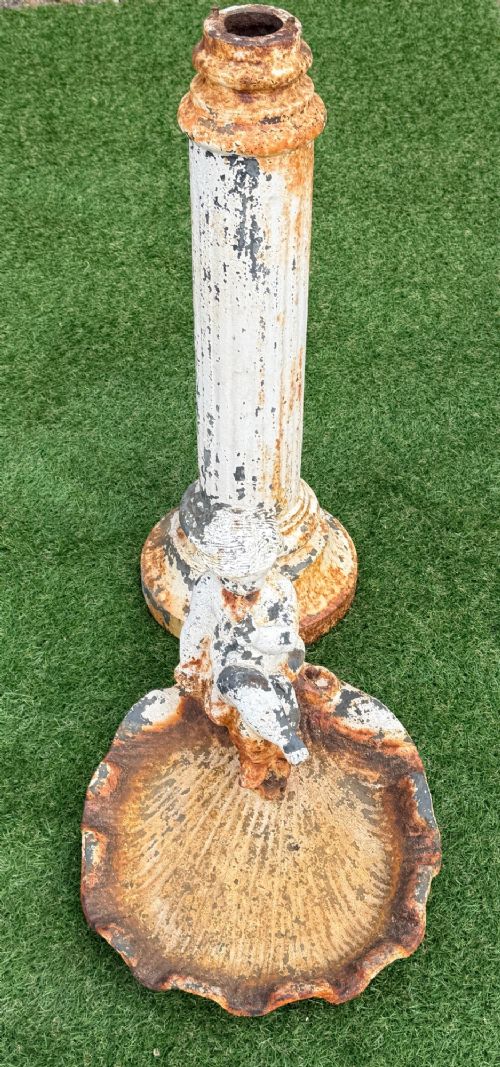
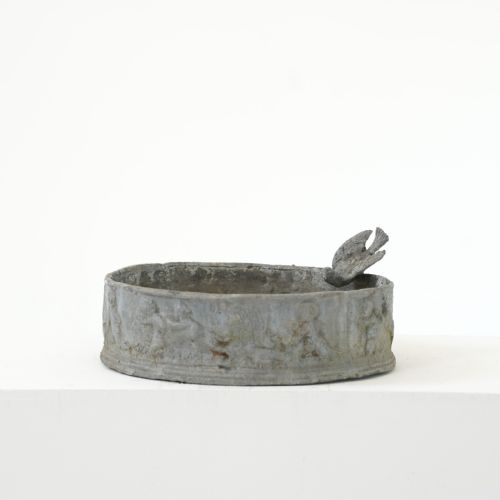
Forms range from simple shell shapes and troughs to elaborate neoclassical structures incorporating figures like cherubs or water carriers. Many double as planters, combining utility with classic garden ornament design across various traditional English styles.
Materials and construction methods
The listings record robust materials built to withstand the elements, predominantly cast iron, reconstituted stone, and natural Purbeck limestone. Lead and plaster also appear in specific sculptural pieces.
Cast metals utilise moulds to achieve detailed shell forms and figurative supports, while stone versions rely on hewn or cast composition blocks that weather naturally over time.
Antique Garden Bird Bath Retail Price Guide 2026
Typical asking prices for garden bird bath among the pieces listed under this phrase on Sellingantiques today, from the lower quarter to the upper quarter. They describe what is for sale here now, not the wider market.
Listings feature materials spanning cast iron, Purbeck limestone, lead, and reconstituted stone across Victorian and mid-twentieth-century periods.
Distinctions in quality and finish
Quality rests primarily in the depth of modelling and the integration of sculptural elements, such as seated figures or sundials, rather than plain utility bowls. Finer examples display crisp casting or stonemasonry that retains its definition beneath decades of lichen and patina.
The degree of honest weathering dictates visual success, where a balanced natural surface enhances the piece instead of obscuring clumsy proportions or coarse material composition.
The Antique Garden Bird Bath Glossary
- Purbeck Limestone
- A durable shelly limestone quarried in Dorset, frequently used for traditional English garden stonework and carved bird baths. It develops a distinctive grey surface texture when exposed to rain.
- Reconstituted Stone
- A composite material made from crushed aggregate and cement moulded to resemble natural carved stone. It provides heavy stability for garden ornaments and weathered over long periods.
- Neoclassical
- A design style drawing inspiration from classical antiquity, often featuring symmetrical forms, urns, and mythological figures. In garden pieces, this appears through columns and draped statuary.
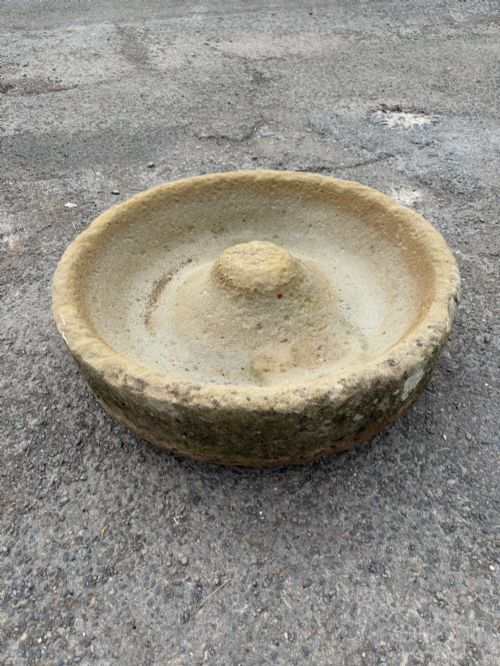
- Pancheon
- A large shallow earthenware or stoneware vessel traditionally used in dairies, sometimes repurposed as a garden planter or water feature. These circular pans offer wide basins suitable for wildlife.
Antique Garden Bird Bath: Frequently Asked Questions
How do I clean an antique stone bird bath?
Wash the surface gently using plain water and a soft brush to remove excess dirt without damaging the accumulated patina or stone face. Avoid harsh chemical cleaners that strip away the natural weathering.
Allow the basin to dry naturally before refilling it with fresh water for garden birds. Regular gentle rinsing prevents heavy algae buildup while preserving the historical surface.
Will cast iron bird baths rust outside?
Cast iron naturally forms a stable surface layer of oxidation when exposed to moisture in an outdoor garden setting. This initial rust often matures into a protective dark patina over the years.
Applying a specialist protective coating helps control excessive corrosion if the metal shows signs of deep flaking. Keeping the base clear of standing soil also limits premature decay.
Can I leave stone bird baths out in winter?
Heavy stone and reconstituted stone basins generally withstand normal cold weather if placed on stable, well-drained ground. Severe frost can occasionally expand trapped water in micro-fissures.
Emptying the basin during freezing months reduces the risk of ice expansion cracking the stone bowl. Raising the base slightly off the soil on bricks also prevents moisture absorption from below.
How do I date a weathered garden bird bath?
Examine the material composition, tool marks, and overall casting style to match characteristics against known Victorian, Edwardian, or mid-century production methods. Subtle details like fastener types or foundry marks offer additional clues.
Compare the form with dated architectural catalogues or documented garden ornament designs from the same period. Natural weathering alone remains unreliable for precise dating.