


Victorian Fruit Bowl
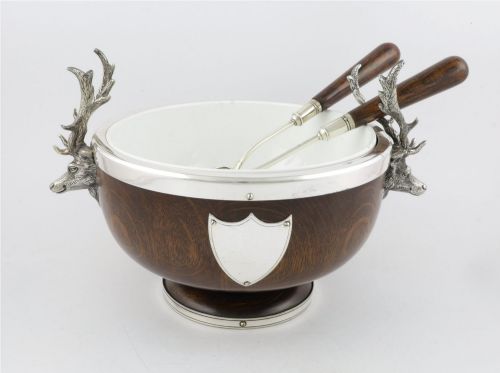
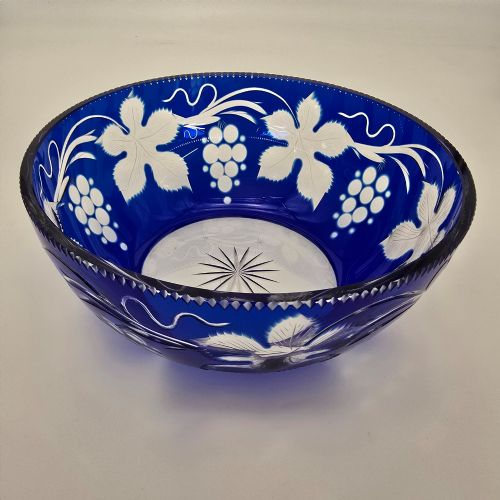
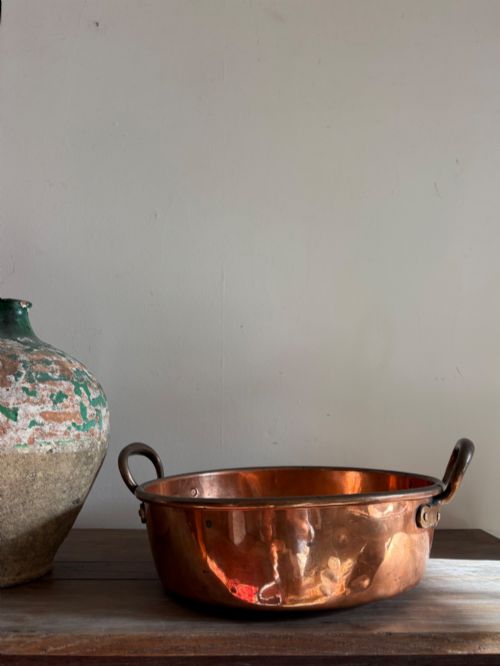
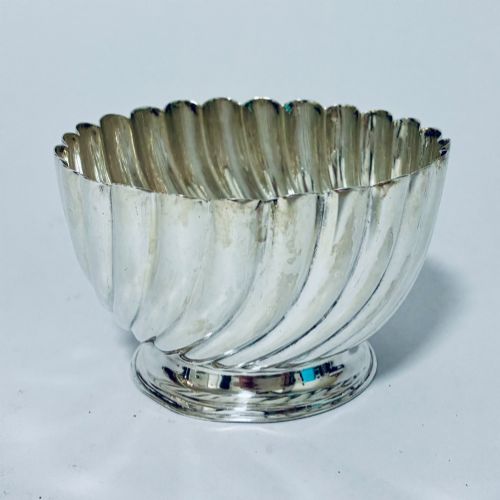
A victorian fruit bowl brings the rich detail of nineteenth-century dining tables into modern rooms through ornate silver plate, cut crystal, and painted earthenware.
Victorian Fruit Bowl
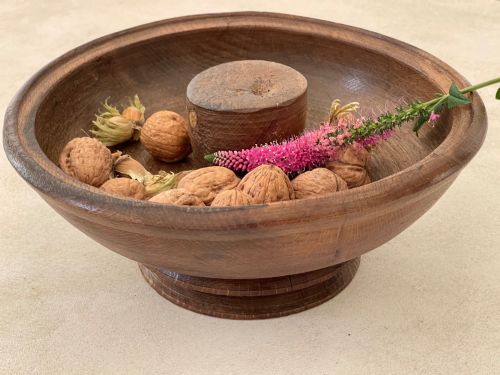
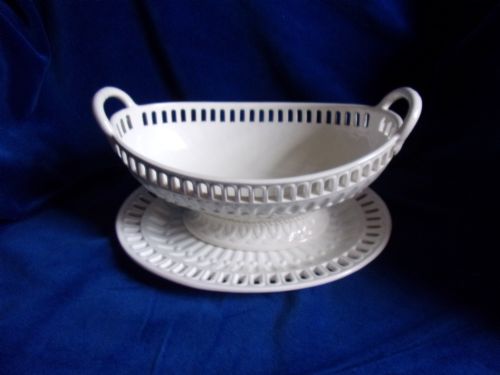
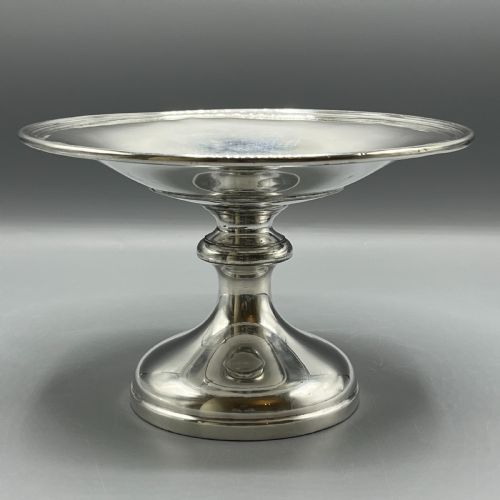
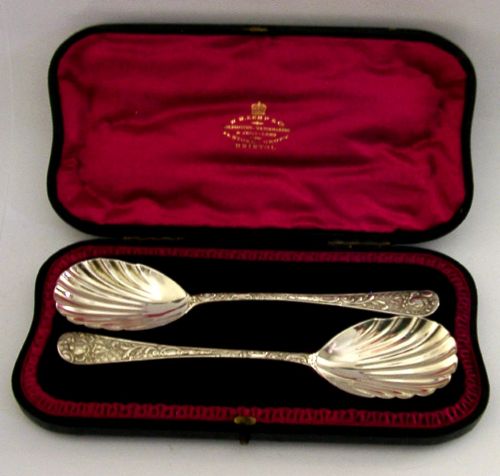
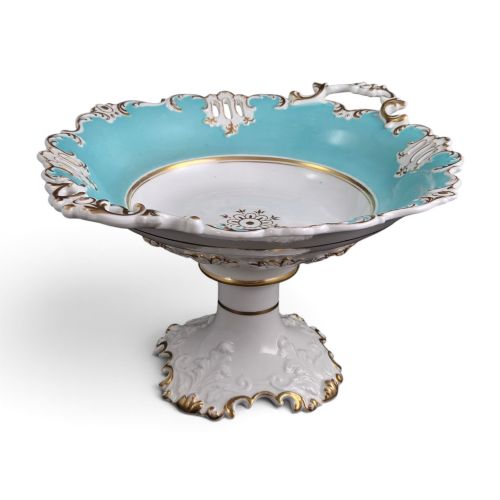
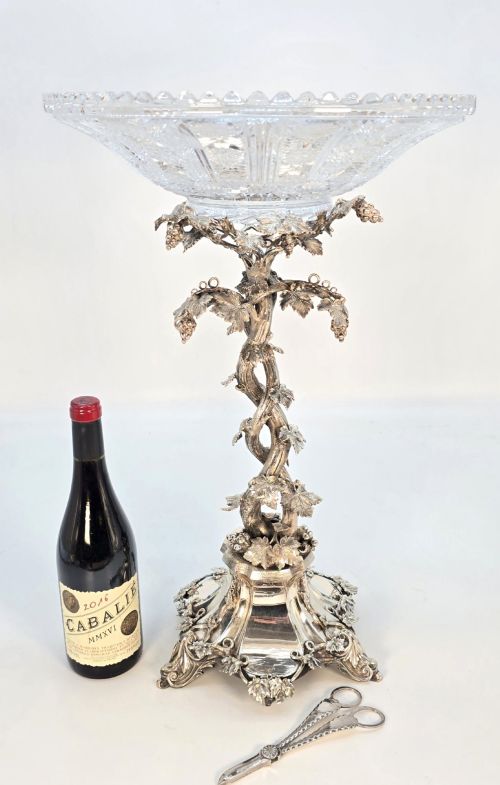
A victorian fruit bowl encompasses a broad sweep of nineteenth-century serving vessels, ranging from tall pedestal tazzas to heavy glass centerpieces and earthenware baskets. These items were designed to display seasonal produce at the centre of formal dining tables, often accompanied by matching serving spoons.
The objects appearing on this page stretch from the middle of the nineteenth century into the early twentieth, reflecting shifts in dining habits and table decoration across several decades. Forms include footed bowls, handled baskets, and low serving dishes created in Britain, continental Europe, and beyond.
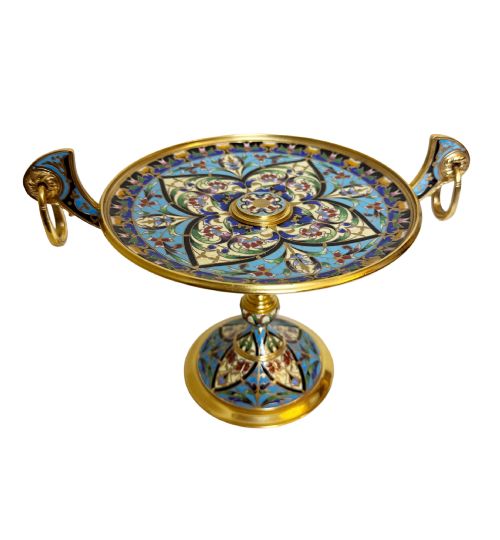
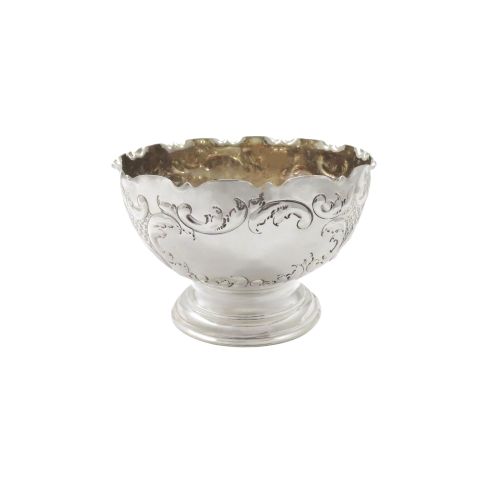
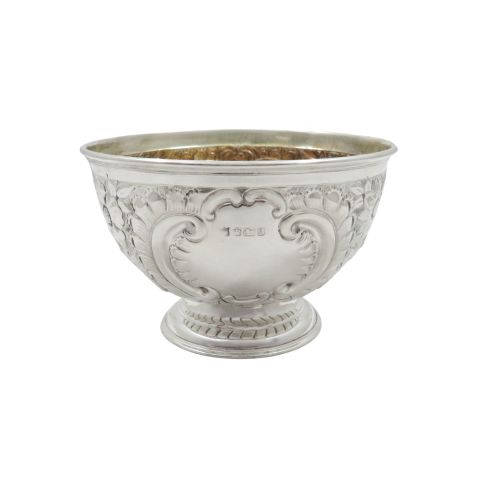
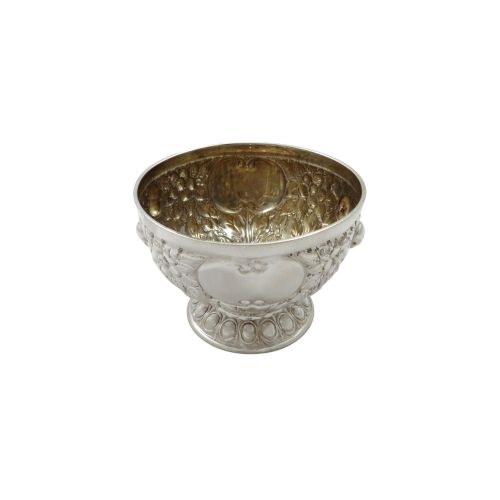
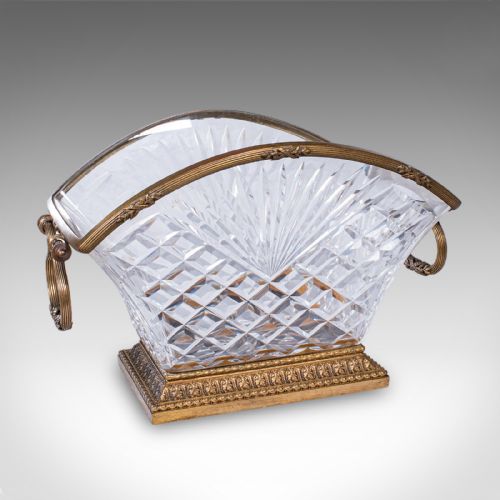
Buyers will encounter varied materials fulfilling this function, from sterling silver and silver plate to majolica pottery, porcelain, and cut glass mounted in gilt bronze. Each material offers a different weight and presence, whether intended for lavish display or practical domestic service.
How they were made
Makers utilised diverse techniques suited to their materials, combining metalworking, ceramic firing, and glass cutting to achieve ornate domestic forms. Silver and silver-plated pieces often feature pierced metalwork, repoussé decoration, and cast mounts shaped into neoclassical or naturalistic motifs.
Ceramic vessels rely on earthenware, ironstone, bone china, or majolica bodies, frequently finished with coloured glazes, enamel painting, or transfer-printed patterns. Glass bowls combine mould-blown or cut crystal bodies with fitted metal stands, brass frames, or ormolu mounts.
Victorian Fruit Bowl Retail Price Guide 2026
Typical asking prices for victorian fruit bowl among the pieces listed under this phrase on Sellingantiques today, from the lower quarter to the upper quarter. They describe what is for sale here now, not the wider market.
Some nineteenth-century tables featured musical wooden fruit bowls that played cheerful tunes while guests selected their dessert.
What varies in quality
The distinction between standard domestic wares and exceptional examples rests in the crispness of the casting, the depth of hand-engraving, and the harmony of mixed materials. Pieces featuring detailed figural mounts, such as cherubs or naturalistic foliage, demonstrate greater ambition from the silversmith or bronzeworker.
Finishing touches separate the finer items from mass production, evident in the weight of the metal, the clarity of cut glass, and the hand-painted execution on porcelain and majolica surfaces. Maker attribution also plays a role, with established firms maintaining consistent standards in plating thickness and ceramic body refinement.
George W. Scott & Sons Ltd·Royal Doulton·Minton·Walker & Hall·Thomas Bradbury
The Victorian Fruit Bowl Glossary
- Tazza
- A shallow bowl or dish mounted on a pedestal foot, used for serving fruit or sweets on formal tables. This form frequently appears in silver plate, ceramic, and glass during the nineteenth century.
- Centrepiece
- A large decorative vessel placed in the middle of a dining table, often combining cut glass bowls with elaborate metal stands. These pieces commanded visual attention during Victorian dining rituals.
- Majolica
- A type of earthenware coated with an opaque tin glaze and painted with brightly coloured metallic oxide pigments. Victorian examples often incorporate naturalistic plant and animal forms.
- Repoussé
- A metalworking technique where the artisan hammers the design from the reverse side to form a raised pattern in relief. This method creates tactile floral or scroll ornamentation on silver and metal vessels.
Victorian Fruit Bowl: Frequently Asked Questions
How were these bowls used?
Victorian households placed these vessels in the middle of the dining table to serve fresh fruit, nuts, or sweetmeats during formal meals. They functioned as both practical tableware and prominent decorative centrepieces.
Larger pedestal versions and handled baskets allowed hosts to display seasonal produce at varying heights, adding visual structure to elaborate dining room settings.
How do I clean silver plated bowls?
Silver plate requires gentle cleaning with a soft cloth and a specialised silver polish formulated to protect thin metal coatings. Avoid harsh scrubbing or abrasive dips that might strip the plating over time.
Store these pieces in dry environments away from direct sunlight and humidity to prevent tarnishing and maintain the reflective finish of the metal.
Can I use these for everyday dining?
Sturdier ceramic and heavy metal vessels tolerate careful everyday use, provided they are washed by hand rather than placed in modern dishwashers. Glass and delicate majolica demand more caution to prevent chips.
Many owners choose to display them on sideboards or dining tables as decorative accents, reserving them for occasional service during special gatherings.