


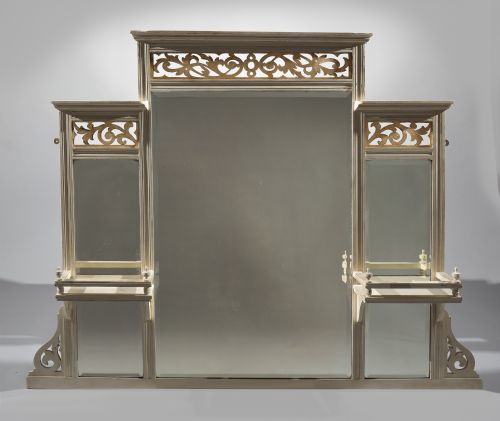


Victorian Fretwork Mirror
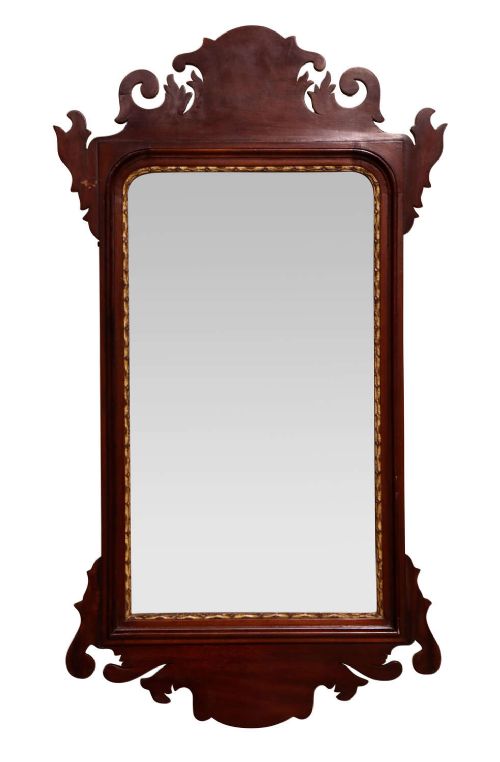
A victorian fretwork mirror brings pierced wooden scrollwork and classic revival lines into a room, offering both reflection and intricate decorative craftsmanship.
Victorian Fretwork Mirror
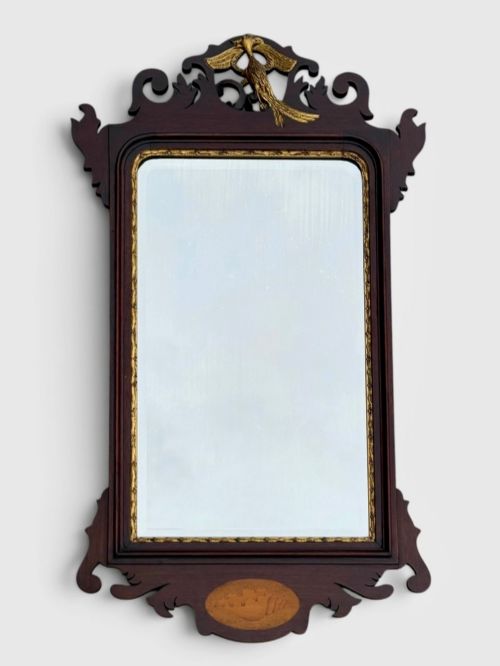
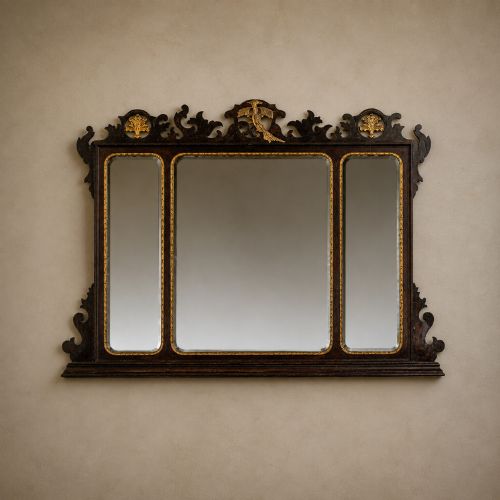
The selection ranges from smaller domestic wall mirrors featuring traditional pierced brackets to larger overmantel formats equipped with triptych glass plates. Alongside standard wall mirrors, related forms such as inlaid wall shelves and tiered display pieces occasionally appear within the broader grouping.
Most examples date between eighteen eighty and nineteen hundred, reflecting the period's enthusiasm for historical revivalism and intricate cabinet-making. Mahogany predominates among the surviving pieces, accompanied by occasional variations in walnut, rosewood, and yew wood.
Materials and construction methods
Makers utilised dense timbers such as mahogany and walnut to withstand the delicate piercing required for intricate fretwork frames. These woods were frequently polished to a rich finish or combined with parcel-gilt details to catch the light.
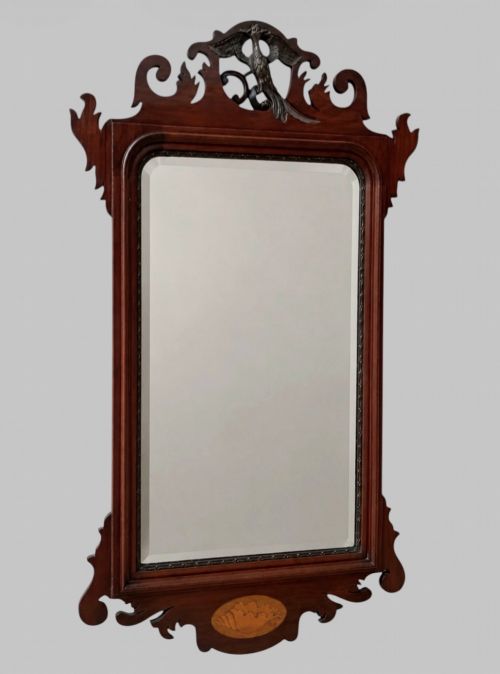
Glass plates within these frames often featured bevelled edges, a refined technique that added depth to the reflection. Accents such as marquetry inlay, gilded wood, and hand-carved crests like the traditional Ho-Ho bird completed the construction.
Assessing quality and craftsmanship
Quality in a victorian fretwork mirror rests upon the crispness of the pierced scrollwork and the depth of the carved detailing. Finer examples display sharp, cleanly executed fret patterns without splintering in the timber.
The choice of secondary woods and the precision of any marquetry inlay or parcel-gilt application further distinguish superior items from standard production. Original glass plates and well-preserved structural joins also elevate the standing of a piece.
The Victorian Fretwork Mirror Glossary
- Fretwork
- Ornamental design created by cutting intricate patterns through thin boards using a scroll saw or piercing saw. This technique defines the pierced silhouetted borders characteristic of these mirrors.
- Chippendale Revival
- A nineteenth-century stylistic movement that reinterpreted the mid-eighteenth-century furniture designs of Thomas Chippendale. It brought rococo curves and Chinese-inspired motifs back into Victorian parlours.
- Ho-Ho Bird
- A stylized Chinese phoenix frequently carved into the cresting of eighteenth-century and revival mirrors. It appears perched at the top centre of the pierced wooden frame.
- Overmantel Mirror
- A large mirror designed to hang specifically above a fireplace mantelpiece. These often span a wider horizontal format to balance the hearth below.
- Pier-Glass
- A tall mirror traditionally hung on the pier or wall space between two windows. In later periods, the term became associated with decorative wall mirrors generally.
Victorian Fretwork Mirror: Frequently Asked Questions
How do I hang a heavy fretwork mirror?
These mirrors require secure wall fixings distributed across the main wooden frame rather than relying solely on the decorative fretwork borders. Professional mirror hangers or heavy-duty wall anchors ensure the weight is properly supported.
Check the stability of the original joints and backing boards before mounting to prevent any strain on the antique timber structure.
Are these mirrors fragile?
The pierced wooden scrollwork is inherently delicate and susceptible to knocks or snags during movement. Care must be taken around the projecting fret tips when cleaning or relocating the piece.
Solid mahogany and walnut frames offer good structural durability overall, provided the environment maintains stable humidity levels to protect the wood.
How do I clean the carved frame?
Dust the intricate fretwork gently using a soft, dry brush or a microfiber cloth to prevent build-up in the recessed carved areas. Avoid liquid polishes that can seep into unsealed wood or damage old gilded surfaces.
Glass cleaner should be applied sparingly to a cloth rather than sprayed directly onto the glass, preventing moisture from reaching the antique silvering or wooden frame.
Can I place one in a bathroom?
High humidity and fluctuating moisture levels in bathrooms can damage antique wood, loosen glue joints, and degrade the backing of old glass plates. Dry living areas, hallways, and drawing rooms provide a much safer environment for preservation.
Keeping the mirror away from direct heat sources and steamy atmospheres ensures the timber and gilt finishes remain stable.
How do I distinguish revival from original eighteenth-century pieces?
Late nineteenth-century revival pieces typically exhibit machine-sawn fretwork consistency and modern backing hardware alongside Victorian timber characteristics. Construction methods and secondary woods often point clearly to the later period.
Examining the fixings, patination, and glass characteristics helps confirm the exact era of manufacture.