
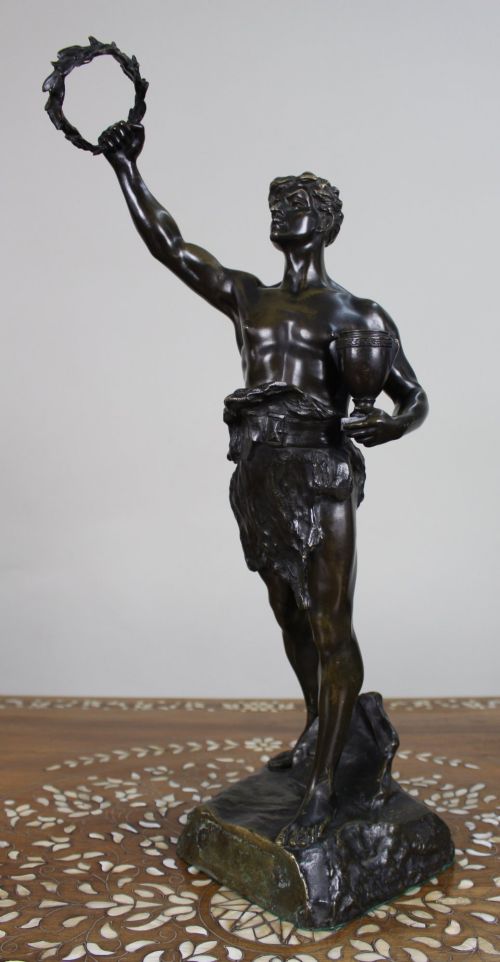
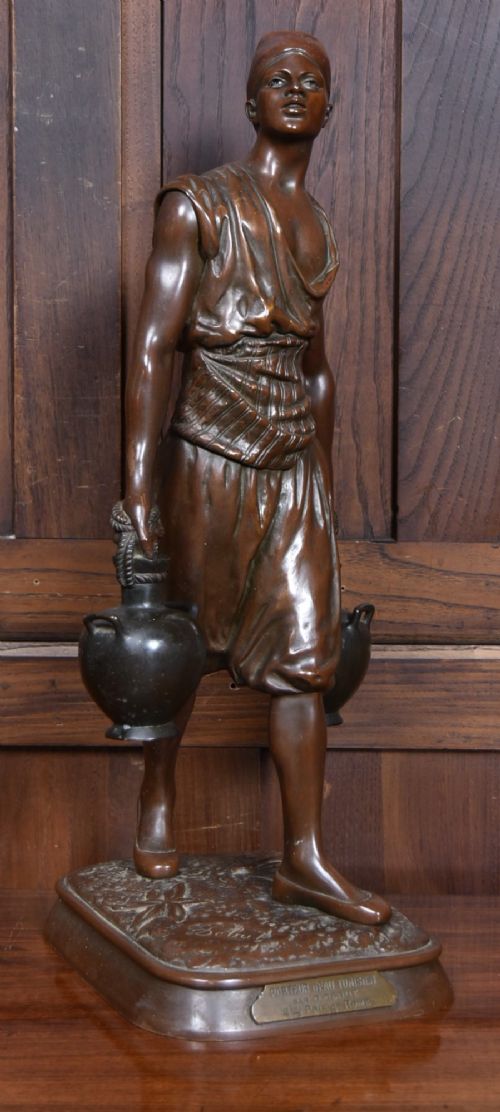
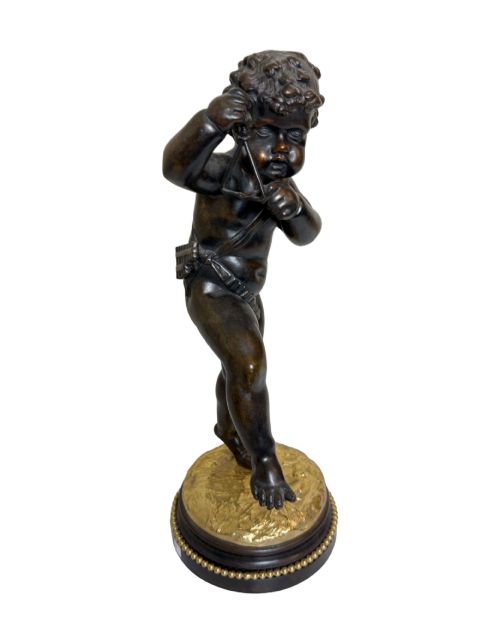
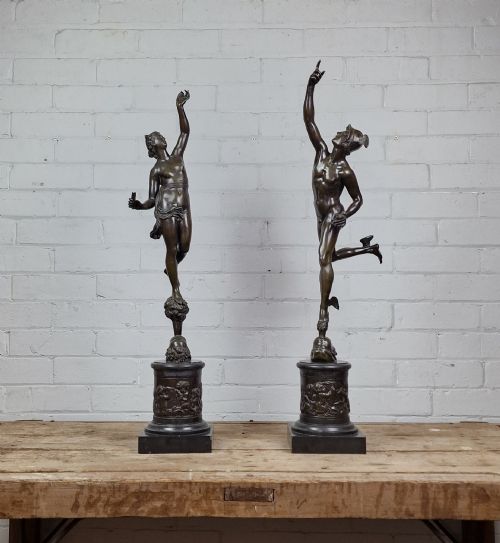
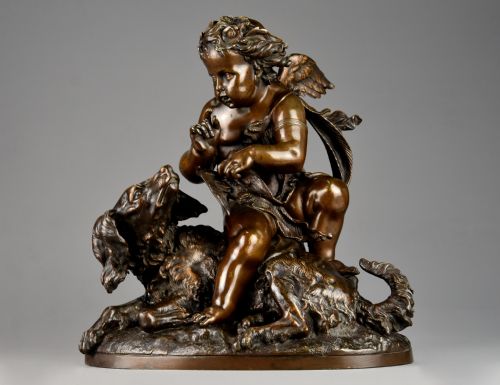


Victorian French Bronze Figure
These nineteenth-century works capture classical myth, animal studies, and human form in heavy metal.
Victorian French Bronze Figure
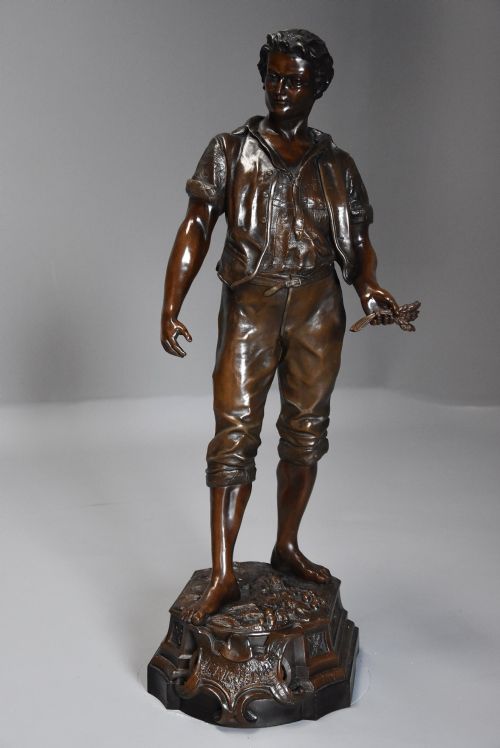
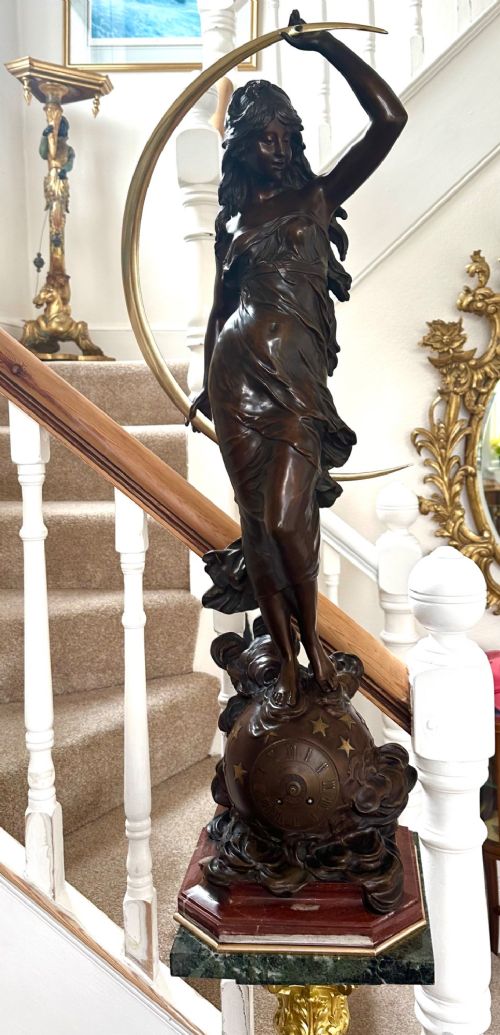
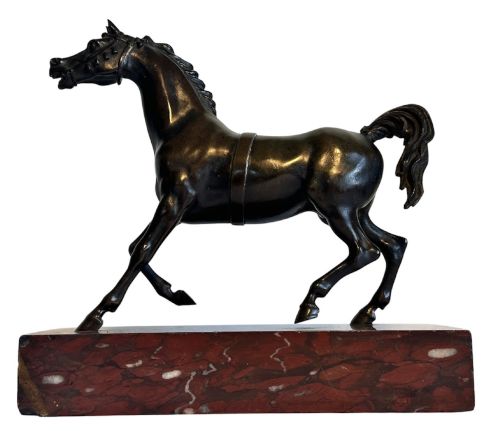
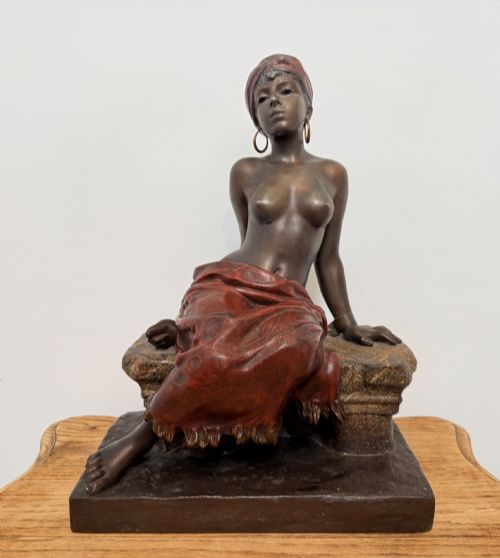
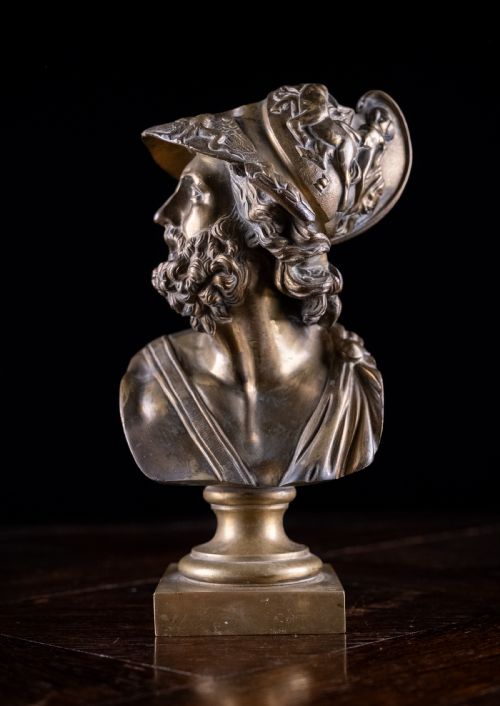
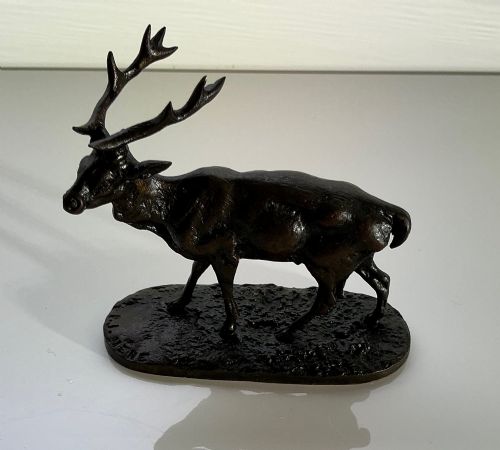
A victorian french bronze figure embodies the sculptural ambition of nineteenth-century ateliers, spanning classical mythology, orientalist subjects, and animalier studies of hounds, stags, and horses. Buyers seek these pieces for their expressive modelling, rich patination, and the distinct character brought by named founders and modellers.
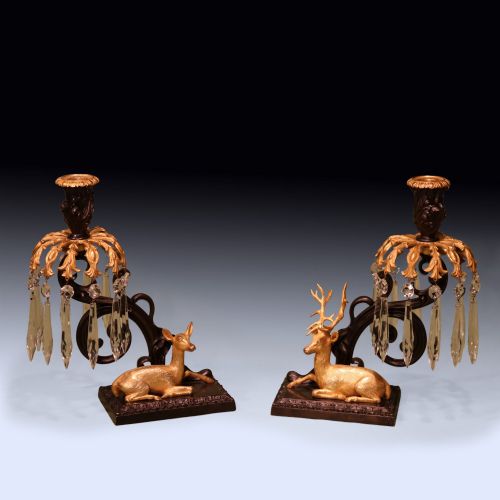
The versions most commonly met on this page include mid-to-late nineteenth-century cabinet bronzes, figural candlesticks, and mantle clock components. Animal studies by sculptors such as Pierre Jules Mene and Isidore Jules Bonheur appear frequently alongside mythological figures and allegorical subjects.
Many examples incorporate functional elements such as inkwells, lamps, or lustres, combining decorative sculpture with everyday Victorian utility. Marble bases and gilt bronze or ormolu mounts frequently accompany the primary patinated metal figures.
Materials and casting
These sculptures utilise traditional lost-wax or sand-casting methods to achieve fine detail in bronze, patinated bronze, and gilt bronze, often mounted upon shaped marble plinths. Alternative metals such as bronzed spelter also appear in the record, offering a lighter alloy finished to resemble heavier bronze.
Surface finish is achieved through chemical patination, ranging from deep brown and black tones to bright gilt highlights and ormolu contrasts. Rock crystal columns and wooden elements occasionally support lamps and inkstands, adding texture to the metalwork.
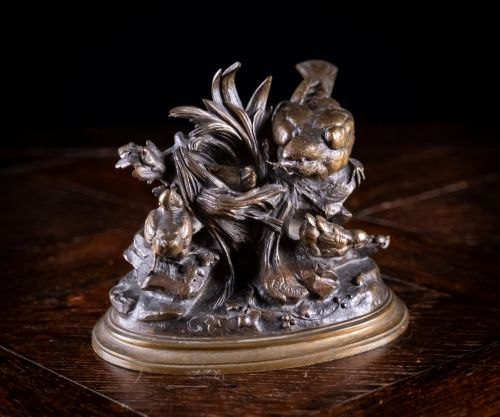
Several Victorian dogs clutch balls and guard birds with unwavering metal dedication.
Assessing quality
The reputation of the founder and the signature of the modeller heavily influence the standing of a piece. Finer castings exhibit careful patination that has aged evenly without obscuring the underlying texture of the metal.
Lemoyne·Louis Emile Cana·F.Milliot·August Moreau·E Villanis·PJ Mene·Prosper Lecourtier·Alfred Grevin·S. Kinsburger·Jean Jules Salmson·Emile Picault·Louis François Frémiet·Antonin Mercié·Jules Moigniez·Isidore Jules Bonheur·Arthur Waagen·Ernest Rancoulet
The Victorian French Bronze Figure Glossary
- Animalier
- A nineteenth-century artistic movement focusing on the realistic depiction of animals, particularly dogs, horses, and wild beasts. Sculptors in this style studied anatomy extensively in menageries.
- Patination
- The chemical or natural coloration of the metal surface resulting from age or deliberate treatment. It protects the bronze and provides tonal depth.
- Ormolu
- Gilt bronze created by applying a mercury and gold amalgam to a bronze base and heating it. This technique produces a durable, rich golden finish seen on mounts and decorative items.
- Spelter
- A zinc-based alloy commonly used as an economical alternative to bronze. It is softer and lighter, frequently finished with a bronze-colored paint or patination.
- Lost-wax casting
- A historic method where a wax model is encased in a mould, melted out, and replaced with molten metal. This technique allows for intricate undercut details.
Victorian French Bronze Figure: Frequently Asked Questions
How do I clean a antique bronze figure?
Dust gently with a soft, dry brush to prevent dirt accumulation in the crevices of the metal. Avoid water, harsh chemical cleaners, or abrasive cloths that can strip the original patinated surface.
Applying a very light coat of microcrystalline wax can protect the metal from atmospheric moisture. Buff the surface lightly after application to maintain a stable, matte finish without creating an artificial gloss.
What is bronzed spelter?
Spelter is a zinc-based alloy that nineteenth-century makers used as a cost-effective substitute for pure bronze. It is noticeably lighter and softer than bronze when examined closely.
Pieces made from spelter were often given a surface coating to simulate genuine bronze patination. While visually similar, spelter requires greater care because the alloy is more fragile.
Why do some bronzes have marble bases?
Marble bases provided stability and a neoclassical aesthetic for cabinet sculptures during the Victorian period. Dark or variegated marble contrasted effectively with patinated bronze figures.
Many animalier and allegorical figures were cast to fit specific stone plinths as part of their final workshop assembly. These bases often match the period of the sculpture itself.
How can I identify a signature?
Signatures of the modeller or foundry are typically cast directly into the bronze base or along the edge of the figure. Use a magnifying glass and adequate lighting to read faint or worn lettering.
Comparing the signature style to known foundry records helps confirm the period of production. Not all nineteenth-century pieces bear signatures, as many quality works were left unsigned.