




Victorian Framed Horse Print
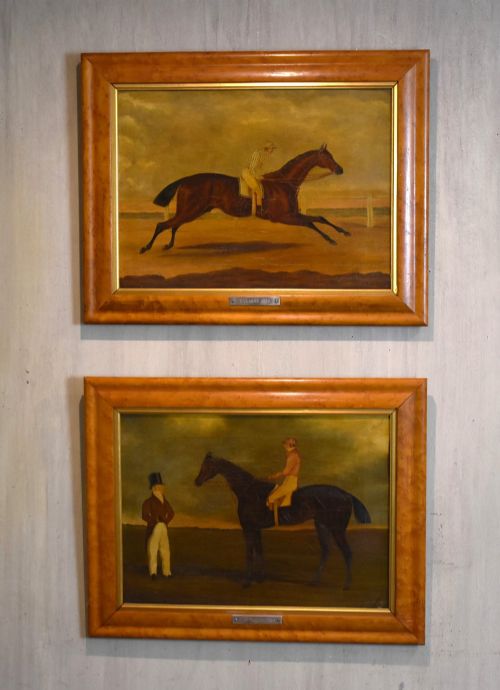
A Victorian framed horse print captures the energy and elegance of nineteenth-century equestrian life through period engravings, lithographs, and oil paintings.
Victorian Framed Horse Print
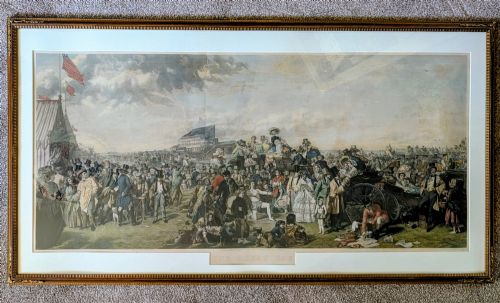
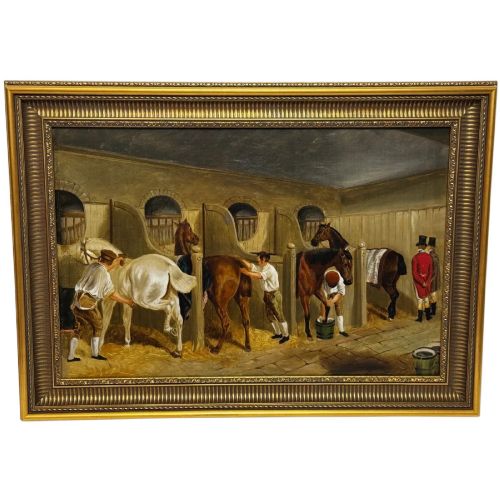
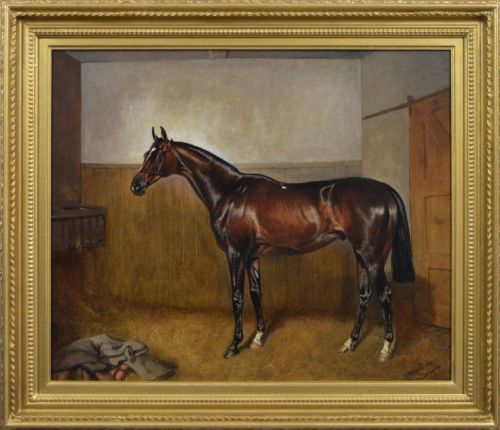
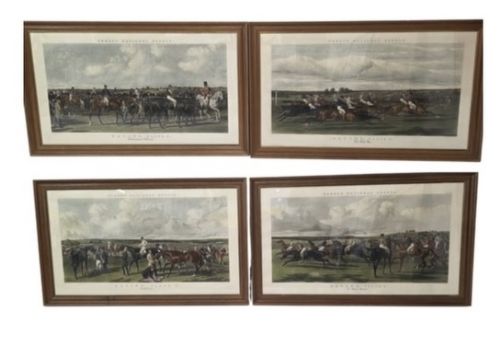
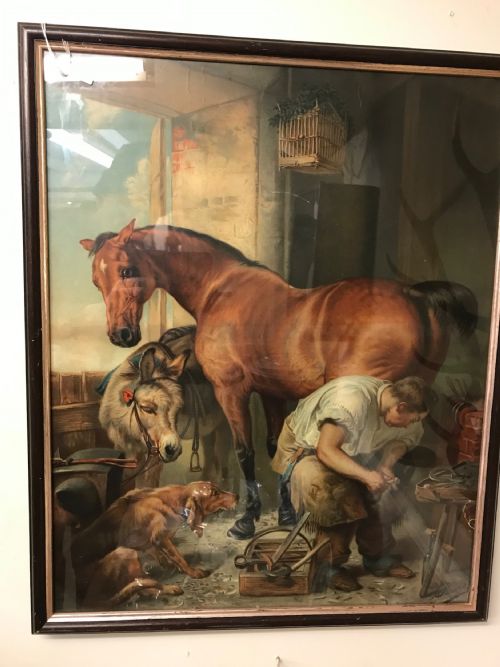
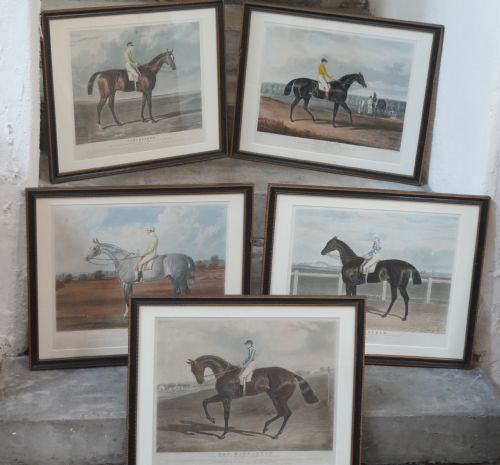
A victorian framed horse print encompasses a wide variety of nineteenth-century imagery, ranging from steeplechases and hunting meets to individual portraits of celebrated racehorses. Buyers encounter everything from hand-coloured lithographs and aquatints to original oil paintings and delicate etchings.
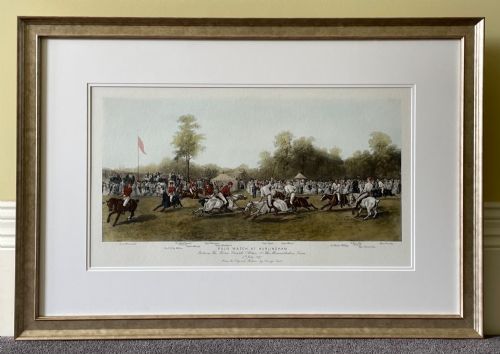
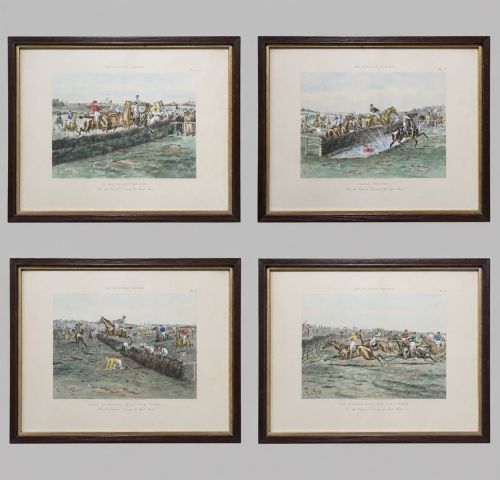
The subjects frequently reflect the sporting interests of the era, capturing polo matches, hunting studs, and famous racecourses. Sets of four prints and individual framed works dominate the selection, often preserved behind glass in period timber frames.
Originating largely from British and American publishing houses and artists, these pieces document the central role of the horse in daily transport, sport, and leisure before the widespread adoption of the motor car.
Materials and Techniques
The physical construction relies heavily on traditional printmaking methods such as engraving, lithography, chromolithography, and aquatint, executed on heavy-grade paper using durable black and coloured inks. Painters of the period utilised oil on canvas and watercolour, applying pigments by hand to capture the rich tones of animal coats and landscapes.
Protection and presentation were achieved through period framing techniques, combining carved wood, gold leaf, and gilt wood mouldings with clear window glass to shield the delicate paper or canvas surfaces from environmental damage.
Victorian Framed Horse Print Retail Price Guide 2026
Typical asking prices for victorian framed horse print among the pieces listed under this phrase on Sellingantiques today, from the lower quarter to the upper quarter. They describe what is for sale here now, not the wider market.
Materials commonly recorded across the selection include paper, glass, wood, ink, oil on canvas, gilt wood, canvas, and gold leaf.
Assessing Quality and Execution
Quality in these pieces depends fundamentally on the crispness of the original plate impression and the fidelity of any hand-applied colour. Stronger examples display precise lines in the engraving or etching, whereas weaker impressions appear muddy or lack definition in the animal musculature and background details.
The accompanying frame plays a major role in the overall integrity of the piece, with original period gilt wood and gold leaf mouldings holding significantly more character than modern replacements. The reputation of the artist, engraver, or publisher also dictates distinction, particularly when associated with established sporting print series.
William Powell Frith·George Finch Mason·John Alfred Wheeler·Edwin Henry Landseer·John Frederick Herring Snr·Herbert Dicksee·Charles Faulkner·Alfred Wheeler·Edward Lloyd·Thomas Worth
The Victorian Framed Horse Print Glossary
- Aquatint
- An intaglio printmaking technique that produces areas of tone rather than lines, closely resembling watercolour washes. It was frequently utilised for nineteenth-century sporting prints to create soft backgrounds.
- Chromolithography
- A colour lithographic printing process using multiple stones or plates, one for each colour applied. This technique allowed Victorian publishers to produce vibrant, multi-coloured images without hand-colouring.
- Crystoleum
- A method of applying a transparent photographic print to the inside of concave glass, then hand-colouring the reverse before sealing. It results in a glossy, three-dimensional appearance popular in the late nineteenth and early twentieth centuries.
- Engraving
- A printmaking process where an artist cuts lines directly into a metal plate with a sharp tool called a burin. The resulting impressions are exceptionally sharp and durable.
- Lithography
- A planographic printing method based on the chemical repulsion of oil and water on a flat limestone or metal plate. It enabled artists to draw freely and reproduce painterly strokes.
Victorian Framed Horse Print: Frequently Asked Questions
What subjects do these prints show?
The imagery focuses heavily on equestrian sports, including horse racing, hunting meets, polo matches, and individual portraits of notable racehorses.
Scenes often depict famous tracks, coaching events, and rural landscapes featuring horses at work or rest.
How should I hang them at home?
These framed works suit traditional studies, hallways, and living rooms, particularly when grouped in matched sets of four or five.
Keep them away from direct sunlight and damp walls to protect the delicate paper, ink, and antique gilt frames.
How do I spot a modern copy?
Examine the surface under magnification to check for modern dot-matrix or inkjet printing patterns rather than traditional plate marks, ink absorption, or lithographic grain.
Inspect the framing materials and backing boards for age-appropriate wear, handmade nails, or older papers.
Are these works original antique pieces?
The selection includes genuine nineteenth-century engravings, lithographs, etchings, and oil paintings created during the Victorian and Edwardian eras.
Each piece reflects the printing and painting technologies of its specific decade, from 1850 through the early twentieth century.