
Equestrian Art Prints
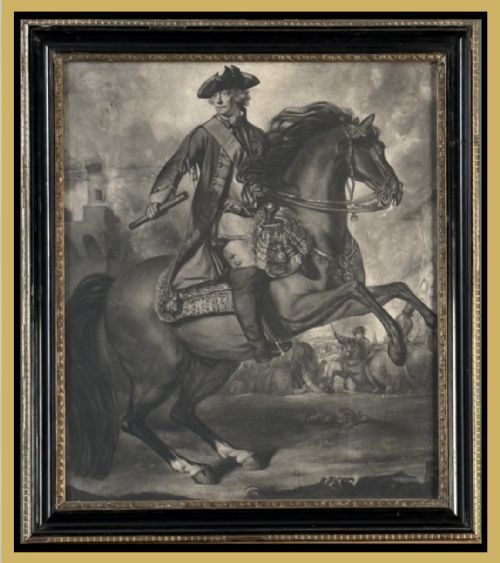
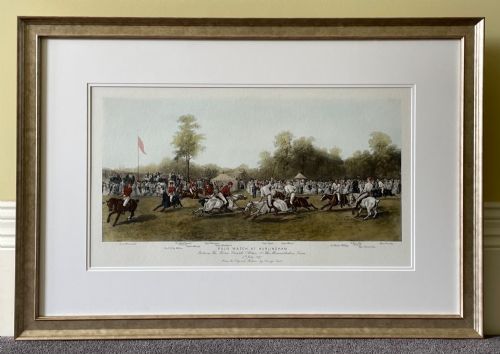
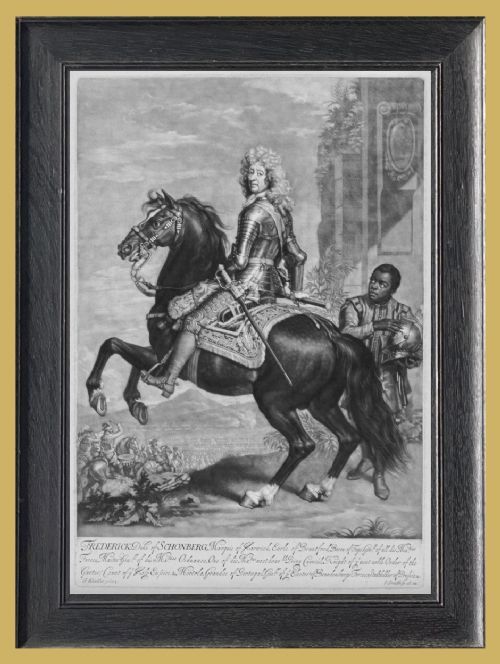
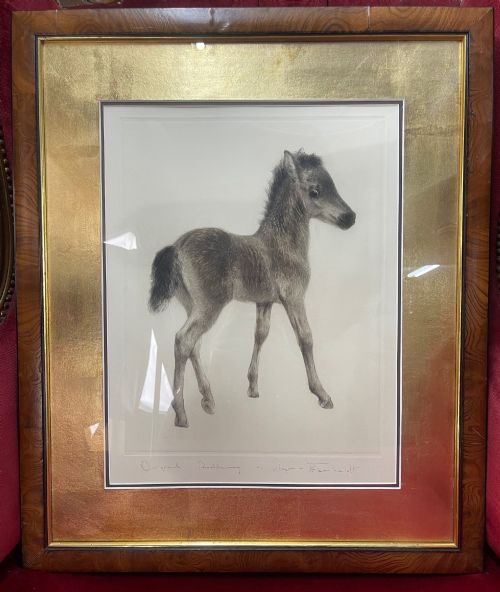
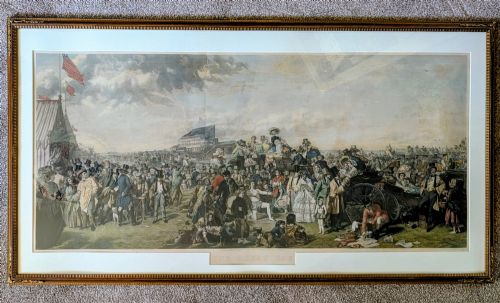
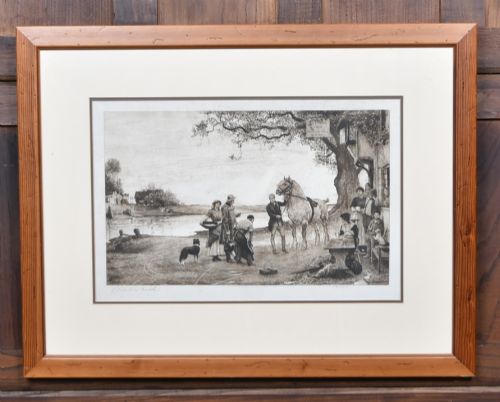
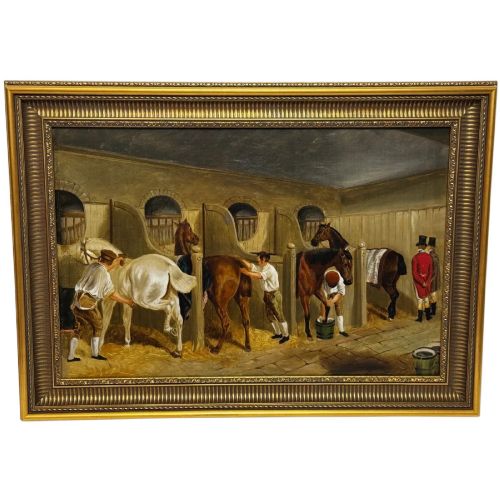
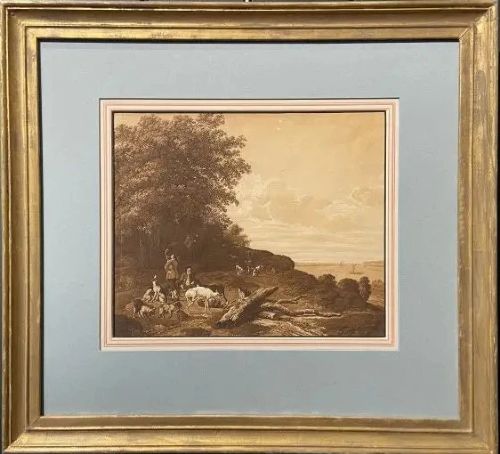
Equestrian art prints bring the speed and power of horses into a room through historic engravings, lithographs, and etchings.
Equestrian Art Prints
Equestrian art prints capture the long history of horses in sport, racing, and field pursuits across multiple centuries. Buyers searching for equestrian art prints encounter a diverse selection ranging from nineteenth-century lithographs and hand-coloured engravings to early twentieth-century etchings.
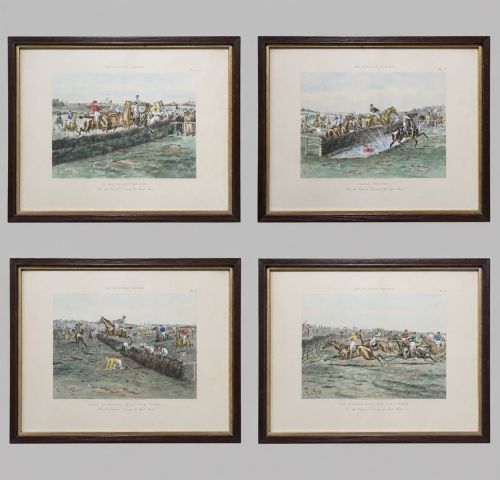
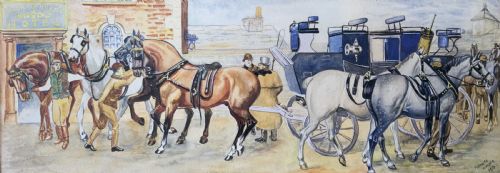
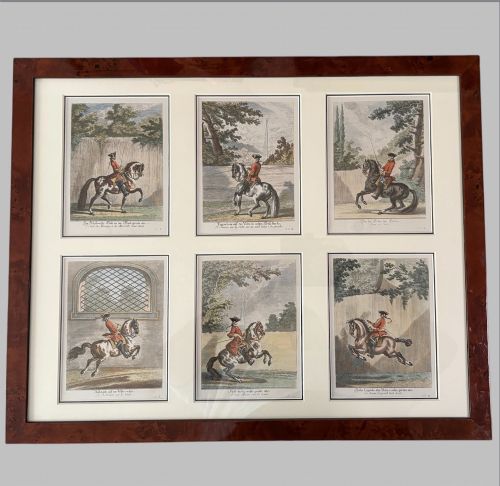
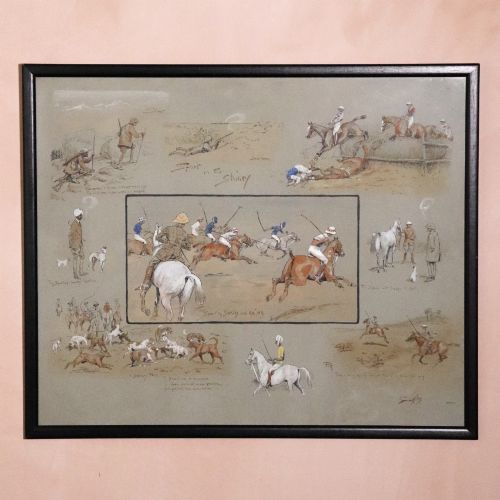
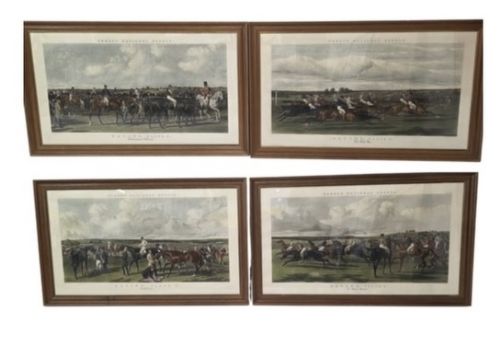
The material forms on this page span framed prints, wall art, and watercolours housed in wood, gilt, or glass frames. Nineteenth-century sporting plates and twentieth-century polo scenes dominate the visual record available to collectors.
How they were made
Makers utilised paper as the primary support for copperplate engravings, aquatints, and lithographic stones. Ink and watercolour frequently supplied the colour, either applied by hand across printed lines or laid directly onto the sheet.
Framing materials such as oak, gilt wood, and glass protected these fragile works from moisture and handling. Many pieces combine printed line work with wash techniques to define the musculature of horses and riders.
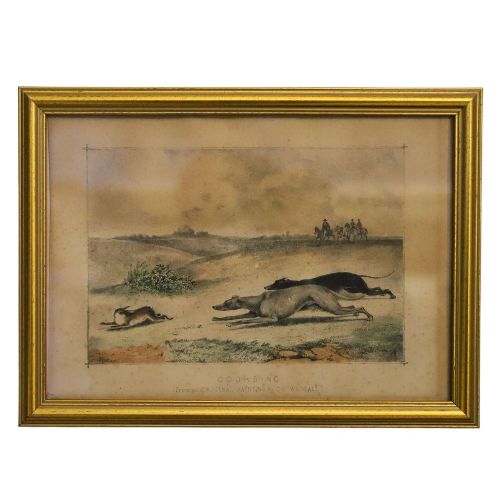
Several artists captured the chaotic energy of nineteenth-century coursing and rural steeplechases where riders frequently parted company with their mounts.
What varies in quality
The sharpness of the impression on paper dictates the fidelity of line in engravings and etchings, where worn plates yield blurred contours. Hand-coloured plates differ in the subtlety of pigment application and the preservation of original tones.
The condition of the surrounding mount and frame influences the overall presentation of antique works on paper. Stronger examples retain crisp signatures and clean paper grounds free from heavy fading.
Edward Fisher·John Smith·Kurt Meyer-Eberhardt·Robert W Macbeth·George Finch Mason·C H Weigall·John Alfred Wheeler·Edwin Henry Landseer·Dame Laura Knight·John Frederick Herring Snr·Herbert Dicksee·John Rattenbury Skeaping·Anne Goldthwaite·Gabriel Dauchot·Abraham Cooper·Charles Faulkner·Alfred Wheeler
The Equestrian Art Prints Glossary
- Aquatint
- An intaglio printmaking technique that produces tonal areas resembling watercolour washes. It was frequently used in sporting scenes to render atmospheric backgrounds.
- Drypoint
- A printmaking process where an image is scratched directly onto a metal plate with a sharp needle. This method creates characteristic soft, velvety burrs along the printed lines.
- Lithograph
- A planographic printing method based on the chemical repulsion of oil and water. Artists drew directly onto limestone blocks to produce detailed pictorial runs.
- Mezzotint
- A tonal printmaking method where the copper plate is roughened uniformly to achieve deep darks and gradual highlights. Publishers often employed it for large historical portraits.
- Chromolithograph
- A multicoloured lithographic print created using a separate stone for each ink colour. It allowed commercial publishers to reproduce painted works with high chromatic fidelity.
Equestrian Art Prints: Frequently Asked Questions
How do I care for antique prints?
Keep works on paper away from direct sunlight to prevent the fading of ink and watercolour pigments. Maintain stable indoor humidity levels to protect both the paper support and the wooden frames.
Ensure that framing uses acid-free backing boards to avoid chemical degradation over time. Professional framing conservation preserves the structural integrity of older pieces.
What subjects appear in these works?
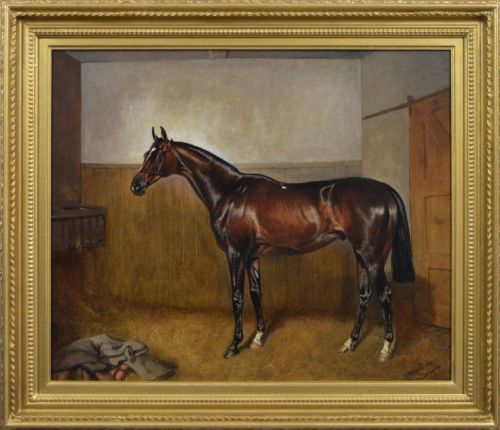
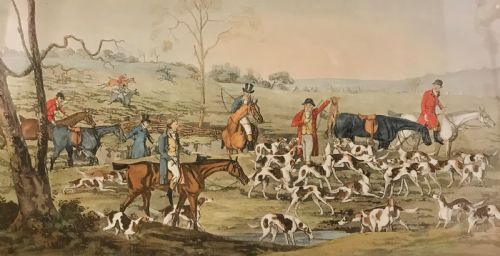
The imagery centres on horse racing, fox hunting, polo matches, and rural field sports. Individual horse portraits and studies of hounds also feature prominently across the centuries.
Artists documented both competitive sporting events and quiet pastoral moments involving horses and riders. These scenes reflect changing social attitudes toward sport and animal husbandry.
Are these works original antique pieces?
The selections include original period prints, etchings, and watercolours produced across the nineteenth and twentieth centuries. Many bear contemporary signatures or publication dates recorded on the sheet.
Techniques such as hand-colouring and drypoint mark these items as genuine period productions rather than modern digital reproductions. Each medium carries the physical characteristics of its era's printing technology.
How do I identify the printing technique?
Examine the surface under a magnifying glass to check for the dotted patterns of modern printing or the solid ink lines of intaglio plates. Engravings and etchings show a distinct indented plate mark where the metal press met the damp paper.
Lithographs present flat colour areas without plate impressions, while watercolours display brush texture directly on the paper surface. Understanding these physical markers clarifies how a specific work was produced.