






Victorian Frame
When you search for a victorian frame, you encounter the moulded, carved, and gilded surrounds that house nineteenth-century art and mirrors.
Victorian Frame
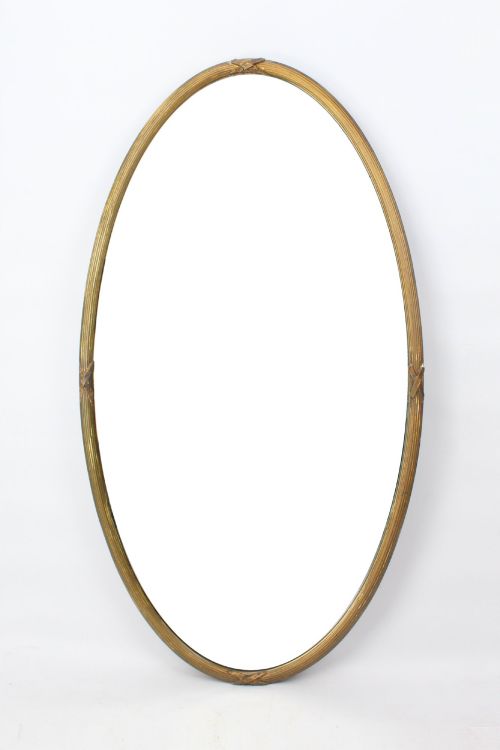
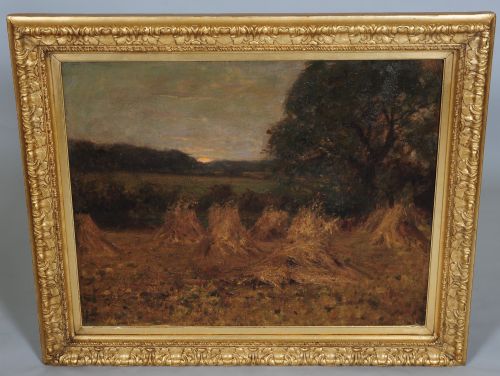
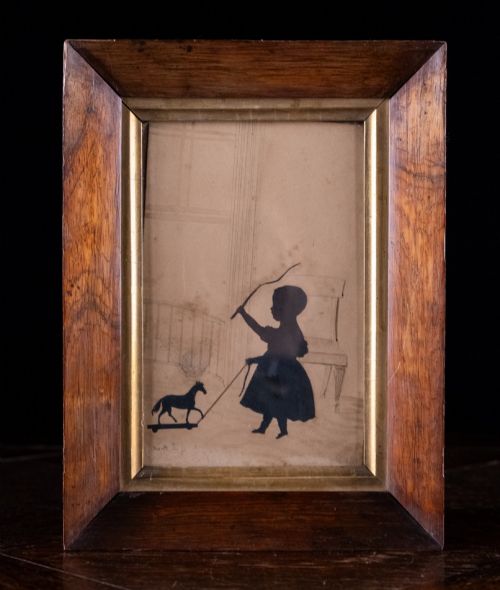
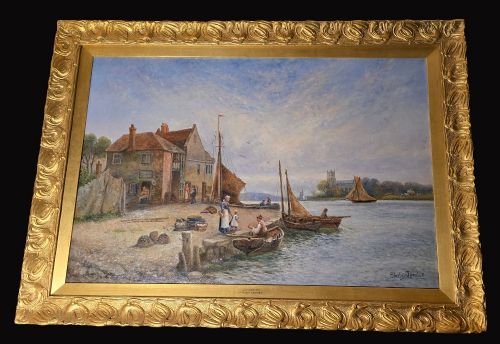
A victorian frame most frequently appears as a wall mirror, overmantel mirror, or picture frame designed to house oil paintings and watercolours. The selections span the nineteenth century, including pieces dated to the Victorian period, 1850, 1870, 1880, 1890, and the early twentieth century.
Makers and framers utilised specific profiles, ranging from deep fluted hollows to elaborate crests on arched wall mirrors. Forms include circular walnut surrounds, large gilt arch top overmantels, and carved wood profiles.
The objects serve primarily to frame canvases, watercolours, and glass plates, carrying the decorative vocabulary of nineteenth-century European and British interior design. Buyers find both standalone picture surrounds and large architectural mirrors intended for the mantelpiece.
Materials and construction
Makers constructed the foundational structure using solid timber, notably oak, walnut, and mahogany, shaped into rebate-cut mouldings for glass and canvas. Carved wood forms provided the structural rigidity required for heavy wall hangings and overmantels.
Surface ornamentation relied on gesso applied over timber bases, serving as the receptive layer for gilding. Artisans built up deep hollows and fluted profiles using this plaster-like medium before applying leaf.
Giltwood and brass hardware supplied the metallic finish characteristic of the period. Gilded surfaces catch light across elaborate crests, while secondary woods support the primary decorative face.
Victorian Frame Retail Price Guide 2026
Typical asking prices for victorian frame among the pieces listed under this phrase on Sellingantiques today, from the lower quarter to the upper quarter. They describe what is for sale here now, not the wider market.
Listings feature items dated across the nineteenth century, including 1850, 1870, 1880, 1890, and 1900.
Judging quality in frames
The depth and crispness of the carved wood and gesso ornamentation dictate the tier of a piece. Deeply undercut foliage and sharply defined fluting separate individually modelled work from mass-produced mouldings.
The integrity of the gilding and the gesso ground beneath it determines visual depth. Intact leaf layers showing original burnishing outclass later over-painting or flaking surfaces.
Structural joinery at the mitres dictates longevity. Well-halved or keyed corner joints maintain squareness under the heavy weight of large glass plates and canvas stretches.
Hoskins & Sewell
The Victorian Frame Glossary
- Gesso
- A mixture of plaster of Paris and glue binder applied to wood to create a smooth surface for gilding. It allows artisans to carve fine decorative relief before applying metal leaf.
- Giltwood
- Timber covered with a thin layer of gold leaf. This material defines the reflective surfaces of nineteenth-century decorative mirrors.
- Overmantel
- A large mirror designed to hang directly above a fireplace mantelpiece. These pieces often feature elaborate crests and arched glass.
- Rebate
- The recessed groove cut into the back inner edge of a frame to receive glass, canvas, or panel. It secures the artwork safely within the moulding.
Victorian Frame: Frequently Asked Questions
How do I hang a heavy overmantel mirror?
Heavy overmantel mirrors require secure fixing directly into wall studs or masonry using appropriate brackets. The substantial weight of nineteenth-century timber and glass demands professional wall anchors rather than standard picture hooks.
Ensure the hanging wire or integrated metal rings match the load capacity of the frame. Distributing the weight evenly prevents warping of the wooden structure over time.
What is the difference between gesso and carved wood?
Carved wood forms the structural timber core of the frame, shaped directly using cutting tools. Gesso is a plaster-like compound applied over the wood to build up raised decorative details.
Ornate patterns on nineteenth-century surrounds are typically moulded in gesso rather than carved entirely from the solid base timber. This combination allowed makers to achieve intricate relief work efficiently.
How should I clean a gilded frame?
Dust gilded surfaces gently with a soft, dry brush or feather duster. Avoid applying moisture, chemical cleaners, or abrasive cloths, which can strip away the delicate gold leaf and expose the gesso beneath.
Water can soften the gesso ground and cause irreversible cracking or flaking. Professional conservation is recommended for deeply soiled or damaged gilt surfaces.