

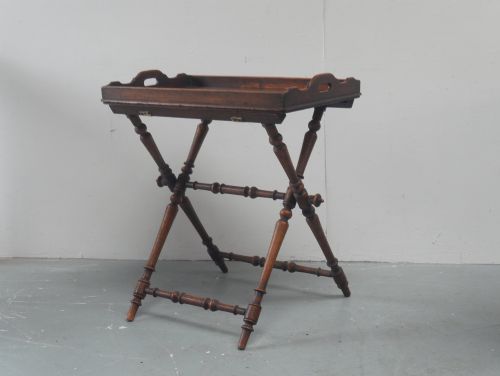
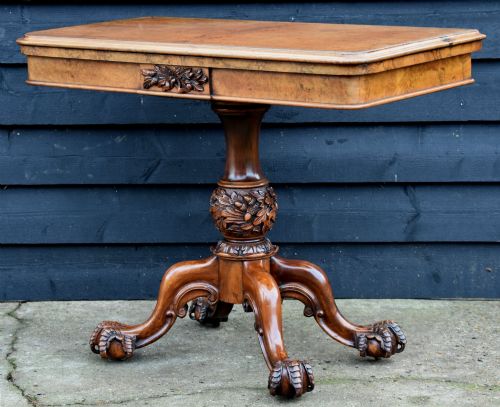
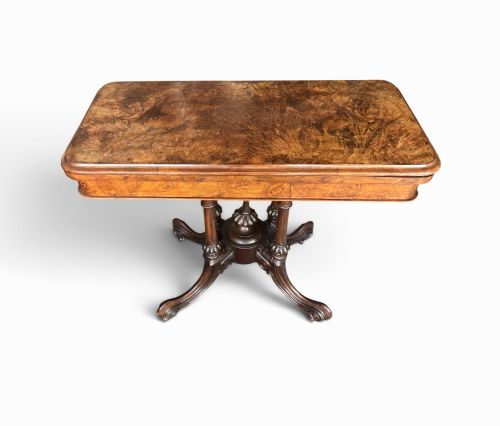
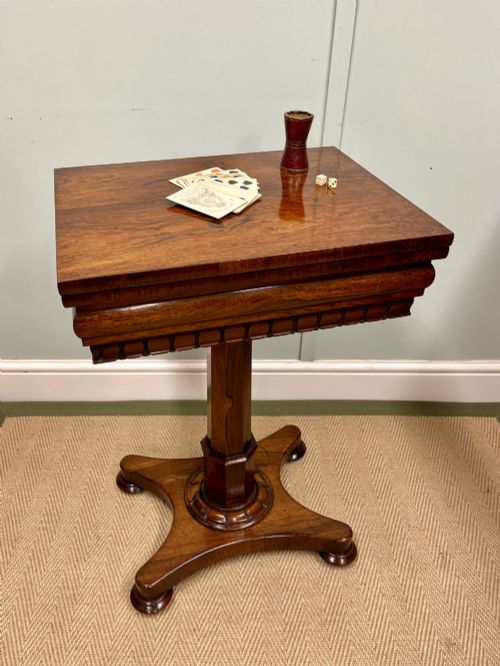
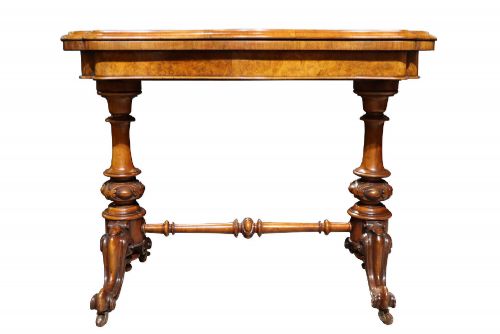
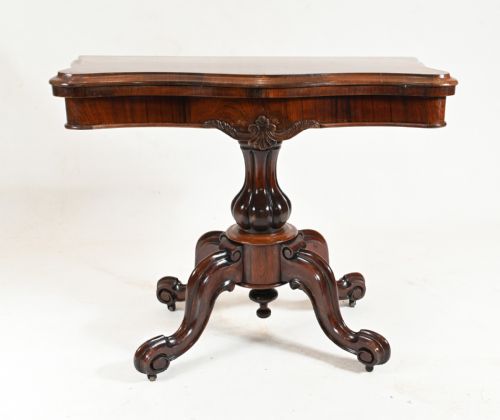
Victorian Fold Top Table
When you search for a victorian fold top table, you are looking at clever timber mechanics designed to double a surface in seconds.
Victorian Fold Top Table
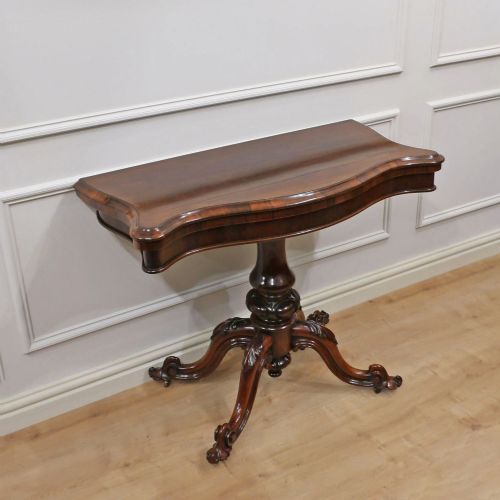
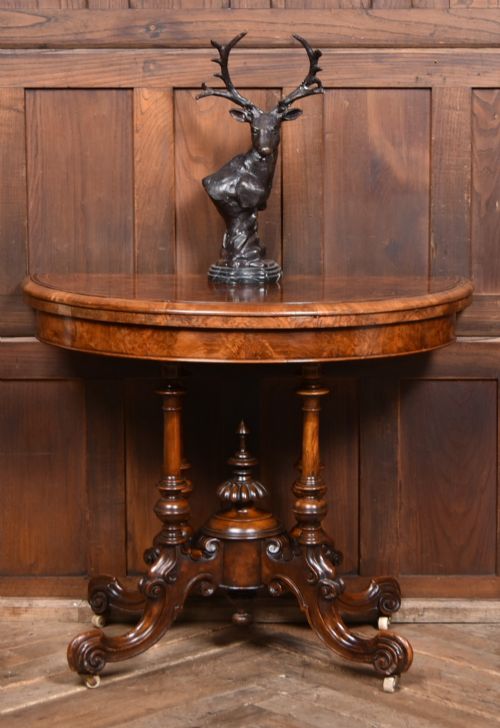
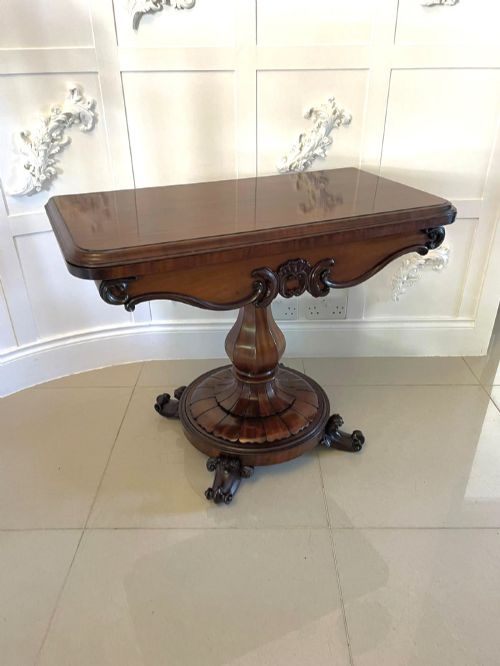
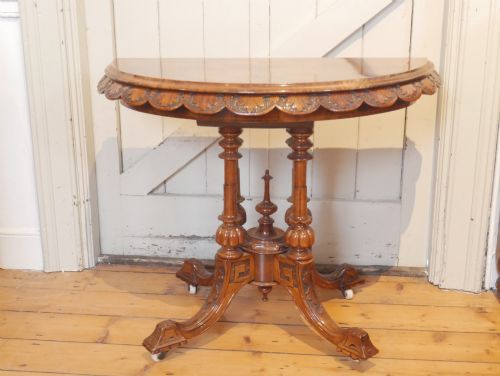
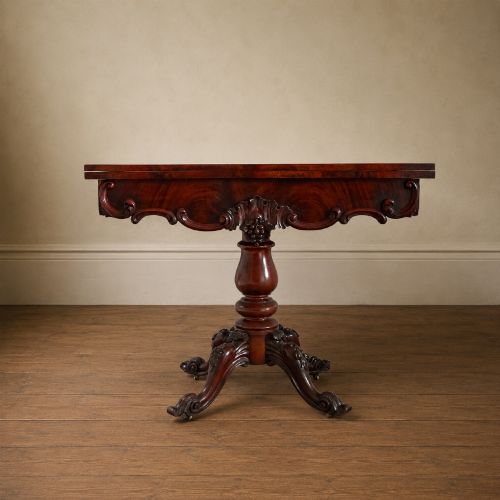
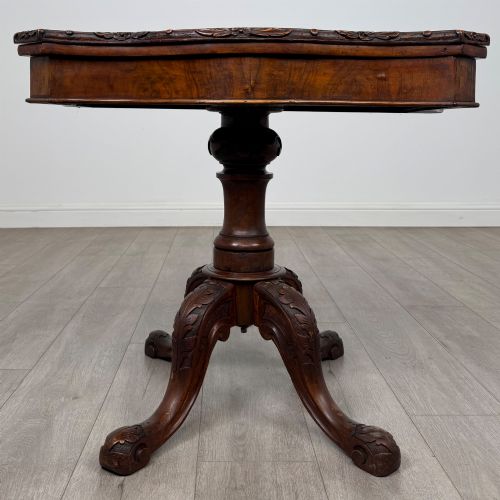
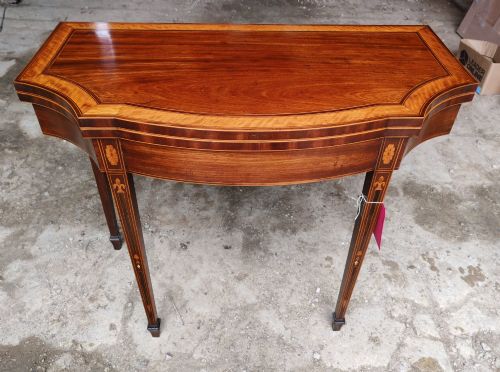
The evidence shows these tables emerging across the Victorian period, alongside earlier Regency influences and later revivals spanning from eighteen-forty into the early twentieth century. Makers of the era constructed them as demi-lune, rectangular or envelope shapes, often incorporating hidden wells for counters or supported by carved pedestals and folding legs.
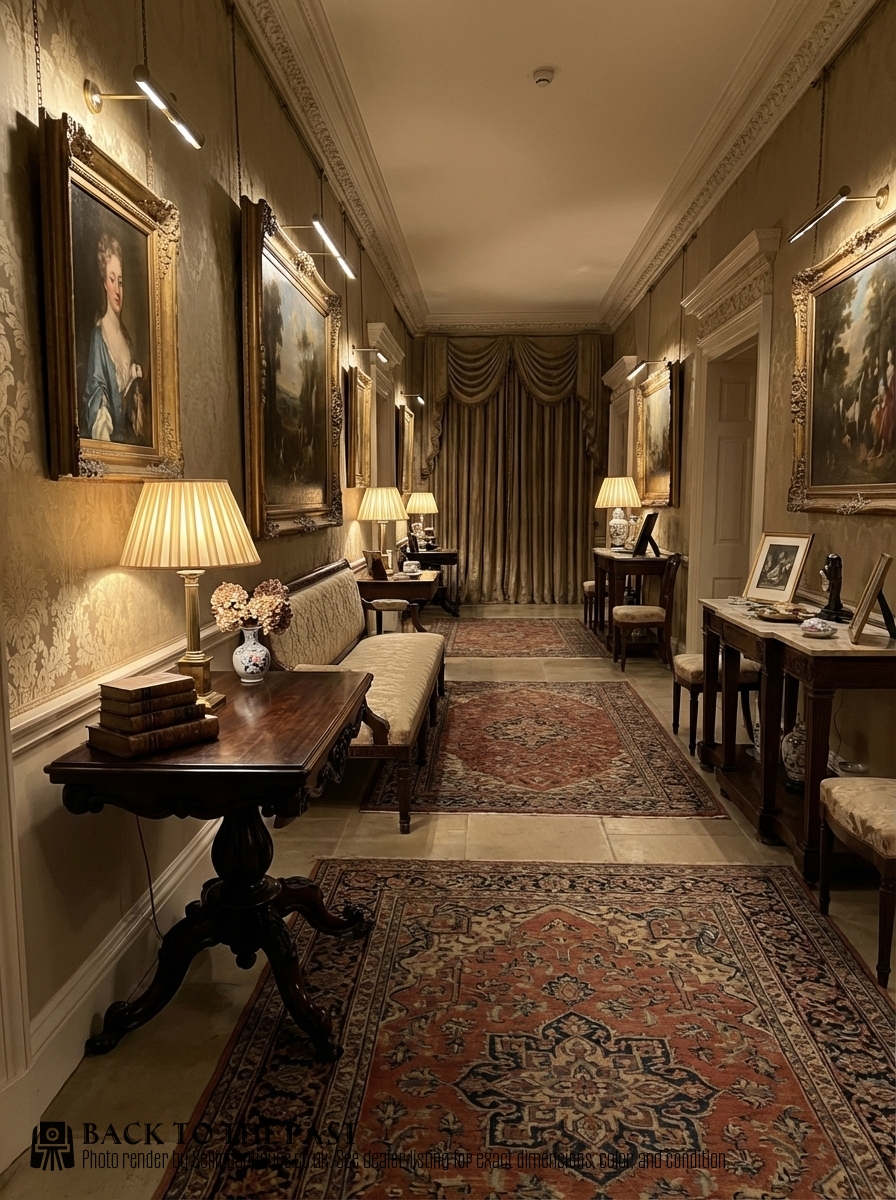
How they were made
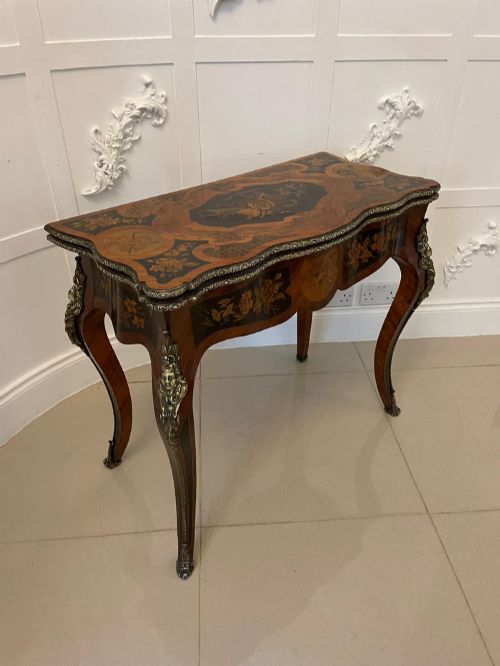
Makers relied heavily on dense hardwoods, constructing carcasses and tops in mahogany, walnut and rosewood, frequently accented with figured burr walnut veneers. Timber selection was central to the aesthetic, paired with intricate wood inlay, floral marquetry and satinwood banding to catch the light.
Structural integrity depended on turning, carving and pivoting mechanisms that allowed the heavy tops to swing or fold smoothly without sagging. Brass hinges, brass castors and occasional ormolu mounts provided the functional joints and decorative hardware necessary for daily manipulation.
Victorian Fold Top Table Retail Price Guide 2026
Typical asking prices for victorian fold top table among the pieces listed under this phrase on Sellingantiques today, from the lower quarter to the upper quarter. They describe what is for sale here now, not the wider market.
Listings feature walnut, mahogany, and rosewood timbers across Victorian, Regency, and Arts and Crafts styles.
What varies in quality
Quality separates ordinary utility pieces from exceptional ones through the crispness of the hand-carved supports, the depth of the figured timber grain, and the precision of the marquetry inlay. The top tier exhibits flawless alignment when closed and rigid stability when open, with harmonious proportions rather than clumsy joinery.
Makers who invested time in secondary timbers, refined brass hardware and sophisticated swivel mechanisms produced pieces that survived centuries of use while retaining tight joints and unwarped tops.
Edwards & Roberts
The Victorian Fold Top Table Glossary
- Fold-over
- A table top hinged in the middle so that one half flips open to rest upon a matching leaf, doubling the surface area.
- Marquetry
- Decorative veneer work arranged in pictorial or geometric patterns using various coloured woods.
- Demi-lune
- Half-moon shaped, describing tables with a curved front and flat back designed to stand flush against a wall.
- Swivel top
- A mechanism allowing the folded table top to rotate ninety degrees before opening, revealing a concealed compartment beneath.
Victorian Fold Top Table: Frequently Asked Questions
What is a fold top table?
A fold top table is a nineteenth-century furniture form with a hinged or pivoting surface that opens to reveal a larger area for dining, tea, or card games.
When closed, the piece functions as a compact console, side, or hall table against a wall.
How were games tables used?
These tables served as the social hub for evening entertainment, providing a stable surface for card games, chess, and social gathering in Victorian drawing rooms.
Many incorporate lined interiors of baize or felt, alongside internal wells to store gaming counters and cards.
How do I date a Victorian table?
Dating relies on observing stylistic markers, timber choices, and mechanical complexity, moving from early nineteenth-century Regency influences through mid-century burr walnut to later Sheraton revivals.
Construction methods, such as the type of hinges and the cut of the secondary timbers underneath, also provide clear clues to the decade of manufacture.
Where should I place one?
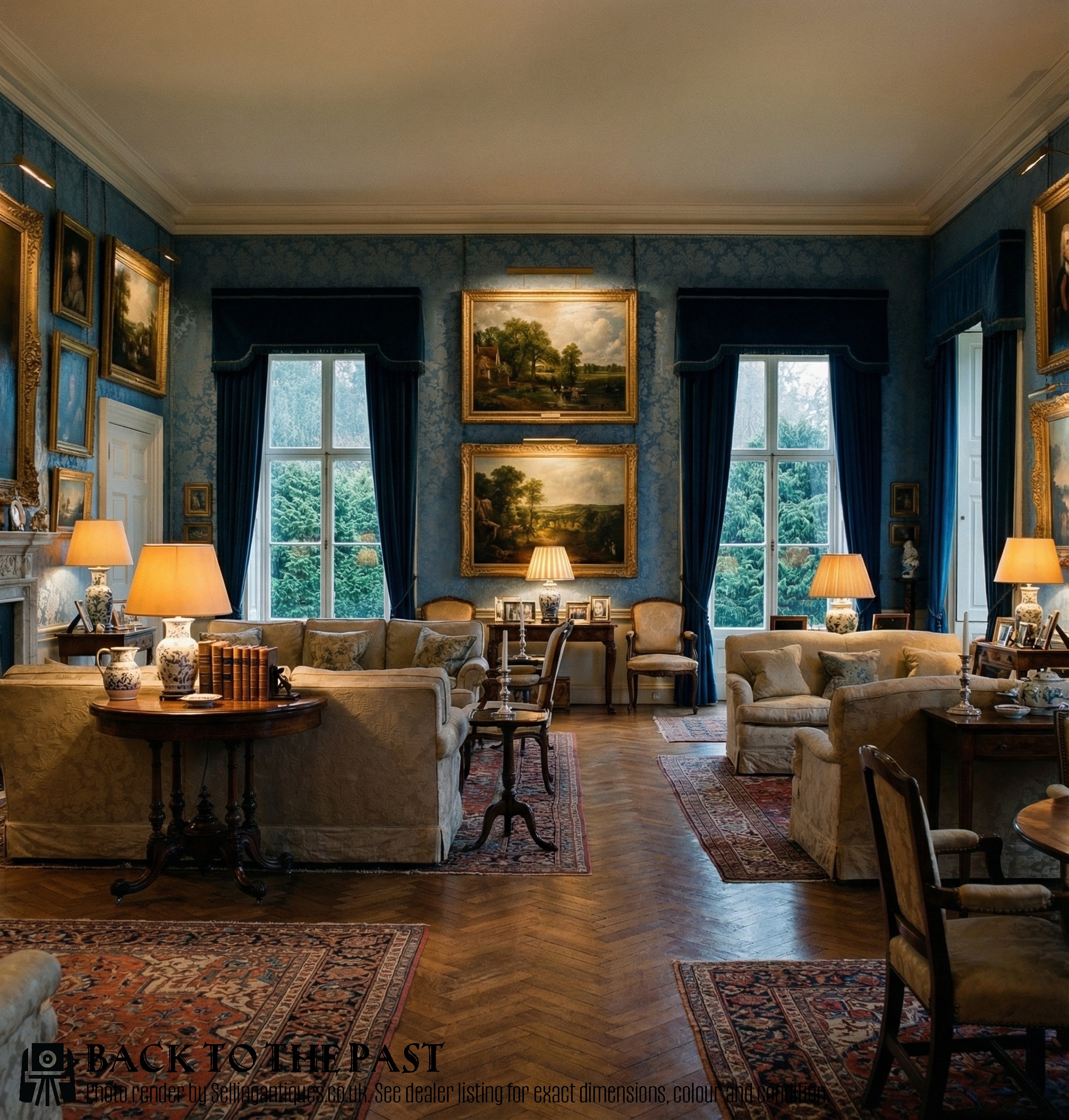
These tables suit hallways, living rooms, and landings where a shallow profile is required during daily routines.
They pull out easily into the middle of a room whenever extra surface space or a game is needed.