
Victorian Flower Painting
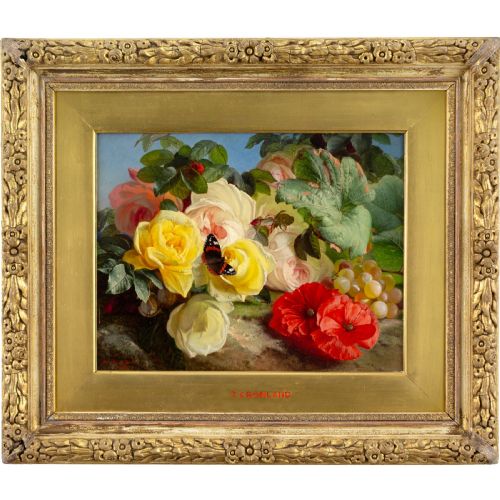
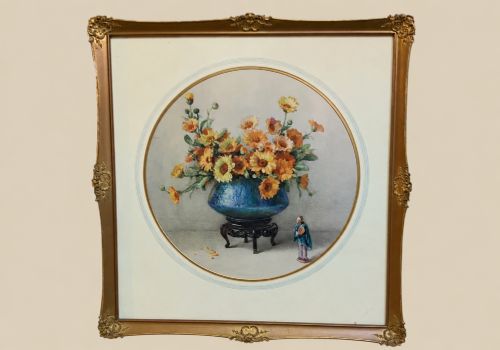
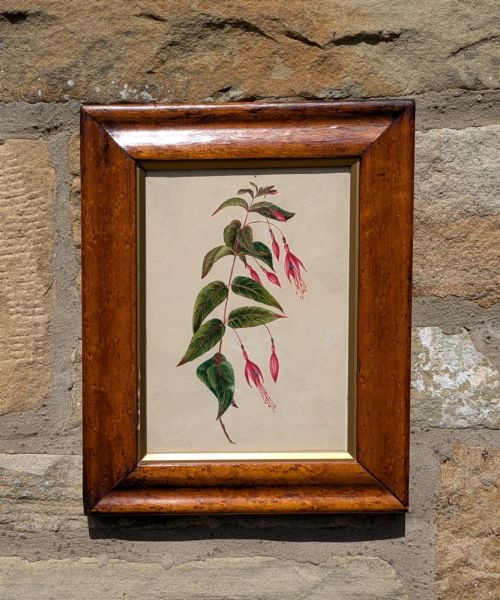
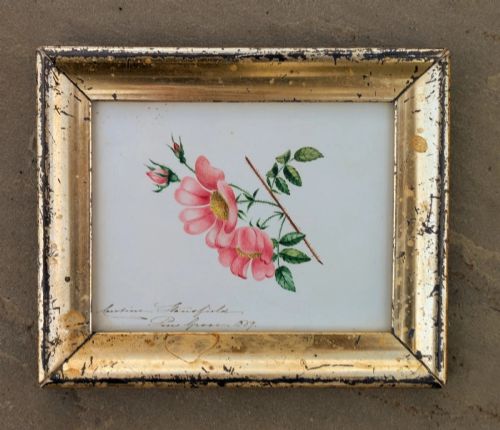
Victorian flower painting captures the delicate beauty of 19th-century flora through skilled hand-painted oils and detailed watercolours on paper and canvas.
Victorian Flower Painting
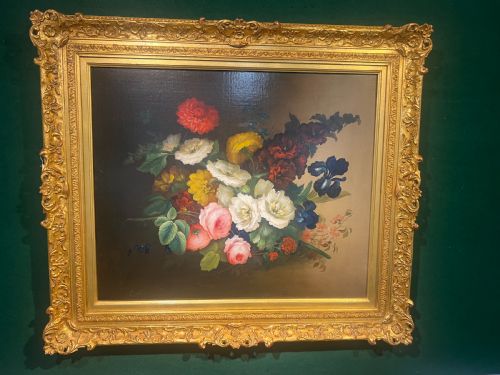
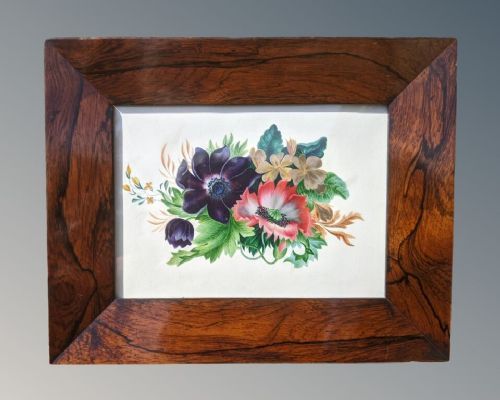
Victorian flower painting encompasses a wide variety of botanical still lifes, garden scenes, and floral watercolours produced throughout the nineteenth century. Buyers searching for this phrase encounter framed artworks, oil paintings, and delicate botanical watercolours created by period artists.
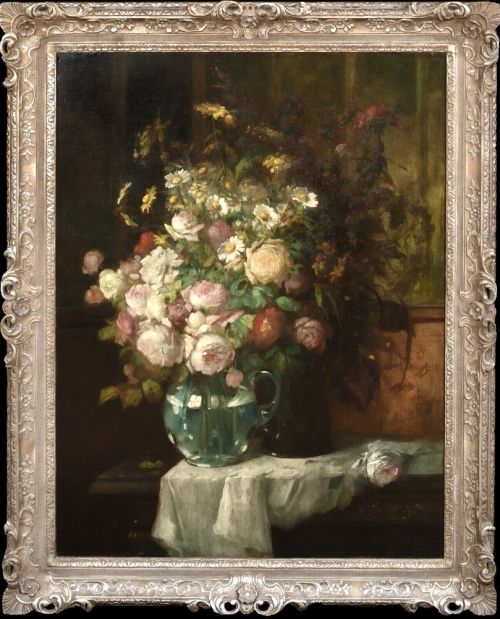
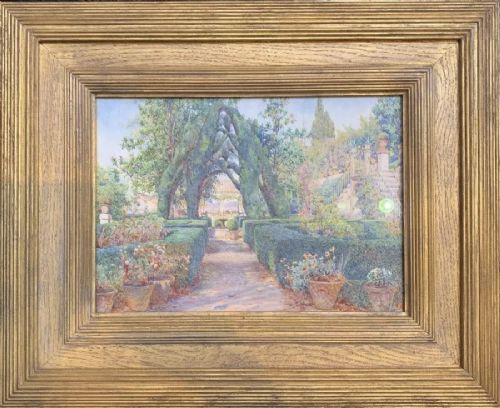
The most common versions on this page are framed watercolours and oil paintings depicting roses, still lifes, and garden landscapes. These pieces reflect the period fascination with naturalism, botany, and domestic floral display.
Materials and Techniques
Artists primarily used oil paint on canvas or watercolour and gouache on paper to achieve depth and luminosity. Many works incorporate fine brushwork to capture the delicate petals of wild roses, peonies, and marigolds.
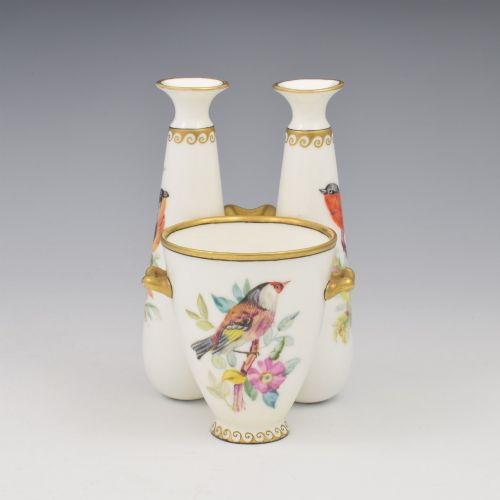
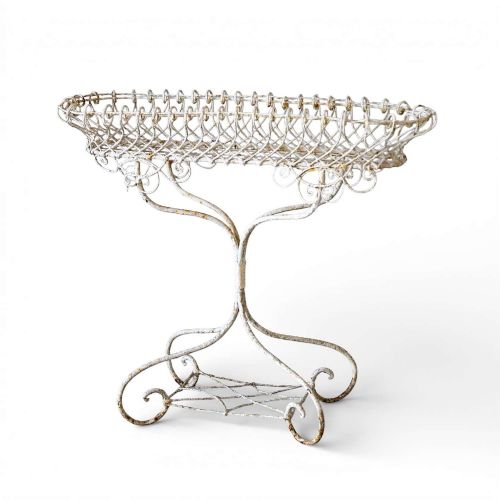
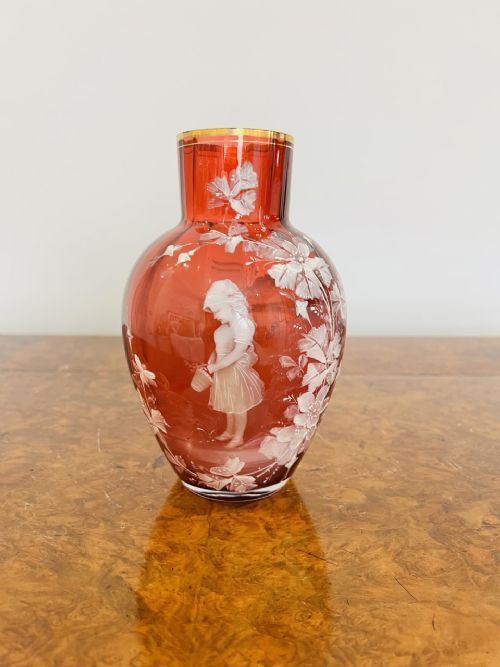
Materials represented in the archive and current listings span oil paint, watercolour, gouache, paper, porcelain, glass, and iron.
Assessing Quality and Execution
Quality in these paintings rests on the precision of botanical detail and the natural rendering of light and shadow across the petals. Superior examples demonstrate a confident handling of the medium, whether in fluid watercolour washes or rich oil impasto.
The sophistication of the composition and the condition of the paper or canvas further distinguish finer works. Stronger pieces retain vibrant pigments without excessive fading or discoloration from age.
Theude Grönland·Konstantin Stoitzner·Ernest Arthur Rowe·Edwin Steele·Catherine Thomas·Alice Anne Renshaw·Gertrude Hayes·Harry Wanless·Henrietta Creswell·Edward Ladell·Lester Sutcliffe·Eloise Harriet Stannard
The Victorian Flower Painting Glossary
- Watercolour
- A paint consisting of pigment suspended in a water-based solution, frequently used on paper for delicate botanical studies.
- Gouache
- An opaque watercolour paint that provides heavier coverage and brighter highlights in floral compositions.
- Still life
- A work of art depicting mostly inanimate subject matter, typically commonplace objects or arrangements of cut flowers in a bowl or vase.
- Botanical
- Pertaining to the scientific study or precise artistic illustration of plants and flowers.
Victorian Flower Painting: Frequently Asked Questions
How should I care for a nineteenth-century watercolour?
Keep watercolours away from direct sunlight to prevent the pigments from fading over time. Display them in rooms with stable humidity and professional framing behind glass.
Avoid hanging paper artworks in damp environments or areas subject to extreme temperature fluctuations. Proper conservation framing protects the fragile paper base from moisture and environmental damage.
What is the difference between oil and watercolour floral paintings?
Oil paintings utilise slow-drying pigments suspended in oil on canvas or wood panels, offering rich textures and deep colour saturation. Watercolours use water-soluble pigments on paper, creating a lighter, more translucent effect.
Oils generally require less fragile framing without glass, whereas watercolours must be protected behind glass to prevent surface abrasion and paper degradation.
Did Victorian artists paint flowers from life?
Many nineteenth-century painters arranged freshly cut blooms in bowls and vases within the studio to study directly from life. This practice allowed artists to capture accurate lighting, texture, and natural wilting processes.
Botanical illustrators also worked closely with preserved specimens or live plants grown in greenhouses and gardens. This direct observation explains the high level of botanical accuracy seen in period works.
How do I identify the period of a floral painting?
Examine the materials, stretcher bars, framing style, and paper types for characteristics typical of the nineteenth century. Handwritten signatures, artist biographies, and period dates inscribed on the reverse provide definitive evidence.
Stylistic movements such as realism, impressionism, and the aesthetic movement also help narrow the specific decade of creation. Comparing the technique to documented works by known makers confirms the era.