




Victorian Floral Porcelain Jug
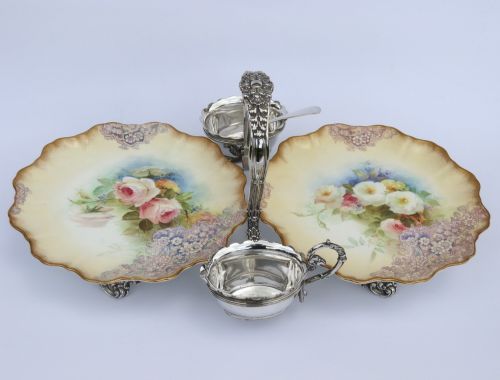
These pieces are a victorian floral porcelain jug, offering hand-painted botanical motifs and fine ceramic forms that collectors prize for their intricate nineteenth-century craftsmanship.
Victorian Floral Porcelain Jug
When searching for a victorian floral porcelain jug, buyers encounter a diverse range of nineteenth-century and early twentieth-century ceramic forms, including ewers, pitchers, and complete washstand sets. These domestic and decorative items originate from periods spanning the Victorian era through to the early twentieth century.
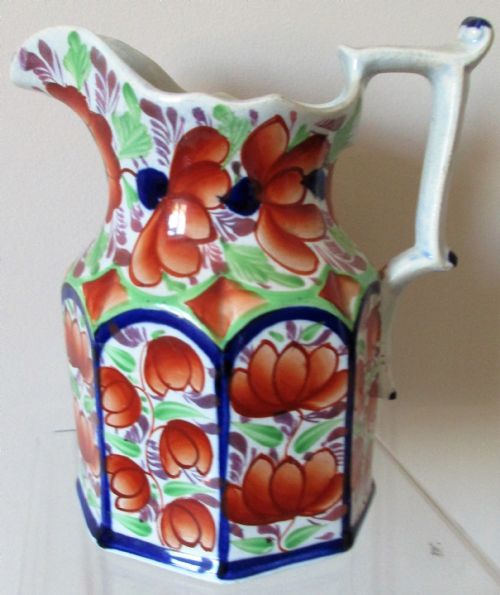
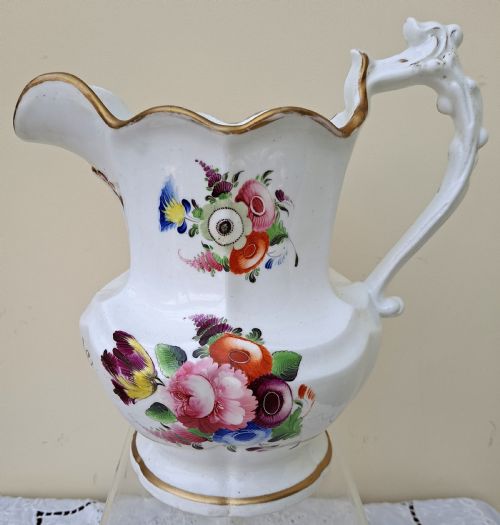
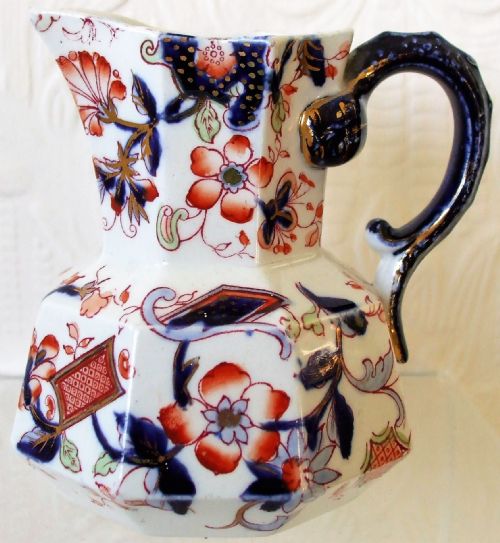
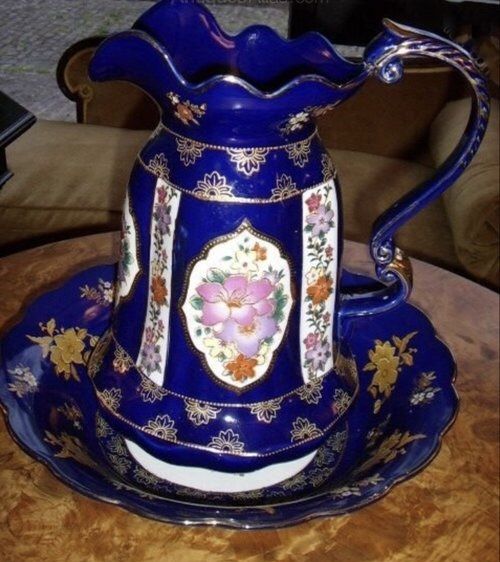
The objects take various shapes, from the classic Hydra profile and cleft jugs to large decorative ewers and miniature sets. Floral and botanical designs dominate the surface decoration, frequently accompanied by hand-painted details and gilt accents.
Most examples hail from established English makers and potteries working in styles that range from traditional Victorian decorative to Aesthetic Movement and Persian influences. Buyers are most likely to meet utilitarian milk jugs alongside grander decorative pitchers intended for display.
Materials and construction techniques
The primary material is ceramic porcelain or earthenware, shaped into jugs and ewers and finished with smooth glazes. Potters applied detailed flower designs using hand-painted pigments and enamels directly onto the ceramic body.
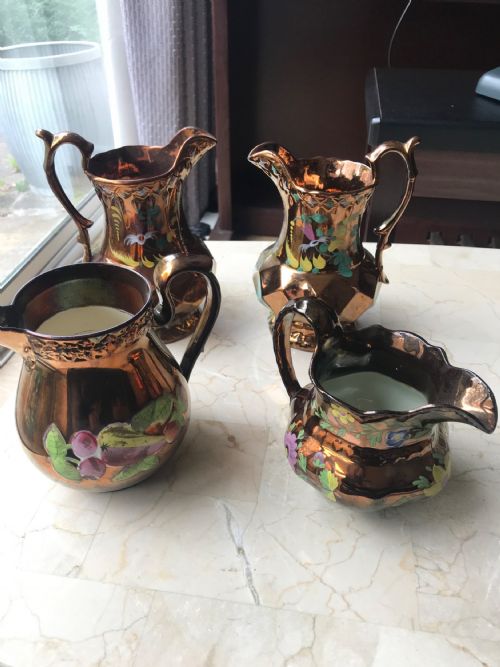
Many pieces incorporate gold leaf, gilding, and copper lustre to highlight handles, rims, and floral motifs. Firing techniques allowed for rich cobalt blue glazes and blush ivory finishes to set the background for the painted flora.
Victorian Floral Porcelain Jug Retail Price Guide 2026
Typical asking prices for victorian floral porcelain jug among the pieces listed under this phrase on Sellingantiques today, from the lower quarter to the upper quarter. They describe what is for sale here now, not the wider market.
Miniature washstand sets prove that Victorian washdays occasionally came in pocket-sized editions for the most fastidious dollhouse enthusiast.
Distinctions in quality
Quality rests upon the precision of the hand-painting and the delicacy of the ceramic form, where finer pieces display intricate brushwork in floral details rather than stencilled transfers. The application of gold leaf and enamel work separates standard domestic ware from high-end decorative pieces.
The reputation of the pottery and the complexity of the shape - such as cleft bodies or Persian-influenced ewer designs - influence the standing of an item. Superior examples maintain crisp glaze integrity and well-preserved gilding without loss to the painted floral scenes.
Keeling and Co·John Baley·Walker and Hall·Doulton Burslem·Royal Worcester
The Victorian Floral Porcelain Jug Glossary
- Ewer
- A large decorative jug with a wide spout and a looped handle, often used historically for water or as an ornamental display piece.
- Hydra jug
- A specific ceramic jug shape featuring a distinctive moulded handle and rim configuration associated with nineteenth-century English potteries.
- Blush ivory
- A matte cream-coloured ceramic ground developed by Royal Worcester, typically decorated with soft-toned floral paintings and gilt highlights.
- Copper lustre
- A metallic glaze technique that imparts a reflective, coppery sheen to the surface of earthenware and porcelain vessels.
- Gilding
- The application of gold leaf or gold paint to ceramic rims, handles, and decorative motifs for an opulent finish.
Victorian Floral Porcelain Jug: Frequently Asked Questions
What is a ewer used for?
Historically, ewers served practical functions on washstands for holding water or stood in dining settings for pouring liquids. Over time, many evolved into purely decorative cabinet pieces.
Today, collectors appreciate them for their sculptural forms and intricate hand-painted floral decorations which anchor a room's aesthetic.
How do I identify a Victorian jug?
Victorian jugs typically feature characteristic nineteenth-century pottery marks, heavy porcelain bodies, and decorative styles ranging from rococo revival to aesthetic movement influences. Hand-painted floral motifs and gilding are common markers of this era.
Examining the base for maker stamps and understanding the stylistic evolution from early Victorian to Edwardian helps pinpoint the exact period.
Are washstand sets still usable?
Complete washstand sets comprise large jugs and matching basins that were once essential bedroom furniture items before modern indoor plumbing arrived. They function wonderfully today as decorative plant holders or standalone display centrepieces.
Living with them involves placing them safely on sturdy surfaces where their floral porcelain designs can be admired without daily wear.
What is blush ivory porcelain?
Blush ivory refers to a soft, creamy matte ceramic finish perfected by nineteenth-century potteries like Royal Worcester. It provides a subtle background that enhances delicate hand-painted floral arrangements.
Pieces featuring this finish often include subtle gilding and remain highly sought after by porcelain collectors for their understated elegance.