


Victorian Floral Oil Painting
A victorian floral oil painting brings nineteenth-century botanical studies and still life compositions onto canvas, offering rich colour and traditional artistry for the home.
Victorian Floral Oil Painting
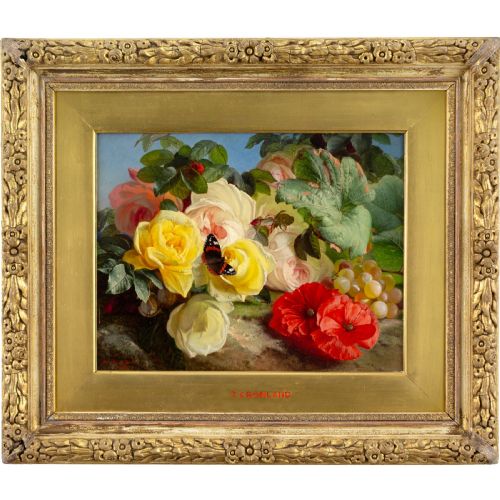
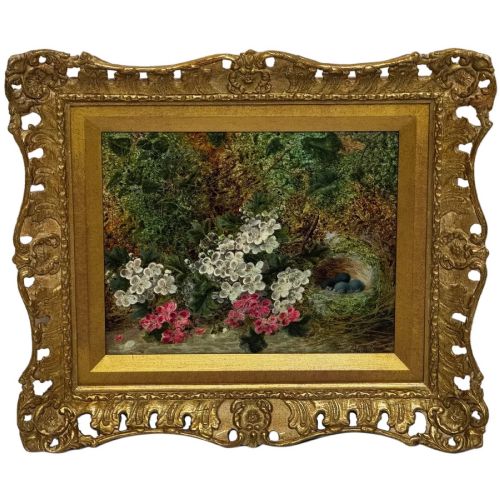
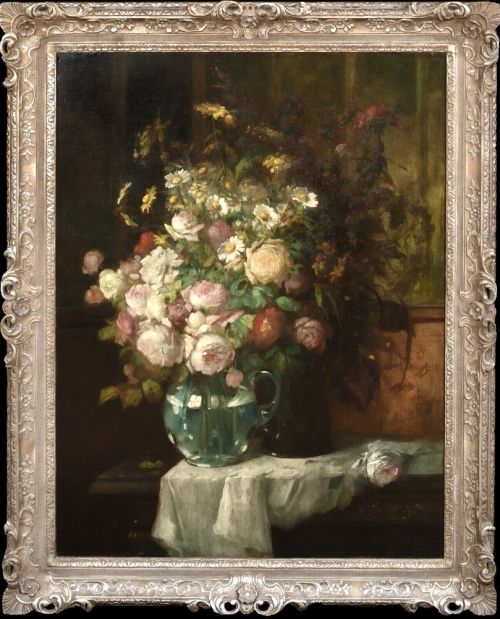
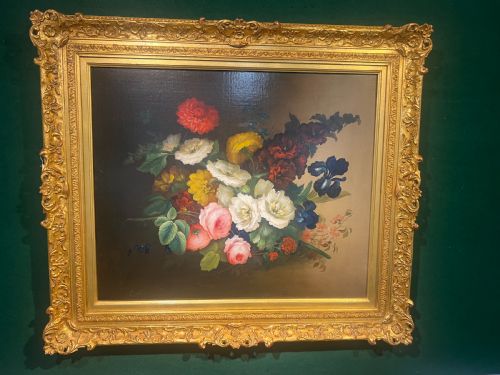
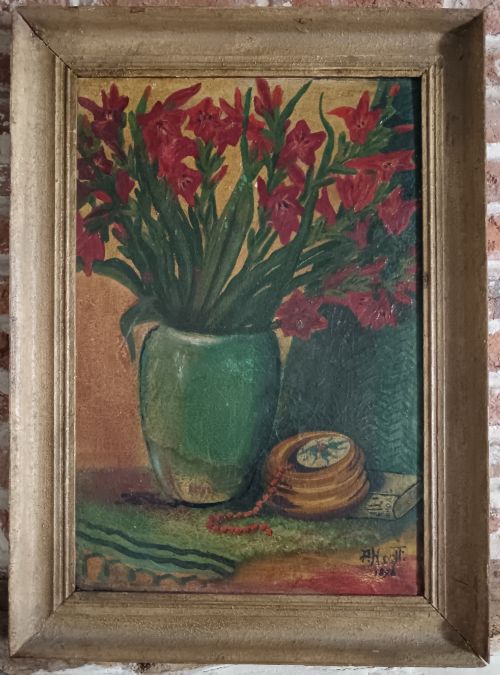
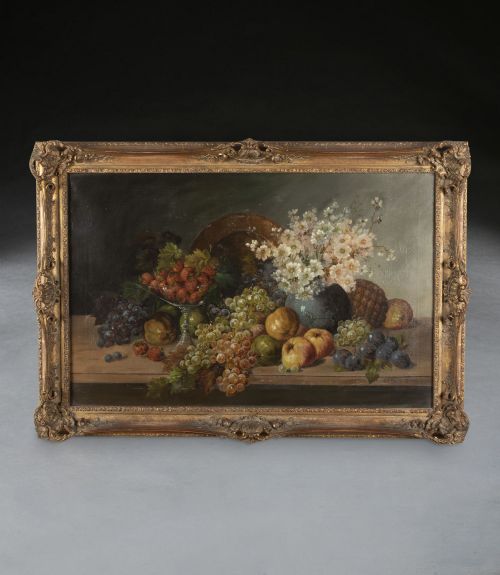
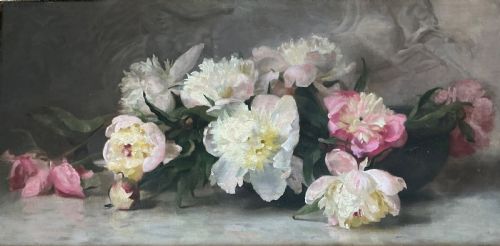
A victorian floral oil painting encompasses canvas works depicting roses, chrysanthemums, and mixed blooms, alongside pieces influenced by nineteenth-century realism and impressionism. These artworks range from detailed botanical studies to looser post-impressionist floral arrangements.
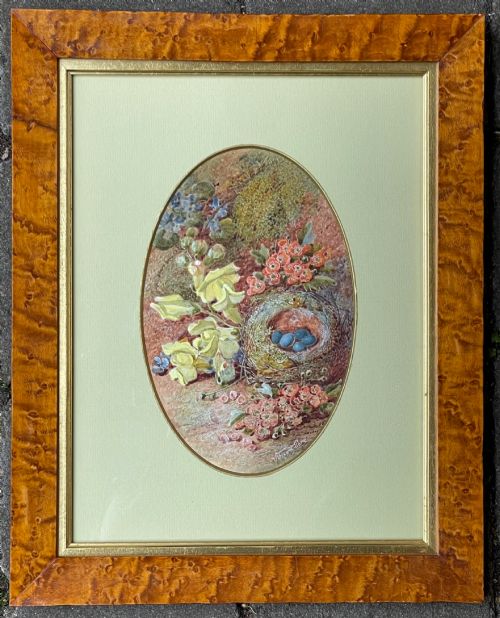
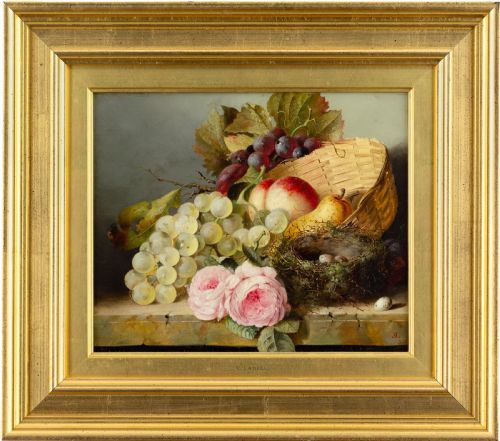
Buyers frequently encounter works featuring birds' nests, fruit, and wicker baskets alongside traditional flower groupings. The selection spans the Victorian period through to the early twentieth century, maintaining a strong focus on floral and natural subjects.
Materials and technique
Artists built these compositions using oil paint applied to canvas or wooden panels, often working within studios to capture delicate light and shadow on petals and foliage. The medium allowed for rich blending and depth, particularly in rendering the textures of roses, grapes, and ceramic vessels.
Frames typically utilised gilded wood or simple timber surrounds, protecting the painted surface while complementing the domestic interiors of the nineteenth and early twentieth centuries.
Listings feature works spanning from eighteen-fifty through to nineteen-fifty, executed in oil paint on canvas and panel.
Markers of distinction
Quality rests in the precision of brushwork, the balance of the composition, and the handling of light across natural forms like petals and leaves. Superior examples demonstrate a confident control of tone and colour that brings vitality to the subject matter.
The condition of the canvas and the preservation of the original paint layer heavily influence the integrity of the piece. Fine works retain their original vibrancy without heavy overpainting or structural compromise to the support.
Theude Grönland·Oliver Clare·Vincent Clare·Konstantin Stoitzner·Edward Ladell·Edwin Steele·Thomas Bromley Blacklock·Sir George Reid·James Stuart Park·Emily Selinger·Edgar Bundy·Ralph Hedley
The Victorian Floral Oil Painting Glossary
- Oil on Canvas
- A painting medium where pigments suspended in drying oils are applied to a stretched woven fabric support. This combination provides a flexible and durable surface favoured by artists for centuries.
- Gilded Wood
- Timber frames or decorative elements coated with a thin layer of gold leaf or metallic powder. This technique adds reflective warmth and finished presentation to period artworks.
- Still Life
- An artwork depicting inanimate subject matter, typically commonplace objects such as flowers, fruit, and baskets. These compositions allowed painters to focus entirely on arrangement, light, and colour harmony.
- Impressionism
- A nineteenth-century art movement characterised by relatively small, thin yet visible brush strokes and an emphasis on accurate depiction of light. It marked a shift away from rigid academic realism toward atmospheric effects.
Victorian Floral Oil Painting: Frequently Asked Questions
How do I care for an oil painting?
Keep the artwork away from direct sunlight and dramatic shifts in temperature or humidity to protect the canvas and paint layers. Dust the surface gently with a soft, dry brush without applying pressure.
Avoid using liquid cleaners or moisture on the painted surface. Professional conservation should be sought if the canvas requires cleaning or structural repair.
Where should I hang these paintings?
Select interior walls with stable environmental conditions, away from radiators, fireplaces, and moisture-prone areas like kitchens. Proper placement ensures the canvas and frame remain undamaged over time.
Position the artwork at eye level to best appreciate the detail of the brushwork and floral composition. Good ambient lighting enhances the colours without exposing the piece to harsh glare.
How are periods identified?
Examine the style of the brushwork, the framing techniques, and any signatures, dates, or inscriptions on the reverse of the canvas. Nineteenth-century pieces often reflect distinct academic or realist approaches to nature.
Cross-referencing the artist's working dates helps narrow down the timeline. Construction methods of the stretcher frames also offer clues regarding the age of the piece.
What subjects accompany the flowers?
Many floral compositions incorporate elements such as birds' nests, insects, and seasonal fruits like grapes and peaches. These additions create balanced still life arrangements popular during the period.
Other works place blooms inside ceramic bowls, glass vases, or wicker baskets. Each arrangement reflects the artist's interest in texture and natural variety.