


Victorian Floral Jewellery
Victorian floral jewellery brings together golden petals, seed pearls and diamond clusters made to capture nature in miniature.
Victorian Floral Jewellery
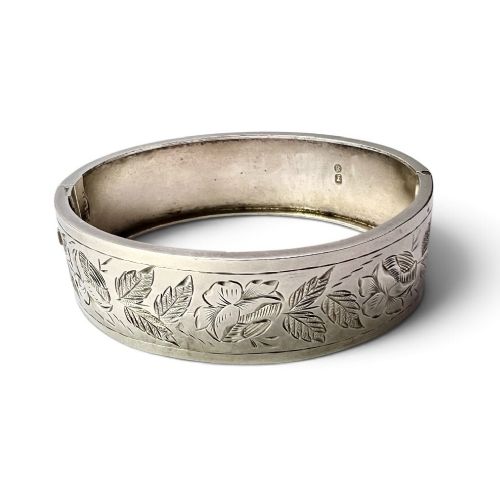
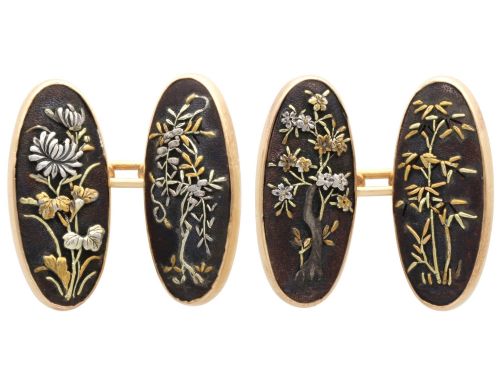
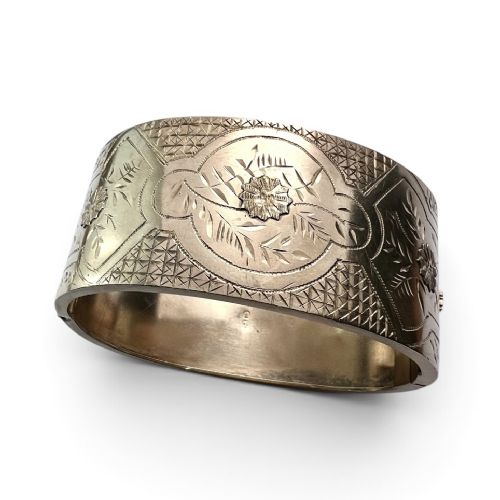
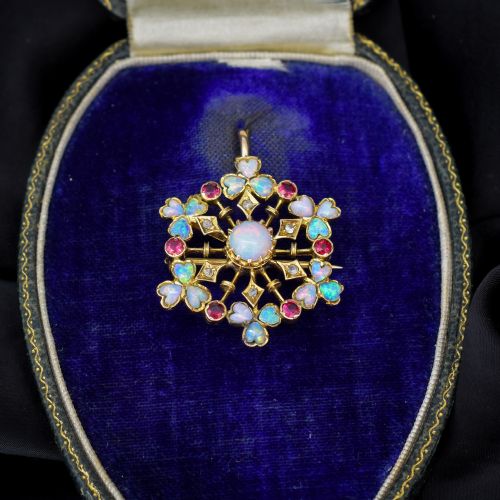
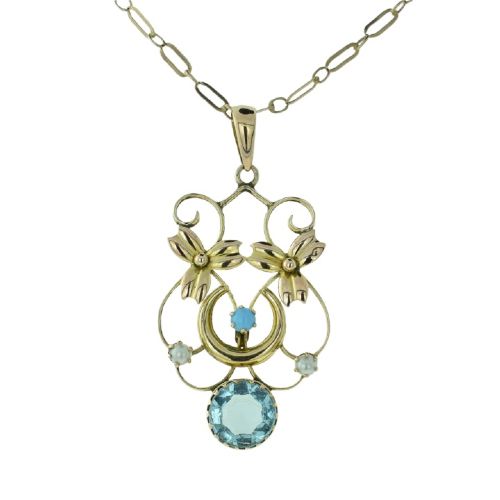
Victorian floral jewellery comprises brooches, pendants, rings and lockets shaped as blossoms, flower sprays and leaf clusters. These pieces draw from periods spanning the nineteenth century, with gold and silver settings holding rubies, turquoise and diamonds.
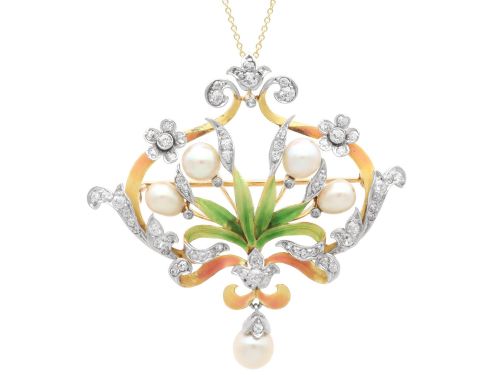
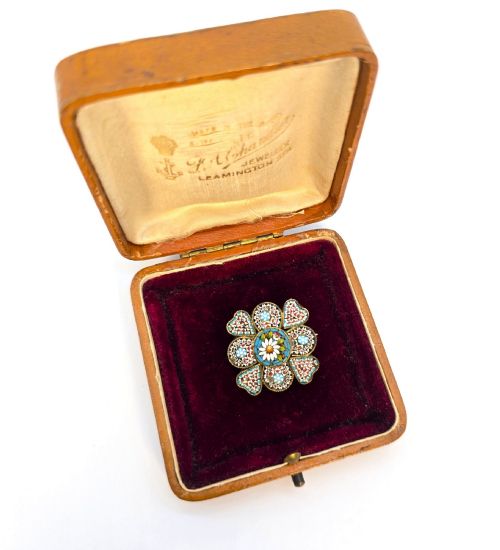
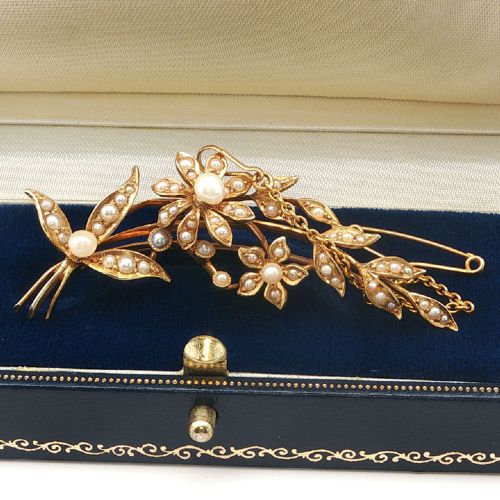
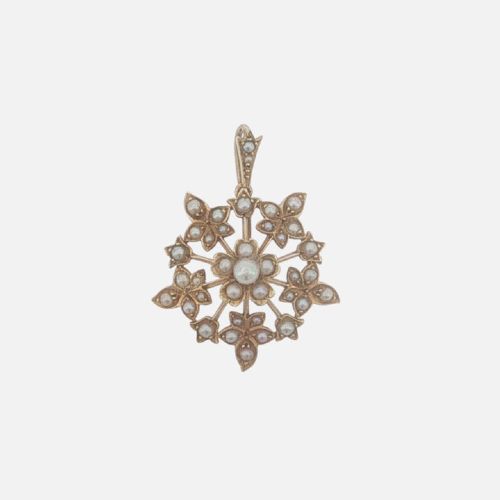
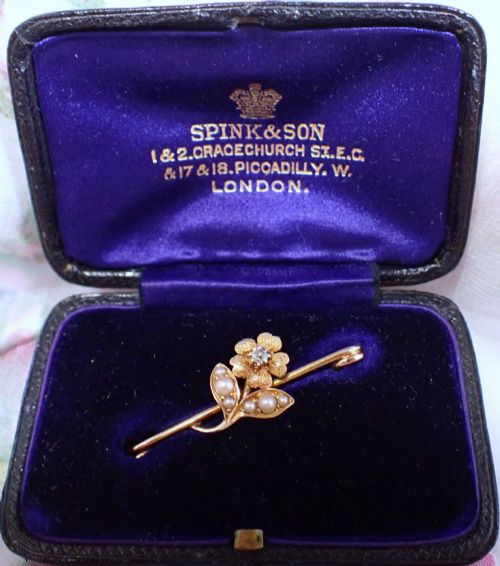
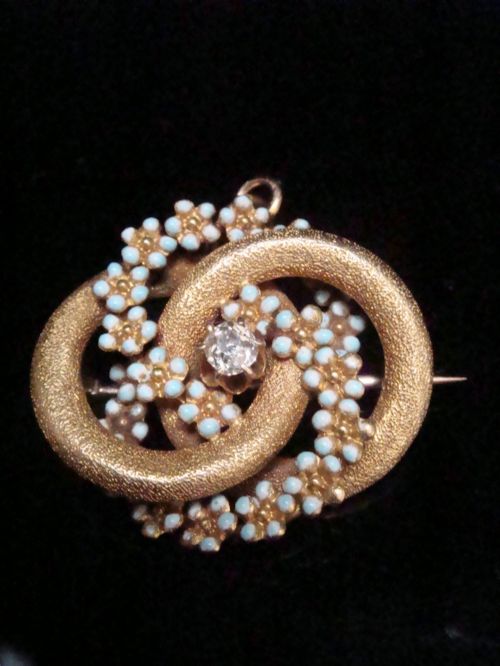
The version most likely to meet you on this page is the gold flower brooch or pendant, often set with seed pearls or a central diamond cluster. Earrings, bangles and lockets also appear, sometimes incorporating enamel or micro mosaic work.
Makers utilised distinct styles ranging from early Victorian work to later Arts and Crafts interpretations. The objects reflect a deep Victorian affection for botanical motifs and symbolic floral language.
Materials and Technique
Goldsmiths worked extensively in 9ct, 15ct and 18ct gold alongside sterling silver, shaping metals into delicate petals and wirework stems. Stones like diamonds, rubies, sapphires, opals and turquoise were flush-set, claw-set or mounted over foil.
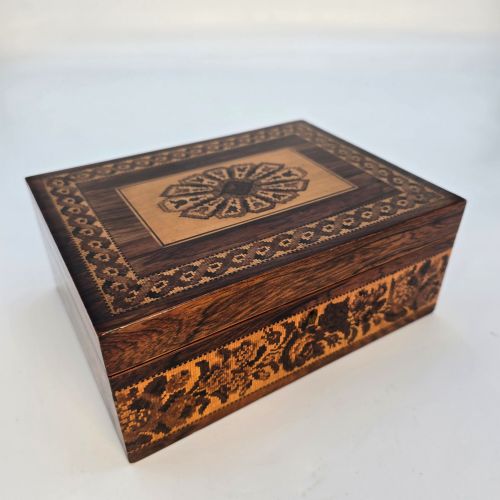
Specialised techniques include Tunbridge Ware marquetry, pietra dura and micro mosaic assembly, where tiny tesserae form floral images. Enamelling and fine hand engraving add depth to lockets, rings and boxes.
Object forms include brooches, pendants, lockets, rings, bangles, necklaces, earrings and decorative boxes utilising micro mosaic, enamel and marquetry.
Assessing Quality
Quality rests in the precision of the goldsmith's hand and the matching of the gemstones. Finer pieces show careful proportion in the arrangement of seed pearls and stones, with secure settings and clean chased engraving.
The choice of materials dictates the tier of the piece, shifting from 9ct gold and silver up to substantial 15ct or 18ct gold mounts set with diamonds and natural rubies. The complexity of the floral form, such as multi-tiered flower sprays or detailed micro mosaics, separates standard production from exceptional examples.
Edmund Nye
The Victorian Floral Jewellery Glossary
- Seed pearl
- A very small, natural or saltwater pearl used to depict delicate flower petals and buds. These tiny pearls are typically half-drilled and pegged onto gold stems.
- Micro mosaic
- An intricate image assembled from microscopic pieces of coloured glass called tesserae. Italian artisans arranged these to create floral brooches and plaques.
- Pietra dura
- A method of inlaying cut and fitted polished coloured stones into a base material to form a floral picture. This technique appears on nineteenth-century boxes and mounts.
- Tunbridge Ware
- Woodworking involving minute mosaic tiles made from different coloured woods to create geometric or floral patterns. Edmund Nye produced notable examples of this craft.
- Forget-me-knot
- A decorative motif combining botanical flower shapes with intertwined ribbon ties. It symbolises enduring memory and fidelity in jewellery design.
Victorian Floral Jewellery: Frequently Asked Questions
What is Victorian floral jewellery?
Victorian floral jewellery consists of ornamental pieces shaped like flowers, leaves and botanical sprays made during the nineteenth century. These items use gold and silver to mount stones such as diamonds, pearls, turquoise and rubies.
Common forms include brooches, pendants, rings and lockets designed to celebrate natural forms. They incorporate techniques ranging from chased gold work to micro mosaic and enamel.
How do I care for antique gold and pearl jewellery?
Keep antique gold and pearl pieces away from harsh chemicals, ultrasonic cleaners and prolonged water immersion. Pearls are organic and soft, requiring gentle cleaning with a soft, dry cloth.
Store items individually in padded boxes to prevent scratching between harder gemstones like diamonds and softer gold settings.
How can I tell early Victorian from late Victorian pieces?
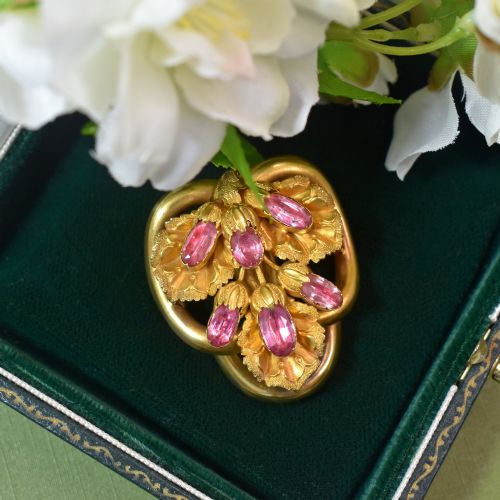
Early Victorian items often feature deeper gold tones, foil-backed stones and distinct romantic motifs like pink topaz or mourning elements. They date from the earlier decades of the nineteenth century.
Late Victorian and Edwardian examples shift towards lighter metals, platinum accents, or Arts and Crafts designs with moonstones and silver. Hallmarks and stylistic shifts help narrow down the production period.
Were these pieces worn every day?
Many Victorian floral brooches and pendants served as daily accessories for fastening lace collars, shawls and dresses. Jewellery held sentimental value and was worn to mark personal occasions or display fashion.
Sturdier items like gold bangles and rings suited regular wear, while delicate seed pearl pieces required more careful handling during social calls.